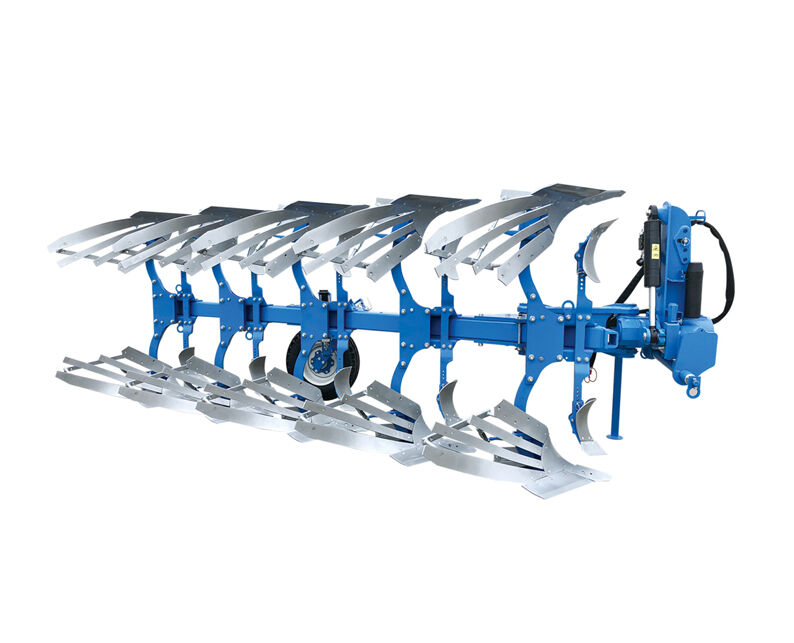
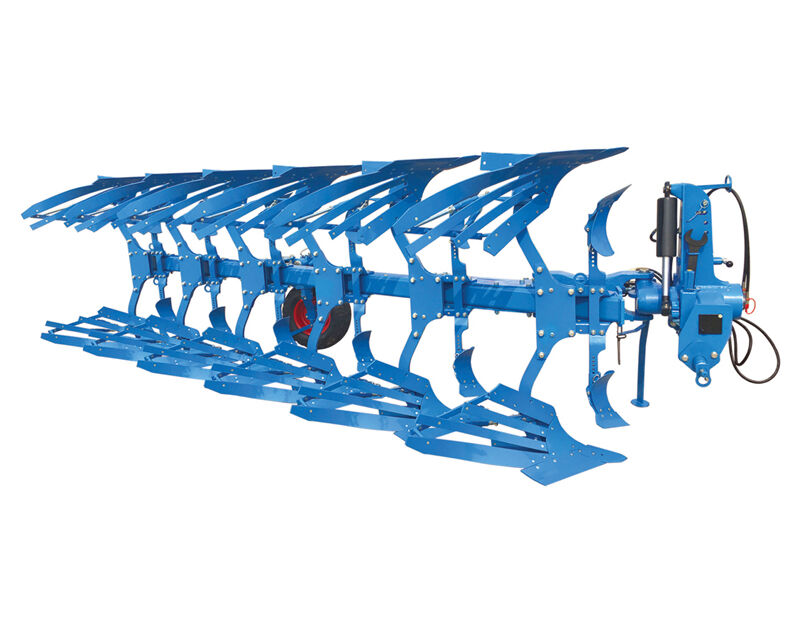
Hydraulic Plough: Advanced Soil Cultivation Equipment for Modern Agriculture

+86-13615166566
All Categories

hydraulic plough

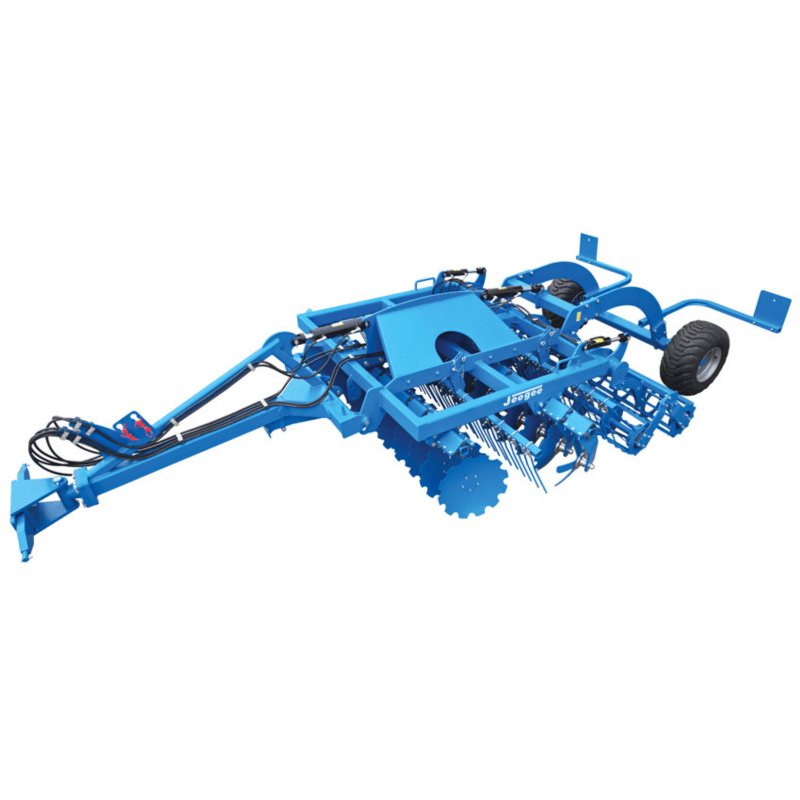
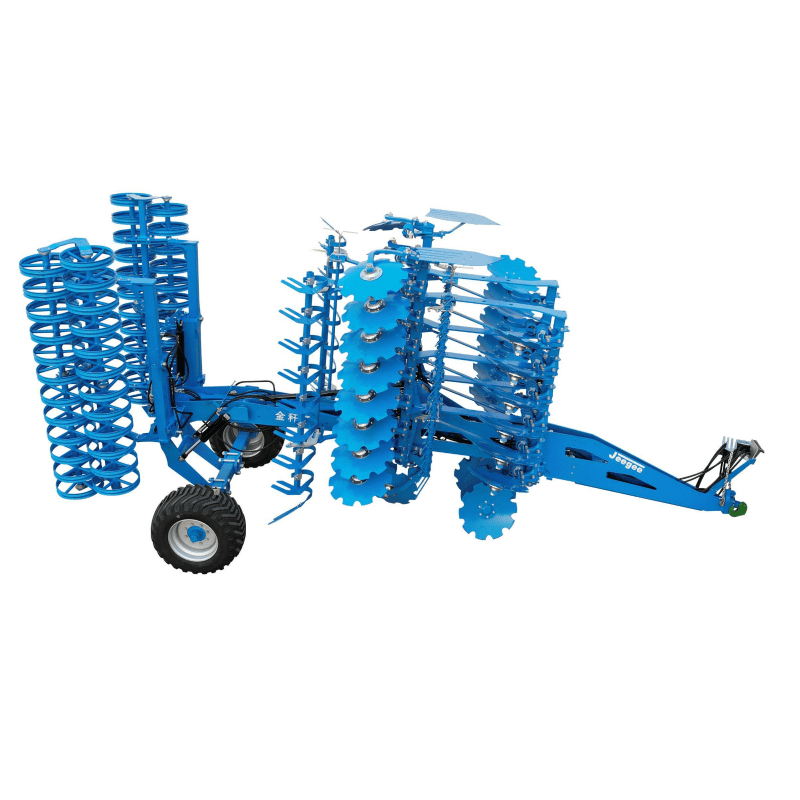
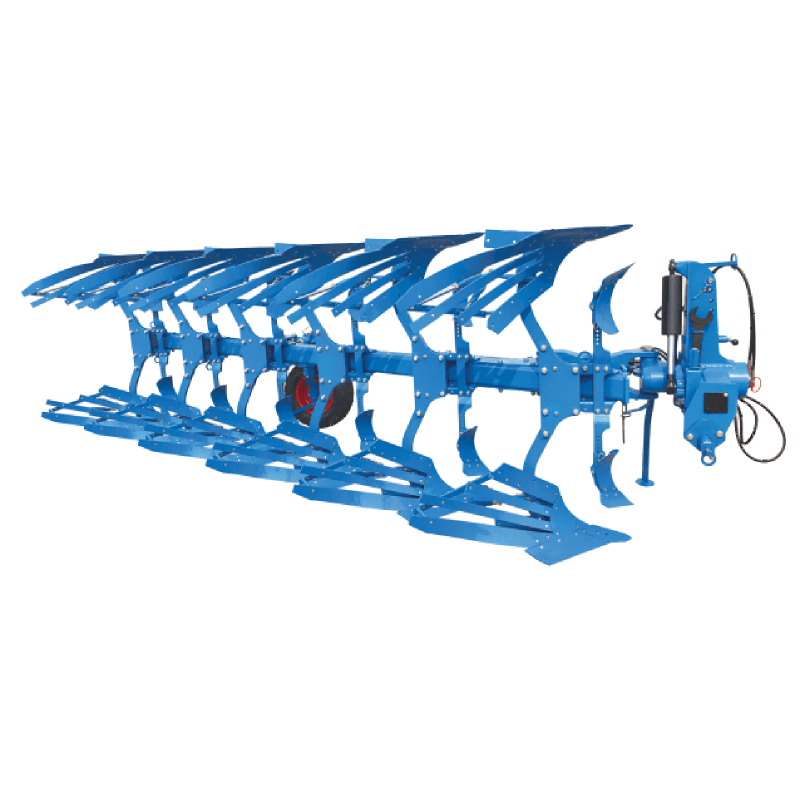
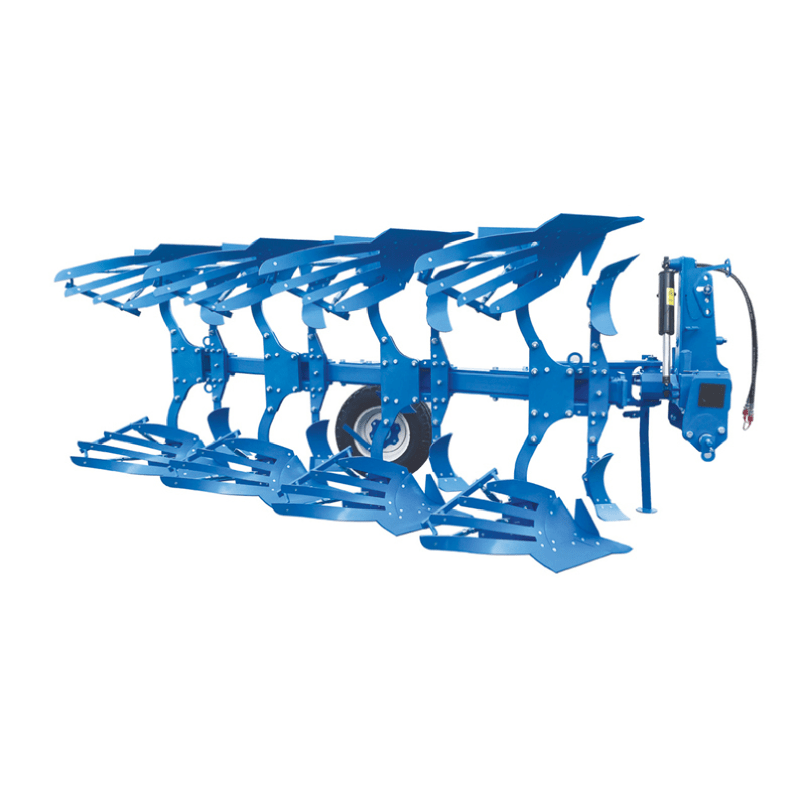
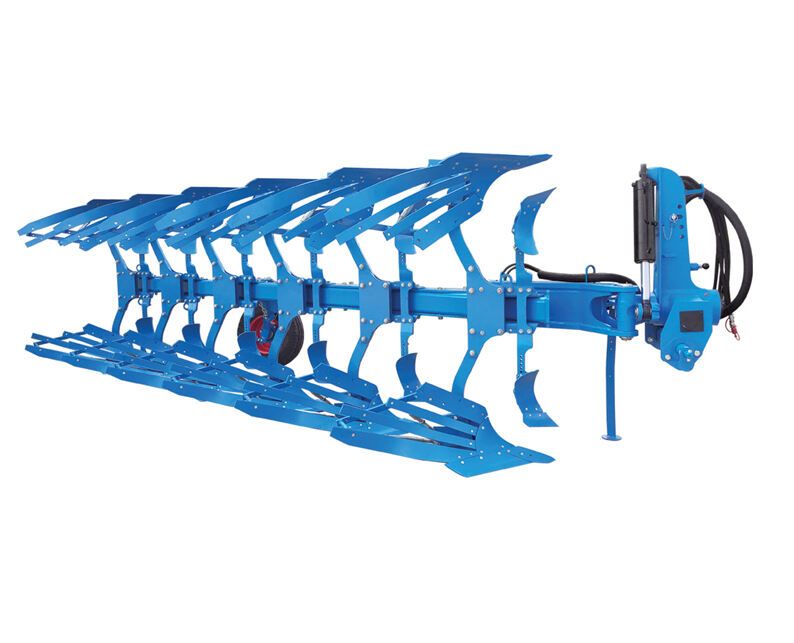
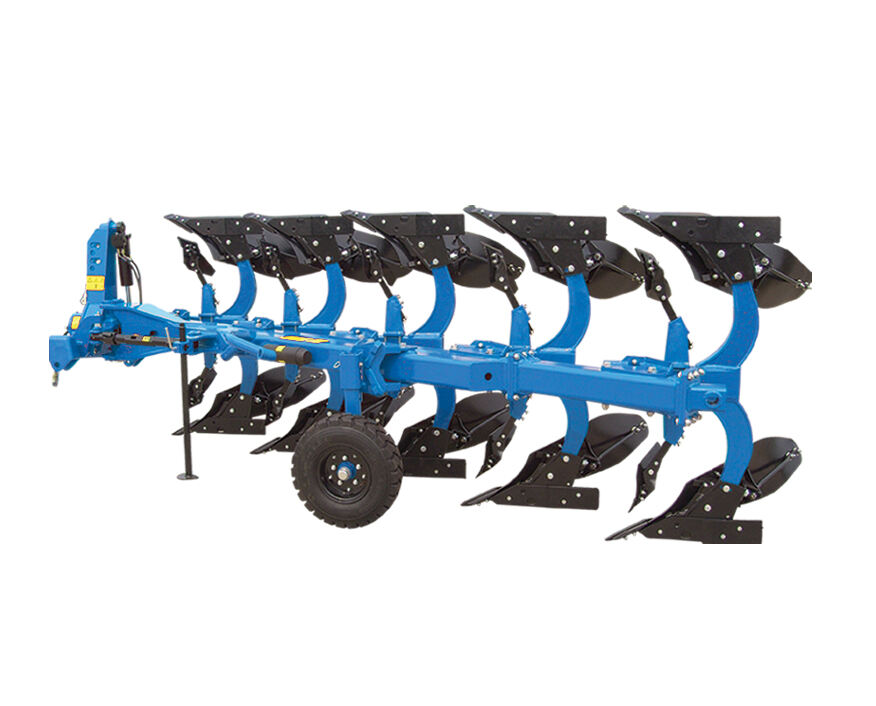
The hydraulic plough represents a significant advancement in modern agricultural and earthmoving equipment, combining traditional ploughing principles with sophisticated hydraulic technology. This powerful implement is designed to break up, turn, and prepare soil with remarkable efficiency, utilizing hydraulic pressure to control blade depth, angle, and position. The hydraulic plough operates through a system of hydraulic cylinders and valves that respond to operator commands, allowing for precise adjustments during operation without requiring manual intervention or stopping the equipment. The main functions of the hydraulic plough include primary tillage, soil inversion, incorporation of crop residues, weed control, and land preparation for planting. Its technological features encompass adjustable working width, automatic depth control systems, hydraulic angle adjustment mechanisms, reinforced blade construction, and compatibility with various tractor models and power units. The hydraulic plough finds extensive applications across multiple sectors, including large-scale farming operations, land reclamation projects, construction site preparation, vineyard and orchard management, and specialized agricultural activities. The equipment is particularly valuable in challenging soil conditions where traditional ploughs struggle, such as rocky terrain, compacted ground, or areas with varying soil compositions. Modern hydraulic plough designs incorporate wear-resistant materials, replaceable cutting edges, and modular components that extend service life and reduce maintenance costs. The integration of hydraulic controls enables operators to make real-time adjustments based on soil conditions, obstacles, or specific cultivation requirements, making the hydraulic plough an indispensable tool for professional agricultural operations seeking efficiency, precision, and versatility in their land preparation activities.

New Product Recommendations

The hydraulic plough delivers substantial practical benefits that directly impact your operational efficiency and bottom line. First and foremost, this equipment saves you considerable time during field preparation. Traditional ploughs require frequent stops for manual adjustments, but the hydraulic plough lets operators change settings on the go, maintaining momentum and completing tasks faster. This time savings translates directly into cost reduction, allowing you to prepare more land in less time with the same labor investment. The precision control offered by hydraulic systems means you achieve consistent ploughing depth across your entire field, eliminating shallow or overly deep areas that can affect crop growth. This uniformity leads to better seed germination rates and more predictable yields, ultimately improving your return on investment. Another major advantage is the reduced physical strain on operators. Manual adjustment of traditional ploughs requires significant physical effort and repeated climbing on and off equipment. The hydraulic plough eliminates this exhausting work, keeping operators comfortable and productive throughout long working days. The equipment also adapts quickly to changing field conditions. When you encounter harder soil patches, rocky areas, or varying terrain, simple hydraulic adjustments let you respond immediately without interrupting your workflow. This adaptability proves especially valuable on farms with diverse soil types or on land reclamation projects where conditions change frequently. Fuel efficiency represents another practical benefit. The hydraulic plough optimizes cutting angles and depth settings for current conditions, reducing unnecessary resistance and engine strain. This optimization means your tractor consumes less fuel per acre worked, lowering operating costs significantly over a season. Maintenance requirements decrease compared to mechanical adjustment systems. Hydraulic components are sealed and protected from soil and debris, experiencing less wear than exposed mechanical linkages. When maintenance is needed, hydraulic systems are often simpler to service, with standardized components readily available. The hydraulic plough also extends the working season. Its ability to handle tougher conditions means you can work soil that might be too challenging for conventional equipment, giving you more flexibility in timing your field preparation. The durability of hydraulic plough construction ensures long-term value, with robust frames and quality hydraulic components designed for years of demanding use, making it a sound investment for serious agricultural operations.

Latest News

How Does a Tiller Cultivator Help in Weed Control and Soil Aeration?

07

Jul

How Does a Tiller Cultivator Help in Weed Control and Soil Aeration?

What is a Tiller Cultivator? Tiller cultivators are those machines farmers use to break up and turn over soil before planting crops. The spinning metal teeth on these machines work their way through the ground, creating loose soil beds that make ae...
View More
How Does a Plough Contribute to Soil Aeration and Improving Crop Yield?

27

Aug

How Does a Plough Contribute to Soil Aeration and Improving Crop Yield?

Understanding the Revolutionary Impact of Ploughing on Agricultural Productivity Modern agriculture relies heavily on effective soil management techniques, with ploughing standing at the forefront of these practices. The relationship between plough s...
View More
How Does Plough Support Efficient Tractor Farming and Land Cultivation?

27

May

How Does Plough Support Efficient Tractor Farming and Land Cultivation?

Modern agriculture depends heavily on reliable, well-engineered implements, and the plough remains one of the most foundational tools in land preparation. From breaking compacted topsoil to turning organic matter deep into the earth, a plough directl...
View More
Reversible Plough Maintenance: Essential Tips & Tricks

20

Oct

Reversible Plough Maintenance: Essential Tips & Tricks

Maximizing Agricultural Efficiency Through Proper Implement Care The reversible plough stands as a cornerstone of modern farming operations, revolutionizing the way agricultural professionals approach soil preparation. This sophisticated implement en...
View More

Get a Free Quote

Our representative will contact you soon.
Email
Name
Company Name
Message
0/1000

hydraulic plough

Advanced Hydraulic Control System for Effortless Operation

Advanced Hydraulic Control System for Effortless Operation

The hydraulic control system stands as the defining feature of the modern hydraulic plough, revolutionizing how operators interact with their equipment and manage field preparation tasks. This sophisticated system replaces outdated mechanical linkages with responsive hydraulic circuits that provide fingertip control over every aspect of plough operation. At the heart of this system are precision-engineered hydraulic cylinders that respond instantly to operator commands transmitted through control valves located conveniently in the tractor cab. These cylinders adjust blade depth with remarkable accuracy, allowing operators to set precise working depths from shallow surface cultivation to deep soil breaking, all while remaining seated and maintaining full visibility of the field ahead. The hydraulic angle adjustment capability represents a game-changing innovation, enabling operators to modify the blade angle to match soil conditions, desired finish, or specific cultivation goals without stopping work. This feature proves particularly valuable when transitioning between different soil types within a single field or when adjusting for moisture content variations that affect how soil breaks and turns. The system incorporates pressure sensing technology that monitors resistance encountered by the plough blade, providing real-time feedback that helps operators optimize settings for maximum efficiency. Many advanced hydraulic plough models include accumulator circuits that absorb shock loads when the blade encounters rocks or roots, protecting both the implement and the tractor from damaging impact forces. This shock absorption extends equipment life significantly while improving operator comfort by reducing jarring movements. The hydraulic system also enables automatic depth maintenance on slopes and uneven terrain, compensating for changes in ground contour to maintain consistent cultivation depth regardless of field topography. This automation reduces operator fatigue during long working days while ensuring uniform results across challenging landscapes. Quick-coupling hydraulic connections simplify attachment and detachment, allowing operators to switch between implements rapidly without tools or complicated procedures. The sealed hydraulic components resist contamination from soil and moisture, maintaining reliable performance in the dusty, dirty conditions typical of agricultural work. Remote hydraulic controls can be integrated into modern tractor systems, allowing for programmable settings and automated sequences that further enhance productivity and precision in field operations.
Robust Construction Engineered for Demanding Agricultural Conditions

Robust Construction Engineered for Demanding Agricultural Conditions

The structural integrity and material quality of the hydraulic plough determine its ability to withstand the punishing demands of agricultural and earthmoving work, and manufacturers have invested heavily in engineering frames and components that deliver exceptional durability. The main frame typically utilizes high-strength steel alloys selected specifically for their combination of toughness and resistance to fatigue, forming a rigid backbone that maintains precise geometry even under maximum working loads. Advanced welding techniques, including robotic welding in many cases, create consistent, high-quality joints that distribute stress evenly throughout the structure, eliminating weak points that could lead to premature failure. The plough blade itself represents a critical wear component, and quality hydraulic plough designs employ hardened steel or special alloy compositions that resist abrasion from constant soil contact while maintaining the sharp cutting edge necessary for efficient operation. Many manufacturers offer reversible blade designs that allow operators to flip cutting edges when one side wears, effectively doubling the service life before replacement becomes necessary. Replaceable wear strips and bolt-on cutting edges provide economical maintenance options, allowing you to refresh critical wear surfaces without replacing entire blade assemblies. The mounting points where hydraulic cylinders attach to the frame receive special engineering attention, with reinforced bosses and gussets that handle the concentrated forces generated during depth and angle adjustments. Protective shields cover hydraulic hoses and connections, preventing damage from flying debris, crop residue, or accidental contact during field operations. Corrosion-resistant coatings and paint systems protect steel components from moisture and chemical exposure, extending the operational life of the hydraulic plough even in coastal regions or areas where soil chemistry might accelerate rust formation. The hitch design accommodates various tractor categories and hydraulic systems, providing flexibility in equipment matching while ensuring safe, stable connection during transport and operation. Weight distribution receives careful consideration in hydraulic plough design, with ballast options available to optimize traction and prevent unwanted frame flex during heavy cutting operations. Quality bearings at all pivot points reduce friction and wear, while sealed bearing designs keep contamination out and lubricants in, reducing maintenance frequency and extending component life significantly beyond what standard bearings would provide in the harsh agricultural environment.
Versatile Multi-Purpose Capability for Diverse Land Management Applications

Versatile Multi-Purpose Capability for Diverse Land Management Applications

The hydraulic plough transcends its primary role as a soil cultivation tool, offering remarkable versatility that makes it valuable across a wide spectrum of land management and preparation applications. In agricultural settings, the hydraulic plough excels at primary tillage operations where deep soil breaking promotes root penetration and improves drainage in compacted fields. The implement effectively buries crop residue from previous harvests, incorporating organic matter into the soil profile where decomposition enriches the earth with nutrients for subsequent crops. Weed control represents another important agricultural application, with the plough physically removing established weed growth and burying weed seeds deep enough to prevent germination. Farmers preparing land for specialty crops appreciate how hydraulic plough adjustability allows customization of soil preparation to meet specific crop requirements, whether creating fine seedbeds for small seeds or forming rough tilth for crops that benefit from larger soil aggregates. Beyond conventional farming, the hydraulic plough proves invaluable in land reclamation projects where previously unusable terrain must be transformed into productive agricultural land. Rocky fields, abandoned pastures returning to brush, and land affected by erosion all benefit from the powerful breaking action and obstacle-handling capability that hydraulic systems provide. Construction companies employ the hydraulic plough for site preparation, breaking up compacted earth before grading operations and exposing subsurface conditions for inspection before foundation work begins. Landscaping contractors use smaller hydraulic plough models to prepare residential and commercial sites, creating proper soil conditions for turf establishment or landscape planting. Vineyard and orchard management includes hydraulic plough applications, with careful cultivation between rows controlling weeds while avoiding root damage through precise depth control. Environmental restoration projects utilize the hydraulic plough to prepare sites for native plant reestablishment, breaking through invasive species root systems and preparing seedbeds for conservation plantings. Municipal operations benefit from hydraulic plough versatility when maintaining roadside areas, preparing park spaces, or managing municipal farmland. The equipment adapts to seasonal variations in work requirements, handling spring field preparation, summer fallow cultivation, and fall cover crop incorporation with equal effectiveness. Different blade configurations expand versatility further, with moldboard styles for complete soil inversion, chisel configurations for deep breaking without full turning, and disc options for lighter cultivation and residue management. This multi-purpose capability means your investment in a hydraulic plough serves multiple operational needs rather than sitting idle between narrow application windows, maximizing equipment utilization and improving the financial return on your machinery investment.

Get a Free Quote

Our representative will contact you soon.
Email
Name
Company Name
Message
0/1000