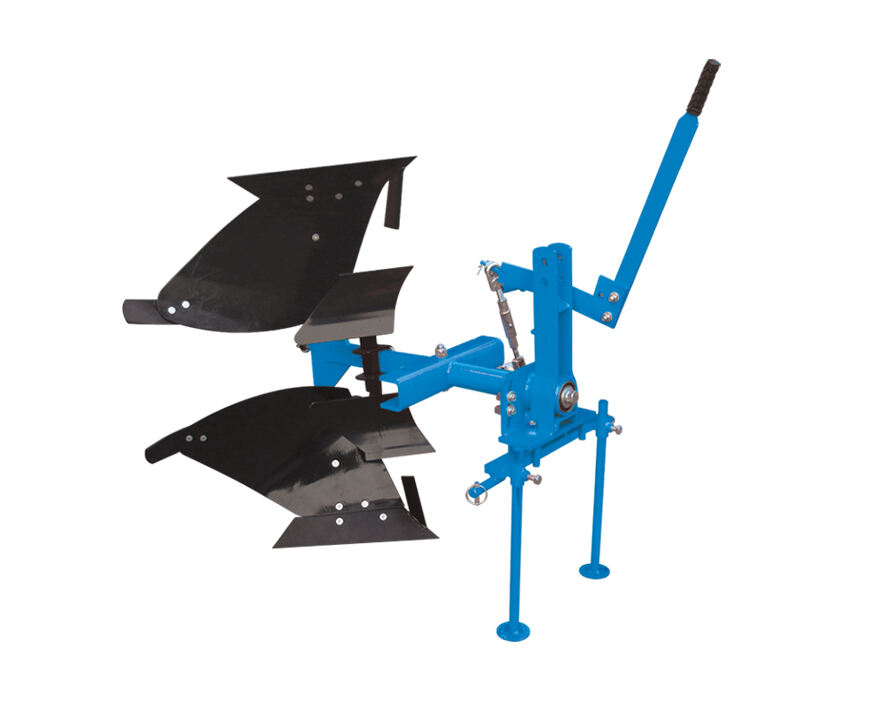
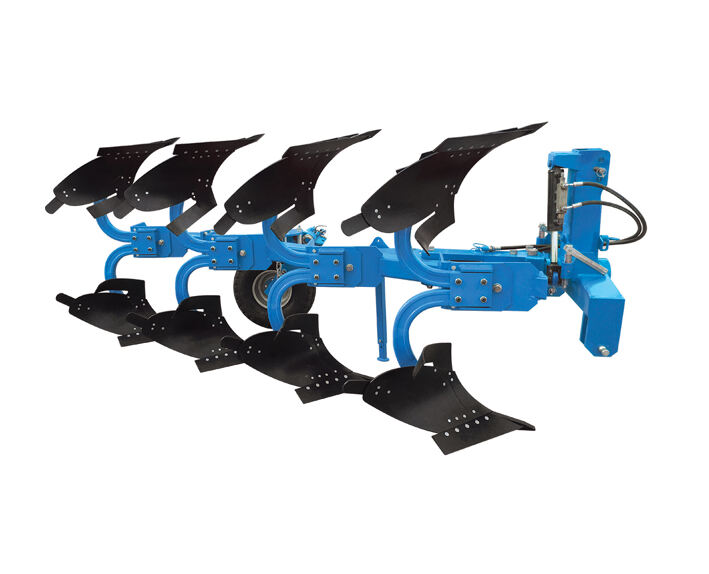
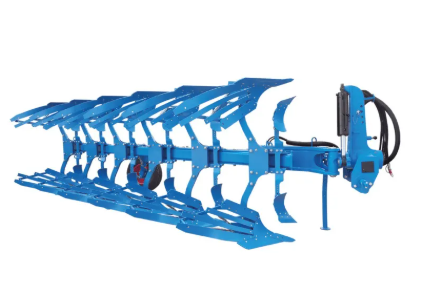
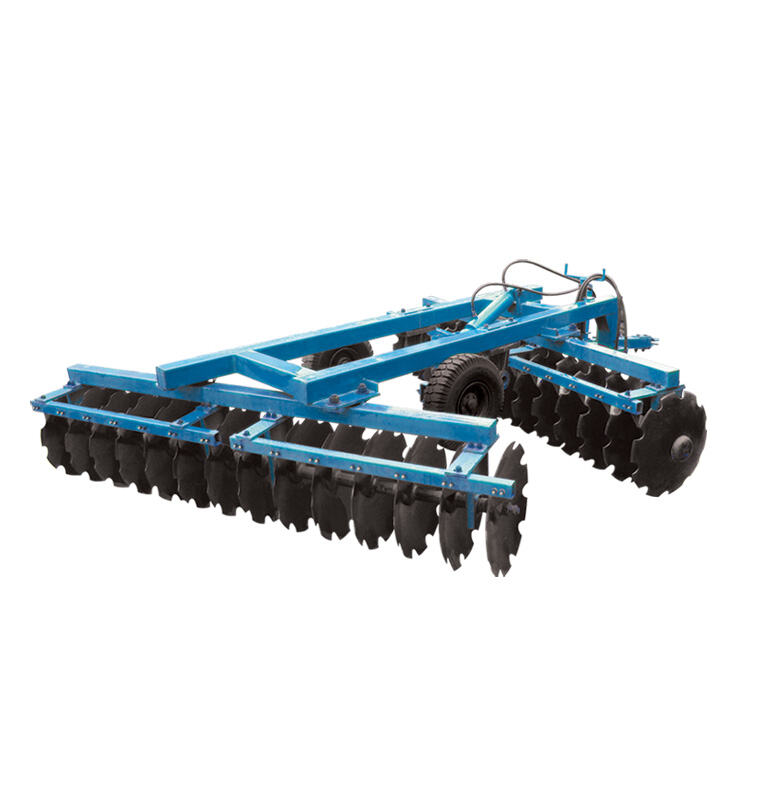
Robust Frame Construction and Versatile Adjustability for Long-Term Reliability
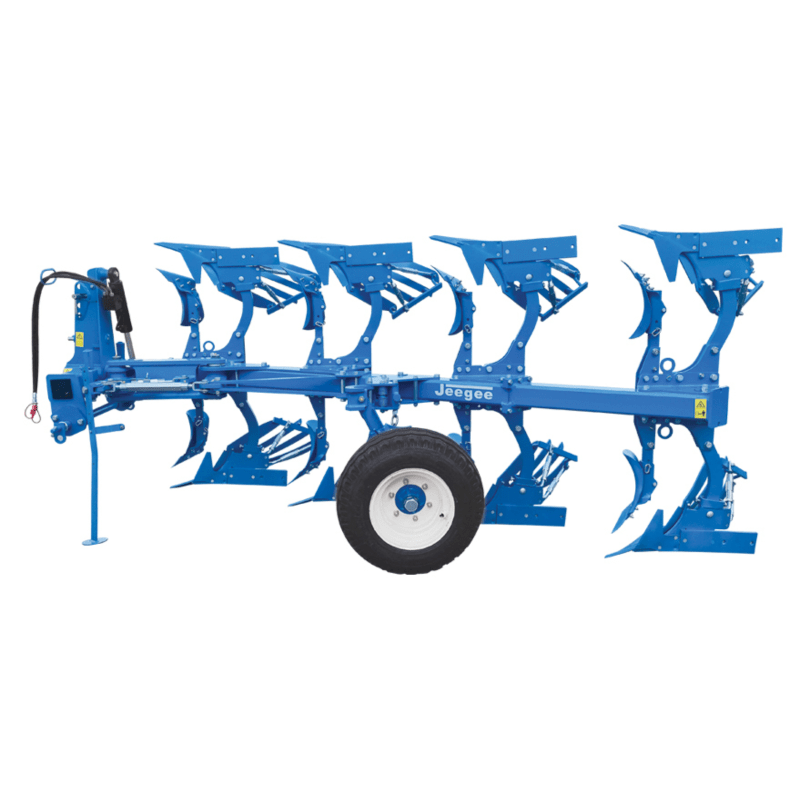
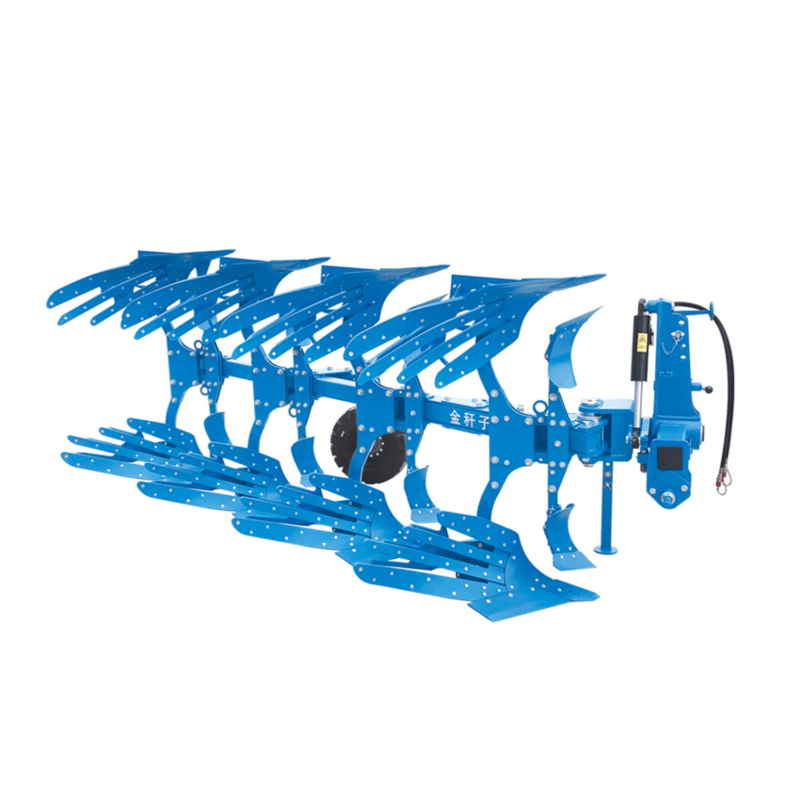
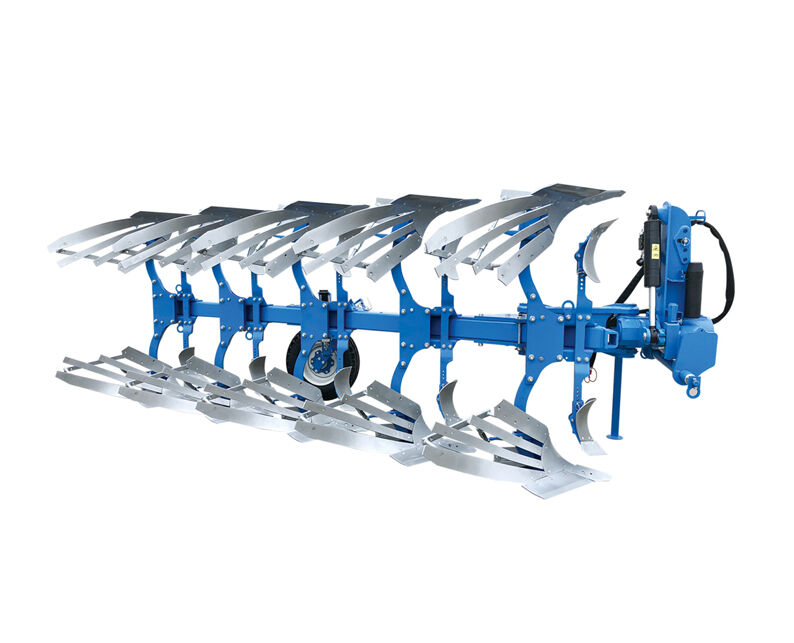
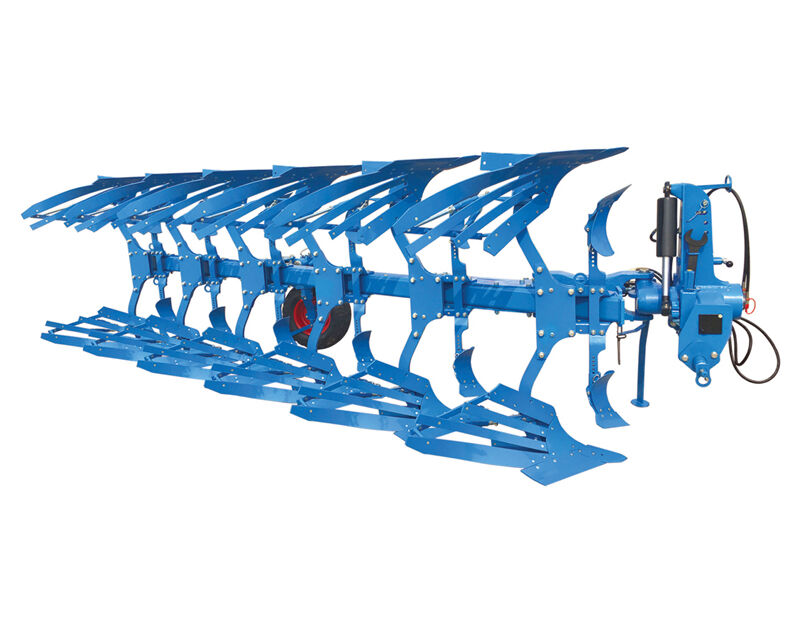
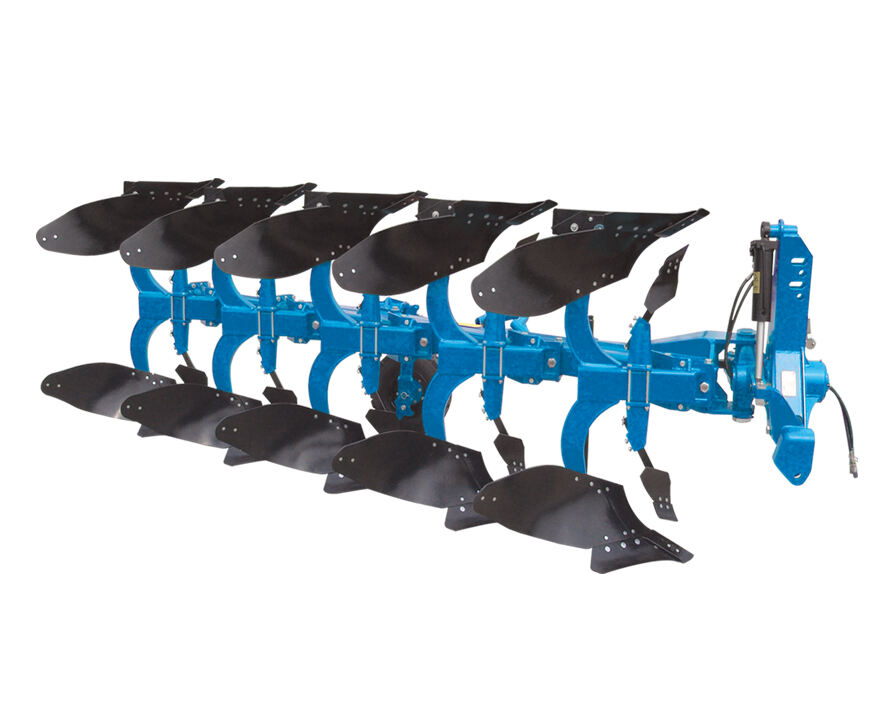
The structural integrity of the hydraulic reversible disc plough frame directly determines equipment longevity, operational safety, and consistent performance across diverse farming applications. Manufacturers construct these frames from heavy-duty steel sections, often utilizing high-strength alloy compositions that provide superior load-bearing capacity while maintaining reasonable implement weight. The frame design incorporates strategic reinforcement at stress concentration points, particularly around hydraulic cylinder mounting locations, disc blade attachment areas, and three-point hitch connection points. Engineers employ advanced stress analysis techniques during the design phase to identify potential weak points and incorporate appropriate strengthening measures before production begins. This attention to structural engineering results in implements that withstand decades of demanding field use without experiencing catastrophic failures or requiring extensive repairs. The welding quality throughout the frame assembly reflects manufacturing expertise, with continuous penetration welds at critical joints ensuring maximum strength and durability. Farmers investing in quality equipment recognize these construction details as indicators of long-term reliability and reduced total cost of ownership. The frame design accommodates various disc configurations and working width options, allowing farmers to select specifications matching their tractor power availability and typical field sizes. The versatile adjustability features integrated into the hydraulic reversible disc plough design enable operators to optimize performance for specific soil conditions, crop requirements, and tillage objectives. Working depth adjustment mechanisms allow precise control over how deeply discs penetrate the soil, with settings ranging from shallow surface cultivation to deep primary tillage exceeding twelve inches. This adjustability means farmers can use a single implement for multiple tillage applications throughout the crop rotation cycle, eliminating the need to purchase specialized equipment for different tasks. Disc angle adjustments modify how aggressively the blades engage soil, with steeper angles producing more aggressive cutting action and shallower angles reducing draft requirements for lighter tillage operations. The hydraulic reversible disc plough frame incorporates leveling mechanisms that ensure the implement works parallel to the ground surface, preventing uneven soil engagement that would compromise field preparation quality. Transport width adjustments allow operators to configure the implement for safe road travel, folding or adjusting disc gangs to meet highway width restrictions while moving between fields. Some advanced models feature hydraulic width adjustment, enabling operators to modify working width from the tractor cab to match field conditions or avoid obstacles. The three-point hitch mounting system provides compatibility with standard tractor hydraulic systems, facilitating quick attachment and detachment for efficient equipment changes. Manufacturers design hitch connections with adequate clearance and adjustment range to accommodate various tractor models and configurations, ensuring broad market compatibility. The implement's weight distribution receives careful engineering attention to maintain proper balance during transport and operation, preventing excessive tongue weight that would strain tractor lift capacity or rear-biased loading that causes instability. These design considerations reflect the practical farming experience that informs quality agricultural equipment development, resulting in implements that integrate seamlessly into diverse farming operations and deliver reliable performance season after season.
 EN
EN