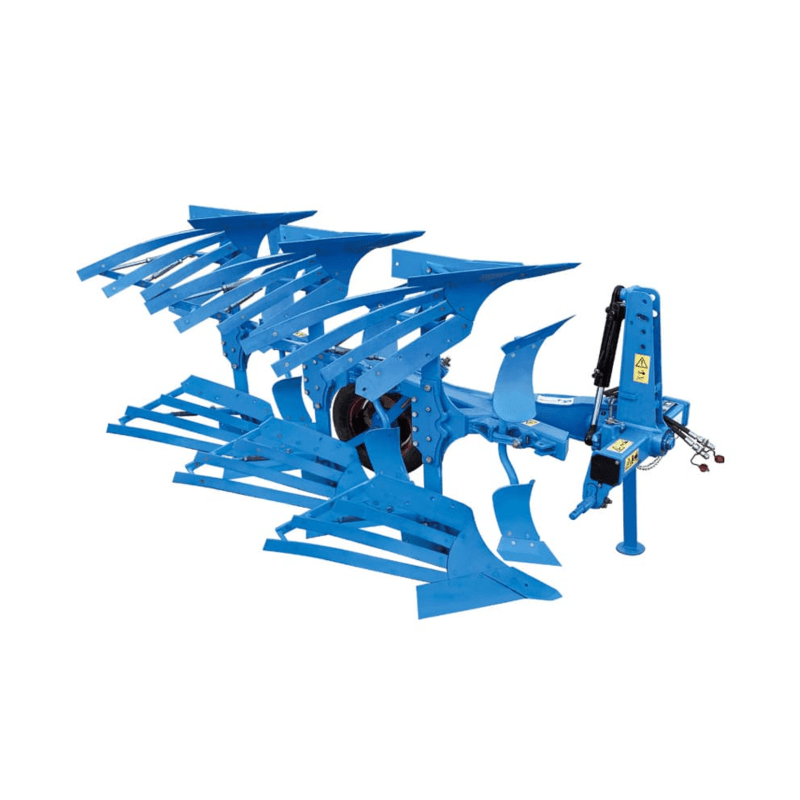
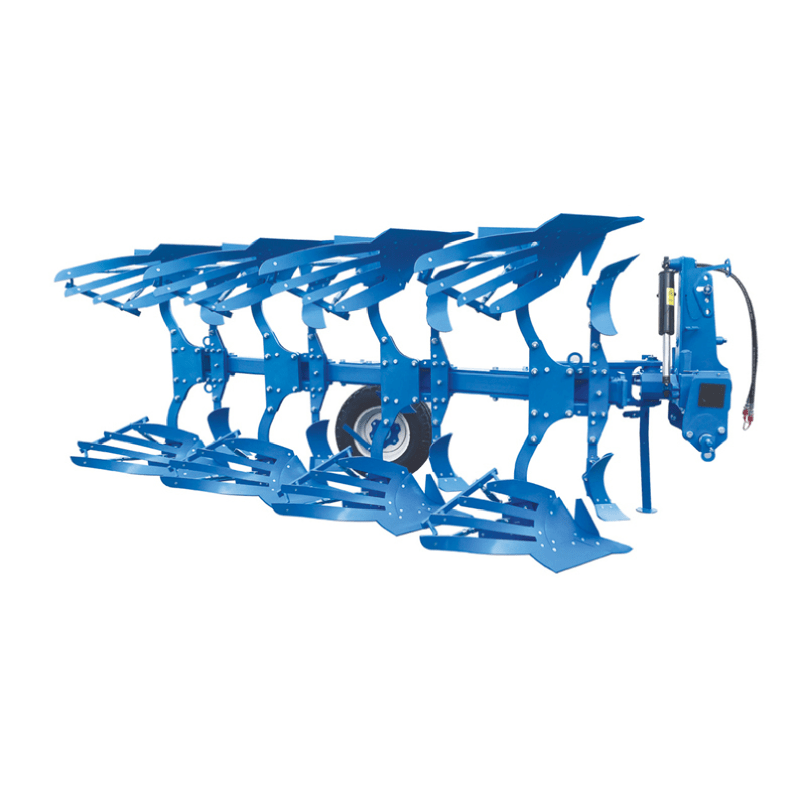
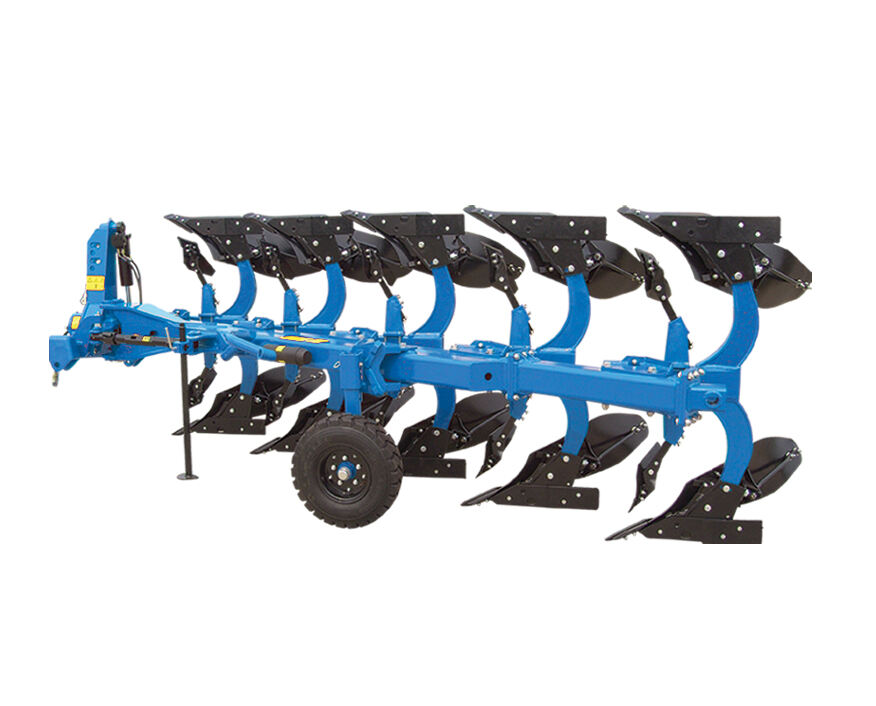
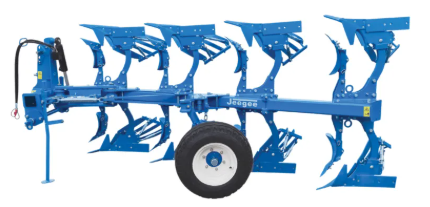
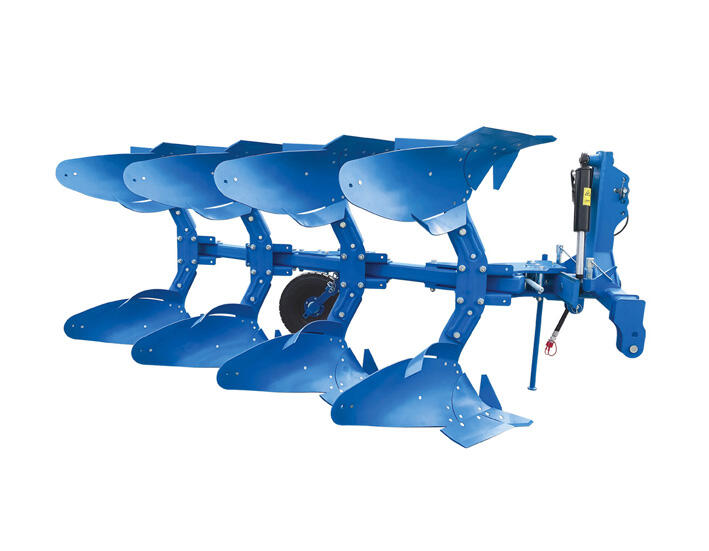
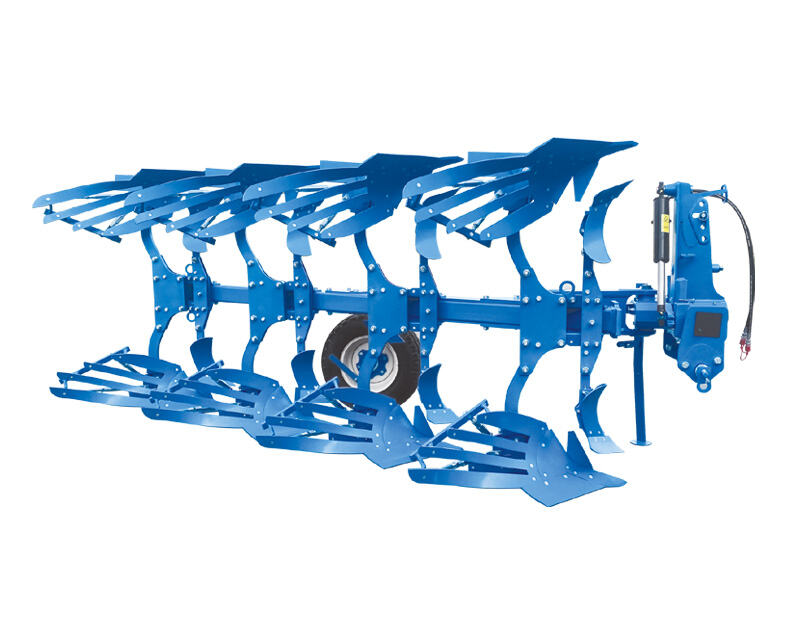
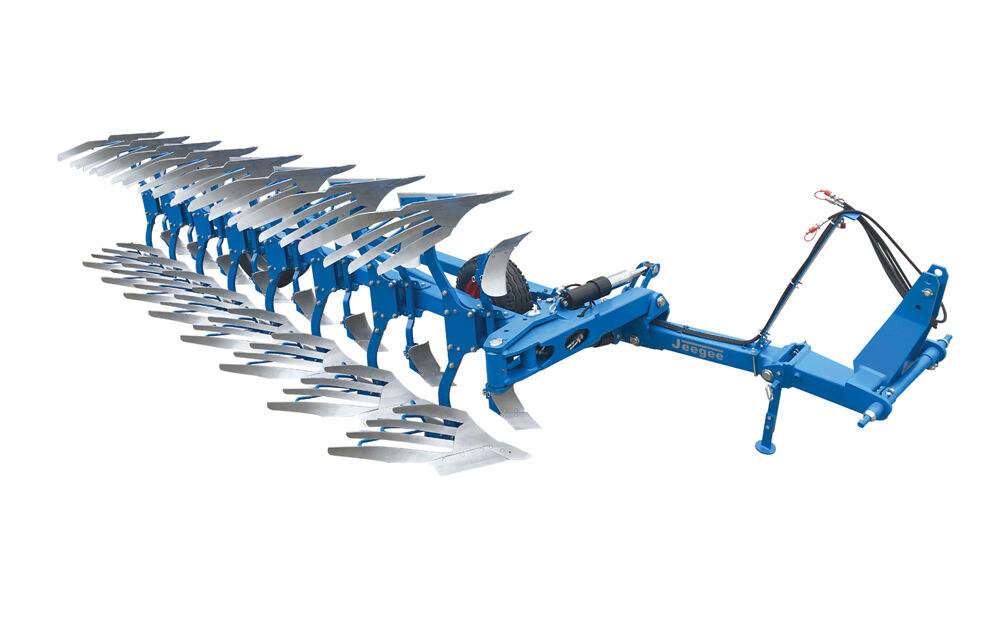
reversible hydraulic plough
The reversible hydraulic plough represents a significant advancement in modern agricultural machinery, designed to enhance soil preparation efficiency and farm productivity. This innovative equipment combines hydraulic power with a reversible ploughing mechanism, allowing farmers to work their fields with unprecedented precision and speed. The reversible hydraulic plough operates by utilizing hydraulic cylinders to lift, lower, and rotate plough bottoms, enabling the operator to turn the soil in alternating directions with each pass across the field. This bidirectional capability eliminates the need for dead furrows and standing ridges, creating a more uniform seedbed. The main functions of this equipment include deep soil penetration, effective residue incorporation, and thorough soil inversion to bring nutrient-rich lower layers to the surface. Technological features include adjustable working depth control, automatic furrow width adjustment, and rapid headland turning capability that minimizes unproductive time. The hydraulic system provides consistent power delivery regardless of soil conditions, while the reversible design allows continuous operation without leaving unploughed strips. Modern reversible hydraulic ploughs incorporate wear-resistant materials in critical components, ensuring longevity even in abrasive soil conditions. The equipment finds applications across diverse farming operations, from small family farms to large commercial agricultural enterprises. It excels in preparing land for various crops including cereals, vegetables, and legumes. The reversible hydraulic plough is particularly valuable in contour farming and terraced agriculture where maintaining consistent furrow direction improves erosion control. Additionally, this equipment serves effectively in reclaiming marginal lands, breaking hardpan layers, and incorporating organic matter or green manure into the soil. The versatility of the reversible hydraulic plough makes it an indispensable tool for farmers seeking to optimize their tillage operations while reducing labor costs and fuel consumption through efficient field coverage patterns.
 EN
EN