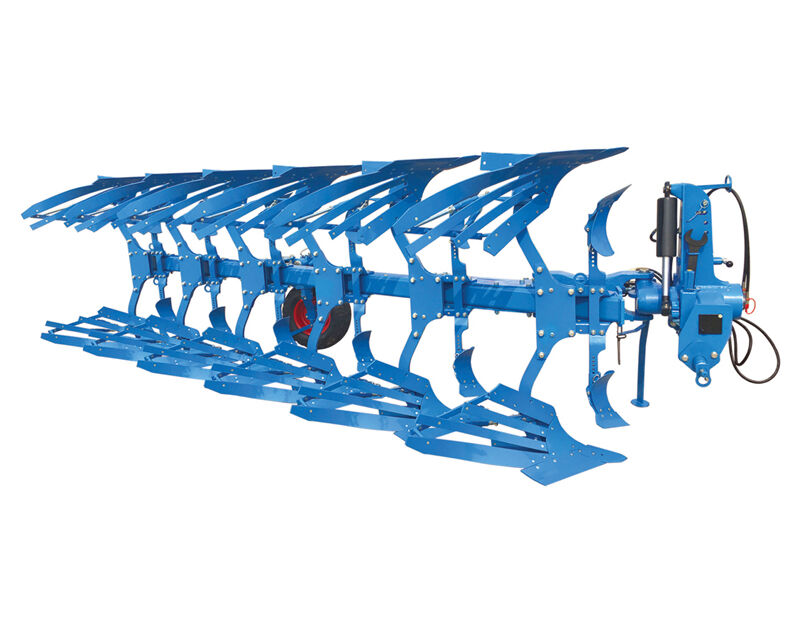
Semi Mounted Plough: Advanced Tillage Solutions for Modern Farming Operations

+86-13615166566
All Categories

semi mounted plough

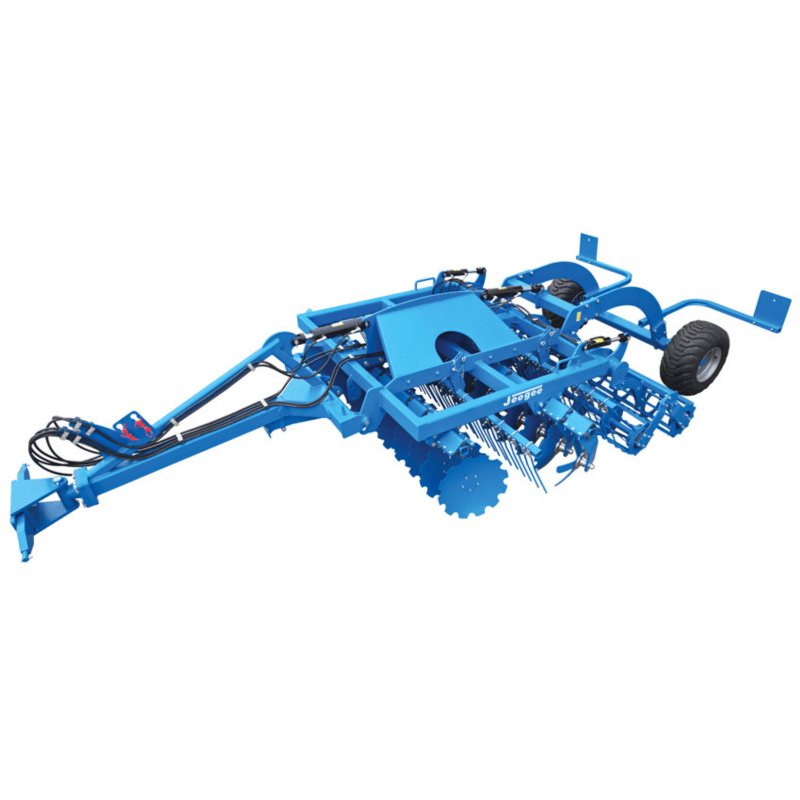
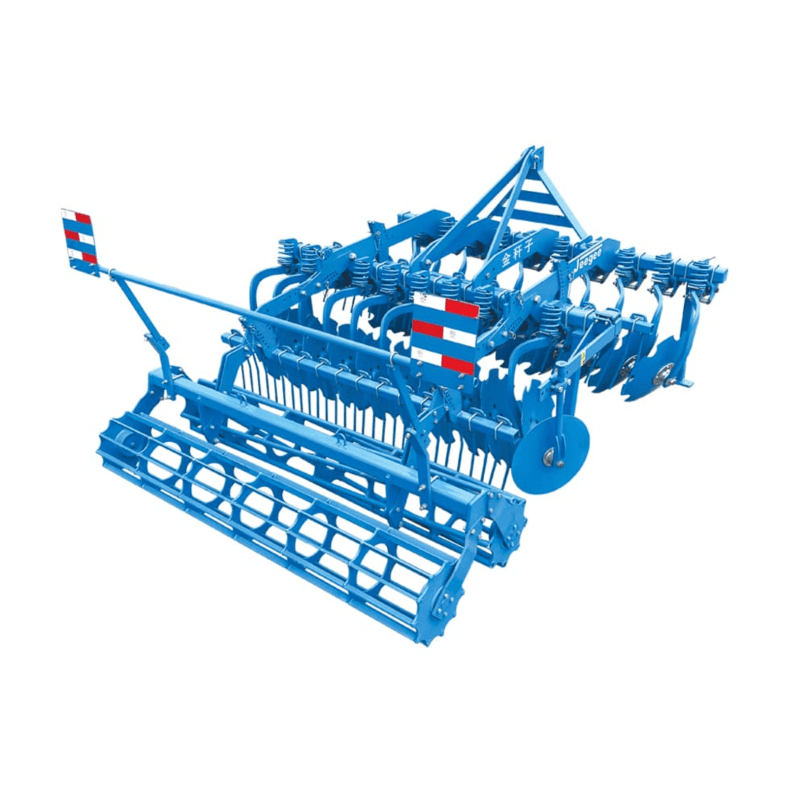
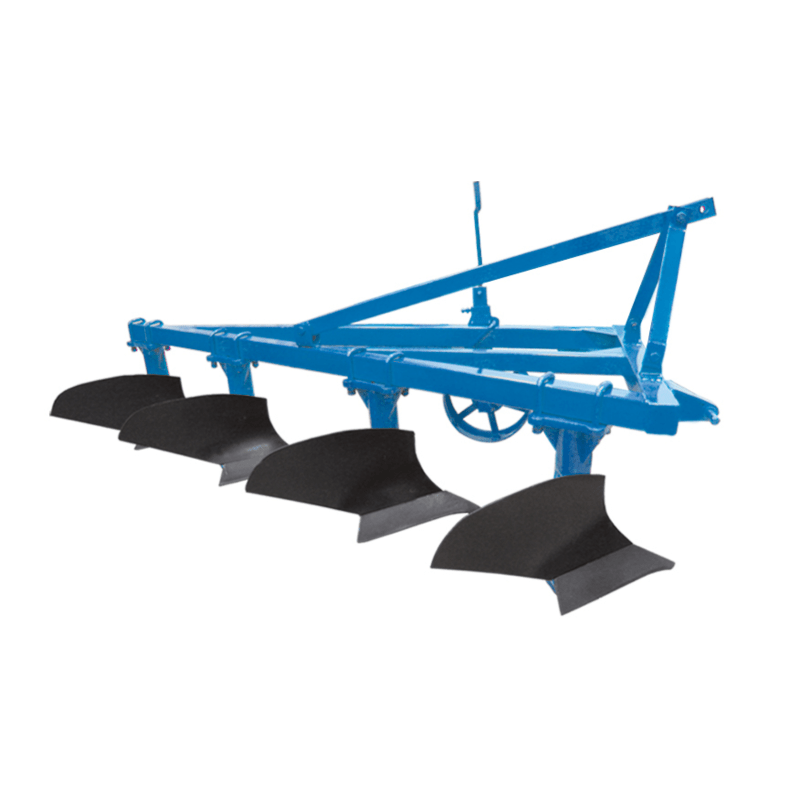
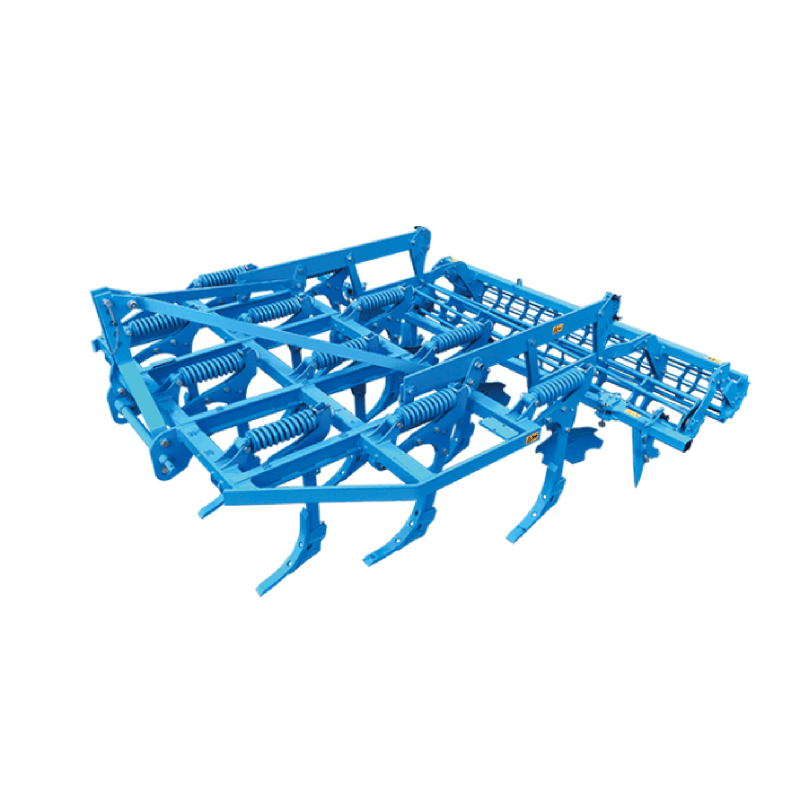
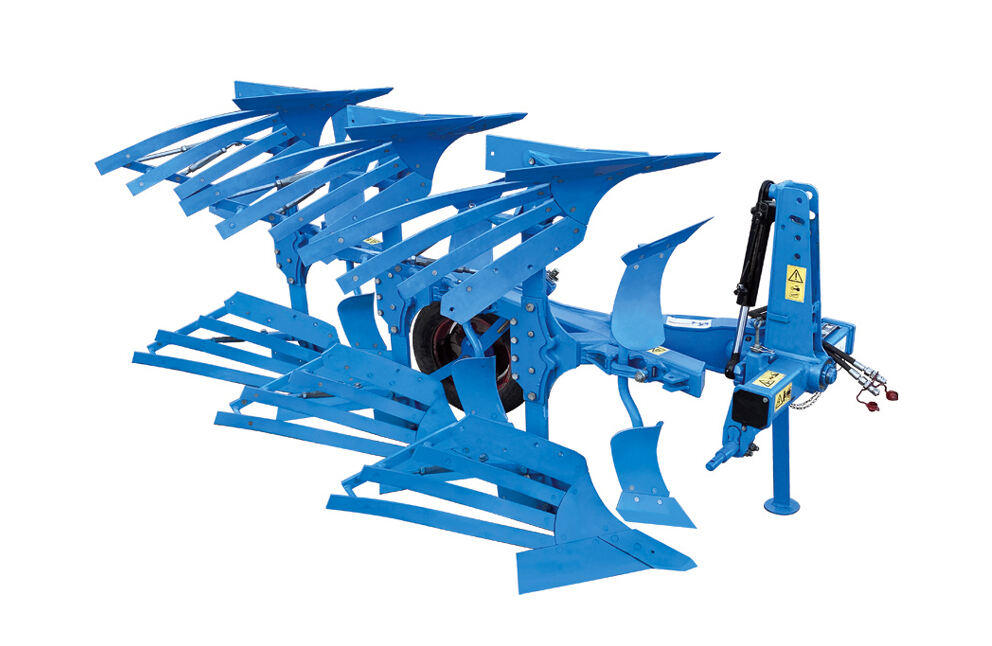
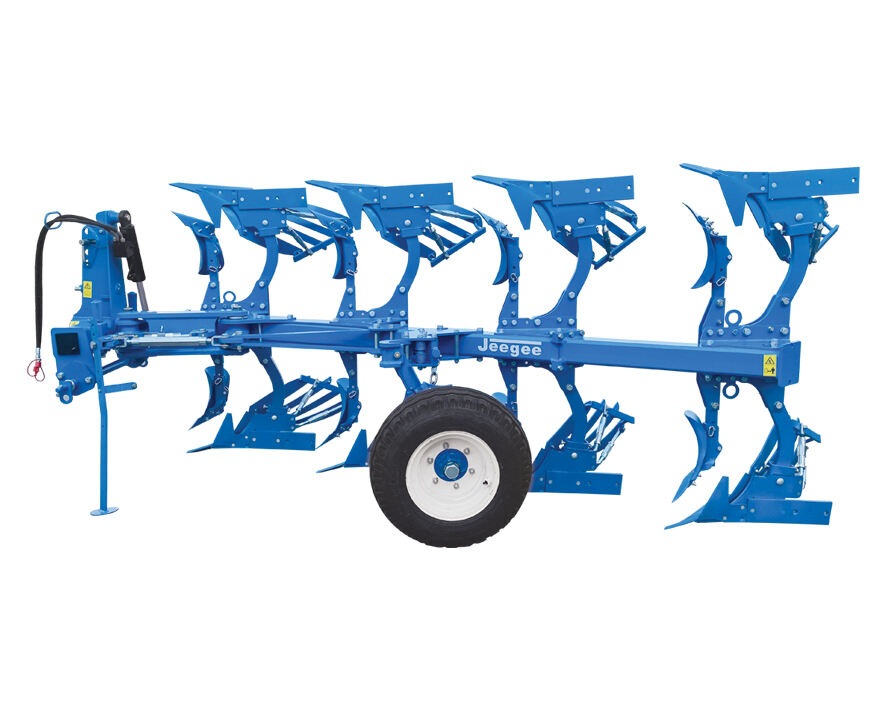
The semi mounted plough represents a sophisticated agricultural implement designed to deliver exceptional soil preparation performance across diverse farming operations. This innovative tillage equipment combines structural elements of both mounted and trailed ploughs, creating a hybrid design that maximizes operational efficiency while maintaining superior field performance. The semi mounted plough attaches to the tractor through a three-point linkage system at the front, while the rear section is supported by a land wheel or transport wheel assembly, distributing weight effectively between the tractor and the implement itself. This configuration allows farmers to work with larger ploughing widths and greater working depths compared to fully mounted alternatives. The primary function of the semi mounted plough involves turning over the upper layer of soil, burying crop residues, incorporating organic matter, and preparing seedbeds for subsequent planting operations. Its technological features include adjustable furrow widths, hydraulic reset systems for stone protection, and reversible mouldboards that enable farmers to throw soil in either direction. The implement typically consists of multiple plough bodies ranging from three to eight bottoms, each equipped with precisely engineered shares, mouldboards, and landside components. Modern semi mounted plough designs incorporate robust frame construction using high-tensile steel, ensuring durability under demanding field conditions. Applications span various agricultural contexts, including primary tillage in cereal production, seedbed preparation for row crops, grassland renovation, and soil improvement projects. The semi mounted plough proves particularly valuable in medium to large-scale farming enterprises where efficiency, productivity, and soil management quality determine operational success. Farmers across different geographic regions utilize this equipment for breaking compacted soil layers, managing weed populations, and creating optimal growing conditions that promote healthy crop establishment and development.

New Product Releases

The semi mounted plough delivers substantial practical benefits that directly impact farming profitability and operational effectiveness. First, this equipment offers superior weight distribution compared to fully mounted implements, reducing strain on tractor hydraulic systems and front axle assemblies. By supporting part of the plough's weight on its own wheel system, farmers can operate with larger implements without requiring excessively powerful tractors, optimizing their equipment investment. This characteristic allows agricultural businesses to increase working capacity without necessarily upgrading to higher-horsepower machinery, delivering immediate cost savings. Second, the semi mounted plough provides exceptional stability during field operations, particularly when working on sloping terrain or uneven ground conditions. The support wheel maintains consistent ploughing depth and prevents the implement from swaying or bouncing, resulting in uniform furrow quality across the entire field. This stability translates to better seedbed preparation, which directly influences germination rates and crop establishment success. Third, transport convenience stands as another significant advantage, as the semi mounted plough easily converts to road transport mode through hydraulic lifting and wheel adjustment. Farmers appreciate the quick transition between field work and transportation, saving valuable time during busy planting and harvesting seasons. Fourth, the design enables precise depth control through independent adjustment mechanisms, allowing operators to customize tillage intensity based on soil conditions, moisture levels, and crop requirements. This flexibility helps preserve soil structure while achieving necessary cultivation objectives. Fifth, maintenance accessibility proves straightforward, with wear parts like shares and mouldboards positioned for easy inspection and replacement. Farmers can perform routine servicing without specialized tools or extensive downtime, maintaining productivity throughout the season. Sixth, fuel efficiency improvements result from the optimized draft characteristics and reduced power requirements compared to alternative tillage methods. The semi mounted plough cuts through soil with minimal resistance while achieving thorough inversion and residue incorporation. Seventh, versatility across soil types ranging from light sandy conditions to heavy clay compositions makes this equipment adaptable to diverse farming environments. Finally, long-term durability ensures that investment in a quality semi mounted plough provides years of reliable service, with robust construction withstanding the rigorous demands of commercial agriculture.

Tips And Tricks

How Does a Plough Contribute to Soil Aeration and Improving Crop Yield?

27

Aug

How Does a Plough Contribute to Soil Aeration and Improving Crop Yield?

Understanding the Revolutionary Impact of Ploughing on Agricultural Productivity Modern agriculture relies heavily on effective soil management techniques, with ploughing standing at the forefront of these practices. The relationship between plough s...
View More
What Are the Most Common Problems Encountered When Using a Plough and How to Fix Them?

27

Aug

What Are the Most Common Problems Encountered When Using a Plough and How to Fix Them?

Essential Guide to Troubleshooting Agricultural Plough Issues Agricultural success heavily depends on proper ploughing techniques and equipment maintenance. While ploughs are fundamental tools in farming, they can present various challenges that impa...
View More
How Is Tiller Cultivator Used in Soil Loosening for Better Crop Growth?

27

May

How Is Tiller Cultivator Used in Soil Loosening for Better Crop Growth?

Healthy crops begin long before seeds are planted — they start with the condition of the soil beneath your feet. A tiller cultivator is one of the most essential tools in modern agriculture, designed specifically to break up compacted ground, aerate ...
View More
How to Choose a Reversible Plough for Modern Farming

13

Mar

How to Choose a Reversible Plough for Modern Farming

Revolutionary Advancements in Modern Agricultural Machinery The agricultural landscape has witnessed remarkable transformations over the decades, with the reversible plough standing as a testament to engineering excellence in farming technology. Thes...
View More

Get a Free Quote

Our representative will contact you soon.
Email
Name
Company Name
Message
0/1000

semi mounted plough

Advanced Hydraulic Protection System Ensures Uninterrupted Operation

Advanced Hydraulic Protection System Ensures Uninterrupted Operation

The semi mounted plough incorporates sophisticated hydraulic protection mechanisms that safeguard the implement against damage from subsurface obstacles while maintaining continuous productivity. This critical feature addresses one of the most significant challenges in tillage operations, where unexpected rocks, roots, or buried debris can cause catastrophic equipment failure and costly downtime. The hydraulic reset system functions through strategically positioned cylinders connected to each plough body, maintaining constant downward pressure during normal operation while allowing individual bottoms to swing backward and upward when encountering immovable objects. When a share strikes an obstacle, the hydraulic pressure releases momentarily, permitting the affected plough body to pivot over the obstruction without breaking components or damaging the frame structure. Once past the obstacle, the hydraulic system automatically returns the plough body to its working position without operator intervention, ensuring seamless operation continuation. This automatic reset capability proves invaluable in fields with variable subsurface conditions, where manual systems would require frequent stops for adjustment or repair. The technology significantly reduces maintenance costs by preventing share breakage, bent shanks, and frame damage that commonly occur with rigid mounting systems. Farmers working in rocky terrain or previously uncultivated land particularly benefit from this protection, as it enables productive tillage in conditions that would otherwise prove prohibitively difficult or expensive. The hydraulic system also allows operators to adjust trip pressure according to soil conditions, providing customized protection levels that balance obstacle avoidance with consistent ploughing depth. In lighter soils with minimal rock content, higher pressure settings maintain aggressive soil penetration, while lower settings in challenging conditions provide more sensitive protection. This adjustability ensures optimal performance across diverse field environments without compromising equipment longevity. Furthermore, the semi mounted plough hydraulic protection system contributes to operator comfort and confidence, eliminating the jarring impacts and sudden stops associated with rigid tillage equipment. Operators can maintain higher working speeds knowing the implement will automatically handle unexpected obstacles, increasing daily acreage coverage and overall productivity.
Reversible Design Maximizes Field Efficiency and Soil Management Flexibility

Reversible Design Maximizes Field Efficiency and Soil Management Flexibility

The reversible configuration available in many semi mounted plough models represents a transformative feature that fundamentally changes how farmers approach tillage operations and field logistics. Traditional conventional ploughs throw soil in only one direction, requiring operators to work around field perimeters in specific patterns that often result in dead furrows and back ridges, creating uneven field surfaces that complicate subsequent operations. The semi mounted plough with reversible bodies eliminates these inefficiencies through its ability to throw soil either right or left, enabling operators to work back and forth across fields while consistently moving soil toward the center or maintaining level surfaces. This capability dramatically reduces non-productive turning time at headlands, as tractors can simply reverse plough orientation and return along adjacent passes rather than traveling empty around field edges. The time savings accumulate significantly over large acreage, potentially increasing daily productivity by twenty to thirty percent compared to conventional ploughing patterns. Beyond efficiency gains, the reversible semi mounted plough provides superior soil management outcomes by preventing the formation of permanent ridges and depressions that interfere with water drainage and create uneven growing conditions. Fields ploughed with reversible equipment exhibit uniform surface topology that facilitates even seed placement, consistent moisture distribution, and simplified harvesting operations. The reversible mechanism typically operates through hydraulic cylinders that rotate the entire plough frame or individual body assemblies, positioning mouldboards for either right-hand or left-hand operation within seconds. Modern systems integrate this function with tractor hydraulic controls, allowing operators to reverse configuration from the cab without leaving their seat. This convenience proves especially valuable during long working days when frequent manual adjustments would cause operator fatigue and reduce productivity. Additionally, the reversible semi mounted plough enables effective terracing and contour ploughing on sloping land, where directional soil movement helps establish or maintain conservation structures that prevent erosion. Farmers practicing sustainable agriculture particularly value this capability, as it supports soil conservation objectives while maintaining productive tillage operations.
Modular Body Configuration Delivers Customizable Performance for Varied Operations

Modular Body Configuration Delivers Customizable Performance for Varied Operations

The modular design philosophy underlying quality semi mounted plough construction provides farmers with exceptional adaptability to match equipment configuration with specific operational requirements, soil conditions, and crop management strategies. This flexibility begins with the ability to adjust the number of plough bodies attached to the frame, typically ranging from three to eight bottoms depending on tractor power availability and desired working width. Farmers can start with a basic configuration and expand capacity as their operation grows or tractor fleet capabilities increase, protecting initial investment while maintaining upgrade pathways. Each plough body within the semi mounted plough assembly can be individually adjusted for working depth, furrow width, and pitch angle, enabling precise customization that optimizes soil turning characteristics for particular field conditions. In heavy clay soils requiring aggressive inversion, operators increase mouldboard angle and depth penetration to ensure complete residue burial and thorough soil mixing. Conversely, lighter tillage in sandy soils benefits from shallower settings that preserve moisture and minimize erosion risk. The modular approach extends to component selection, with different share types available for varying soil conditions including general purpose points for mixed conditions, deep digging shares for hard ground, and specialized designs for trashy or rocky fields. Farmers can mix share types across the implement to address variable soil conditions within single fields, positioning aggressive shares at the front where soil may be harder and transitional designs toward the rear. Mouldboard options similarly provide customization opportunities, with choices including standard profiles for general applications, high-speed designs that maintain performance at faster working rates, and specialized configurations for specific crops or tillage philosophies. The semi mounted plough frame construction supports this modularity through standardized mounting points and adjustment mechanisms that accommodate different body styles and configurations without requiring specialized tools or extensive mechanical expertise. Maintenance efficiency improves through this standardization, as farmers can stock common wear parts that fit multiple positions across the implement rather than maintaining inventory for each unique location. The modular design philosophy also facilitates technological upgrades, allowing farmers to retrofit older implements with modern components like improved trip mechanisms, updated share metallurgy, or enhanced adjustment systems without replacing the entire implement. This upgradeability extends equipment lifespan and protects capital investment while ensuring access to performance improvements and efficiency gains from ongoing agricultural engineering advances.

Get a Free Quote

Our representative will contact you soon.
Email
Name
Company Name
Message
0/1000