Professional Harrowing Equipment - Advanced Soil Preparation Solutions for Modern Farming

+86-13615166566
All Categories

harrowing equipment

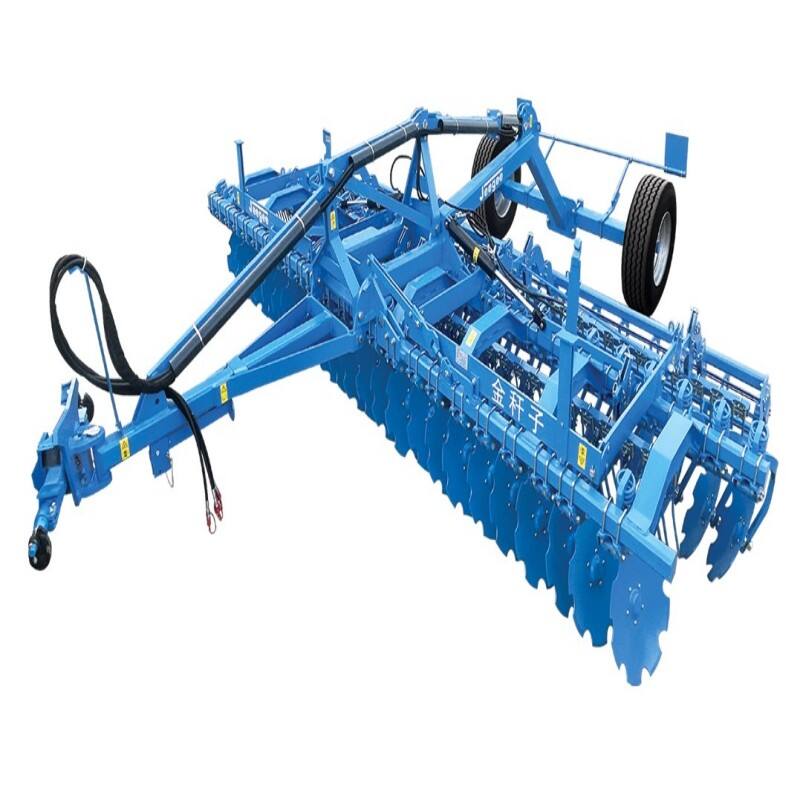
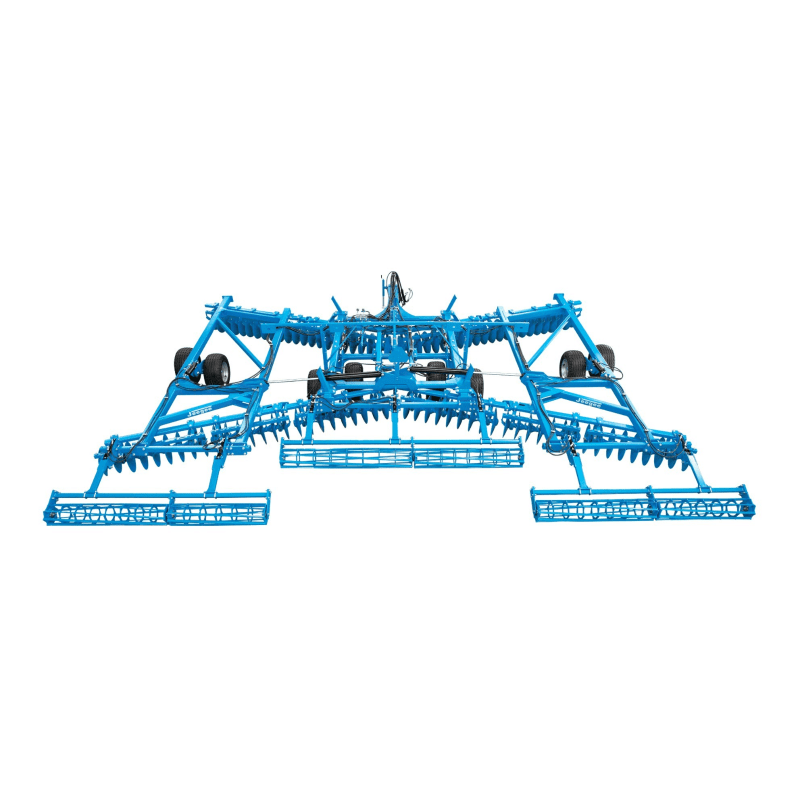
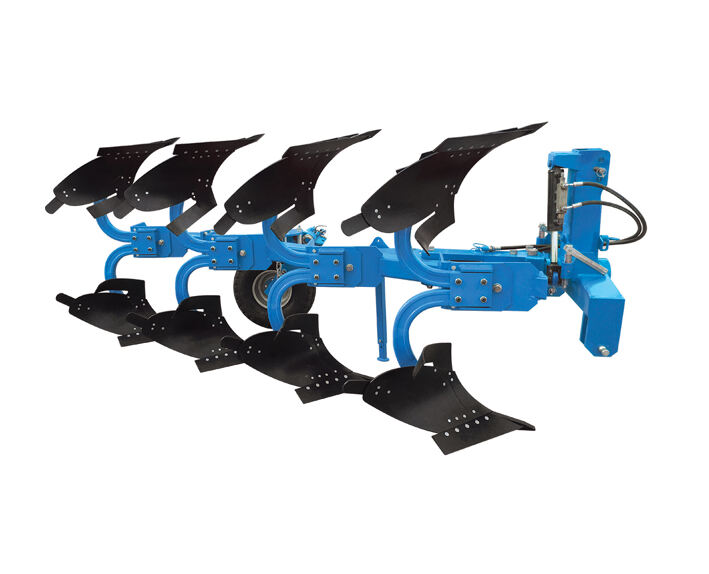
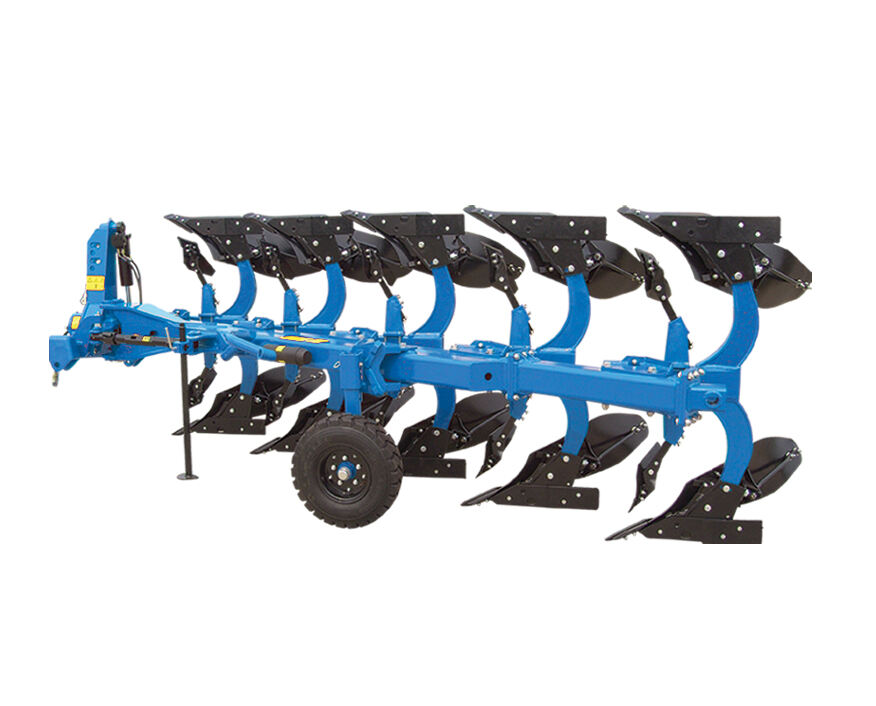
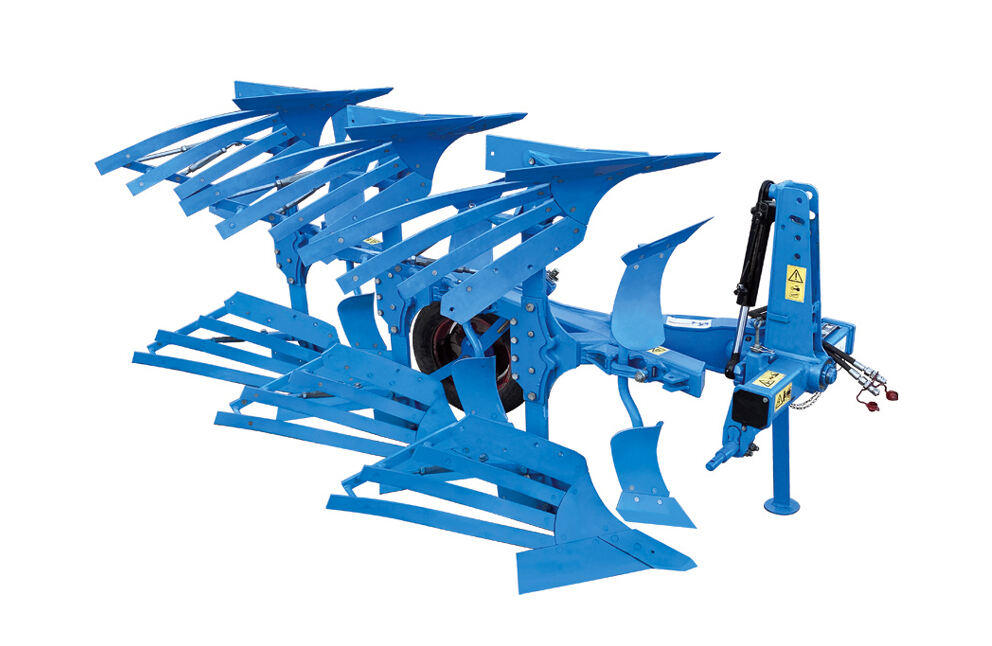
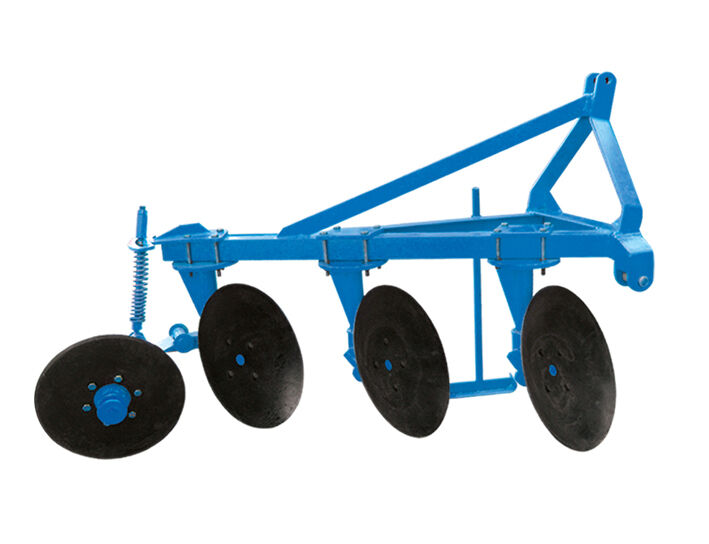
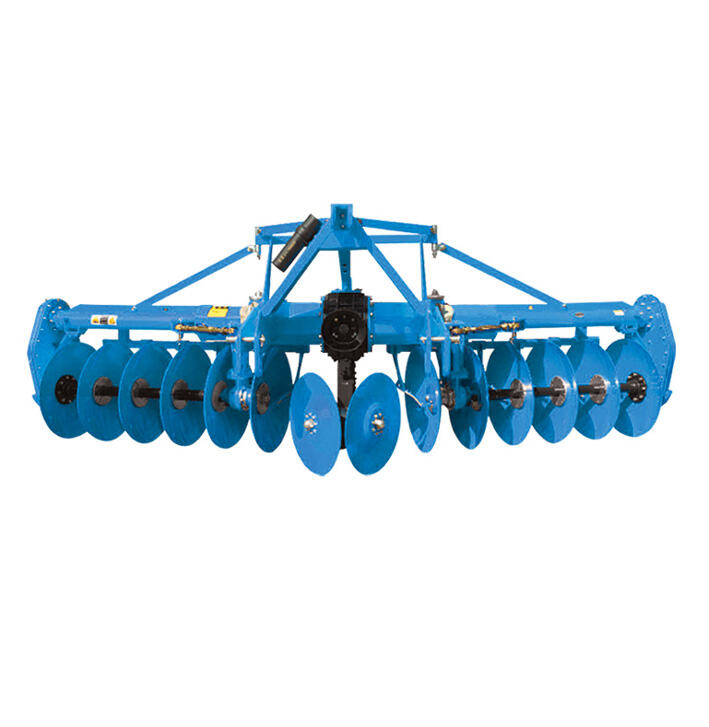
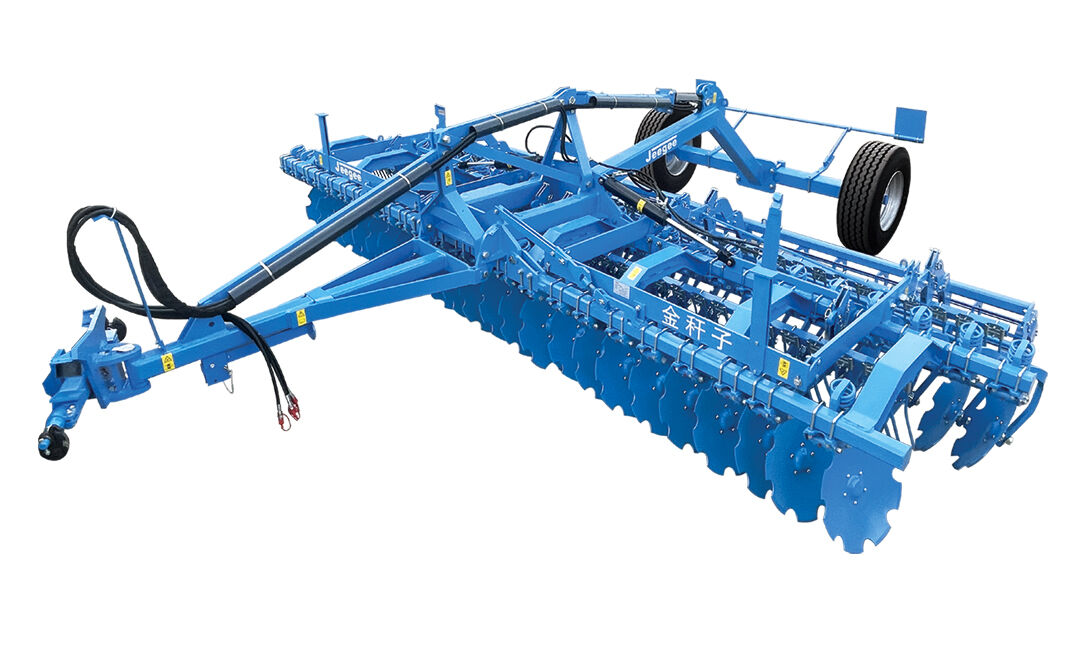
Harrowing equipment represents an essential agricultural tool designed to refine soil structure after primary tillage operations. This versatile machinery breaks down clumps, levels the ground surface, and creates an optimal seedbed for planting. Modern harrowing equipment utilizes strategically positioned tines, discs, or teeth that penetrate the soil at controlled depths, pulverizing compacted earth and incorporating crop residues. The primary functions include smoothing plowed fields, eliminating air pockets, controlling weeds at early growth stages, and improving moisture retention by creating a uniform surface layer. Technological features of contemporary harrowing equipment encompass adjustable working widths ranging from compact models suitable for small farms to expansive implements spanning over thirty feet for commercial operations. Many units incorporate hydraulic depth control systems that allow operators to adjust penetration levels on-the-go, responding to varying soil conditions across different field zones. Advanced models feature spring-loaded tines that automatically adjust pressure when encountering obstacles like rocks or roots, preventing damage while maintaining consistent soil engagement. Frame construction typically utilizes high-strength steel alloys that withstand the mechanical stresses of field operations while minimizing overall weight for improved fuel efficiency. Applications of harrowing equipment extend across diverse agricultural scenarios, from preparing vegetable gardens and pastures to conditioning large-scale grain production fields. Farmers deploy this machinery before seeding operations to establish ideal germination conditions, after broadcasting fertilizers to incorporate nutrients into the root zone, and following harvest to manage residue and prepare fields for subsequent crops. The equipment proves particularly valuable in organic farming systems where mechanical weed suppression replaces chemical herbicides. Livestock operations utilize harrowing equipment to distribute manure evenly and break up matted vegetation in grazing areas, promoting uniform grass regrowth and pasture health.

New Product Recommendations

The advantages of harrowing equipment deliver tangible benefits that directly impact farming profitability and operational efficiency. First and foremost, this machinery dramatically reduces the time required to prepare fields for planting compared to manual methods. What might take weeks using hand tools can be accomplished in hours with appropriate harrowing equipment, allowing farmers to capitalize on optimal planting windows and weather conditions. This time efficiency translates into labor cost savings, as fewer workers are needed to cover extensive acreage. The equipment creates superior seedbeds by producing a fine, uniform soil texture that promotes consistent seed-to-soil contact. This enhanced contact improves germination rates significantly, often increasing crop emergence by fifteen to twenty-five percent compared to poorly prepared fields. Better germination means more productive plants per acre and ultimately higher yields at harvest time. Fuel efficiency represents another practical advantage, particularly for modern harrowing equipment designed with aerodynamic profiles and optimized weight distribution. These implements require less tractor horsepower to pull through fields, reducing diesel consumption and operating expenses. Farmers working on tight margins appreciate this fuel economy, especially when preparing hundreds of acres each season. The weed control benefits cannot be overstated, as harrowing equipment uproots young weeds before they establish deep root systems or compete with crops for nutrients and water. This mechanical control method reduces dependency on expensive herbicides, lowering input costs while addressing growing consumer demand for reduced chemical usage. Environmental benefits extend beyond chemical reduction to include improved water management. The leveled surface created by harrowing equipment prevents water pooling and promotes even moisture distribution throughout fields. This uniformity helps crops access water more consistently, reducing stress during dry periods and minimizing waterlogging risks during heavy rainfall. Soil aeration constitutes another valuable advantage, as the tines or discs create channels that allow oxygen to penetrate deeper into the root zone. Enhanced oxygen availability supports beneficial microorganism populations and promotes robust root development. Equipment versatility adds further value, as most harrowing equipment accommodates various attachments and configurations. Farmers can adjust settings for different crops, soil types, and seasonal conditions without investing in multiple specialized machines. This adaptability maximizes return on investment and ensures the equipment remains useful across diverse farming operations. Maintenance requirements remain relatively modest compared to complex machinery, with straightforward designs that farmers can service using basic tools and readily available replacement parts. This simplicity minimizes downtime and keeps equipment operational throughout critical farming periods.

Practical Tips

What Is a Tiller Cultivator and How Does It Work in Soil Preparation?

07

Jul

What Is a Tiller Cultivator and How Does It Work in Soil Preparation?

What Is a Tiller Cultivator? Definition and Core Purpose Defining Tiller Cultivator Machinery Tiller cultivators are those garden gadgets specifically made to get soil ready before planting stuff. They have these spinning tines that dig into packed...
View More
How Does a Reversible Plough Help in Reducing Soil Compaction During Tillage?

07

Jul

How Does a Reversible Plough Help in Reducing Soil Compaction During Tillage?

Understanding Soil Compaction Challenges in Modern Agriculture The Science Behind Soil Compaction Formation When soil gets compacted, it becomes a real problem for farming operations. Basically, what happens is the soil particles get pushed too clo...
View More
How Do You Properly Calibrate a Reversible Plough for Optimal Tillage Depth?

27

Aug

How Do You Properly Calibrate a Reversible Plough for Optimal Tillage Depth?

Mastering Precision Tillage Through Expert Plough Setup Agricultural success begins with proper soil preparation, and at the heart of this crucial task lies reversible plough calibration. Whether you're working with heavy clay soils or lighter loamy ...
View More
How to Choose a Reversible Plough for Modern Farming

13

Mar

How to Choose a Reversible Plough for Modern Farming

Revolutionary Advancements in Modern Agricultural Machinery The agricultural landscape has witnessed remarkable transformations over the decades, with the reversible plough standing as a testament to engineering excellence in farming technology. Thes...
View More

Get a Free Quote

Our representative will contact you soon.
Email
Name
Company Name
Message
0/1000

harrowing equipment

Precision Depth Control for Optimal Soil Conditioning

Precision Depth Control for Optimal Soil Conditioning

Modern harrowing equipment incorporates sophisticated depth control mechanisms that empower farmers to achieve precise soil conditioning tailored to specific crop requirements and field conditions. This technological advancement represents a quantum leap from traditional fixed-depth implements, offering unprecedented flexibility in field preparation strategies. The hydraulic depth adjustment systems featured in contemporary harrowing equipment allow operators to modify working depth instantaneously from the tractor cab, responding to real-time soil variations without interrupting field operations. This capability proves especially valuable when traversing fields with heterogeneous soil compositions, where sandy patches require shallower engagement while clay-rich areas benefit from deeper penetration. The precision depth control ensures uniform soil treatment across entire fields, eliminating the inconsistencies that plague crop establishment when using conventional equipment. Farmers preparing seedbeds for delicate vegetable crops can set shallow working depths that gently crumble surface soil without disturbing deeper layers where moisture reserves accumulate. Conversely, those conditioning heavy clay soils after plowing can program deeper penetration that breaks stubborn clods and creates the loose structure necessary for root development. The electronic monitoring systems integrated with advanced harrowing equipment provide continuous feedback about actual working depth, alerting operators when adjustments drift from target settings due to terrain changes or soil resistance variations. This monitoring capability eliminates guesswork and ensures consistent results regardless of operator experience levels. The spring-loaded tine assemblies common in premium harrowing equipment complement hydraulic controls by automatically compensating for ground contours and obstacles. Individual tines flex independently when encountering rocks or compacted zones, maintaining optimal soil engagement without transferring destructive shock loads to the implement frame. This intelligent responsiveness protects both the equipment and the soil structure, preventing the creation of hardpan layers that impede water infiltration and root penetration. The commercial advantages of precision depth control extend beyond improved seedbed quality to encompass significant economic benefits. Precise depth management reduces unnecessary soil disturbance, conserving fuel and minimizing wear on both harrowing equipment and tractor components. Farmers report fuel savings ranging from twelve to eighteen percent when utilizing depth control features compared to operating at fixed maximum depths throughout entire fields. These savings accumulate substantially over seasons, contributing meaningfully to bottom-line profitability while reducing environmental impacts associated with excessive fuel consumption.
Durability Engineering for Extended Service Life

Durability Engineering for Extended Service Life

The construction quality and materials engineering of professional-grade harrowing equipment delivers exceptional longevity that justifies initial investment costs through decades of reliable field performance. Manufacturers utilize advanced metallurgy and structural design principles to create implements that withstand the punishing mechanical stresses inherent in agricultural operations while maintaining dimensional accuracy and functional integrity. High-carbon steel alloys form the foundation of premium harrowing equipment frames, selected specifically for their superior strength-to-weight ratios and fatigue resistance characteristics. These materials endure millions of stress cycles as tines encounter rocks, roots, and compacted soil without developing the microfractures that lead to catastrophic failures in inferior equipment. The frame geometries incorporate engineering principles that distribute loads evenly across structural members, eliminating stress concentration points where cracks typically initiate. Reinforcement gussets at critical joints add redundant load paths that prevent single-point failures, ensuring the implement remains functional even if individual components sustain damage during normal use. The tines or working elements receive particular attention in durability engineering, as these components experience direct interaction with abrasive soil particles and repeated impact loads. Premium harrowing equipment features heat-treated tines manufactured from tool steel alloys that maintain sharp edges and precise geometry throughout extended service periods. The heat treatment processes create surface hardness that resists wear while preserving core toughness that prevents brittle fracture when striking obstacles. Replaceable wear points on tines and shanks allow farmers to restore working performance economically without discarding entire assemblies, reducing long-term ownership costs substantially. Bearing assemblies and pivot points incorporate sealed units with lifetime lubrication, eliminating maintenance requirements while preventing contamination from dust and moisture that would otherwise accelerate wear. The protective coatings applied to harrowing equipment frames provide additional durability benefits by preventing corrosion that weakens structural integrity and creates maintenance burdens. Advanced powder coating processes create uniform protective layers that bond chemically with underlying metal surfaces, resisting chipping and abrasion far better than conventional paint finishes. These coatings withstand exposure to fertilizers, herbicides, and manure without deteriorating, maintaining equipment appearance and value throughout ownership periods. The economic implications of durability engineering resonate strongly with practical farmers who calculate total cost of ownership rather than focusing solely on purchase prices. Harrowing equipment built to professional standards typically provides twenty to thirty years of productive service with routine maintenance, amortizing initial costs to negligible amounts per acre treated. This longevity contrasts sharply with economy-grade implements that require replacement after five to seven years, ultimately costing more while delivering inferior performance throughout their abbreviated service lives.
Versatile Configuration Options for Diverse Agricultural Applications

Versatile Configuration Options for Diverse Agricultural Applications

The adaptability of modern harrowing equipment to accommodate varied farming operations and crop types represents a compelling value proposition that maximizes utility across seasonal cycles and changing agricultural strategies. This versatility eliminates the need for multiple specialized implements, consolidating field preparation capabilities into single platforms that reduce equipment inventories and capital requirements. Contemporary harrowing equipment features modular designs that accept interchangeable working elements suited to specific tasks and soil conditions. Farmers can swap spike tooth assemblies for spring tine arrays in minutes, transforming aggressive clod-breaking configurations into gentle finishing setups appropriate for final seedbed preparation. This component interchangeability extends equipment usefulness across diverse crops with differing soil preparation requirements, from deep conditioning needed for root vegetables to minimal disturbance preferred for no-till grain production. Adjustable working widths constitute another versatility dimension, with folding wing sections that expand implements to cover maximum acreage during main field operations while retracting to narrow profiles for transport on public roads and maneuvering through gates or around obstacles. Hydraulic folding mechanisms operate quickly and reliably, allowing transitions between field and transport configurations without manual labor or time-consuming adjustments. Some advanced harrowing equipment incorporates variable section control that allows operators to deactivate individual segments when working irregular field boundaries or around obstacles, preventing unnecessary soil disturbance and equipment wear. The attachment compatibility designed into quality harrowing equipment expands functionality beyond basic harrowing to encompass combined operations that accomplish multiple tasks in single field passes. Farmers commonly mount broadcast seeders behind harrowing equipment to simultaneously prepare seedbeds and plant cover crops, reducing fuel consumption and soil compaction while improving operational efficiency. Roller attachments can follow harrowing sections to firm seedbeds and improve seed-soil contact, further consolidating operations and reducing the number of trips required across fields. This operational consolidation proves especially valuable during narrow planting windows when weather conditions permit only limited field access. The economic advantages of versatile harrowing equipment manifest through improved asset utilization and reduced capital tied up in underutilized specialized machinery. A single versatile implement used throughout growing seasons generates better returns than multiple single-purpose machines that sit idle most of the year while still requiring storage space, insurance coverage, and maintenance attention. Farmers operating diversified cropping systems particularly benefit from this versatility, as they can adapt harrowing equipment configurations to match weekly task requirements without maintaining extensive implement inventories. The resale value of versatile harrowing equipment remains strong because potential buyers recognize the adaptability that allows implements to serve diverse operations, broadening the market for used equipment and protecting initial investments.

Get a Free Quote

Our representative will contact you soon.
Email
Name
Company Name
Message
0/1000