rotary disc harrow
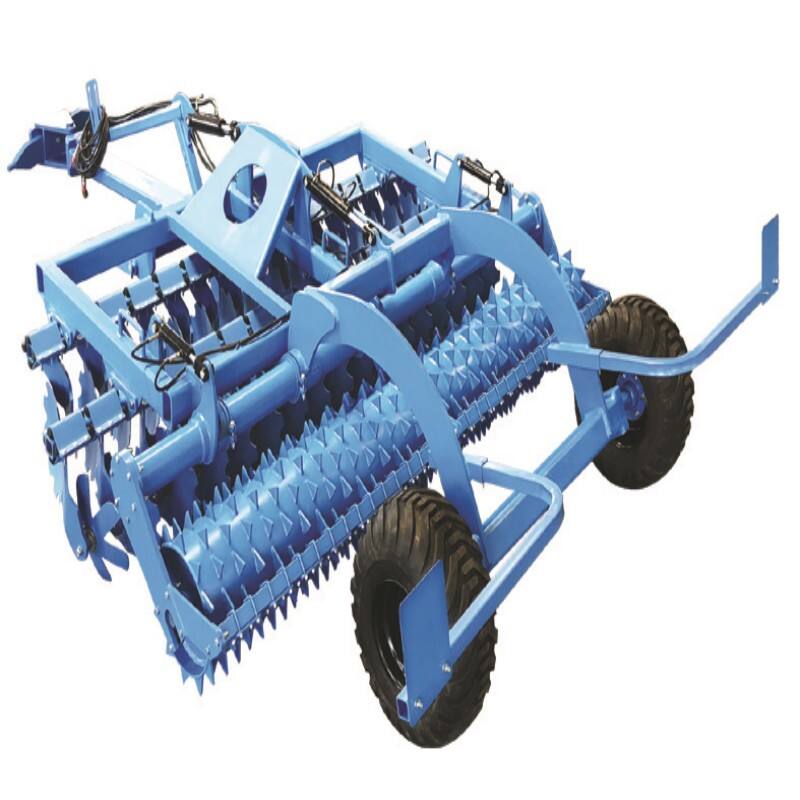
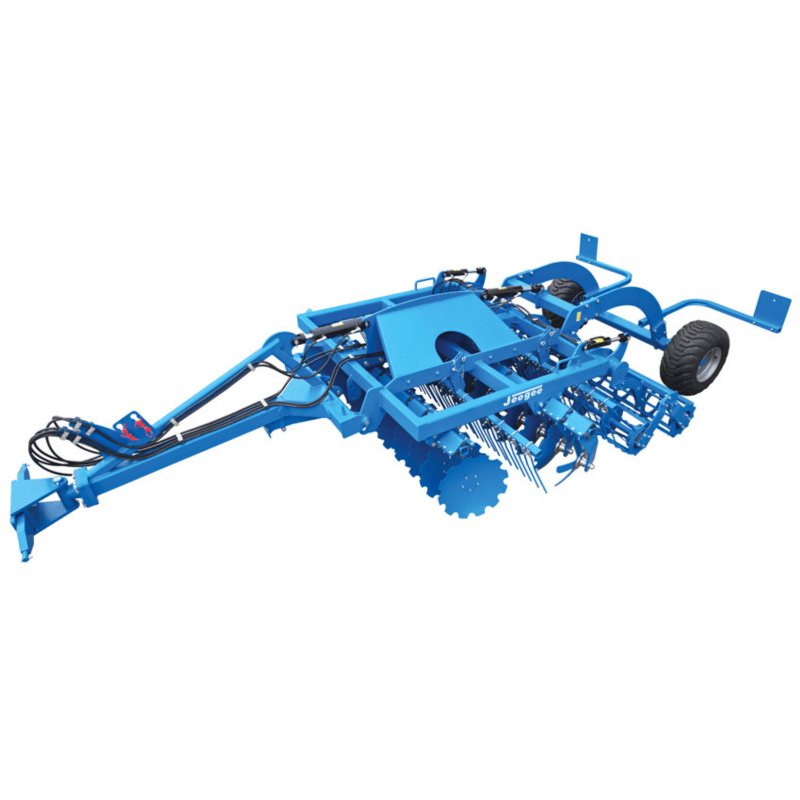
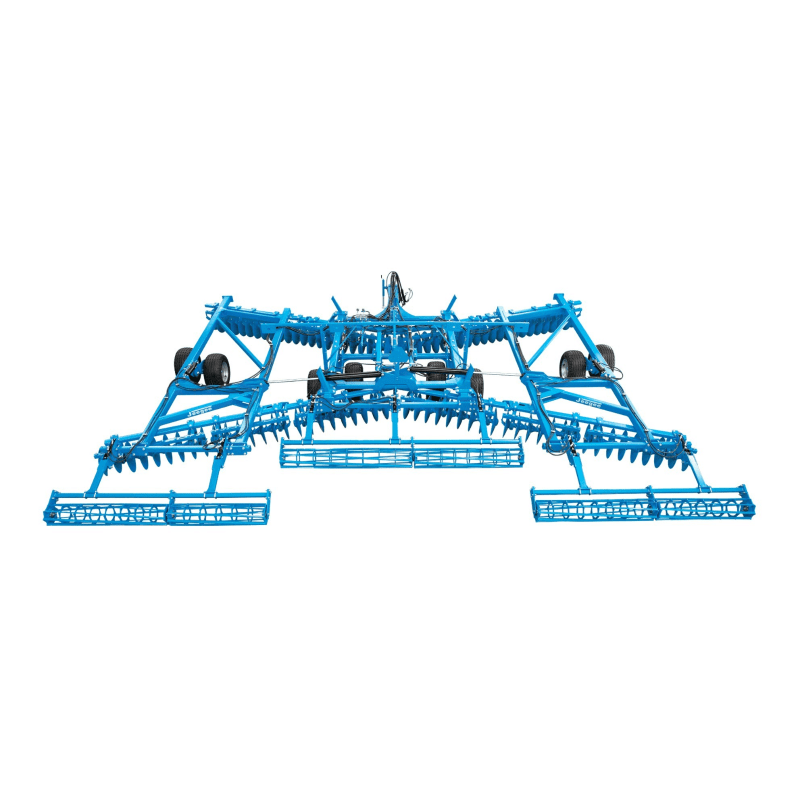
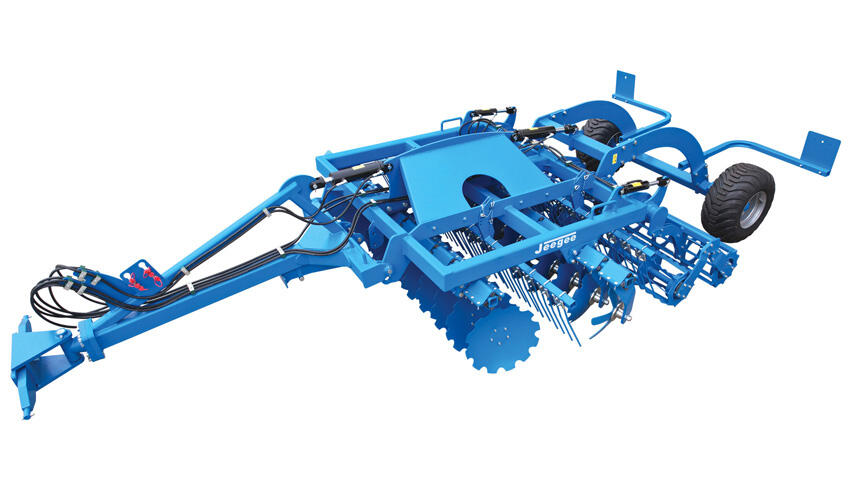
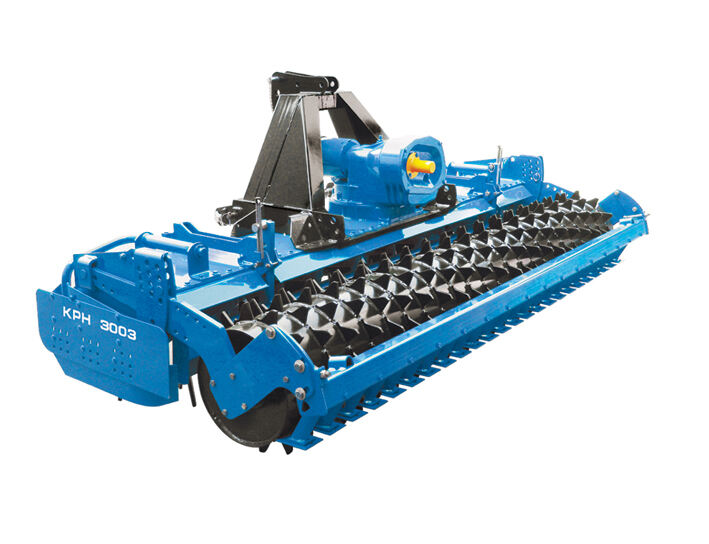
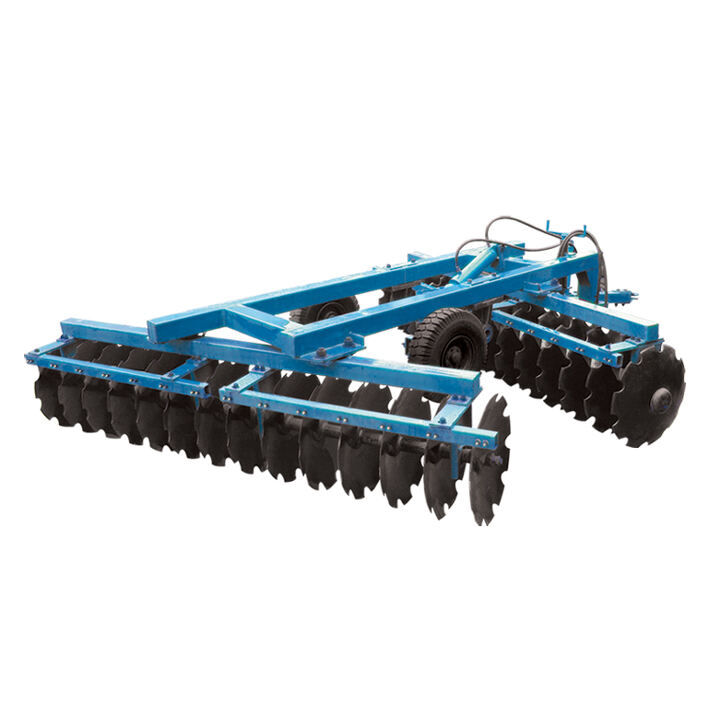
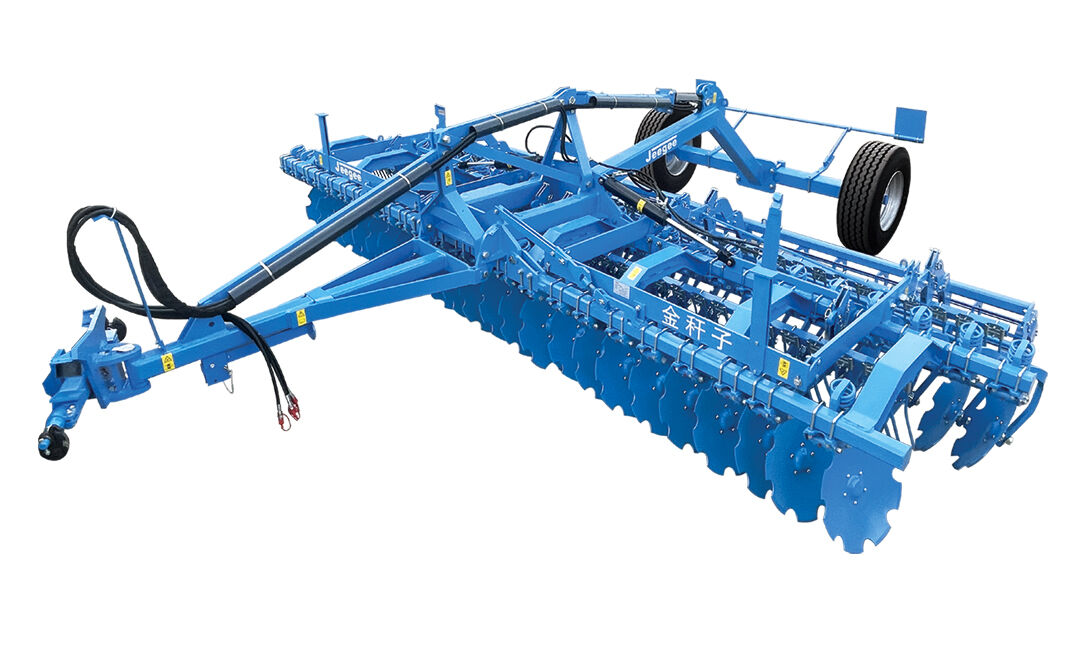
The rotary disc harrow represents a sophisticated agricultural implement designed to prepare seedbeds with exceptional efficiency and precision. This versatile equipment combines rotating discs mounted on a horizontal shaft to break up soil clods, incorporate crop residues, and create an ideal planting surface for various crops. Unlike traditional tillage tools, the rotary disc harrow operates through a powered rotation mechanism that delivers consistent soil fragmentation across diverse field conditions. The implement features multiple gangs of concave or flat discs arranged strategically to achieve optimal soil mixing and leveling in a single pass. Modern rotary disc harrow units integrate adjustable depth control systems, allowing operators to customize working depths from shallow surface preparation to deeper soil incorporation tasks. The machine excels at managing post-harvest residue, effectively chopping and mixing plant material into the topsoil layer to accelerate decomposition and nutrient recycling. Agricultural producers rely on this implement for secondary tillage operations following primary cultivation, transforming rough plowed ground into smooth, uniform seedbeds ready for planting. The rotary disc harrow demonstrates remarkable adaptability across soil types, from light sandy loams to heavy clay compositions, maintaining consistent performance where conventional harrows might struggle. Its design incorporates robust bearings and heavy-duty construction to withstand the demanding forces encountered during field operations, ensuring longevity and minimal maintenance requirements. The implement typically connects to tractors via standard three-point hitch systems, making it compatible with a wide range of farm power units. Farmers appreciate the rotary disc harrow for its ability to reduce the number of field passes required for seedbed preparation, thereby conserving fuel, reducing soil compaction, and accelerating planting schedules. This equipment proves particularly valuable in conservation tillage systems where residue management and minimal soil disturbance are priorities for sustainable agriculture practices.
 EN
EN