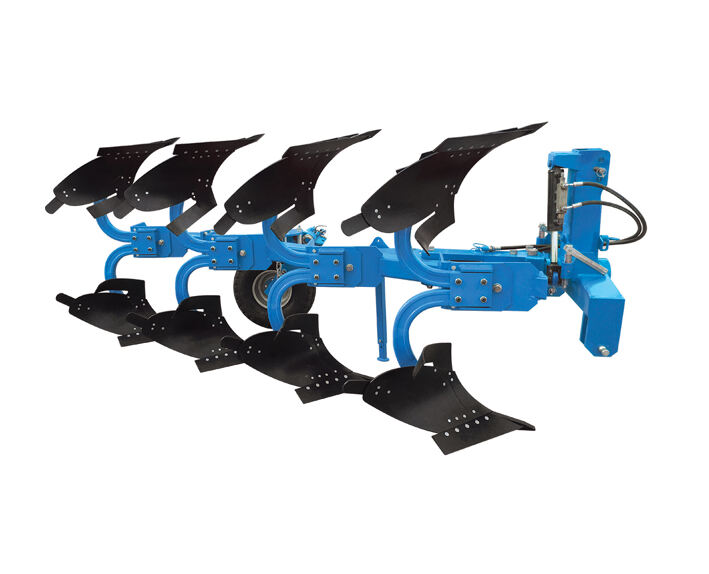
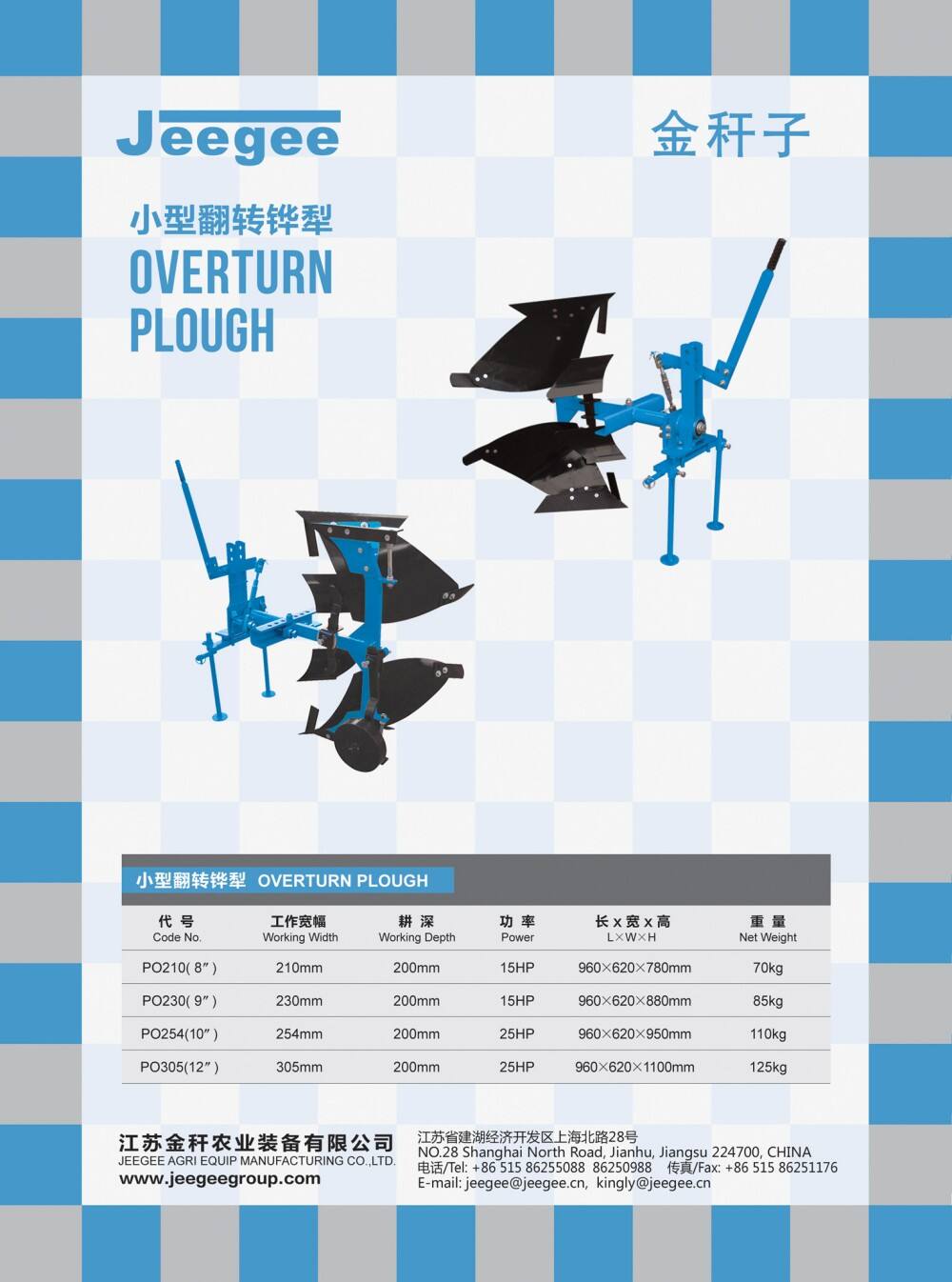
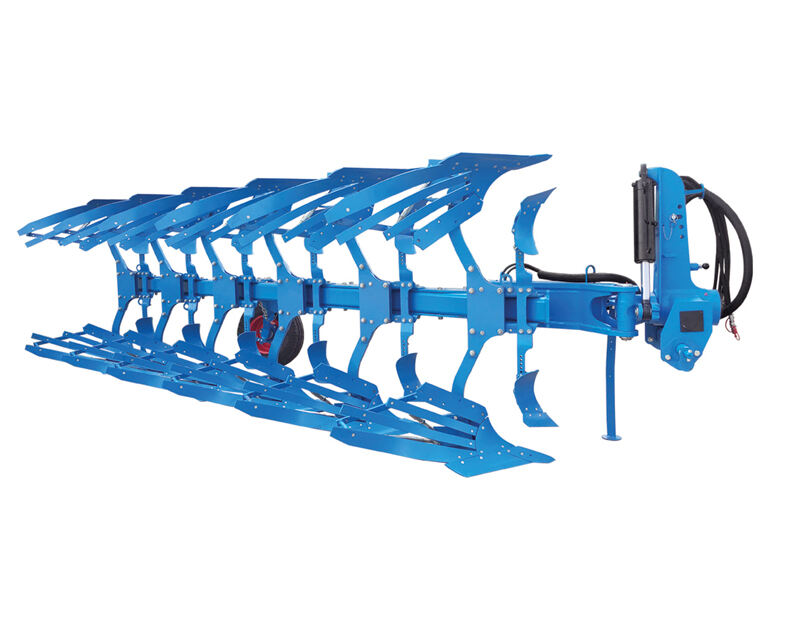
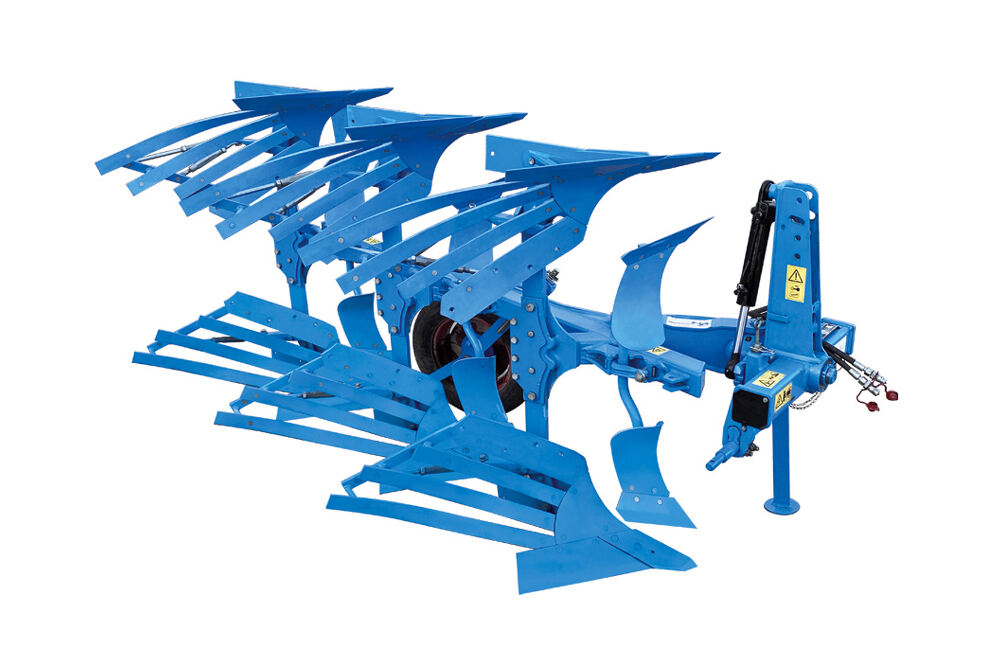
Exceptional Versatility Across Diverse Agricultural Applications
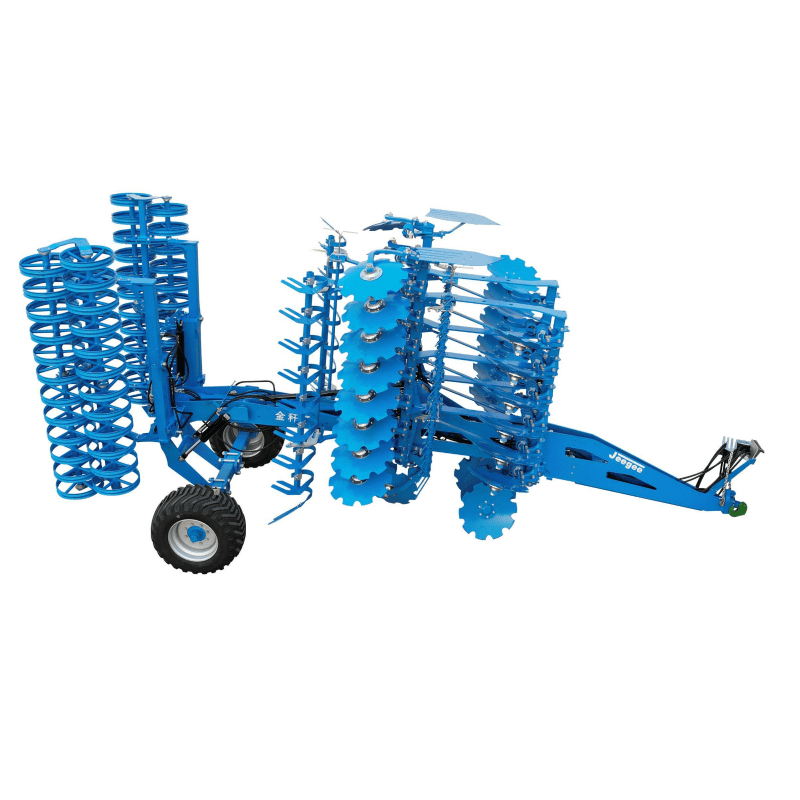
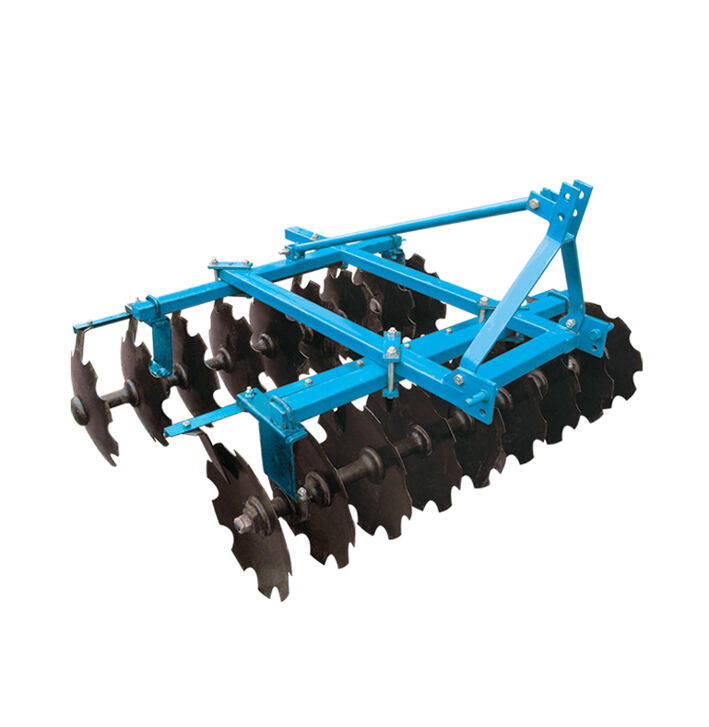
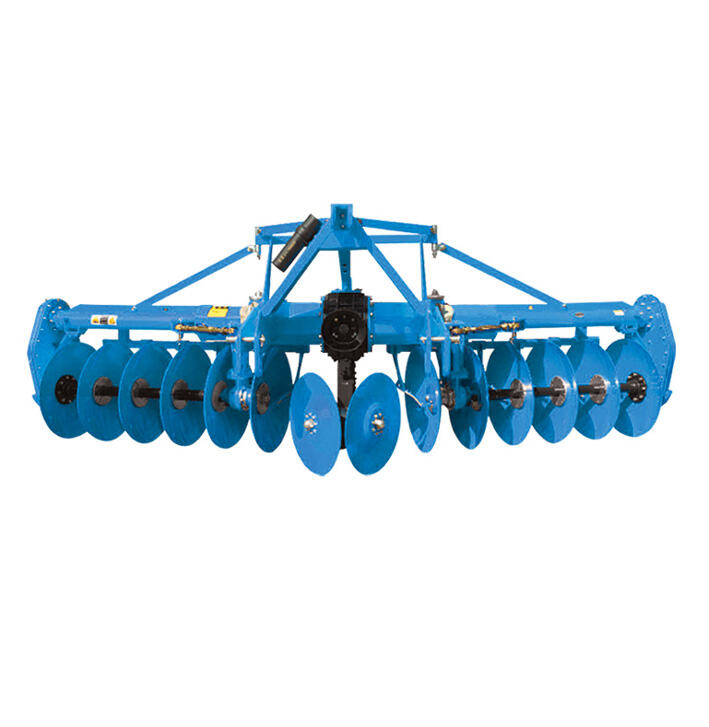
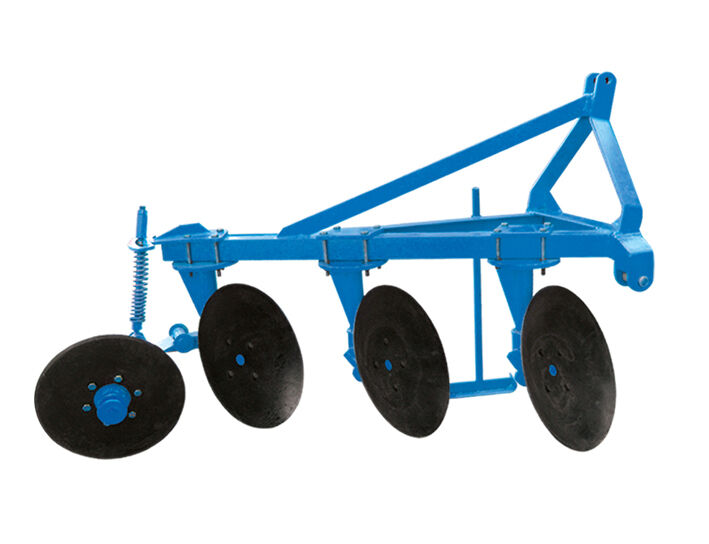
The harrow tiller distinguishes itself through remarkable adaptability to varied farming contexts, soil conditions, and agricultural purposes, making it genuinely valuable across different production systems and operational scales. This versatility begins with adjustable working parameters that allow operators to customize performance for specific tasks and field conditions. Depth control mechanisms enable shallow surface work at two to three inches for seedbed finishing or incorporation of broadcast fertilizers, moderate depths around six inches for standard cultivation and weed control, or aggressive deep working up to twelve inches for breaking compaction or incorporating heavy organic amendments. This range accommodates everything from delicate vegetable seedbed preparation to robust pasture renovation projects using the same implement. The harrow tiller performs effectively across soil texture classifications, proving equally capable in light sandy soils, balanced loam compositions, and heavier clay ground that challenges many tillage implements. The rotating tine action adapts naturally to soil resistance, breaking clay clods that would simply push ahead of static implements while avoiding the excessive pulverization that can harm soil structure. Moisture tolerance represents another versatility dimension, as the harrow tiller operates acceptably in slightly damp conditions where disc harrows would ball up with mud and field cultivators would smear improperly. This broader operational window provides flexibility in scheduling field work around unpredictable weather patterns. Application diversity extends the harrow tiller's utility throughout the agricultural calendar rather than limiting use to brief seasonal periods. Spring seedbed preparation represents the primary application, creating optimal planting conditions for corn, soybeans, cereals, vegetables, and numerous other crops. Summer applications include inter-row cultivation for weed control in widely spaced crops, seedbed preparation for successive plantings in market garden operations, and incorporation of side-dressed nutrients. Autumn tasks encompass cover crop establishment, incorporation of crop residues and organic amendments, and preparation for fall-planted crops such as winter wheat or garlic. The implement proves equally valuable in specialized contexts including vineyard floor management, orchard alley maintenance, berry farm preparation, turf establishment, wildlife food plot creation, and hobby farm operations. Organic farming systems particularly benefit from the harrow tiller's mechanical weed control capabilities, which provide chemical-free alternatives for managing competitive vegetation. The equipment scales appropriately from compact models suitable for small market gardens and hobby farms to heavy-duty commercial versions handling extensive acreages efficiently. This comprehensive versatility means the harrow tiller earns its place in equipment fleets through consistent utility rather than sitting idle except for narrow specialized tasks, maximizing return on investment and justifying purchase decisions across diverse agricultural enterprises.
 EN
EN