Tractor Disc Harrow - Essential Soil Preparation Equipment for Modern Farming

+86-13615166566
All Categories

tractor disc harrow

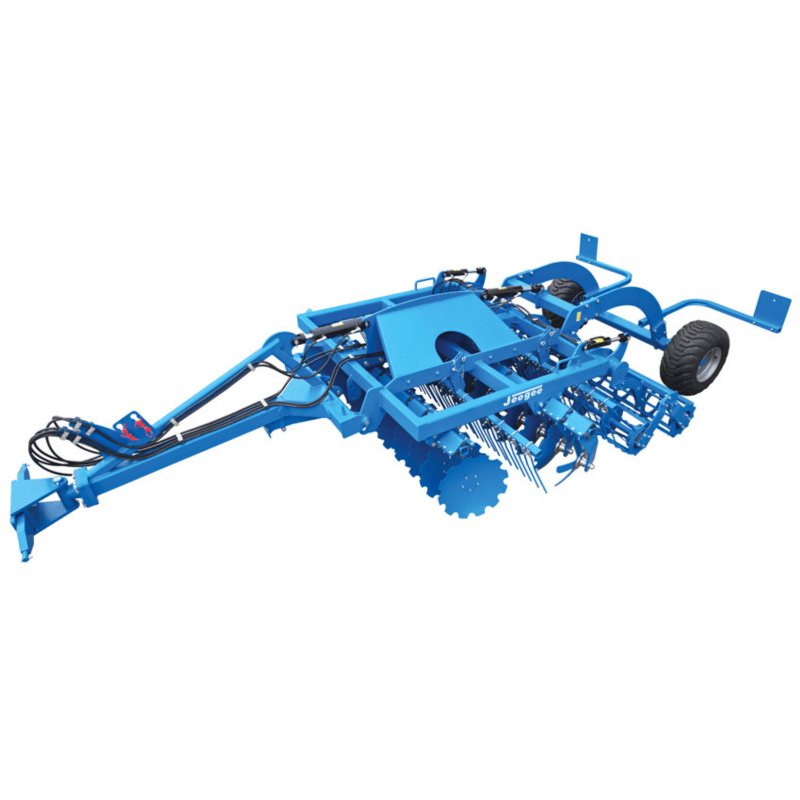
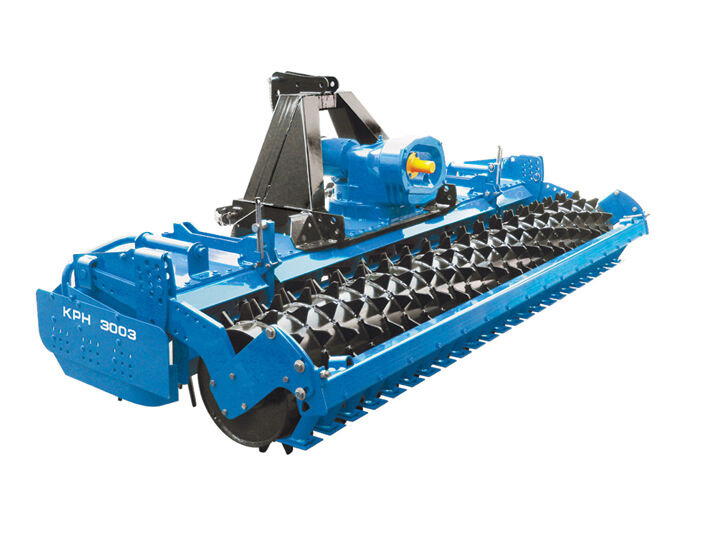
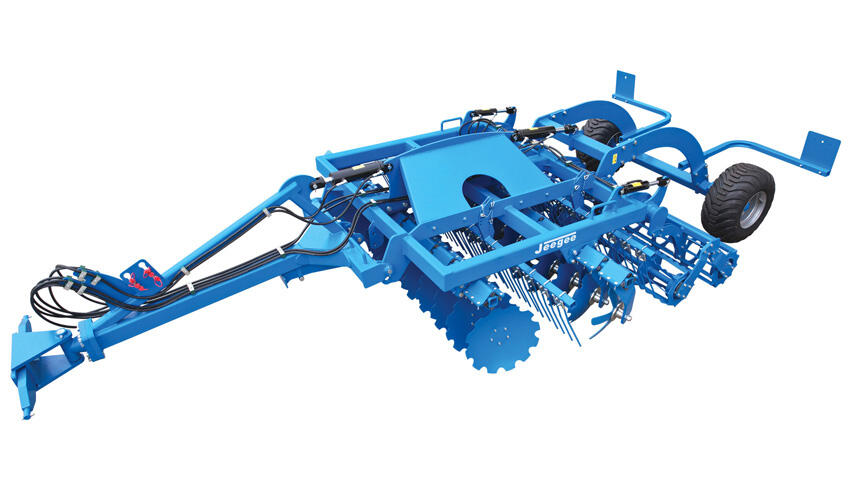
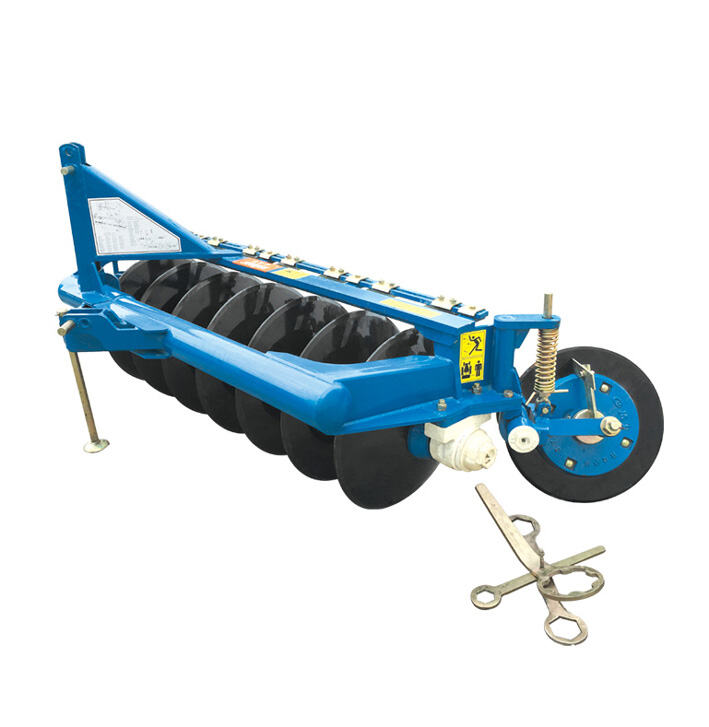
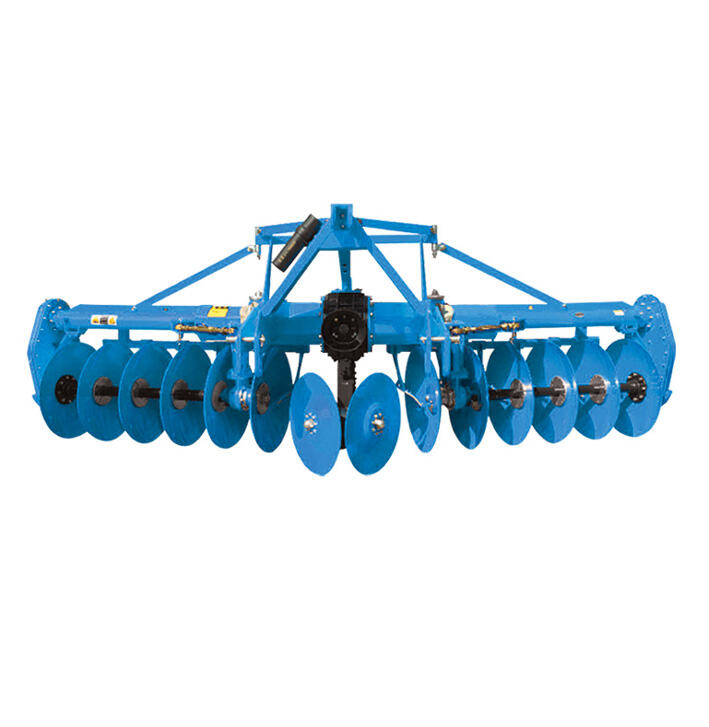
The tractor disc harrow stands as an essential agricultural implement designed to prepare soil for planting by breaking up clods, smoothing surfaces, and incorporating crop residues into the earth. This versatile equipment attaches directly to tractors of various horsepower ratings, making it accessible for farming operations ranging from small family farms to large commercial enterprises. The primary mechanism consists of multiple gangs of concave metal discs mounted on a sturdy frame, with each disc positioned at a specific angle to cut through soil effectively. When pulled across fields, these rotating discs slice through compacted earth, turning and mixing soil layers to create an optimal seedbed environment. The tractor disc harrow performs multiple functions simultaneously, including weed control, moisture retention improvement, and residue management. Modern versions incorporate advanced technological features such as adjustable disc angles, hydraulic depth control systems, and reinforced bearing assemblies that withstand harsh field conditions. The equipment typically includes weight boxes that allow operators to add ballast for improved penetration in harder soils. Frame construction utilizes heavy-duty steel to ensure longevity under demanding agricultural conditions. Maintenance points are strategically positioned for easy access, reducing downtime and extending operational lifespan. The disc harrow's versatility extends across various soil types, from sandy loam to heavy clay, making it adaptable to diverse geographical regions. Farmers utilize this implement during multiple stages of crop production, including post-harvest field preparation, pre-planting seedbed finishing, and mid-season weed suppression. The spacing between disc gangs and individual discs can be customized based on specific tillage requirements. Transportation features such as fold-up wings or removable sections facilitate movement between fields and storage. The tractor disc harrow represents a time-tested solution that combines traditional farming wisdom with contemporary engineering advancements, delivering consistent performance season after season while contributing to sustainable soil management practices that preserve agricultural productivity for future generations.

New Products

Choosing a tractor disc harrow for your farming operation brings numerous practical benefits that directly impact your bottom line and operational efficiency. First and foremost, this implement saves considerable time compared to manual soil preparation methods or less efficient equipment. A single pass with a properly configured disc harrow can accomplish what might take multiple passes with other tools, reducing fuel consumption and labor hours. The equipment works at speeds that allow you to cover more acres per day, which becomes critical during narrow planting windows when weather conditions demand quick action. The cost-effectiveness of owning a tractor disc harrow becomes apparent over time, as the durable construction requires minimal replacement parts and the straightforward design simplifies repairs that you can often perform yourself without specialized technicians. Your investment pays dividends through improved crop establishment, as the disc harrow creates uniform seedbeds that promote consistent germination and early plant growth. Better soil structure resulting from proper harrowing leads to improved water infiltration, which means rainfall and irrigation penetrate effectively rather than running off, maximizing moisture availability to your crops. The implement excels at managing previous crop residues by cutting and incorporating stalks, leaves, and roots into the soil where they decompose and contribute organic matter, enriching soil fertility naturally. You gain flexibility in your tillage program because the disc harrow adapts to various field conditions through adjustable settings, allowing you to work in spring when soils are moderately moist or during drier fall conditions. The equipment requires only a mid-range tractor to operate effectively, eliminating the need for excessive horsepower that drives up equipment costs and fuel expenses. Maintenance demands remain reasonable, with primary attention focused on keeping bearings greased and replacing worn discs at intervals that depend on your soil type and usage intensity. The disc harrow integrates seamlessly into conservation tillage systems, where reducing soil disturbance matters, by providing sufficient soil-to-seed contact without excessive inversion. Your ability to control working depth precisely means you avoid bringing weed seeds from lower soil layers to the surface where they would germinate and compete with crops. The implement's leveling action eliminates high spots and fills depressions, creating fields that drain properly and allow machinery to operate efficiently during planting and harvesting. Physical conditioning from harrowing breaks up surface crusts that form after heavy rains, preventing seedling emergence problems. You experience reduced soil compaction issues compared to heavier tillage equipment because the disc harrow distributes weight across multiple points rather than concentrating pressure. The versatility extends beyond crop production into pasture renovation, where the disc harrow prepares ground for overseeding without destroying existing vegetation completely. Operational simplicity means new employees quickly learn proper usage, reducing training time and improving workforce flexibility during peak seasons when multiple tasks demand attention simultaneously.

Tips And Tricks

How Does a Tiller Cultivator Help in Weed Control and Soil Aeration?

07

Jul

How Does a Tiller Cultivator Help in Weed Control and Soil Aeration?

What is a Tiller Cultivator? Tiller cultivators are those machines farmers use to break up and turn over soil before planting crops. The spinning metal teeth on these machines work their way through the ground, creating loose soil beds that make ae...
View More
What Are the Key Differences Between a Tiller and a Cultivator?

07

Jul

What Are the Key Differences Between a Tiller and a Cultivator?

Defining Tillers vs Cultivators: Core Functions Tiller Purpose: Breaking Compacted Soil Tillers serve as important garden tools made to tackle tough, packed soil and turn it into something plants can actually grow in. These machines come with stron...
View More
What Are the Most Common Problems Encountered When Using a Plough and How to Fix Them?

27

Aug

What Are the Most Common Problems Encountered When Using a Plough and How to Fix Them?

Essential Guide to Troubleshooting Agricultural Plough Issues Agricultural success heavily depends on proper ploughing techniques and equipment maintenance. While ploughs are fundamental tools in farming, they can present various challenges that impa...
View More
Tiller Cultivator Maintenance: Essential Care Tips

20

Oct

Tiller Cultivator Maintenance: Essential Care Tips

Maximizing Your Garden Equipment's Lifespan Through Proper Care A well-maintained tiller cultivator is the cornerstone of efficient gardening and soil preparation. These versatile machines transform tough soil into perfectly prepared growing beds, bu...
View More

Get a Free Quote

Our representative will contact you soon.
Email
Name
Company Name
Message
0/1000

tractor disc harrow

Superior Soil Conditioning for Optimal Crop Establishment

Superior Soil Conditioning for Optimal Crop Establishment

The tractor disc harrow delivers exceptional soil conditioning capabilities that create ideal environments for seed germination and early crop development. This fundamental benefit stems from the implement's unique design, which employs curved discs that slice through soil at predetermined angles, creating a shearing action that pulverizes clods into finer particles. The resulting tilth exhibits the perfect balance between firmness and looseness, providing seeds with intimate soil contact necessary for moisture absorption while maintaining adequate pore spaces for oxygen circulation around developing roots. Farmers who utilize this equipment notice markedly improved stand establishment, with seedlings emerging uniformly across fields rather than in patchy patterns that characterize poorly prepared seedbeds. The disc configuration allows operators to adjust aggression levels by changing disc angles or adding weight, tailoring soil conditioning intensity to match specific soil textures and moisture conditions at the time of operation. Clay soils that tend to form hard clods benefit from multiple gang arrangements that progressively reduce particle size with each successive gang, while lighter sandy soils receive gentler treatment that preserves structure without creating excessive pulverization that would increase wind erosion susceptibility. The implement's ability to work at consistent depths ensures uniform soil treatment across entire fields, eliminating the variability that occurs with inconsistent tillage. This consistency translates directly into even crop maturation, simplifying harvest timing decisions and improving grain quality uniformity. The mixing action generated by overlapping disc paths incorporates surface-applied fertilizers and amendments throughout the working depth, positioning nutrients where developing roots can access them efficiently. Residue management represents another critical aspect of soil conditioning, as the sharp disc edges cut through tough stalks and vines that might otherwise interfere with planting equipment or create air pockets beneath seeds. By chopping and partially burying these materials, the disc harrow initiates decomposition processes that eventually return nutrients to the soil system. The implement prevents residue from matting on the surface, which can delay soil warming in spring and create favorable environments for pests and diseases. Proper soil conditioning with a tractor disc harrow also addresses surface roughness that could cause water pooling or rapid runoff, instead creating micro-relief patterns that slow water movement and increase infiltration time. These benefits compound over seasons, as improved soil structure becomes progressively easier to manage with each successive year of appropriate harrowing practices.
Versatile Performance Across Diverse Agricultural Applications

Versatile Performance Across Diverse Agricultural Applications

The remarkable versatility of the tractor disc harrow makes it an invaluable asset for agricultural operations that demand equipment capable of performing multiple functions throughout different seasons and crop cycles. Unlike specialized implements designed for narrow purposes, this harrow adapts to numerous field tasks, maximizing return on your equipment investment. Primary tillage applications represent one major use category, where the disc harrow follows behind plows or chisel plows to break up large soil chunks and begin the seedbed preparation process. In this role, the implement reduces rough, uneven surfaces into workable conditions that subsequent operations can refine further. Secondary tillage represents equally important applications, where the harrow puts finishing touches on seedbeds immediately before planting, creating the smooth, firm surface that modern planters require for accurate seed placement. Between these primary and secondary uses, the tractor disc harrow serves effectively for incorporating soil amendments, including lime applications that require thorough mixing to neutralize soil acidity throughout the root zone. Organic farmers particularly value the implement's ability to manage cover crops by cutting down standing vegetation and incorporating it into soil where microbial action transforms plant material into available nutrients. This mechanical termination method provides an alternative to chemical desiccation, supporting organic certification requirements. The harrow demonstrates equal proficiency in pasture and hay land management, where periodic discing renovates tired stands by controlling thatch accumulation, disrupting weed root systems, and preparing seedbeds for overseeding improved forage varieties. Farmers managing diverse crop rotations appreciate how the same implement handles corn stalk residue in fall, prepares soybean fields in spring, and manages wheat stubble after summer harvest. The equipment transitions smoothly between crops with different residue characteristics, from the heavy, tough stalks of grain sorghum to the delicate remains of vegetable crops. Custom operators who provide tillage services across multiple farms benefit from versatility that allows them to meet varied client needs with a single implement rather than transporting different tools for each job. The tractor disc harrow also proves valuable for non-crop applications, including seedbed preparation for wildlife food plots, land smoothing for construction sites, and renovation of recreational fields. This multi-purpose capability means the implement remains productive throughout the year rather than sitting idle during off-seasons, improving the financial justification for ownership while ensuring operators develop expertise through frequent use.

Durable Construction Engineered for Long-Term Reliability

Durable Construction Engineered for Long-Term Reliability

The tractor disc harrow incorporates robust construction elements specifically engineered to withstand the extreme stresses of agricultural fieldwork while delivering dependable performance year after year. This durability begins with frame design, where manufacturers utilize heavy-gauge steel beams formed into rigid structures that resist twisting forces encountered when one section of the implement contacts obstacles or harder soil zones while other sections work through normal conditions. Reinforcement plates at critical stress points distribute loads across wider areas, preventing crack formation that would compromise structural integrity. The frame's protective coating, typically high-quality paint or powder coating, shields steel from moisture and chemicals that cause premature corrosion. Disc blades themselves represent engineered components manufactured from high-carbon steel that holds sharp edges through extended use while possessing enough flexibility to absorb shock loads when striking rocks or roots without shattering. Heat treatment processes strengthen the metal crystalline structure, creating discs that resist wear even in abrasive sandy soils or when working fields containing volcanic materials. Bearing assemblies supporting each disc gang utilize sealed designs that exclude contamination while retaining lubrication, with many modern harrows featuring greasable bearings that allow operators to inject fresh lubricant regularly, flushing out any particles that penetrated seals. Quality manufacturers select bearing specifications that exceed minimum requirements, incorporating safety margins that accommodate occasional overloading or misalignment without immediate failure. Adjustable components include hardened bushings and pins resistant to the wear that occurs through repeated setting changes across seasons. Hydraulic cylinders controlling depth and wing folding incorporate chrome-plated rods that resist pitting and corrosion, maintaining seal integrity that prevents fluid leaks. Hitch assemblies connect implements to tractors through reinforced clevises and category-matched pins designed for the implement's weight class, ensuring safe transport and operation. Transport wheels or skids provide ground support during movement between fields, constructed from materials that handle road travel without rapid deterioration. Manufacturers supply implements with hardware using appropriate grade ratings, meaning bolts possess sufficient tensile strength for their applications and nuts include locking features that prevent loosening from vibration. This attention to component quality throughout the implement ensures that when proper maintenance occurs according to manufacturer recommendations, the tractor disc harrow provides decades of productive service. Farmers report equipment remaining functional well beyond initial depreciation periods, with many operations passing implements to second and third generations. This longevity delivers exceptional lifetime value, reducing the per-acre cost of tillage to minimal levels that improve overall farm profitability while providing reliable equipment that operators trust during critical time-sensitive field operations.

Get a Free Quote

Our representative will contact you soon.
Email
Name
Company Name
Message
0/1000