Exceptional Operational Versatility
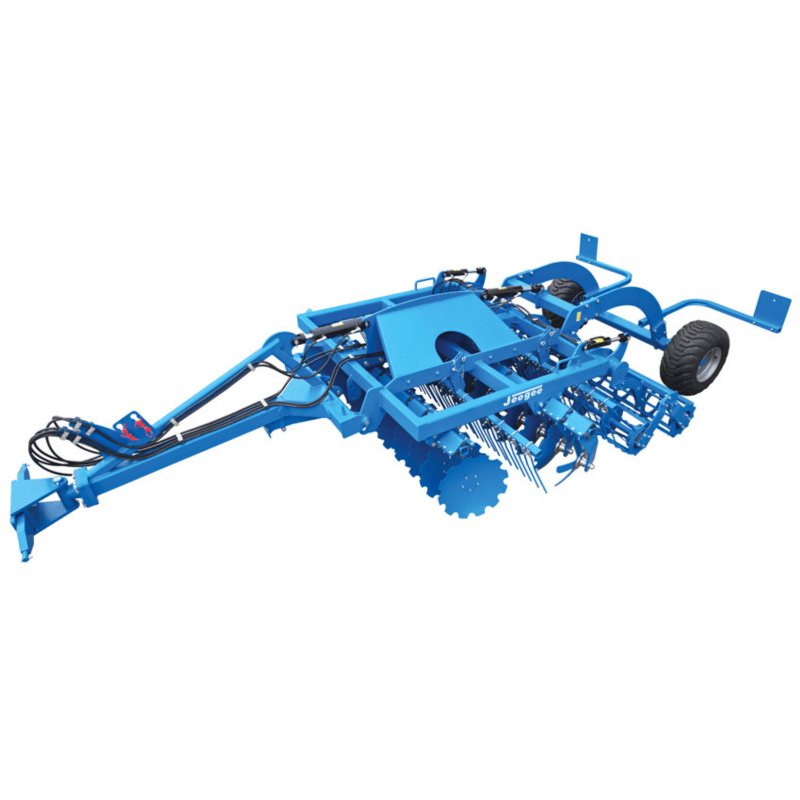
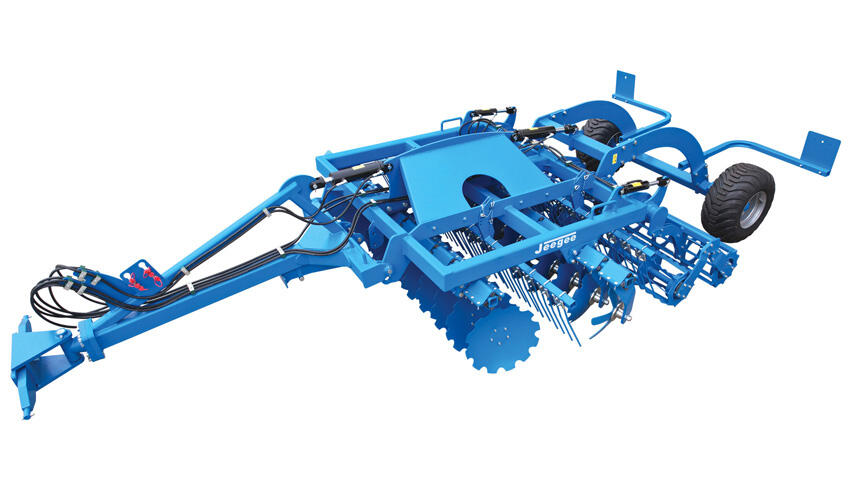
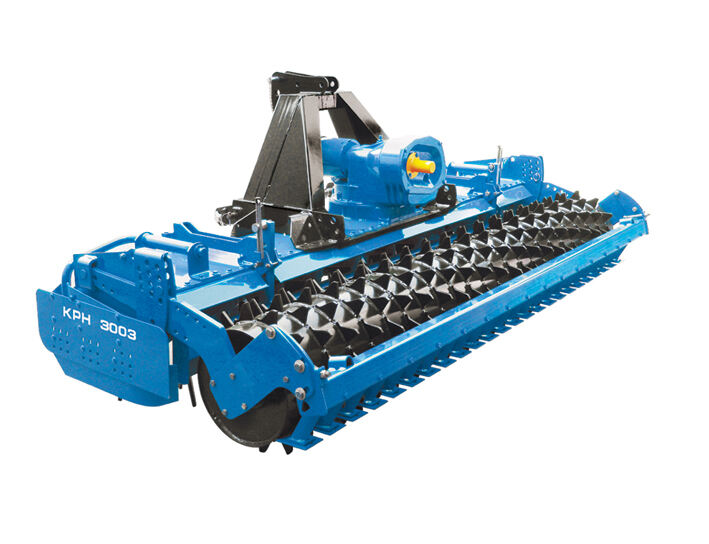
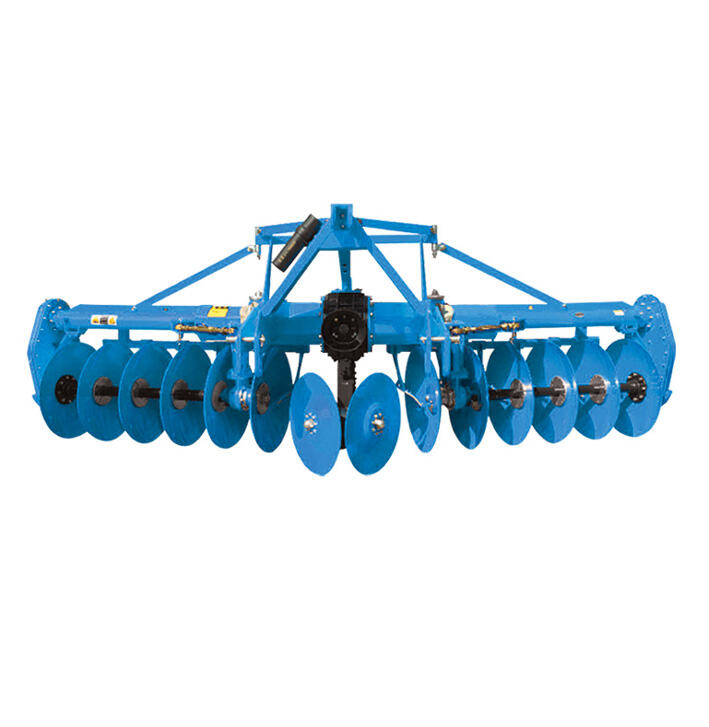
The exceptional operational versatility of the harrow for farming makes it an indispensable tool for diverse agricultural applications throughout the entire production cycle. Unlike specialized implements designed for single purposes, the harrow for farming adapts to numerous tasks that occur at different times during the growing season. Spring operations begin with harrow work that incorporates winter cover crops into the soil, jumpstarting decomposition and nutrient release just as summer crops need these resources. The same implement that prepares initial seedbeds also serves effectively for post-planting weed control in crops like potatoes, carrots, and other row vegetables. By timing harrow passes carefully, farmers can eliminate thousands of tiny weed seedlings before they compete with cash crops, dramatically reducing herbicide requirements. The harrow for farming proves equally valuable in pasture renovation programs where operators use the implement to break up manure accumulations, scarify dense sod, and prepare overseeding areas without complete tillage. Livestock producers appreciate how harrowing spreads manure piles that animals concentrate in certain paddock areas, distributing nutrients more evenly and improving forage quality. The implement works excellently for incorporating broadcast fertilizers and soil amendments, mixing these materials into the root zone where plants access them most efficiently. Organic farmers rely heavily on the harrow for farming because it provides mechanical weed control that aligns with certification standards prohibiting synthetic herbicides. The implement's ability to work in various soil moisture conditions extends the operational window compared to equipment that requires narrow moisture ranges. Farmers can harrow slightly damp fields that would bog down heavier implements, taking advantage of favorable weather windows. The harrow for farming functions effectively across soil types ranging from sandy loams to heavier clay compositions, though operators may adjust speed and gang angles for optimal results. Vegetable growers use harrows to prepare fine seedbeds required by small-seeded crops like lettuce, carrots, and onions that struggle to emerge through rough, cloddy surfaces. Grain farmers employ the implement before planting wheat, barley, oats, and other cereals that benefit from firm, level seedbeds. The harrow for farming even assists with soil warming in spring by creating a darker, rougher surface that absorbs solar radiation more efficiently than smooth, compacted ground. This versatility means farmers maximize equipment utilization rates, spreading the investment cost across multiple applications rather than purchasing separate specialized tools.
 EN
EN