Small Scale Farming Equipment - Efficient Agricultural Machinery for Modern Farmers

+86-13615166566
All Categories

small scale farming equipment

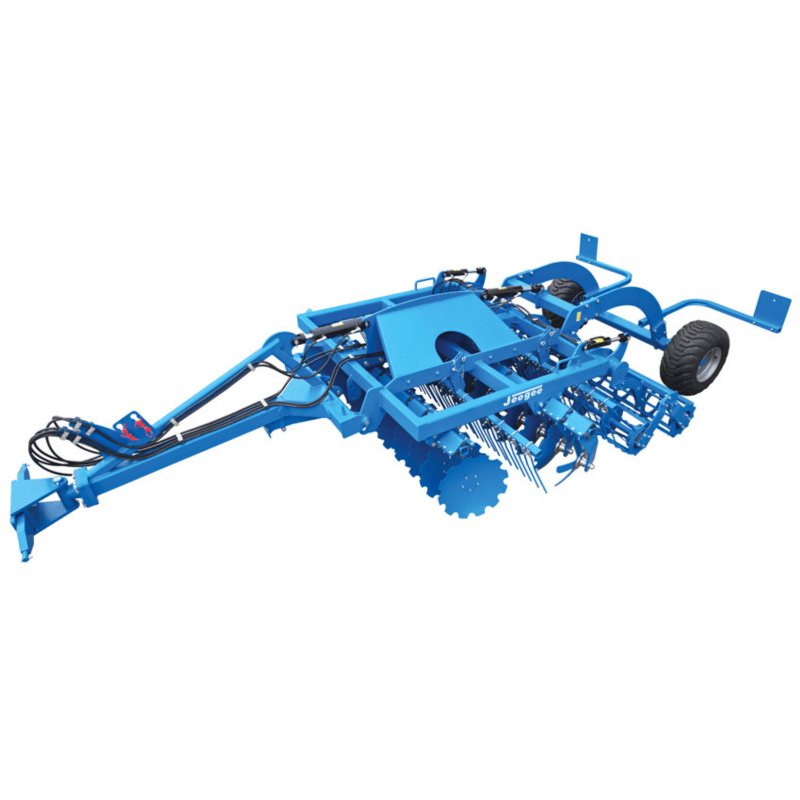
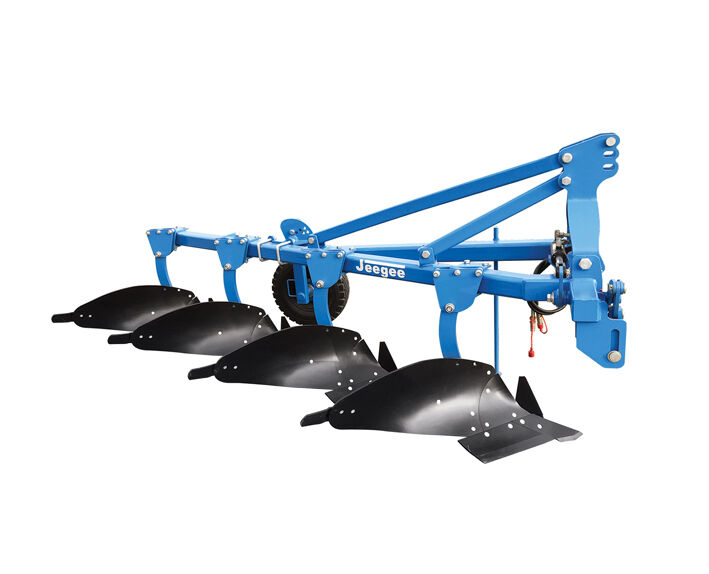
Small scale farming equipment represents a revolutionary approach to agricultural productivity, designed specifically for farmers managing limited acreage or those transitioning from traditional manual methods to mechanized operations. This category of machinery encompasses versatile tools and devices engineered to optimize cultivation, planting, harvesting, and maintenance tasks on farms ranging from one to fifty acres. The primary functions of small scale farming equipment include soil preparation through compact tillers and rotavators, precise seed planting using mechanical seeders, efficient irrigation through portable pump systems, and crop harvesting with appropriately sized combines and threshers. These machines incorporate technological features such as adjustable working widths, fuel-efficient engines, ergonomic control systems, and modular attachments that allow operators to perform multiple tasks with a single base unit. Modern small scale farming equipment often includes user-friendly starting mechanisms, reduced vibration technology, and protective safety features that make operation accessible even for farmers with limited mechanical experience. The applications span diverse agricultural activities including vegetable cultivation, grain production, fruit orcharding, flower farming, and mixed crop systems. Farmers utilize this equipment for land leveling, furrow creation, mulching, weeding, spraying pesticides and fertilizers, transporting harvested crops, and post-harvest processing. The equipment adapts seamlessly to greenhouse operations, raised bed farming, organic agriculture practices, and sustainable farming methodologies. Manufacturers design small scale farming equipment with portability in mind, ensuring machines can navigate narrow pathways, terraced fields, and confined spaces typical of smaller agricultural plots. The technological integration includes options for electric-powered variants, solar-assisted operations, and GPS-guided precision farming capabilities that were previously available only in large industrial agricultural machinery. This democratization of farming technology empowers individual farmers, cooperative societies, urban agriculture practitioners, and developing regions to enhance productivity while maintaining environmental stewardship and economic viability.

Popular Products

Choosing small scale farming equipment delivers immediate financial benefits by dramatically reducing labor costs and completing tasks in fractions of the time required by manual methods. A farmer can prepare an acre of land in two hours with a compact tiller compared to several days of hand digging, directly translating to increased profitability and the ability to cultivate more land with existing resources. The affordability factor distinguishes these machines from industrial-sized equipment, with purchase prices and operating costs scaled appropriately for smaller farming operations, making mechanization accessible to farmers with limited capital investment capacity. Maintenance requirements remain straightforward and manageable, with most small scale farming equipment featuring simple mechanical systems that local technicians can service without requiring specialized training or expensive diagnostic tools. The versatility inherent in these machines maximizes return on investment, as interchangeable attachments transform a single power unit into multiple specialized tools, eliminating the need to purchase separate machines for different farming activities. Operators experience significant physical relief from backbreaking manual labor, reducing fatigue and minimizing injury risks associated with repetitive agricultural tasks, which directly improves farmer health and extends productive working years. The precision capabilities of small scale farming equipment ensure consistent planting depths, uniform spacing, and controlled application of inputs, resulting in higher germination rates, reduced seed waste, and optimized fertilizer usage that improves both yield quality and quantity. Environmental advantages emerge through efficient fuel consumption, reduced soil compaction compared to heavier machinery, and the ability to implement conservation tillage practices that preserve soil structure and minimize erosion. Time savings create opportunities for farmers to diversify income streams, pursue value-added processing, or simply achieve better work-life balance by completing essential tasks quickly during optimal weather windows. The compact dimensions allow cultivation of previously inaccessible areas, maximizing productive use of available land without requiring field consolidation or removal of established boundaries and natural features. Seasonal flexibility increases as farmers can rapidly respond to changing weather conditions, plant multiple crop cycles annually, and adapt quickly to market demands for different produce varieties. Training requirements remain minimal, with intuitive controls and straightforward operation enabling family members of varying ages and experience levels to operate equipment safely and effectively. The resale value of well-maintained small scale farming equipment remains robust due to consistent demand from new farmers entering agriculture and existing operators upgrading their machinery. These practical advantages collectively empower farmers to compete more effectively in local and regional markets, improve household food security, and build sustainable agricultural enterprises that support rural community development and economic resilience.

Practical Tips

What Are the Key Differences Between a Tiller and a Cultivator?

07

Jul

What Are the Key Differences Between a Tiller and a Cultivator?

Defining Tillers vs Cultivators: Core Functions Tiller Purpose: Breaking Compacted Soil Tillers serve as important garden tools made to tackle tough, packed soil and turn it into something plants can actually grow in. These machines come with stron...
View More
How Do You Properly Calibrate a Reversible Plough for Optimal Tillage Depth?

27

Aug

How Do You Properly Calibrate a Reversible Plough for Optimal Tillage Depth?

Mastering Precision Tillage Through Expert Plough Setup Agricultural success begins with proper soil preparation, and at the heart of this crucial task lies reversible plough calibration. Whether you're working with heavy clay soils or lighter loamy ...
View More
How does a disc harrow help in managing soil erosion and improving crop yield?

26

Sep

How does a disc harrow help in managing soil erosion and improving crop yield?

Understanding the Critical Role of Disc Harrows in Modern Agriculture Agriculture has evolved significantly over the centuries, and with it, the tools and techniques used for soil management have become increasingly sophisticated. At the forefront of...
View More
Reversible Plough vs Traditional: Which to Choose?

20

Oct

Reversible Plough vs Traditional: Which to Choose?

Understanding Modern Agricultural Ploughing Technology The evolution of farming equipment has brought significant advances in ploughing technology, with the reversible plough emerging as a game-changing innovation for modern agriculture. This sophist...
View More

Get a Free Quote

Our representative will contact you soon.
Email
Name
Company Name
Message
0/1000

small scale farming equipment

Exceptional Versatility Through Multi-Function Capability

Exceptional Versatility Through Multi-Function Capability

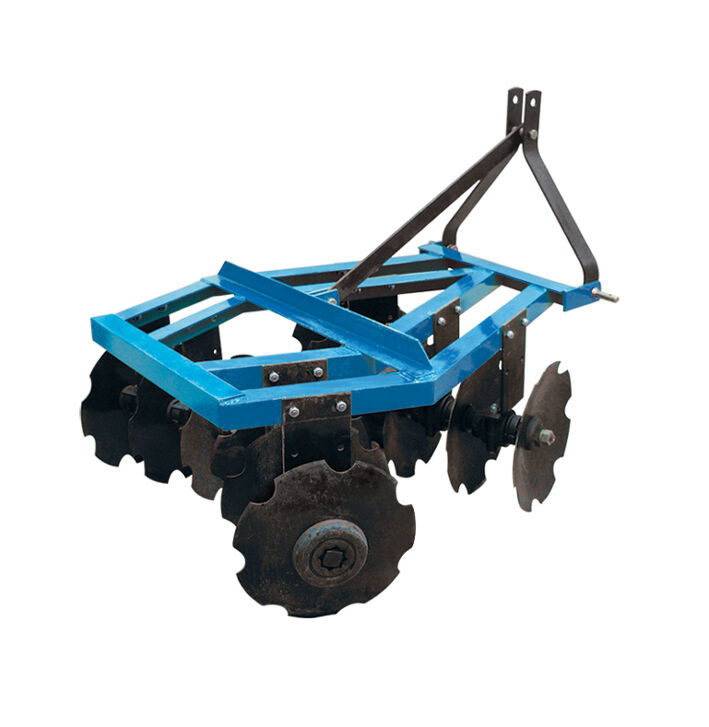
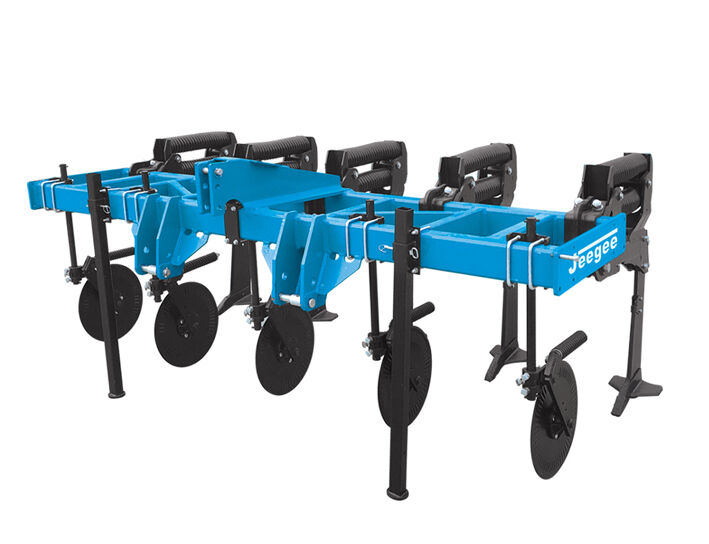
The outstanding versatility of small scale farming equipment stands as perhaps its most compelling attribute for practical farmers seeking maximum utility from their machinery investments. Unlike single-purpose tools that sit idle between specific seasonal tasks, modern small scale farming equipment features ingenious modular designs that transform one base machine into an entire fleet of specialized implements. The typical power unit accepts diverse attachments including rotary tillers for primary soil cultivation, disc harrows for secondary tillage, ridgers for creating planting beds, seeders for precise planting operations, cultivators for inter-row weeding, sprayers for crop protection, trailers for transportation, and even post-harvest processing attachments like threshers and grinders. This adaptability means farmers invest once in quality equipment while gaining capability across their entire production cycle from land preparation through harvest and processing. The quick-change attachment systems require no specialized tools, allowing operators to switch between implements in minutes rather than hours, maintaining workflow efficiency even when alternating between different tasks throughout a single workday. Farmers cultivating diverse crops particularly benefit from this versatility, as the same equipment serves vegetable production, grain farming, and orchard maintenance without modification to the core machinery. The economic implications prove substantial when calculating cost per function rather than simply purchase price, as one versatile unit costing moderately more than a basic single-function machine ultimately replaces five or six specialized implements. Storage requirements decrease proportionally, a significant advantage for farmers with limited shed space or those operating from smaller homesteads where equipment storage competes with other essential infrastructure needs. The versatility extends to different soil types and field conditions, with adjustable working depths, variable speed settings, and customizable blade configurations allowing operators to optimize performance whether working heavy clay soils, sandy loams, or rocky terrain. Seasonal adaptation becomes seamless as farmers transition from spring planting configurations to summer cultivation modes and autumn harvesting setups without investing in additional machinery. This multi-function capability particularly empowers farmers in developing regions or those practicing diversified agriculture who need comprehensive mechanization solutions within constrained budgets, enabling them to compete effectively while maintaining the crop diversity that builds resilience against market fluctuations and climate variability.
Superior Maneuverability in Confined Agricultural Spaces

Superior Maneuverability in Confined Agricultural Spaces

Small scale farming equipment delivers exceptional maneuverability that addresses one of the most persistent challenges facing farmers working limited acreage, terraced landscapes, greenhouse environments, or historically subdivided agricultural plots with established boundaries. The compact dimensions represent deliberate engineering choices rather than simple size reduction, with manufacturers carefully optimizing the relationship between machine footprint and functional capacity to maximize performance within spatial constraints. Typical working widths range from eighteen inches to forty-eight inches, allowing operators to navigate between established crop rows, work within greenhouse bays, cultivate raised beds, and access sloped terrain that remains completely inaccessible to conventional large-scale agricultural machinery. The tight turning radius engineered into small scale farming equipment enables efficient operation in irregularly shaped fields, around obstacles like irrigation infrastructure or established trees, and within the confined headlands where larger equipment wastes productive time making wide turns. Farmers working urban agriculture sites, peri-urban plots, or traditional smallholder landscapes particularly appreciate this maneuverability, as it preserves existing field layouts that may represent generations of careful land management and boundary establishment. The weight distribution and low center of gravity designed into quality small scale farming equipment provide stability on slopes and uneven terrain where heavier machines risk tipping or becoming mired, expanding the cultivable area on farms with topographical diversity. Transportation advantages emerge from compact dimensions, as farmers can move equipment between non-contiguous fields using standard pickup trucks or small trailers rather than requiring specialized heavy hauling services. The maneuverability extends to operational precision, with responsive steering and controlled power delivery allowing operators to work accurately along fences, irrigation channels, and property boundaries without damaging infrastructure or encroaching on neighboring properties. Greenhouse operations find particular value in small scale farming equipment designed specifically for protected cultivation, with reduced height profiles that fit beneath structural supports and narrow profiles that work within standard bay spacing. The ability to cultivate thoroughly without leaving unworked strips or corners maximizes productive land use, a critical factor when working expensive or limited acreage where every square foot contributes to profitability. This superior maneuverability ultimately represents freedom for farmers to optimize land use according to agronomic principles, market demands, and environmental considerations rather than being forced to modify farming systems to accommodate machinery limitations.
Enhanced Accessibility for Diverse Farmer Demographics

Enhanced Accessibility for Diverse Farmer Demographics

Small scale farming equipment prioritizes accessibility across multiple dimensions, deliberately removing barriers that historically prevented certain farmer demographics from adopting mechanized agriculture and realizing its productivity benefits. The financial accessibility begins with purchase prices calibrated to smallholder economic realities, typically ranging from several hundred to a few thousand dollars rather than the tens of thousands required for industrial machinery, bringing mechanization within reach of farmers operating on modest incomes or those just establishing agricultural enterprises. Financing options tailored to agricultural cash flow patterns, including seasonal payment plans and cooperative purchasing arrangements, further reduce entry barriers for farmers with limited liquid capital but viable farming operations. The operational accessibility manifests through intuitive control systems that require minimal technical knowledge, with straightforward starting procedures, clearly labeled controls, and logical operational sequences that new users master quickly without extensive training programs. Manufacturers increasingly design small scale farming equipment with adjustable handles, multiple grip positions, and ergonomic features that accommodate operators of different heights, physical capabilities, and strength levels, making these tools genuinely usable across gender and age demographics rather than defaulting to designs optimized solely for young male operators. This inclusive design philosophy expands agricultural opportunities for women farmers, elderly operators maintaining productive farms into later years, and individuals with certain physical limitations who possess agricultural knowledge and land access but previously lacked appropriate mechanical tools. The maintenance accessibility proves equally important, with small scale farming equipment featuring serviceable designs using standard fasteners, readily available spare parts, and repair procedures within the capability of village-level technicians rather than requiring factory-authorized service centers. Fuel flexibility options including multi-fuel engines, electric variants, and even human-powered mechanical advantage tools ensure farmers can select propulsion methods matching their infrastructure, resource availability, and philosophical preferences regarding sustainability and energy sources. Educational accessibility benefits from the growing ecosystem of training resources, demonstration programs, and peer learning networks specifically focused on small scale farming equipment, making knowledge transfer efficient even in regions with limited formal agricultural extension services. The market accessibility improves continuously as expanding distribution networks, online purchasing options, and local dealer establishments bring small scale farming equipment physically closer to rural farming communities rather than requiring long-distance travel to urban centers for equipment acquisition and service.

Get a Free Quote

Our representative will contact you soon.
Email
Name
Company Name
Message
0/1000