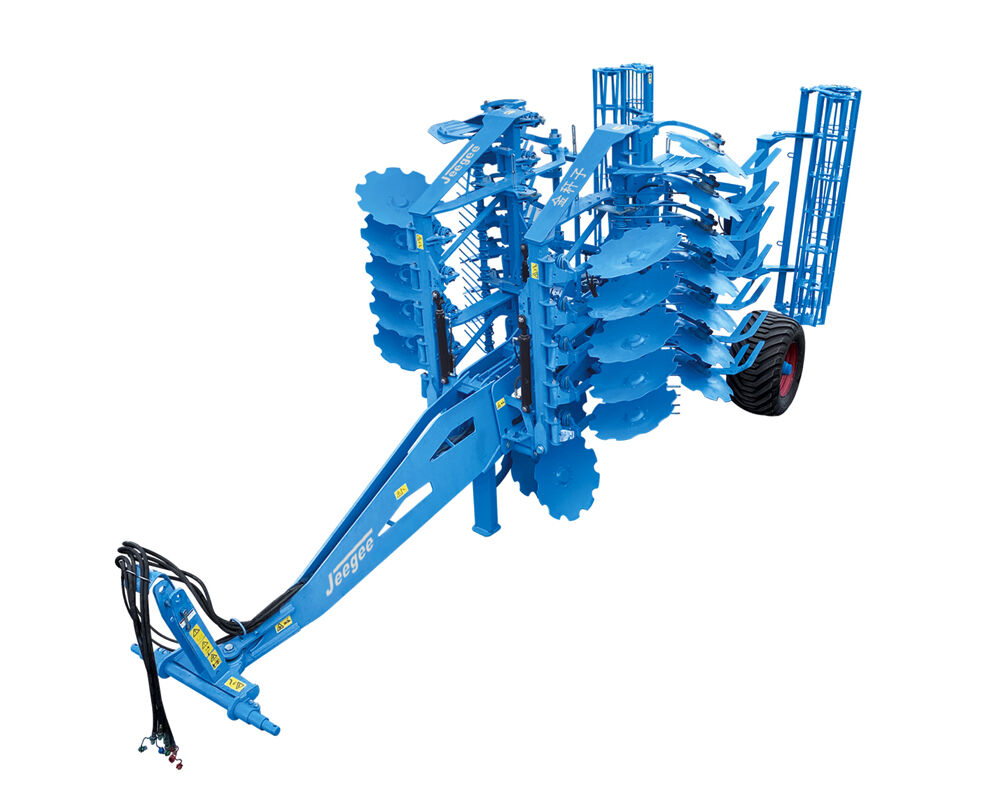
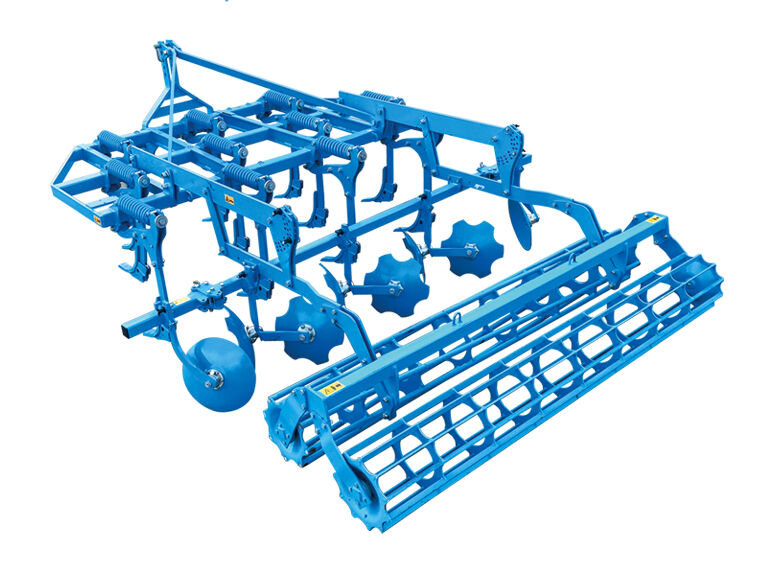
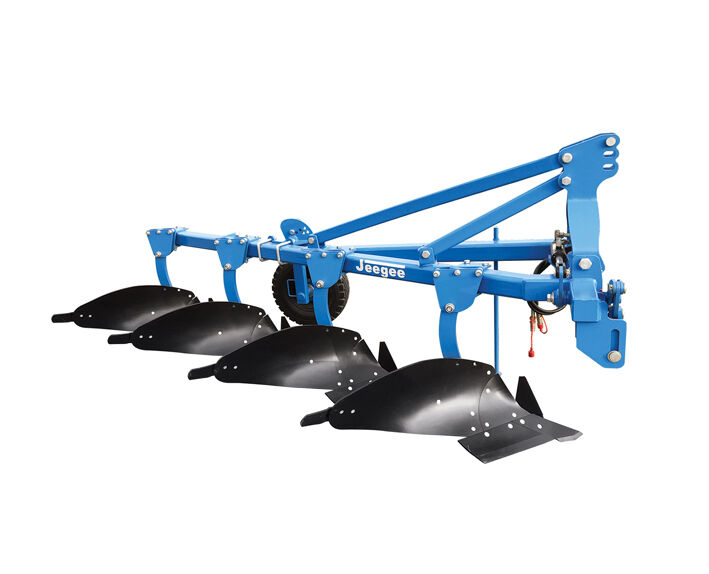
Small Farm Machinery: Compact Equipment Solutions for Efficient Modern Agriculture

+86-13615166566
All Categories

small farm machinery

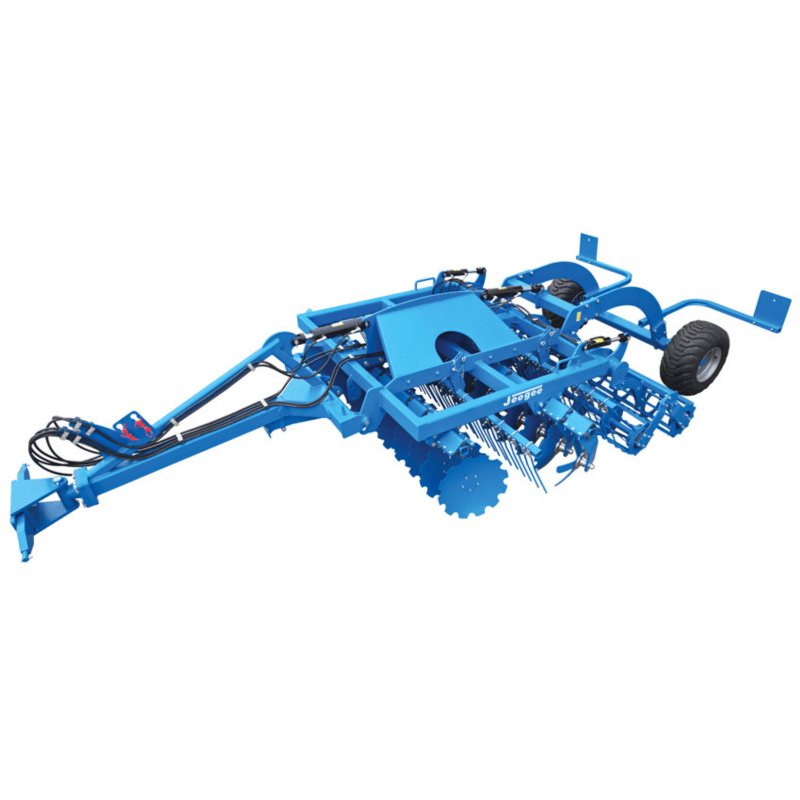
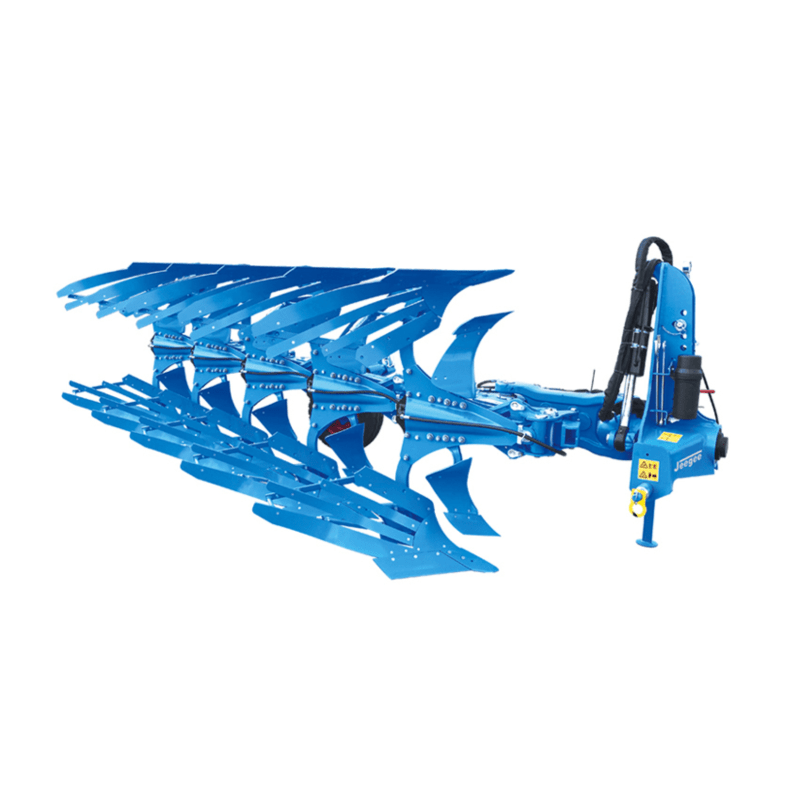
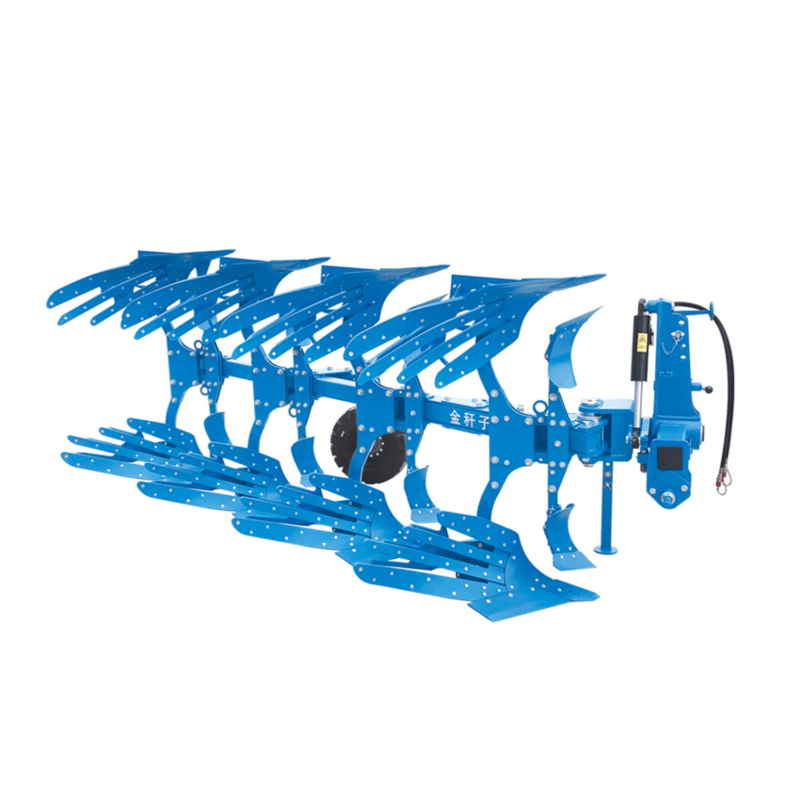
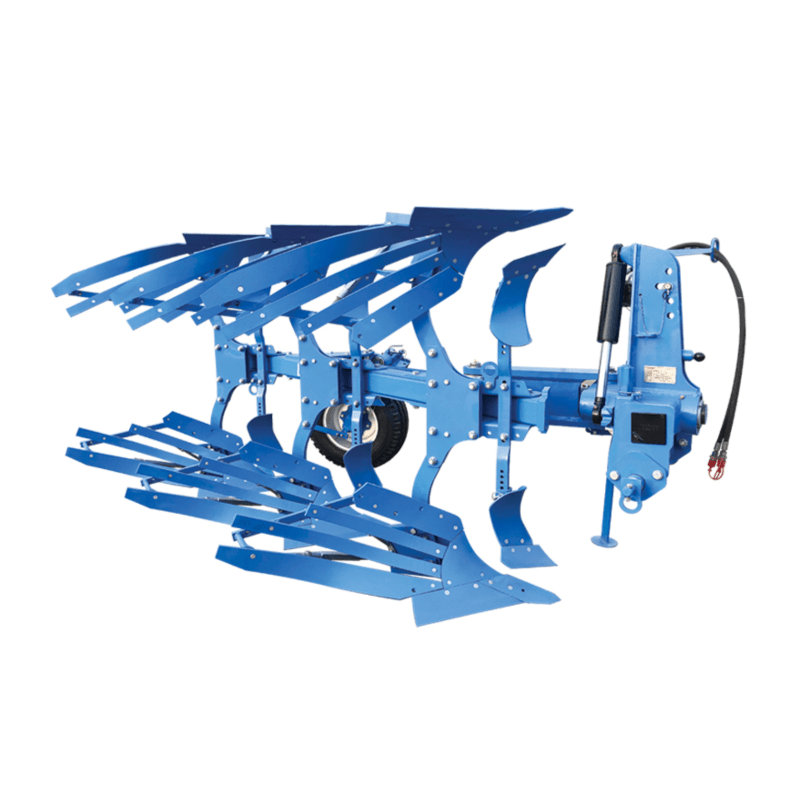
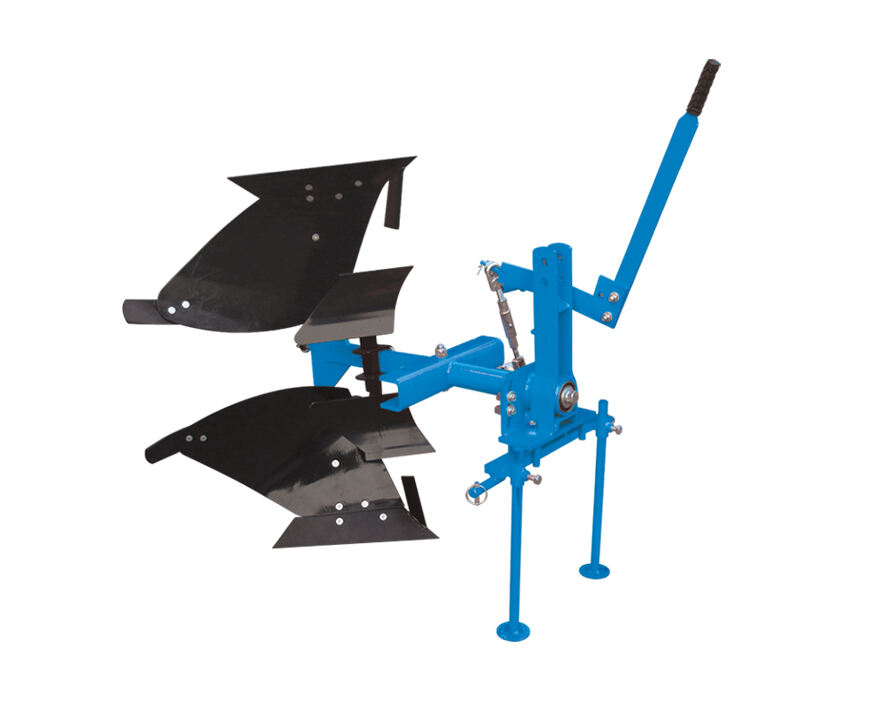
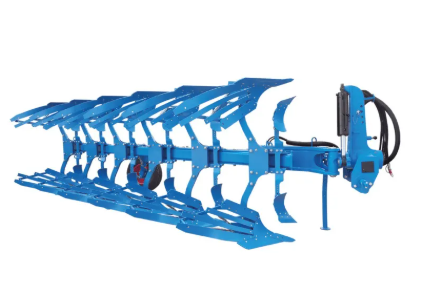
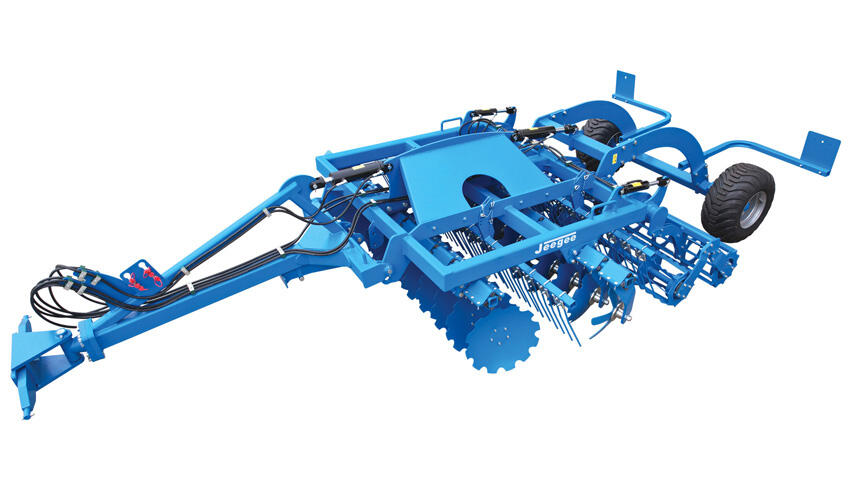
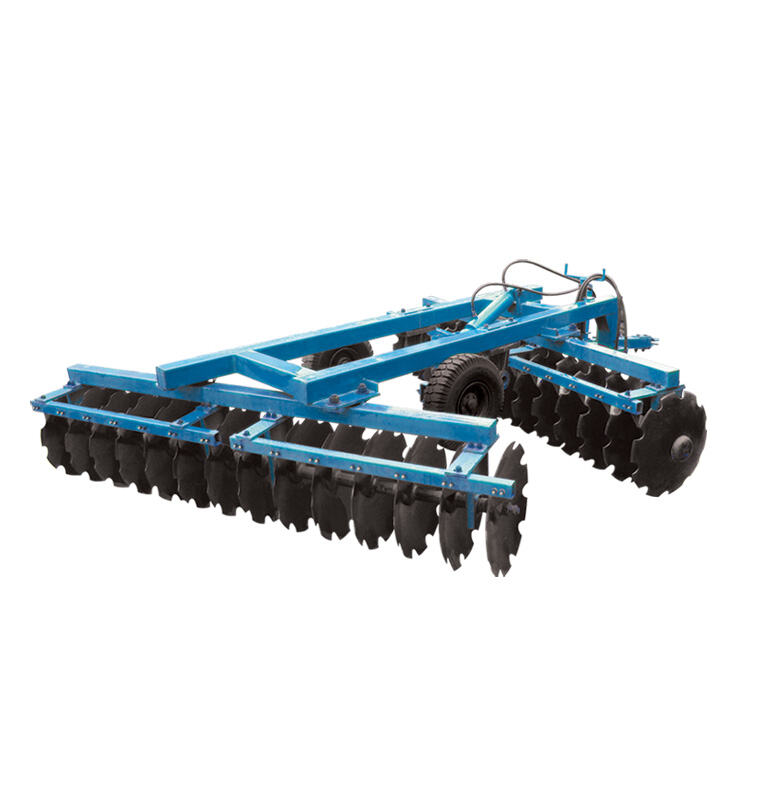
Small farm machinery represents a revolutionary advancement in agricultural equipment designed specifically for operators managing limited acreage, hobby farms, or specialized crop production. These compact yet powerful machines deliver professional-grade performance while maintaining maneuverability in confined spaces where traditional full-sized equipment simply cannot operate effectively. Modern small farm machinery encompasses a diverse range of implements including compact tractors, mini tillers, seeders, harvesters, and specialized cultivation tools that transform labor-intensive agricultural tasks into efficient operations. The technological features integrated into contemporary small farm machinery include fuel-efficient engines that reduce operational costs, ergonomic control systems that minimize operator fatigue, and versatile attachment systems allowing single machines to perform multiple functions throughout different growing seasons. Advanced hydraulic systems provide precise control over implements, while improved transmission designs offer smooth power delivery across varying terrain conditions. Many models incorporate modern safety features such as roll-over protection structures, automatic shut-off systems, and improved visibility designs that protect operators during daily operations. The applications for small farm machinery extend across numerous agricultural sectors including vegetable production, fruit orchards, vineyard management, greenhouse operations, livestock farming, and landscape maintenance. Small-scale organic farmers particularly benefit from these machines as they enable precise cultivation without excessive soil compaction that larger equipment causes. The machinery proves invaluable for market gardeners who require frequent soil preparation, planting, and harvesting cycles throughout extended growing seasons. Rural property owners utilize small farm machinery for pasture maintenance, hay production, and general land management tasks that would otherwise demand significant manual labor or expensive contractor services. The accessibility of small farm machinery has democratized agricultural production, enabling aspiring farmers to establish viable operations without massive capital investments in oversized equipment unsuitable for their actual needs.

New Product Releases

Small farm machinery delivers exceptional economic advantages by dramatically reducing the initial investment required to establish functional farming operations compared to purchasing full-sized agricultural equipment. The lower purchase prices, combined with reduced fuel consumption and decreased maintenance costs, create sustainable financial models for beginning farmers and small-scale producers. These compact machines consume significantly less diesel or gasoline per operating hour, translating to substantial savings over months and years of regular use. The reduced weight of small farm machinery causes less soil compaction, preserving valuable soil structure and promoting healthier root development for crops, which directly increases yield quality and quantity. Operators appreciate the enhanced maneuverability that small farm machinery provides when working in tight spaces such as between greenhouse rows, around existing structures, or within irregularly shaped field boundaries where larger equipment would struggle or cause damage. The versatility inherent in modern small farm machinery means a single compact tractor with appropriate attachments can replace multiple specialized machines, maximizing return on investment while minimizing storage requirements. Transportation advantages become apparent when moving small farm machinery between properties or accessing remote field locations, as most models can be hauled on standard utility trailers without requiring commercial transportation permits or specialized hauling equipment. The learning curve for operating small farm machinery remains gentle enough that newcomers to agriculture can achieve competency quickly, unlike complex full-sized equipment that often demands extensive training and experience. Maintenance accessibility represents another significant advantage, as small farm machinery typically features simpler mechanical systems that owner-operators can service themselves using basic tools, eliminating dependency on expensive dealership service departments for routine maintenance tasks. The physical demands placed on operators decrease substantially when using small farm machinery equipped with power steering, vibration-dampening seats, and intuitive controls that reduce the exhaustion associated with manual labor or operating older equipment lacking modern ergonomic features. Small farm machinery enables precise application of inputs such as fertilizers and amendments, reducing waste and environmental impact while improving crop health through targeted delivery systems. The compact footprint of this equipment allows for easier storage in existing barns or sheds without requiring construction of large, expensive equipment buildings. Farmers working certified organic operations find small farm machinery particularly advantageous for mechanical weed control and cultivation tasks that replace chemical applications, supporting sustainable farming practices while maintaining productivity. The reliability of contemporary small farm machinery, built with proven components and straightforward designs, ensures consistent performance during critical planting and harvesting windows when equipment downtime could result in significant crop losses or missed market opportunities.

Latest News

What Are the Key Differences Between a Tiller and a Cultivator?

07

Jul

What Are the Key Differences Between a Tiller and a Cultivator?

Defining Tillers vs Cultivators: Core Functions Tiller Purpose: Breaking Compacted Soil Tillers serve as important garden tools made to tackle tough, packed soil and turn it into something plants can actually grow in. These machines come with stron...
View More
How Do You Properly Calibrate a Reversible Plough for Optimal Tillage Depth?

27

Aug

How Do You Properly Calibrate a Reversible Plough for Optimal Tillage Depth?

Mastering Precision Tillage Through Expert Plough Setup Agricultural success begins with proper soil preparation, and at the heart of this crucial task lies reversible plough calibration. Whether you're working with heavy clay soils or lighter loamy ...
View More
How does a disc harrow help in managing soil erosion and improving crop yield?

26

Sep

How does a disc harrow help in managing soil erosion and improving crop yield?

Understanding the Critical Role of Disc Harrows in Modern Agriculture Agriculture has evolved significantly over the centuries, and with it, the tools and techniques used for soil management have become increasingly sophisticated. At the forefront of...
View More
How Is Tiller Cultivator Used in Soil Loosening for Better Crop Growth?

27

May

How Is Tiller Cultivator Used in Soil Loosening for Better Crop Growth?

Healthy crops begin long before seeds are planted — they start with the condition of the soil beneath your feet. A tiller cultivator is one of the most essential tools in modern agriculture, designed specifically to break up compacted ground, aerate ...
View More

Get a Free Quote

Our representative will contact you soon.
Email
Name
Company Name
Message
0/1000

small farm machinery

Enhanced Productivity Through Multi-Functional Design

Enhanced Productivity Through Multi-Functional Design

The multi-functional design philosophy embedded in modern small farm machinery fundamentally transforms how small-scale agricultural operations approach daily tasks and seasonal workflows. Unlike single-purpose equipment that sits idle except during specific operations, contemporary small farm machinery serves as a versatile platform capable of accepting numerous attachments that expand functionality throughout the entire growing season. A compact tractor equipped with a quick-hitch system can seamlessly transition from soil preparation using a rotary tiller in spring, to planting operations with a precision seeder, then to cultivation tasks with sweeps or finger weeders, and finally to harvesting support with material handling forks or trailer hitching capabilities. This adaptability eliminates the need for multiple specialized machines, drastically reducing capital expenditure while maximizing equipment utilization rates that justify the initial investment. The engineering behind small farm machinery prioritizes power-take-off systems and hydraulic outputs that drive various implements with consistent, reliable performance despite the compact size of the primary power unit. Farmers working diverse crop rotations particularly benefit from this flexibility, as they can rapidly reconfigure their small farm machinery to suit different crops and field conditions without maintaining an extensive fleet of dedicated equipment. The time savings achieved through quick attachment changes mean operators spend more productive hours actually working the land rather than struggling with complicated equipment setups or traveling to retrieve different machines from storage locations. Modern small farm machinery designs incorporate standardized mounting systems that ensure compatibility with aftermarket implements from multiple manufacturers, preventing vendor lock-in and promoting competitive pricing in the attachment marketplace. The compact dimensions of this machinery enable access to areas that would remain untended if relying solely on manual labor or inappropriately sized equipment, effectively increasing the productive acreage of existing properties. Small farm machinery equipped with adjustable track widths accommodates various row spacings, supporting diverse planting patterns from high-density salad green production to wider-spaced fruiting crops without requiring separate dedicated equipment for each configuration. The productivity enhancements extend beyond field operations to include material handling, composting activities, infrastructure maintenance, and seasonal tasks like snow removal that keep agricultural properties functional year-round, ensuring continuous return on the machinery investment regardless of growing season limitations.
Operator Comfort and Safety Innovations

Operator Comfort and Safety Innovations

Contemporary small farm machinery incorporates sophisticated operator comfort and safety innovations that revolutionize the daily experience of agricultural work, addressing the physical demands that historically deterred people from pursuing farming careers or caused long-term health issues for career farmers. Ergonomic seating systems with adjustable positioning, lumbar support, and vibration dampening protect operators during extended work sessions that might otherwise result in chronic back pain or fatigue-related accidents. The control layouts on modern small farm machinery position frequently used functions within easy reach, reducing repetitive stretching and twisting motions that accumulate strain over seasons of use. Enhanced visibility designs incorporate larger sight-lines, strategically positioned mirrors, and in some models, camera systems that eliminate blind spots where operators might accidentally contact obstacles, bystanders, or infrastructure. The integration of roll-over protection structures as standard equipment on small farm machinery provides life-saving protection should the machine tip on slopes or uneven terrain, a critical safety feature that older or imported equipment often lacks. Noise reduction engineering in engines and drive systems preserves operator hearing during extended use, preventing the gradual hearing loss that affected previous generations of farmers using louder, less refined equipment. Modern small farm machinery features intuitive starting procedures, clear instrumentation, and fail-safe shutdown systems that prevent accidental starts or dangerous runaway situations, particularly important for operations where multiple family members or employees share equipment responsibilities. The responsive steering and braking systems engineered into contemporary designs give operators precise control even when working on slopes or in wet conditions where traction becomes challenging, preventing dangerous slides or loss of control incidents. Small farm machinery equipped with automatic safety switches detects when operators leave the seat during power-take-off operations, immediately disengaging dangerous rotating components that could cause severe injuries. The compact size itself contributes to safety by reducing the consequences of minor operator errors, as smaller machines with lower centers of gravity prove more forgiving than massive equipment where mistakes can result in catastrophic tip-overs or crushing incidents. Training requirements for small farm machinery remain reasonable, allowing operators to develop competency through guided practice rather than requiring extensive certification programs, though responsible manufacturers provide comprehensive operator manuals and safety guidelines with every machine. The maintenance accessibility designed into small farm machinery promotes regular servicing by making inspection points, fluid checks, and routine adjustments easily reachable without special tools or contorted positions that might cause injuries during maintenance activities themselves.

Environmental Sustainability and Precision Agriculture

Environmental Sustainability and Precision Agriculture

Small farm machinery champions environmental sustainability through multiple mechanisms that reduce agriculture's ecological footprint while maintaining productive output necessary for viable farming operations. The reduced weight distribution of compact equipment minimizes soil compaction compared to heavy full-sized machinery, preserving critical soil structure that supports beneficial microbial communities, improves water infiltration, and promotes robust root development for healthier crops with reduced input requirements. Fuel efficiency engineered into modern small farm machinery significantly decreases greenhouse gas emissions per acre worked, as optimized engine designs extract maximum work from each gallon of fuel consumed during field operations. The precision capabilities built into contemporary small farm machinery enable targeted application of amendments, fertilizers, and organic treatments, reducing excess material use that might otherwise leach into groundwater or run off into adjacent waterways causing environmental degradation. Farmers practicing regenerative agriculture methods find small farm machinery ideally suited to minimal tillage approaches, shallow cultivation techniques, and cover crop management strategies that build soil carbon, increase biodiversity, and enhance long-term land productivity. The electric and hybrid-electric small farm machinery models entering the market eliminate direct emissions entirely during operation, representing the cutting edge of sustainable agricultural equipment development. Small farm machinery facilitates diversified cropping systems and polyculture approaches that improve ecological resilience, as the equipment maneuverability supports complex field layouts impossible to manage efficiently with larger, less nimble machines. The reduced noise pollution from properly maintained small farm machinery creates more pleasant working environments and reduces disturbance to wildlife populations sharing agricultural landscapes, supporting biodiversity conservation alongside food production. Water conservation benefits emerge from using small farm machinery for precise irrigation system installation and maintenance, ensuring efficient water delivery that prevents waste in increasingly water-scarce agricultural regions. The longevity designed into quality small farm machinery reduces the environmental costs associated with frequent equipment replacement, as durable construction and serviceable designs extend useful life spans beyond disposable consumer equipment that quickly enters waste streams. Small-scale farmers utilizing small farm machinery can more readily implement integrated pest management strategies through mechanical cultivation and precise spot treatments, reducing reliance on broad-spectrum pesticides that harm beneficial insects and contaminate ecosystems. The economic accessibility of small farm machinery encourages local food production that reduces transportation-related emissions from industrial agriculture's long-distance distribution networks, supporting food system relocalization and community food security initiatives.

Get a Free Quote

Our representative will contact you soon.
Email
Name
Company Name
Message
0/1000