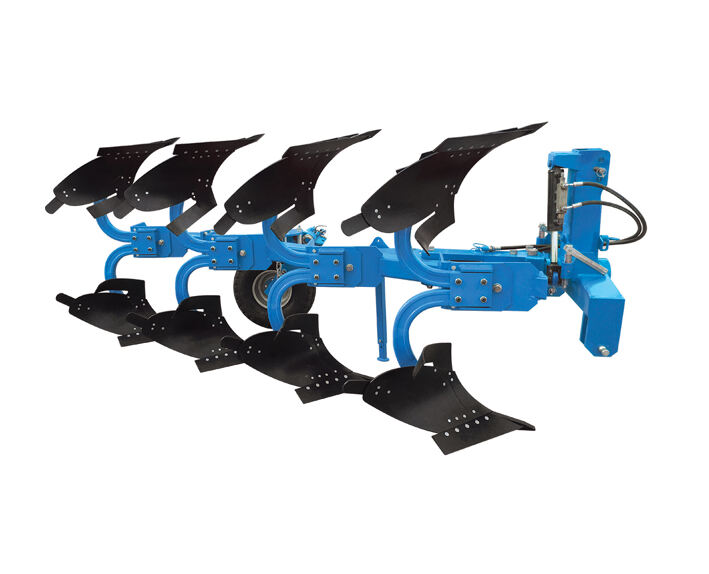
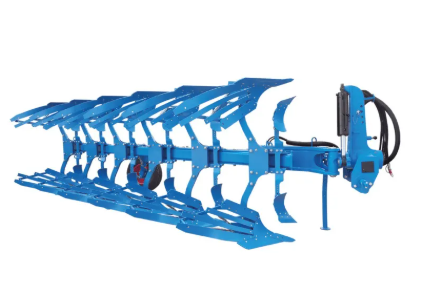
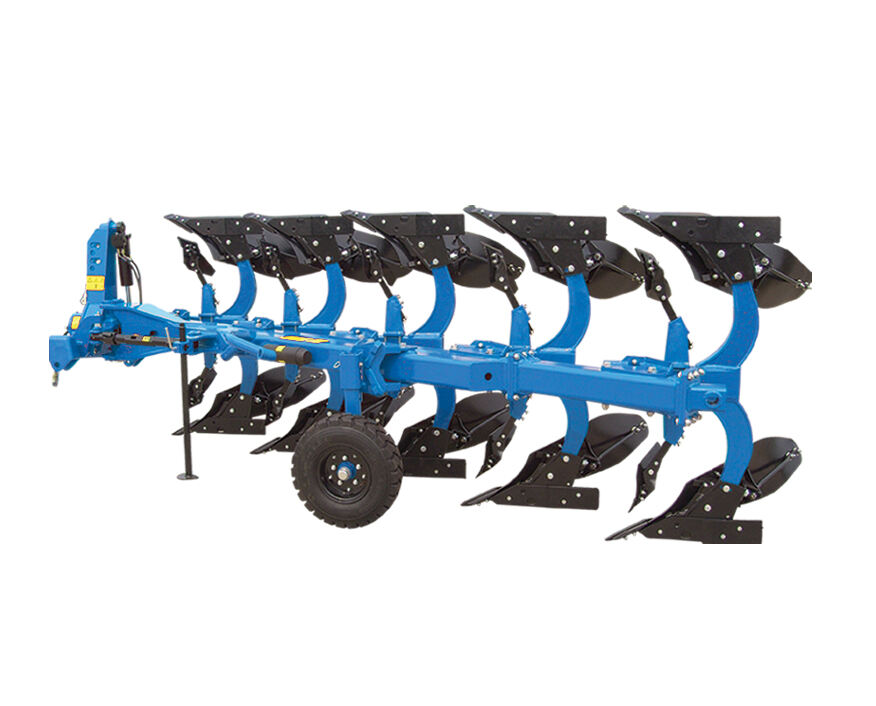
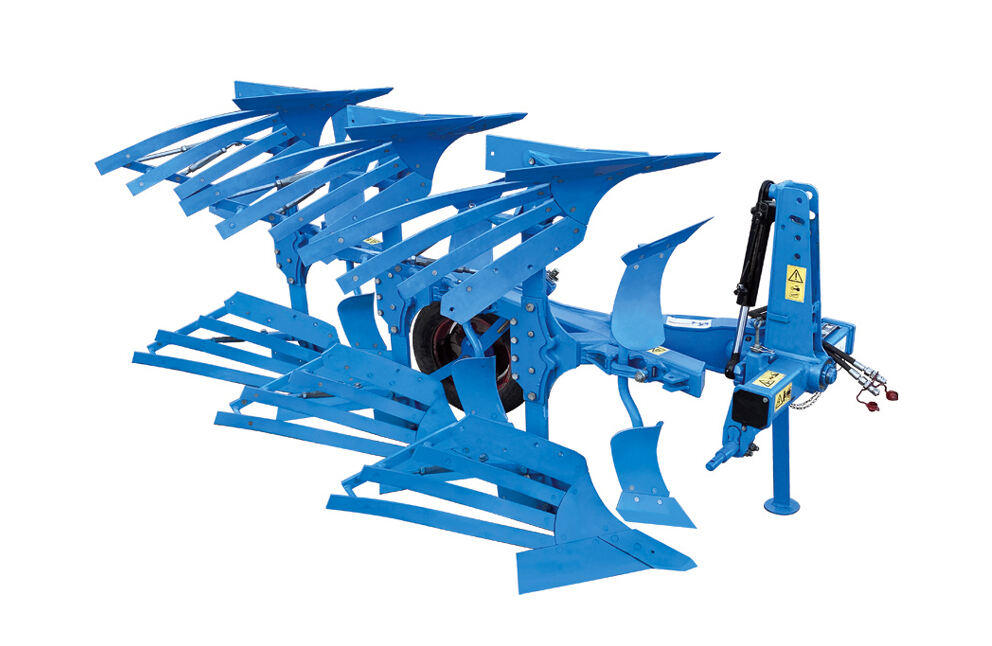
Hydraulic Disc Harrow - Advanced Soil Preparation Equipment for Modern Farming Operations

+86-13615166566
All Categories

hydraulic disc harrow

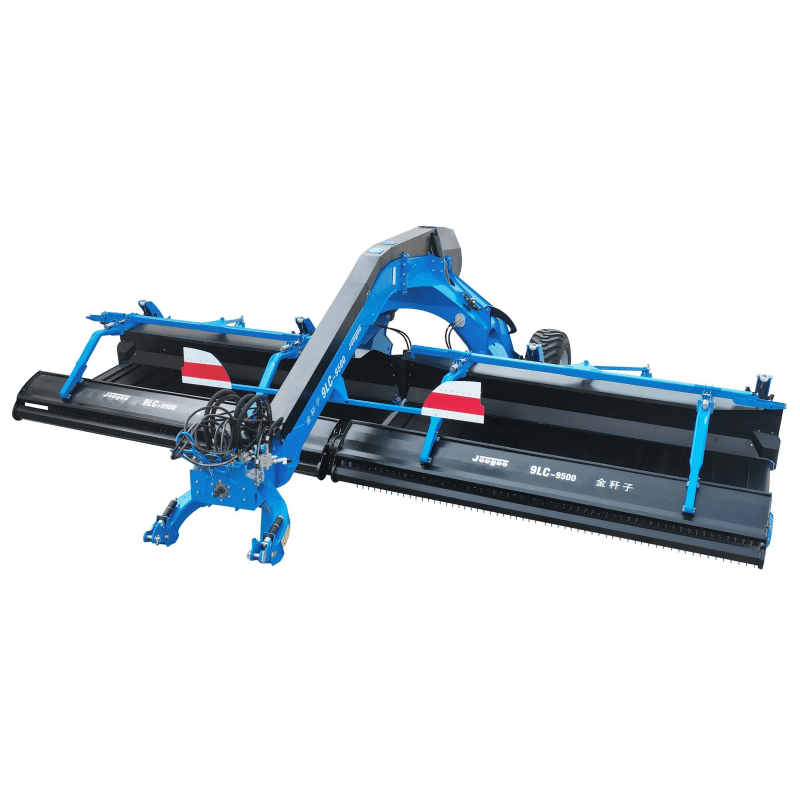
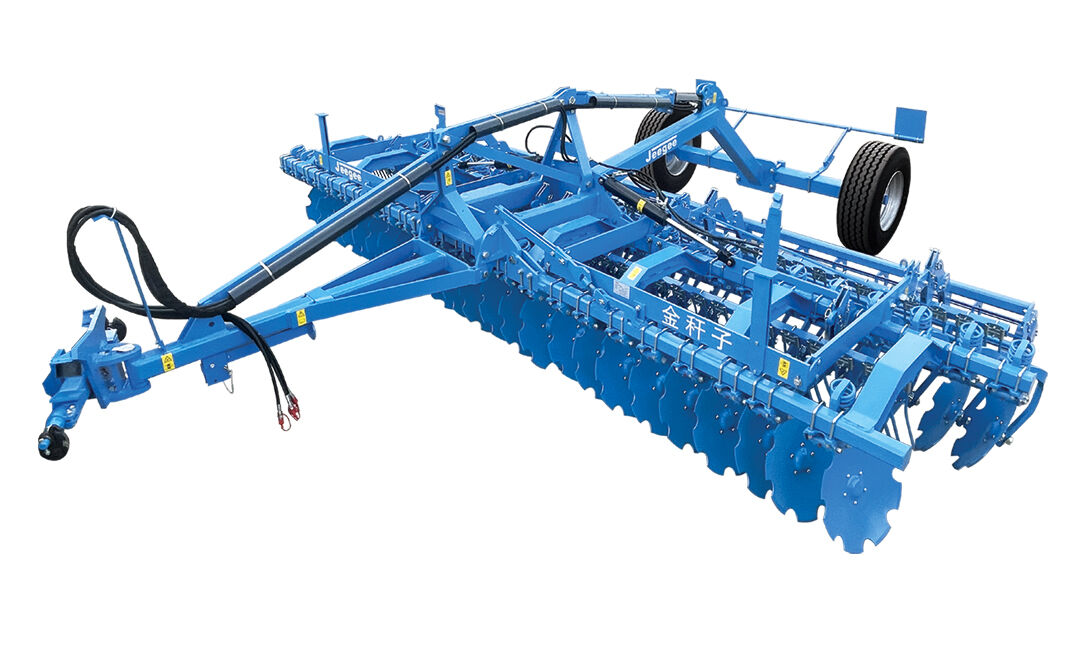
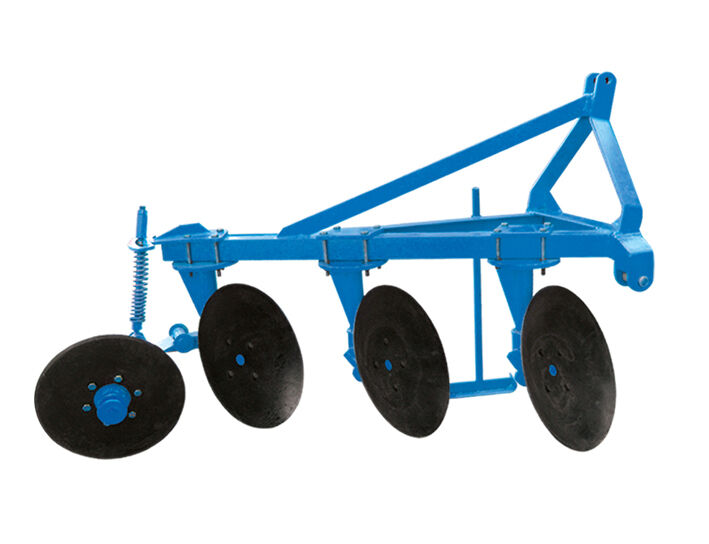
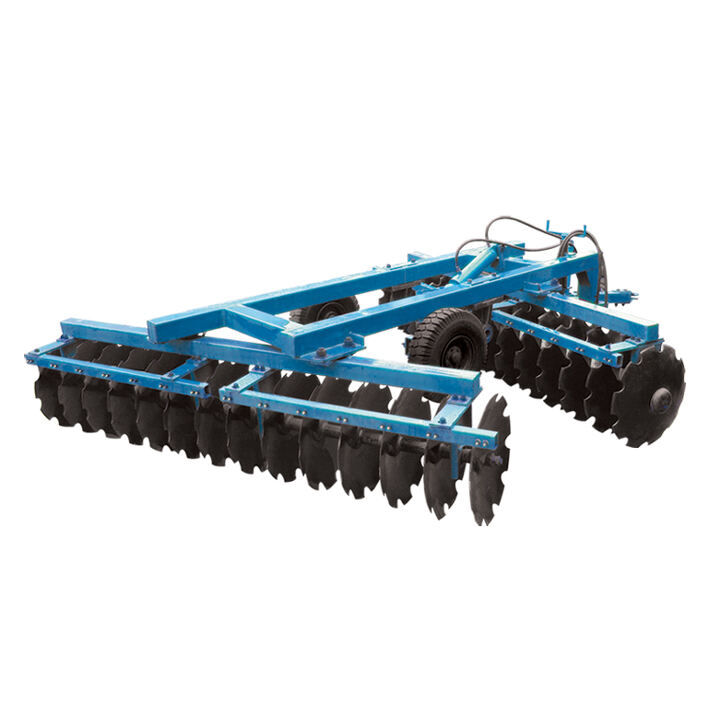
The hydraulic disc harrow represents a sophisticated agricultural implement designed to transform soil preparation through advanced mechanical engineering and precision control systems. This powerful equipment combines rotating disc gangs with hydraulic actuation mechanisms to deliver superior tillage performance across diverse farming operations. At its core, the hydraulic disc harrow functions as a soil cultivation tool that breaks down compacted earth, incorporates crop residues, and creates ideal seedbed conditions for planting. The implement features multiple gangs of concave steel discs mounted on robust frames, with each disc strategically positioned to slice through soil at optimal angles. What distinguishes this equipment from conventional models is its integrated hydraulic system that enables operators to adjust working depth, disc angle, and gang pressure without leaving the tractor cab. The main functions encompass primary tillage after harvest, secondary seedbed preparation, weed control between growing seasons, and incorporation of fertilizers or organic amendments into the topsoil. Technological features include hydraulic cylinders that control the vertical movement of disc gangs, allowing precise depth adjustments ranging from shallow surface work to deep soil penetration exceeding twelve inches. The hydraulic disc harrow incorporates heavy-duty bearings sealed against dust and moisture, ensuring consistent performance even in abrasive soil conditions. Applications span grain farming operations where stubble management is essential, livestock enterprises requiring pasture renovation, orchards and vineyards needing inter-row cultivation, and large-scale vegetable production demanding uniform soil texture. The equipment proves particularly valuable in conservation agriculture systems where controlled tillage intensity helps preserve soil structure while managing crop residues effectively. Modern hydraulic disc harrow designs integrate with precision farming technologies, accepting GPS guidance signals and variable rate control inputs to optimize soil treatment across fields with varying topography and composition. This versatility makes the hydraulic disc harrow an indispensable tool for progressive farmers seeking to maximize productivity while maintaining sustainable land management practices that protect long-term soil health and fertility.

Popular Products

Farmers who invest in a hydraulic disc harrow gain immediate advantages that directly impact their operational efficiency and bottom-line profitability. The convenience factor stands out as a primary benefit, since the hydraulic control system eliminates the need for manual adjustments that traditionally required stopping the tractor, dismounting, and physically repositioning mechanical components. With hydraulic actuation, operators make real-time adjustments to working depth and disc angle while continuing forward motion, saving valuable time during critical planting windows when weather conditions dictate rapid field preparation. This responsiveness proves especially beneficial when transitioning between different soil types within a single field, as operators can instantly modify implement settings to maintain consistent tillage quality. The precision control offered by hydraulic systems translates into better fuel economy compared to fixed-setting alternatives, because farmers can apply exactly the right amount of soil engagement for current conditions rather than over-working areas that need lighter treatment. This targeted approach reduces unnecessary tractor horsepower consumption and decreases diesel expenses across the growing season. The hydraulic disc harrow delivers superior soil mixing capabilities that create uniform seedbeds with consistent moisture distribution and texture, establishing ideal germination environments that promote even crop emergence and stronger early-season growth. The equipment handles heavy crop residues more effectively than many alternative tillage tools, cutting through thick corn stalks, wheat straw, and cover crop biomass while incorporating organic material at depths that accelerate decomposition and nutrient release. Durability represents another significant advantage, as quality hydraulic disc harrow construction withstands years of demanding field use with minimal maintenance requirements beyond routine greasing and periodic bearing inspection. The sealed hydraulic cylinders resist contamination from dust and mud, maintaining smooth operation season after season without the cylinder drift and seal failures that plague inferior designs. Farmers appreciate the versatility inherent in hydraulic disc harrow designs, which perform multiple field operations with a single implement rather than requiring separate equipment for different tasks. This multi-functionality reduces overall machinery investment costs and decreases storage space requirements in farm equipment sheds. The improved soil structure resulting from proper hydraulic disc harrow use enhances water infiltration rates, reducing runoff and erosion while increasing the soil's capacity to capture and retain rainfall for crop use during dry periods. Fields prepared with a hydraulic disc harrow typically exhibit fewer hard pans and compaction layers that restrict root growth, allowing crops to develop deeper root systems that access moisture and nutrients from greater soil volumes. The time savings, fuel efficiency, operational precision, and agronomic benefits combine to deliver measurable returns on investment that justify the initial equipment cost within just a few seasons of regular use across typical farming operations.

Practical Tips

What Is a Tiller Cultivator and How Does It Work in Soil Preparation?

07

Jul

What Is a Tiller Cultivator and How Does It Work in Soil Preparation?

What Is a Tiller Cultivator? Definition and Core Purpose Defining Tiller Cultivator Machinery Tiller cultivators are those garden gadgets specifically made to get soil ready before planting stuff. They have these spinning tines that dig into packed...
View More
How Do You Properly Calibrate a Reversible Plough for Optimal Tillage Depth?

27

Aug

How Do You Properly Calibrate a Reversible Plough for Optimal Tillage Depth?

Mastering Precision Tillage Through Expert Plough Setup Agricultural success begins with proper soil preparation, and at the heart of this crucial task lies reversible plough calibration. Whether you're working with heavy clay soils or lighter loamy ...
View More
Reversible Plough Maintenance: Essential Tips & Tricks

20

Oct

Reversible Plough Maintenance: Essential Tips & Tricks

Maximizing Agricultural Efficiency Through Proper Implement Care The reversible plough stands as a cornerstone of modern farming operations, revolutionizing the way agricultural professionals approach soil preparation. This sophisticated implement en...
View More
How to Choose a Reversible Plough for Modern Farming

13

Mar

How to Choose a Reversible Plough for Modern Farming

Revolutionary Advancements in Modern Agricultural Machinery The agricultural landscape has witnessed remarkable transformations over the decades, with the reversible plough standing as a testament to engineering excellence in farming technology. Thes...
View More

Get a Free Quote

Our representative will contact you soon.
Email
Name
Company Name
Message
0/1000

hydraulic disc harrow

Advanced Hydraulic Depth Control System for Optimal Field Performance

Advanced Hydraulic Depth Control System for Optimal Field Performance

The hydraulic depth control system integrated into modern hydraulic disc harrow designs revolutionizes how farmers approach soil preparation by delivering unprecedented precision and adaptability across changing field conditions. This sophisticated feature employs heavy-duty hydraulic cylinders connected to each disc gang, allowing independent or synchronized adjustment of soil penetration depth through simple valve controls accessible from the tractor cab. The practical importance of this capability becomes evident when working fields with variable soil composition, where clay-heavy areas require different treatment than sandy sections to achieve uniform tilth. Operators monitoring soil conditions can instantly increase penetration when encountering compacted zones, then reduce depth over looser areas, maintaining consistent soil disruption without wasting energy on excessive tillage. The hydraulic system provides fingertip control that responds within seconds, enabling farmers to react to obstacles like buried rocks or suddenly changing moisture levels before implement damage occurs. This responsiveness protects expensive disc blades and bearing assemblies from catastrophic failure that could sideline operations during critical field work periods. The depth control mechanism also facilitates precise residue management, allowing farmers to set shallow working depths that size and distribute crop debris across the soil surface for erosion protection, or engage deeper settings that bury residues completely for clean seedbeds in no-till transition scenarios. The hydraulic actuation delivers uniform pressure distribution across the entire implement width, preventing the uneven tillage patterns common with mechanical adjustment systems where individual gang settings drift out of alignment over time. This consistency ensures every section of the field receives identical treatment, eliminating the striping effects that create variable growing conditions and uneven crop maturity at harvest. The hydraulic depth control system reduces operator fatigue significantly compared to manual adjustment methods, since farmers avoid the physical strain of cranking mechanical lifts or repositioning pin-and-hole assemblies dozens of times throughout a workday. This ergonomic advantage becomes particularly valuable during marathon field preparation sessions when weather windows demand continuous operation across hundreds of acres. The system's ability to raise disc gangs completely clear of the ground during transport protects cutting edges from road damage and reduces draft requirements when moving between fields, contributing to lower fuel consumption and extended blade life that reduces long-term operating costs for farm enterprises.
Robust Disc Design and Configuration for Maximum Soil Engagement

Robust Disc Design and Configuration for Maximum Soil Engagement

The disc assemblies on a hydraulic disc harrow represent the critical interface between machine and earth, engineered with specific geometries and metallurgical properties that determine overall tillage effectiveness and equipment longevity. Quality hydraulic disc harrow manufacturers utilize high-carbon steel alloys with heat-treatment processes that harden cutting edges to resist abrasive wear while maintaining core toughness that prevents brittle fracture when discs strike rocks or roots. The concave disc profile creates a scooping action that lifts and inverts soil as the implement moves forward, mixing surface residues with subsurface earth to accelerate organic matter decomposition and nutrient cycling. Disc diameter typically ranges from eighteen to twenty-eight inches depending on application requirements, with larger discs offering greater soil throw and mixing action suitable for primary tillage, while smaller diameters provide finer soil fragmentation ideal for seedbed finishing. The spacing between individual discs on each gang is precisely calculated to ensure complete soil coverage without excessive overlap that wastes energy, typically ranging from seven to nine inches for balanced performance across diverse soil types. Disc gangs are positioned at specific angles relative to the direction of travel, creating lateral soil movement that produces the characteristic discing pattern of ridges and valleys that enhance surface water management and create micro-topography beneficial for seed placement. The hydraulic disc harrow configuration often includes front and rear gang assemblies working in opposite directions, with the rear gangs leveling the ridges created by front gangs to produce a uniform finished surface ready for planting operations. This tandem arrangement delivers superior clod reduction compared to single-pass implements, breaking soil aggregates down to sizes that ensure good seed-to-soil contact essential for germination. The bearing assemblies supporting each disc gang utilize sealed cartridge designs with premium lubricants that withstand extreme loads and contamination exposure, ensuring smooth rotation even after processing hundreds of acres through abrasive soils. Advanced hydraulic disc harrow designs incorporate gang frames with flexibility that allows individual discs to follow ground contours independently, maintaining consistent soil engagement across undulating terrain that would cause rigid frames to scalp high spots and miss low areas. This flexibility proves particularly valuable in rolling topography where maintaining uniform tillage depth directly impacts crop establishment success and yield potential across the entire field.
Versatile Application Capability Across Diverse Farming Operations

Versatile Application Capability Across Diverse Farming Operations

The hydraulic disc harrow demonstrates remarkable adaptability that makes it a valuable asset across an impressive range of agricultural scenarios, from conventional grain production to specialized cropping systems with unique soil management requirements. In cash grain operations, the hydraulic disc harrow excels at post-harvest residue management, cutting through thick corn stalks and soybean stubble while incorporating plant material into the topsoil where microbial activity breaks down cellulose and lignin compounds, releasing nutrients for subsequent crops. The implement's ability to size residues uniformly prevents the bridging and plugging problems that plague planters working through inadequately managed fields, ensuring consistent seed placement and emergence that establishes yield potential from the start of the growing season. Livestock producers find the hydraulic disc harrow indispensable for pasture renovation programs, where the equipment breaks up sod, controls woody encroachment, and prepares seedbeds for improved forage varieties without completely destroying existing vegetation. The precise depth control allows operators to create sufficient soil disturbance for seed establishment while preserving enough original plant cover to prevent erosion and maintain some forage production during the transition period. In organic farming systems where mechanical weed control replaces chemical herbicides, the hydraulic disc harrow provides effective between-season weed management by uprooting emerged weeds and burying weed seeds to depths where germination becomes unlikely. The equipment processes cover crops efficiently, terminating growth and incorporating biomass to add organic matter and protect soil from erosion until cash crop planting. Vegetable growers appreciate the hydraulic disc harrow's capacity to create the fine, uniform tilth essential for small-seeded crops like carrots, lettuce, and onions, where soil texture directly influences germination percentages and crop uniformity. The implement works effectively in orchard and vineyard settings for inter-row cultivation, managing weeds and incorporating organic amendments without damaging permanent plantings when operated with appropriate care. Conservation-minded farmers integrate the hydraulic disc harrow into reduced-tillage systems that minimize soil disturbance compared to moldboard plowing, preserving soil structure and beneficial organism populations while still achieving adequate residue management and seedbed preparation. The equipment adapts to varying moisture conditions better than many alternative implements, working effectively in drier soils where chisel plows would create excessive clods, and handling moderately moist conditions where field cultivators might smear and compact. This operational flexibility expands the available working window for field preparation, reducing weather-related delays that compress planting schedules and force farmers into suboptimal timing that compromises yield potential.

Get a Free Quote

Our representative will contact you soon.
Email
Name
Company Name
Message
0/1000