Exceptional Soil Turning Efficiency Through Advanced Mouldboard Design
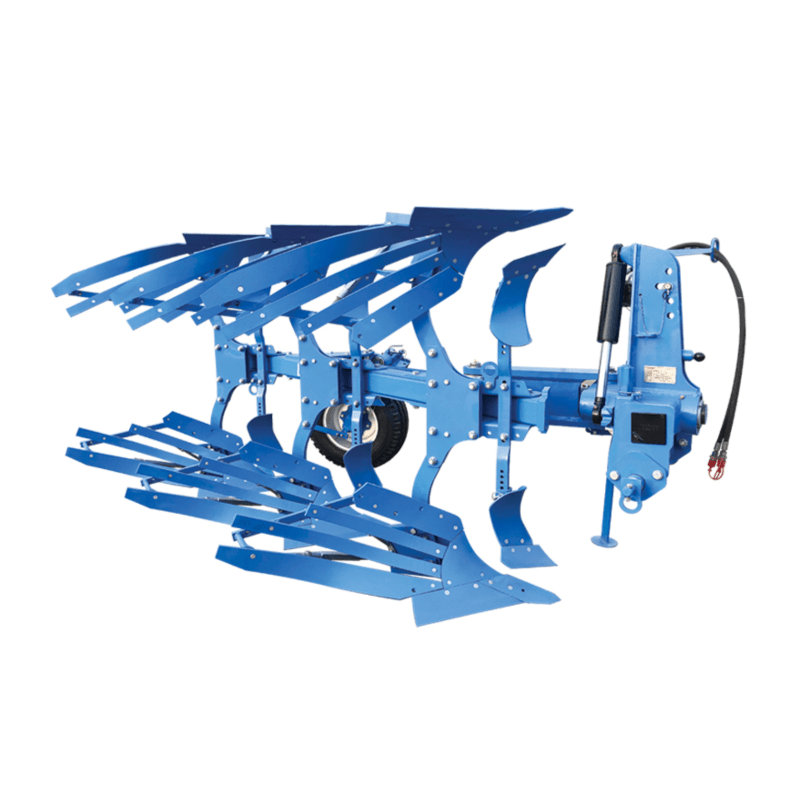
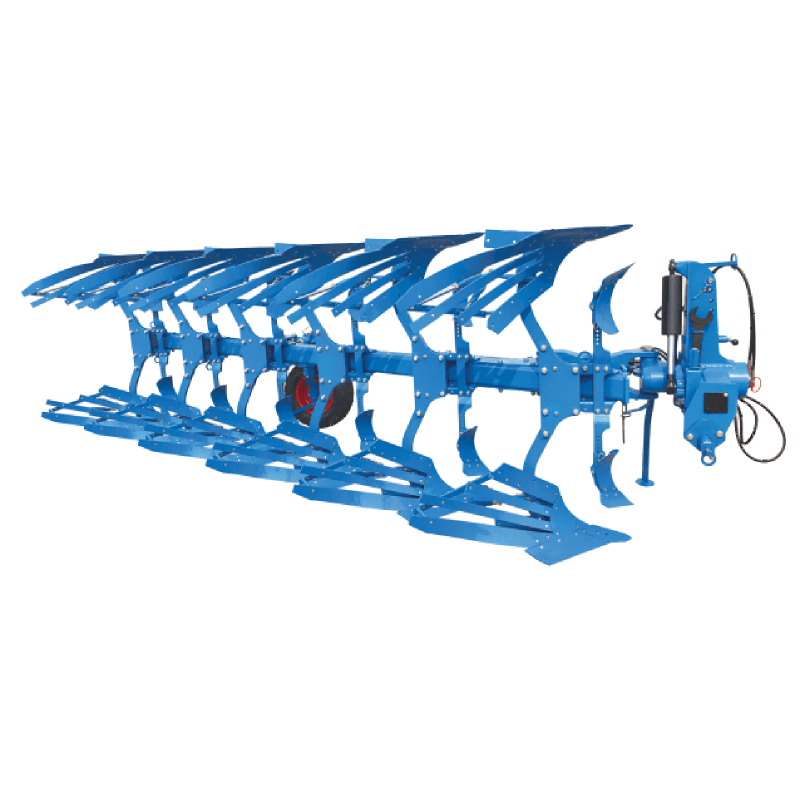
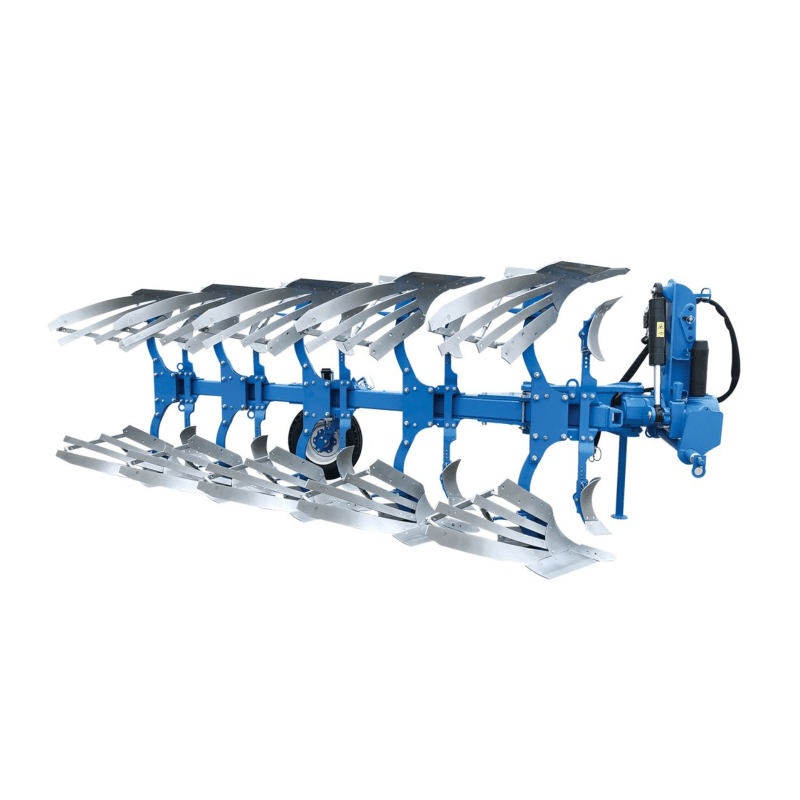
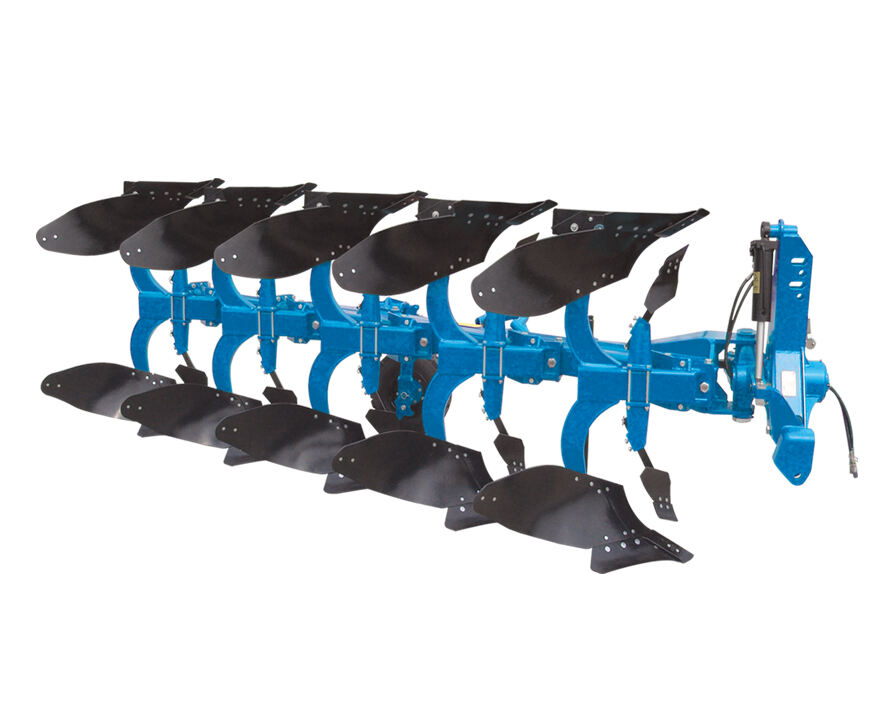
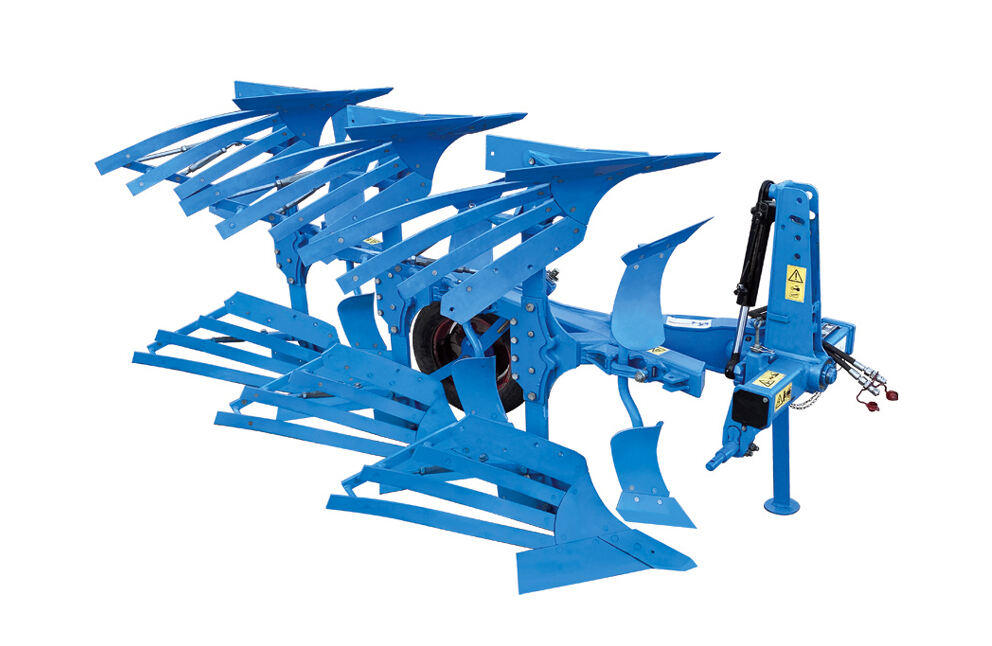
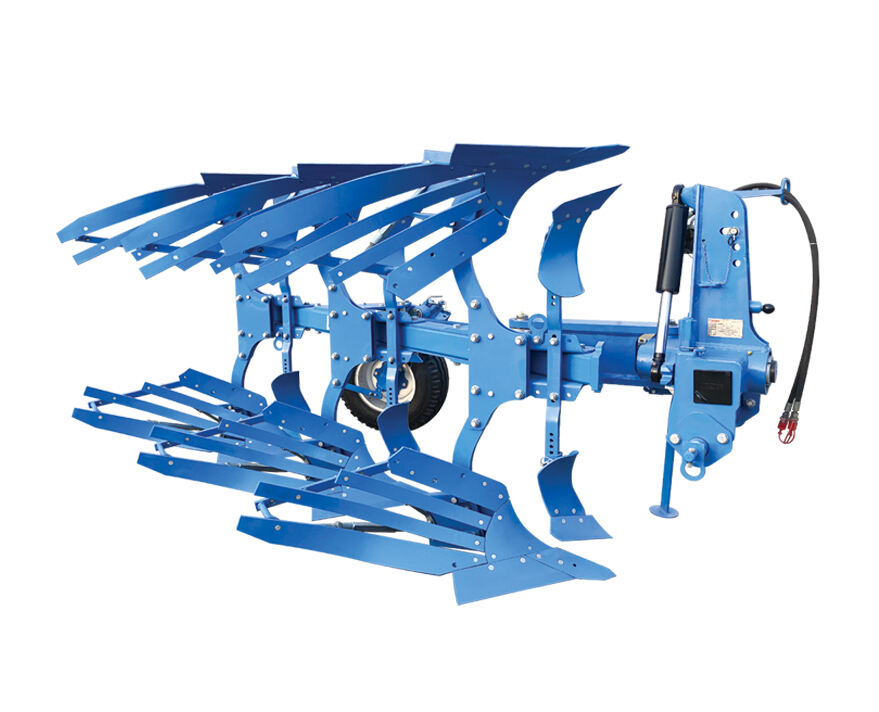
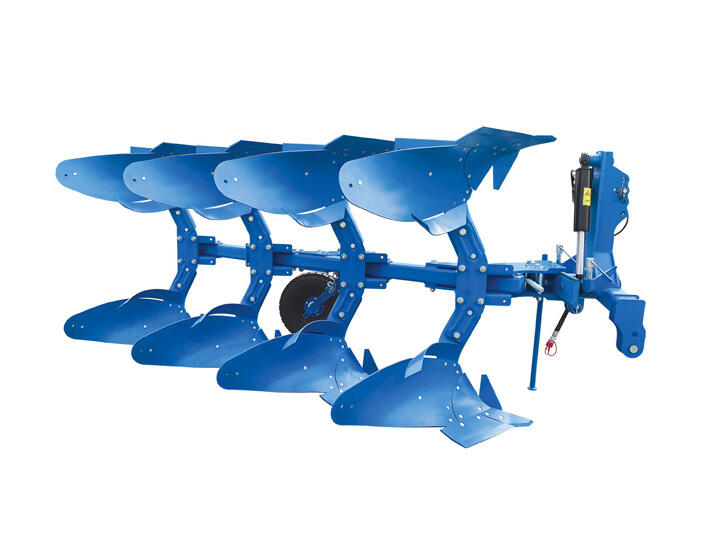
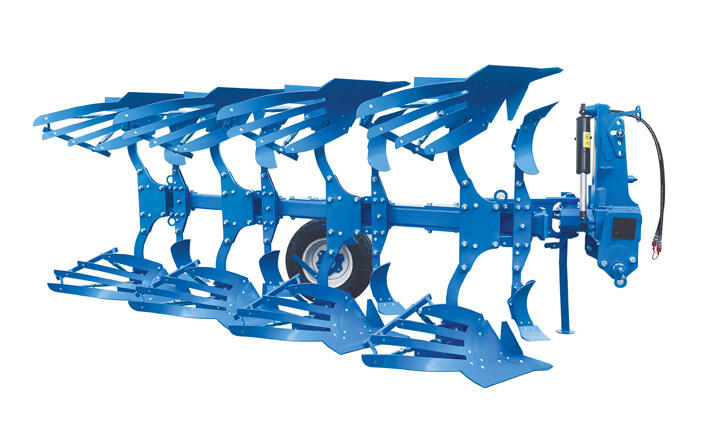
The garden tractor plough achieves superior soil inversion through its scientifically engineered mouldboard shape that guides earth along precisely calculated curves, flipping compacted layers completely while minimizing draft resistance and fuel consumption. This curved surface follows mathematical principles developed over centuries of agricultural refinement, creating a smooth transition that lifts soil from the furrow bottom, rotates it through a controlled arc, and deposits it inverted in the adjacent space without creating clods or leaving unworked strips between passes. The mouldboard's width and curvature match the working depth to ensure complete soil coverage, burying surface vegetation and residues to depths where decomposition processes proceed most efficiently, returning valuable nutrients to the root zone for subsequent crops. High-carbon steel construction withstands abrasive contact with soil particles containing silica and other hard minerals that would quickly wear inferior materials, while the polished surface maintains its low-friction characteristics through countless operating hours, ensuring consistent performance across clay, loam, and sandy soil compositions. Adjustable mouldboard angles accommodate different soil conditions, with steeper settings for sticky clay that requires aggressive turning and gentler angles for friable loam that inverts easily without excessive power requirements. This adaptability proves especially valuable in mixed soil environments where texture varies across different garden sections, allowing operators to optimize the plough configuration for each specific area without compromising results. The mouldboard's width spans between twelve and sixteen inches on most garden tractor plough models, providing an ideal balance between coverage area and tractor pulling capacity, enabling completion of substantial plots without overwhelming compact power units or requiring multiple passes to achieve desired results. Reinforcement ribs prevent flexing under load, maintaining the mouldboard's designed curvature even when encountering rocks or compacted subsoil layers that would deform lighter implements. This structural integrity ensures consistent furrow quality from the first pass to the last, eliminating the performance degradation that occurs with implements that gradually distort under field stresses, requiring costly repairs or replacement.
 EN
EN