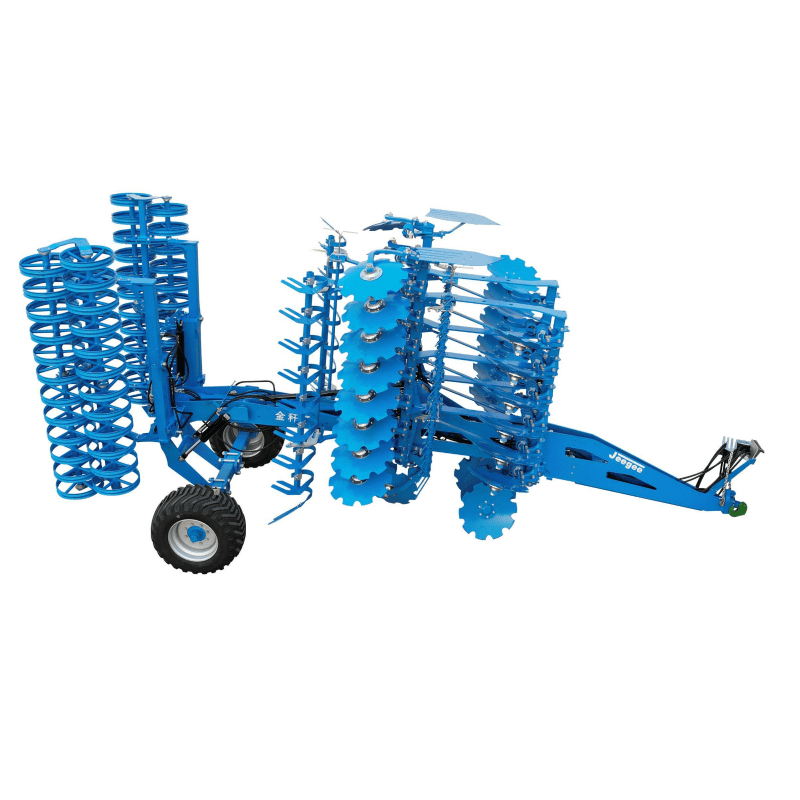
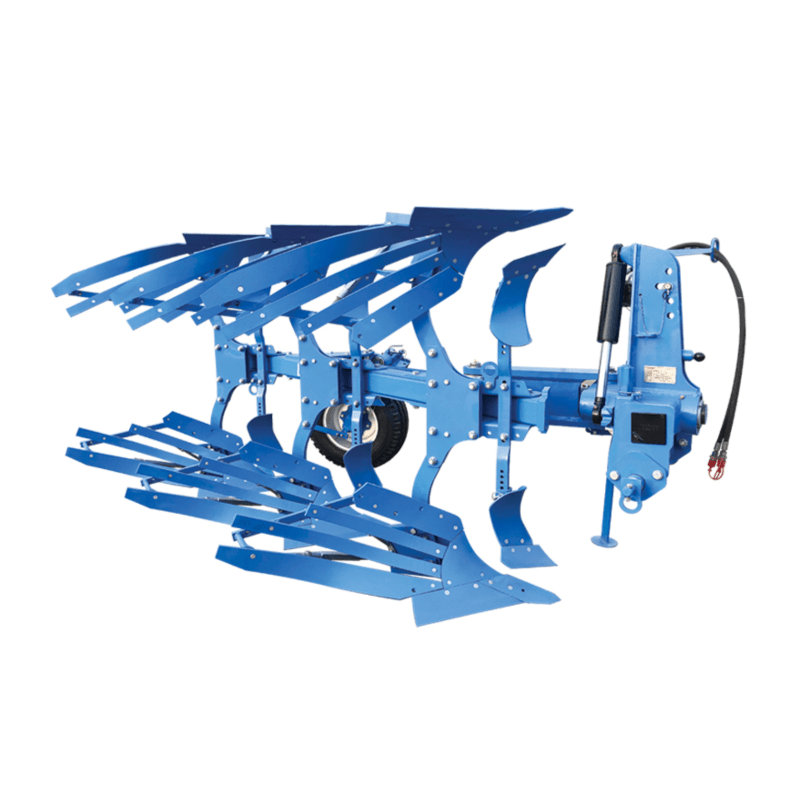
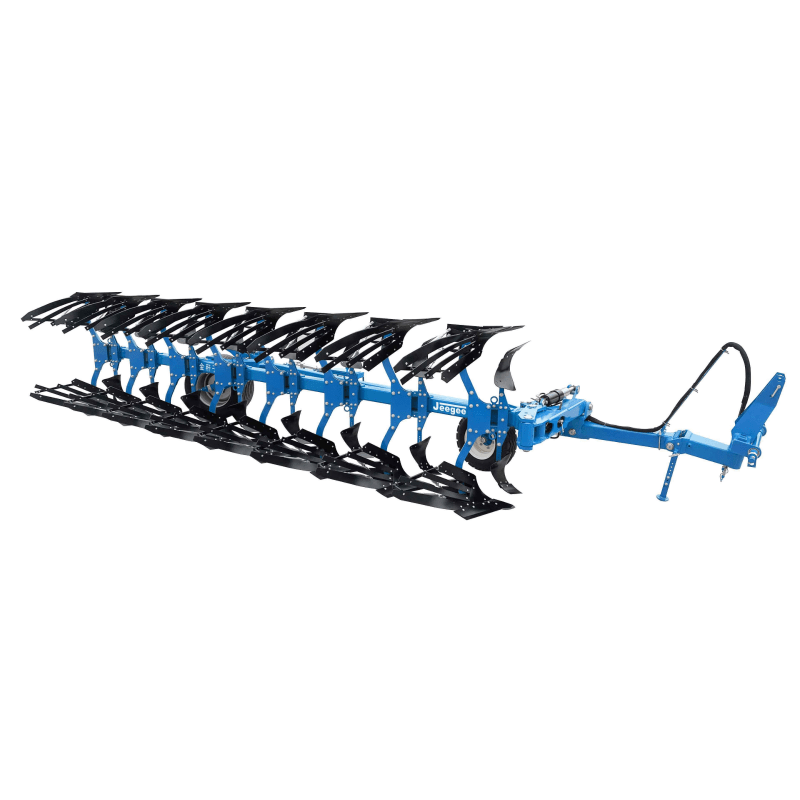
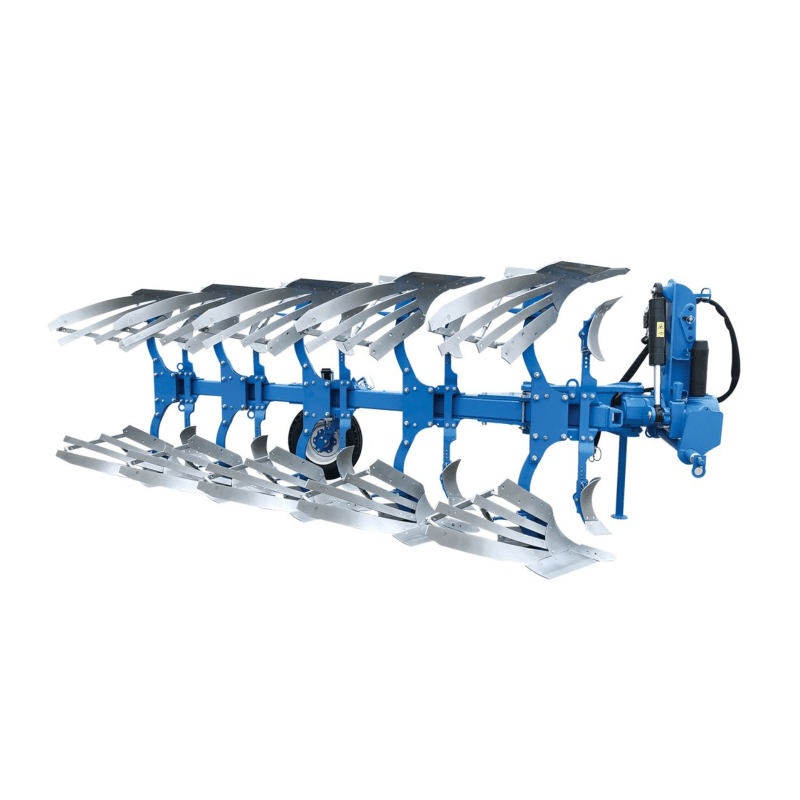
Sub Soiler Plough: Deep Tillage Equipment for Breaking Soil Compaction and Improving Agricultural Productivity

+86-13615166566
All Categories

sub soiler plough

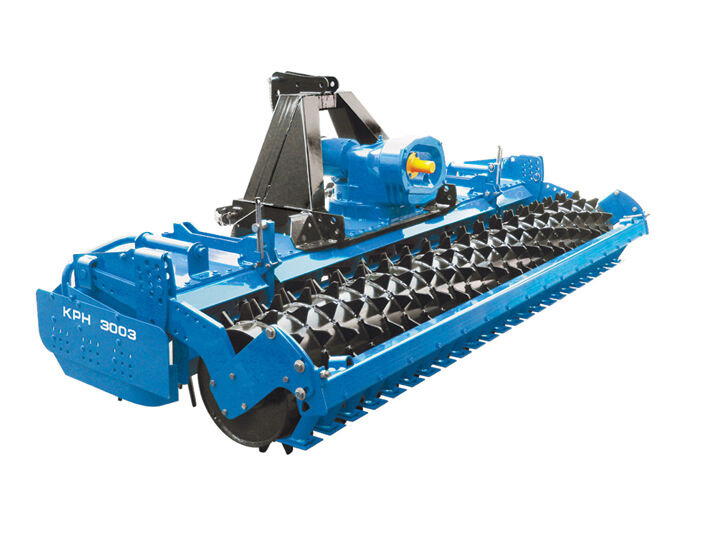
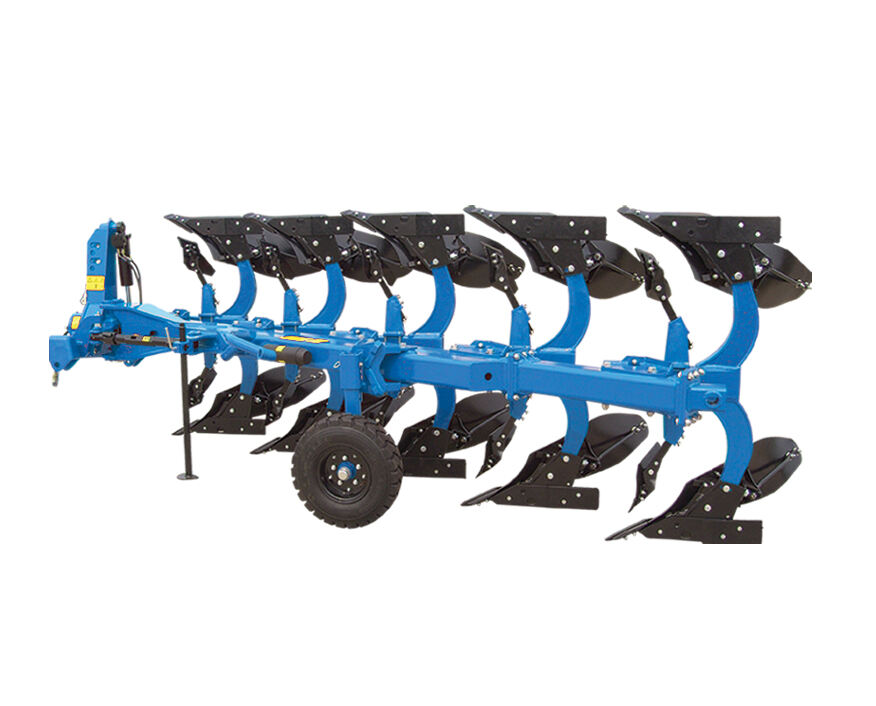
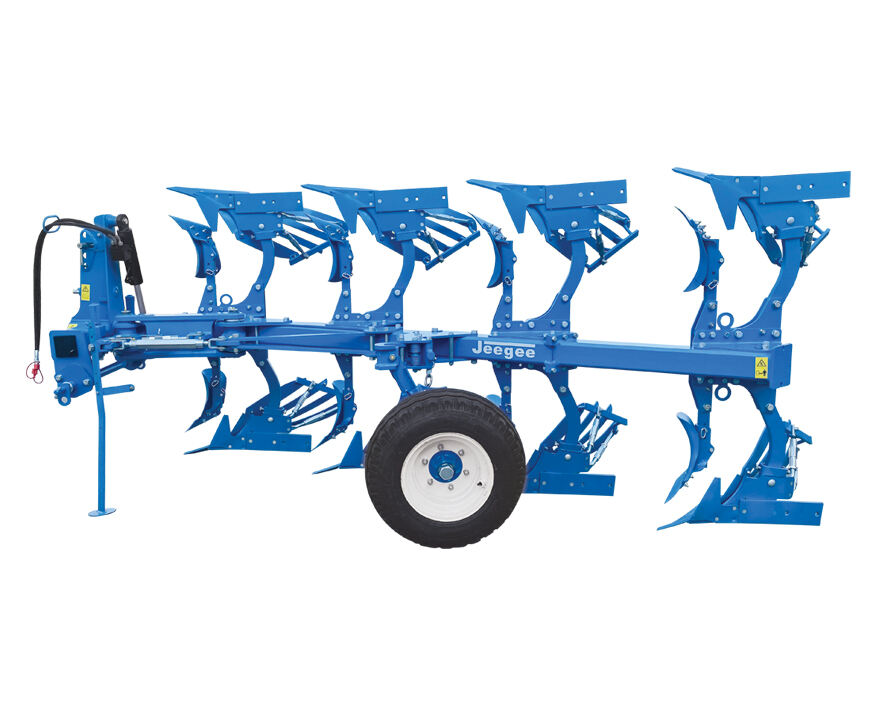
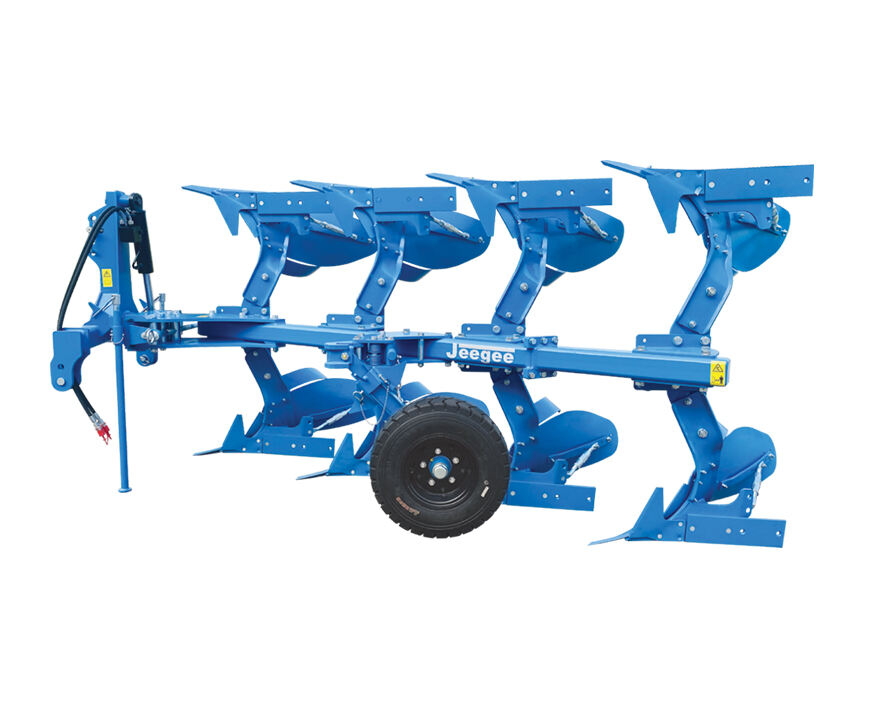
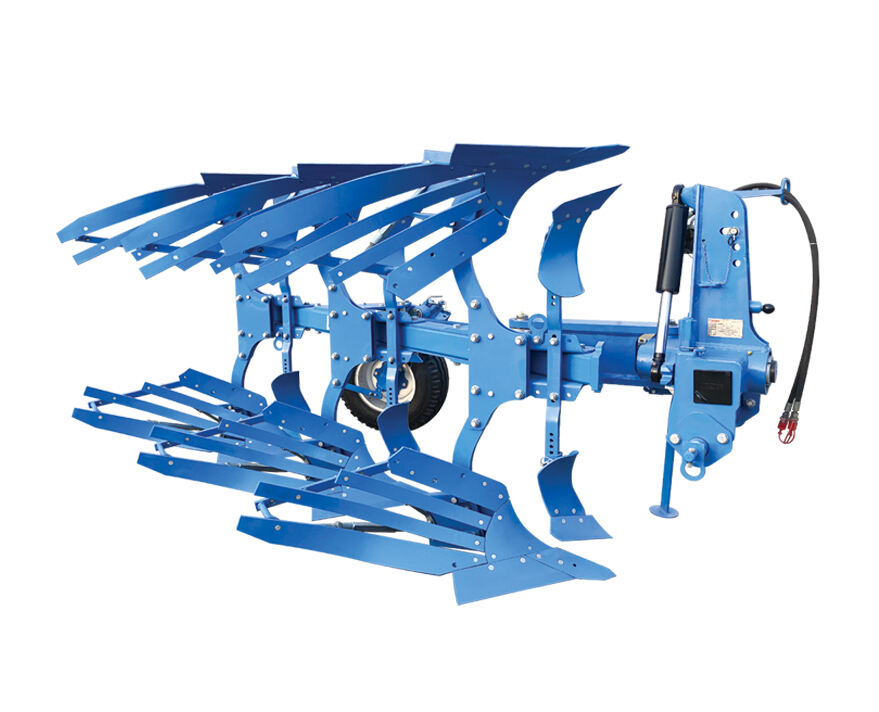
The sub soiler plough represents a transformative agricultural implement designed to address one of farming's most persistent challenges: soil compaction beneath the surface layer. This robust piece of equipment penetrates deep into the ground, typically reaching depths between 12 to 24 inches, breaking through hardpan layers that conventional tillage tools cannot reach. Unlike standard ploughs that merely turn over topsoil, the sub soiler plough creates fractures and fissures in compacted subsoil without inverting soil layers or bringing infertile material to the surface. The implement features strong, narrow tines or shanks made from hardened steel, strategically spaced to maximize coverage while minimizing draft requirements. Modern sub soiler plough designs incorporate innovative technological features including adjustable working depths, replaceable wear points, and optional rolling coulters that cut through surface residue before the main shanks penetrate. Many models now include automatic reset mechanisms using shear bolts or spring-loaded systems that protect the equipment when encountering rocks or obstacles. The primary function centers on improving soil structure by shattering compacted layers, thereby enhancing water infiltration rates, promoting deeper root development, and facilitating better nutrient movement throughout the soil profile. Agricultural operations utilize this equipment in various scenarios: preparing fields after years of heavy machinery traffic, rehabilitating pastureland, establishing new orchards or vineyards, and improving drainage in fields prone to waterlogging. The sub soiler plough proves particularly valuable in clay-heavy soils and areas where natural soil stratification creates barriers to root penetration. Its application extends across diverse farming systems, from conventional row crop production to organic agriculture, and from small family farms to large commercial operations seeking to optimize long-term soil health and productivity.

New Product Recommendations

Investing in a sub soiler plough delivers measurable improvements to your farming operation that directly impact your bottom line. First and foremost, this equipment breaks up hardpan layers that act like concrete barriers beneath your fields, allowing plant roots to grow deeper and access moisture and nutrients that were previously unreachable. When roots penetrate further into the soil profile, your crops become more resilient during dry spells because they can draw water from deeper reserves, reducing your dependence on irrigation and lowering water costs. The sub soiler plough dramatically improves water management across your property by creating channels that allow rainwater to soak into the ground rather than running off the surface. This means less erosion, reduced nutrient loss, and better utilization of natural precipitation. Fields treated with a sub soiler plough show improved drainage characteristics, eliminating standing water that delays planting, promotes disease, and reduces yields in low-lying areas. Farmers consistently report yield increases ranging from 10 to 30 percent in subsequent growing seasons after subsoiling, with the most dramatic improvements occurring in previously compacted fields. The equipment requires less frequent operation compared to annual tillage implements, as the benefits of deep ripping persist for multiple years depending on soil type and traffic patterns, making it a cost-effective long-term investment. Fuel efficiency improves in treated fields because tractors and equipment encounter less resistance when working loose, well-structured soil compared to compacted ground. The sub soiler plough enables better fertilizer efficiency since nutrients can move through the improved soil structure to reach root zones instead of remaining locked in impenetrable layers or washing away with surface runoff. Environmental stewardship becomes easier as improved infiltration reduces agricultural runoff that carries sediment and chemicals into waterways. Your equipment experiences less wear and tear when operating in fields with better soil structure, extending the service life of planters, cultivators, and harvesters. The sub soiler plough works effectively behind appropriately sized tractors without requiring excessive horsepower, making it accessible for operations of various scales. Maintenance demands remain minimal with simple greasing points and occasional replacement of wear parts like tips and wings. The versatility of this implement allows you to address specific problem areas or treat entire fields based on your assessment of compaction severity, giving you control over how and where you invest your time and resources for maximum return.

Practical Tips

How Does a Tiller Cultivator Help in Weed Control and Soil Aeration?

07

Jul

How Does a Tiller Cultivator Help in Weed Control and Soil Aeration?

What is a Tiller Cultivator? Tiller cultivators are those machines farmers use to break up and turn over soil before planting crops. The spinning metal teeth on these machines work their way through the ground, creating loose soil beds that make ae...
View More
What Are the Environmental Impacts of Using a Reversible Plough in Sustainable Farming?

27

Aug

What Are the Environmental Impacts of Using a Reversible Plough in Sustainable Farming?

Understanding Modern Sustainable Agriculture Through Advanced Ploughing Techniques The agricultural sector stands at a crucial intersection between feeding the world's growing population and preserving our planet's delicate ecosystems. In this contex...
View More
Reversible Plough Maintenance: Essential Tips & Tricks

20

Oct

Reversible Plough Maintenance: Essential Tips & Tricks

Maximizing Agricultural Efficiency Through Proper Implement Care The reversible plough stands as a cornerstone of modern farming operations, revolutionizing the way agricultural professionals approach soil preparation. This sophisticated implement en...
View More
How to Choose a Reversible Plough for Modern Farming

13

Mar

How to Choose a Reversible Plough for Modern Farming

Revolutionary Advancements in Modern Agricultural Machinery The agricultural landscape has witnessed remarkable transformations over the decades, with the reversible plough standing as a testament to engineering excellence in farming technology. Thes...
View More

Get a Free Quote

Our representative will contact you soon.
Email
Name
Company Name
Message
0/1000

sub soiler plough

Deep Soil Penetration Technology for Enhanced Root Development

Deep Soil Penetration Technology for Enhanced Root Development

The sub soiler plough employs specialized engineering that enables it to penetrate soil depths that remain completely untouched by conventional farming equipment, creating an underground environment where plant roots thrive like never before. The implement's curved shanks are precisely angled to slice through compressed soil layers while lifting and fracturing the material in a way that creates lasting structural improvements. This design approach differs fundamentally from simple ripping, as the parabolic shape of quality sub soiler plough shanks generates an upward and outward force that shatters compaction across a wider zone than the shank width alone would suggest. The fracturing action creates interconnected networks of cracks and fissures extending several inches to either side of each shank's path, meaning fewer passes are required to treat an entire field effectively. These underground channels become highways for root exploration, allowing crops to develop root systems that extend 40 to 60 percent deeper than in untreated soil. Deeper roots translate directly to stronger, healthier plants that access moisture reserves during critical growth stages when surface soil dries out. Research demonstrates that corn, soybeans, wheat, and other row crops show remarkable improvements in drought tolerance following subsoiling operations, with roots documented reaching depths of 36 inches or more in previously impenetrable clay subsoils. The sub soiler plough's ability to work at variable depths means you can customize operations based on where compaction actually exists in your specific fields, avoiding unnecessary deep working in areas where soil structure remains adequate. Modern depth control systems, whether mechanical or hydraulic, maintain consistent working depth across varying field conditions, ensuring uniform treatment even when traversing slopes or transitioning between soil types. The narrow profile of sub soiler plough shanks minimizes soil disturbance at the surface, preserving existing residue cover that protects against erosion while still delivering profound improvements in the root zone below.
Superior Water Management and Infiltration Capacity

Superior Water Management and Infiltration Capacity

Water represents the most critical factor limiting agricultural productivity in many regions, and the sub soiler plough directly addresses water-related challenges by fundamentally improving how moisture moves through and is stored within your soil profile. Compacted subsoil layers create impermeable barriers that prevent rainfall from soaking downward, forcing water to move laterally across the surface where it causes erosion, carries away valuable topsoil, and ultimately leaves fields either flooded in low spots or parched on slopes. The sub soiler plough shatters these barriers, creating vertical fractures that function as infiltration channels, allowing water to percolate rapidly through the soil profile to be stored in deeper layers where evaporation cannot reach it. Field measurements show that properly subsoiled ground can absorb water at rates three to five times faster than compacted soil, meaning more of each rainfall event actually enters your fields rather than running off. This improved infiltration delivers multiple cascading benefits throughout the growing season. During heavy rainfall events, fields drain more quickly, allowing earlier field access for planting, spraying, or harvesting operations that would be delayed in compacted conditions. The sub soiler plough effectively addresses waterlogging problems in poorly drained fields by creating pathways for excess moisture to move downward and laterally to natural drainage channels or tile systems. In contrast, during dry periods, the deeper soil moisture reserves created by improved infiltration provide a buffer that sustains crop growth when surface inches become depleted. Plants growing in subsoiled fields show less water stress during drought because their extensive root systems access moisture stored at depth. Irrigation efficiency improves dramatically as applied water penetrates uniformly rather than ponding or running off, meaning you achieve better crop response with less water input. The sub soiler plough contributes to watershed health by keeping water on your land where it recharges groundwater supplies instead of contributing to downstream flooding and stream bank erosion. Environmental regulations increasingly focus on agricultural water management, and the sub soiler plough provides a practical tool for demonstrating responsible stewardship while simultaneously improving your operational productivity and profitability through better moisture utilization.
Long-Term Soil Health Investment with Lasting Economic Returns

Long-Term Soil Health Investment with Lasting Economic Returns

Purchasing a sub soiler plough represents a strategic investment in the foundational health of your farming operation, delivering benefits that compound over multiple growing seasons rather than requiring repeated annual interventions. Unlike tillage practices that provide short-term seedbed preparation but may actually worsen compaction over time through repeated trafficking and mechanical manipulation, the sub soiler plough addresses underlying structural problems that limit productivity year after year. The fracturing action creates improvements in soil architecture that persist because the implement works below the zone of annual cultivation, meaning subsequent field operations do not immediately recompact the treated depth. Farmers typically observe that subsoiling benefits remain evident for three to five years in most soil types, with clay soils often showing even longer-lasting improvements due to the stable structure of fractured clay particles. This longevity means you can amortize the equipment cost and operational expenses across multiple crop cycles, resulting in a highly favorable return on investment compared to inputs that require annual repurchase. Economic analysis consistently demonstrates that yield improvements of even 5 to 10 percent across several years easily justify subsoiling costs, while many operations experience much larger productivity gains in fields where compaction had severely limited previous performance. The sub soiler plough enables you to reclaim fields that may have been written off as poor performers, bringing marginal ground back into profitable production by correcting the hidden underground problems that no amount of fertilizer or seed genetics could overcome. Reduced input costs accompany the yield improvements as better soil structure means applied fertilizers reach root zones more effectively, irrigation water penetrates rather than runs off, and fuel consumption decreases when working in loose, well-aggregated soil. Equipment longevity improves across your entire machinery fleet because tractors, planters, and harvesters operate with less strain in fields with good soil structure compared to struggling through compacted ground. The sub soiler plough requires minimal maintenance beyond basic lubrication and periodic replacement of wear components like shank tips, making ongoing ownership costs predictable and manageable. Versatility adds further value as the implement serves multiple functions across diverse field conditions and crop rotations, addressing compaction in annual cropland, renovating pastures, preparing orchard sites, and improving drainage in problem areas throughout your operation.

Get a Free Quote

Our representative will contact you soon.
Email
Name
Company Name
Message
0/1000