ard plough
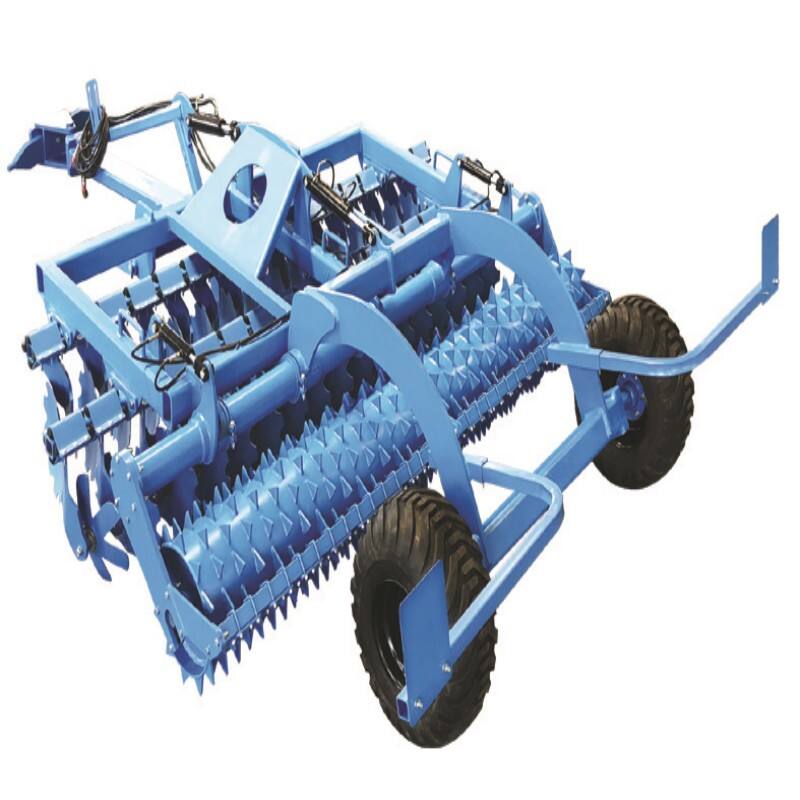
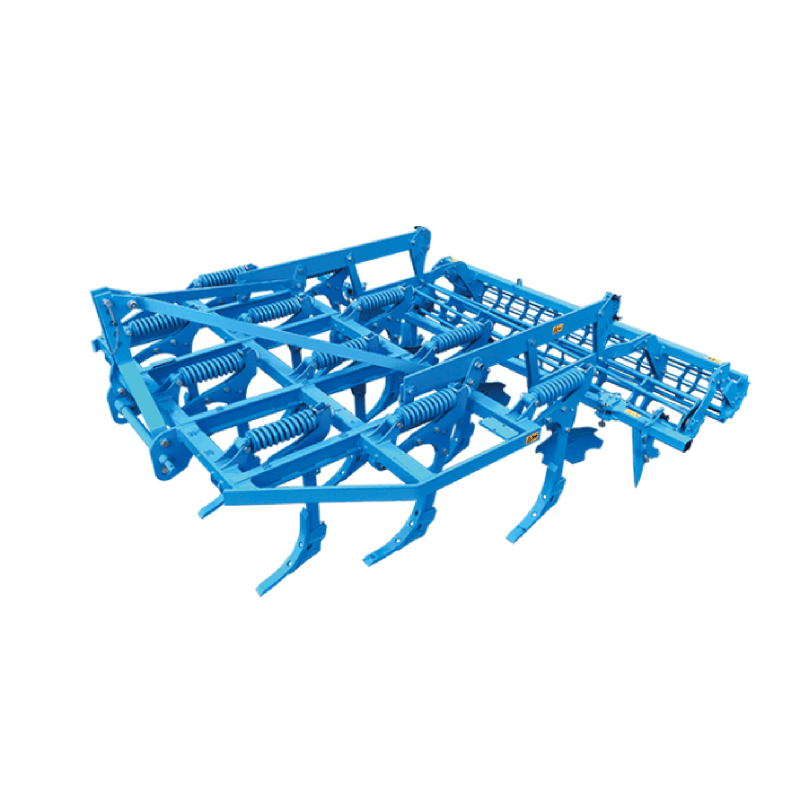
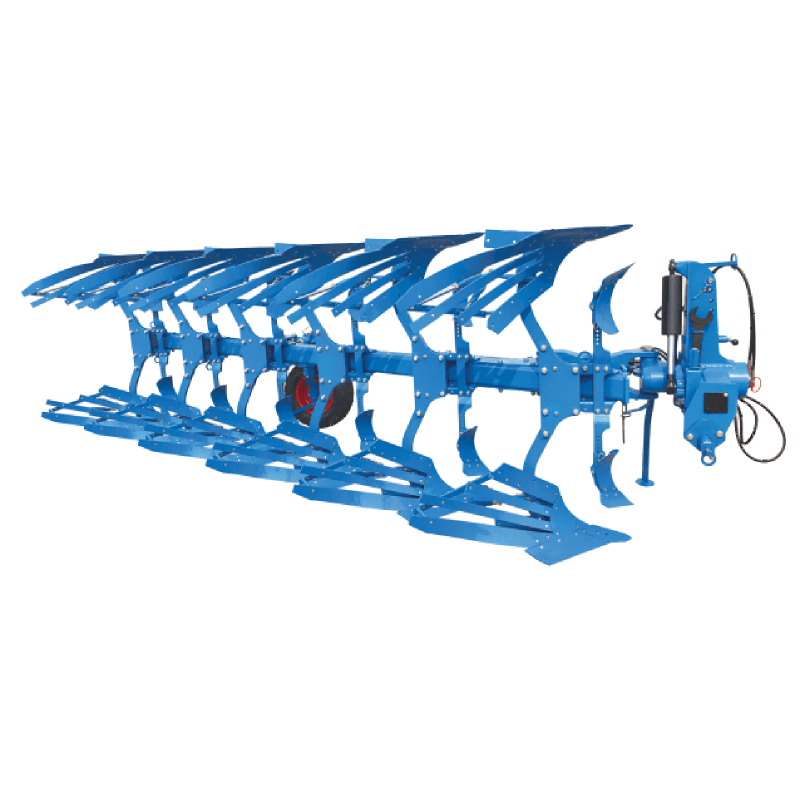
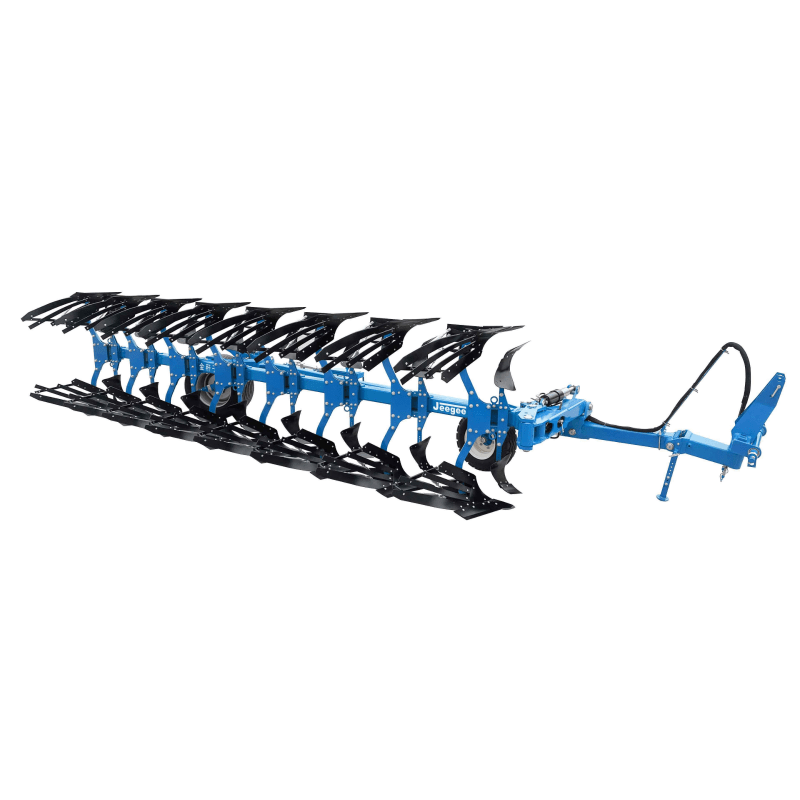
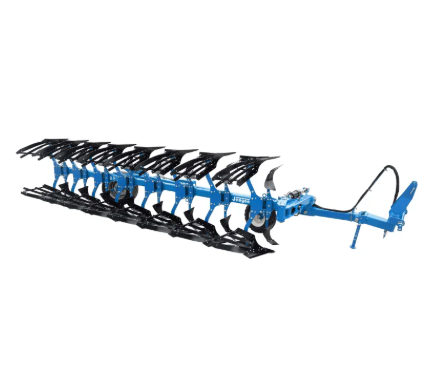
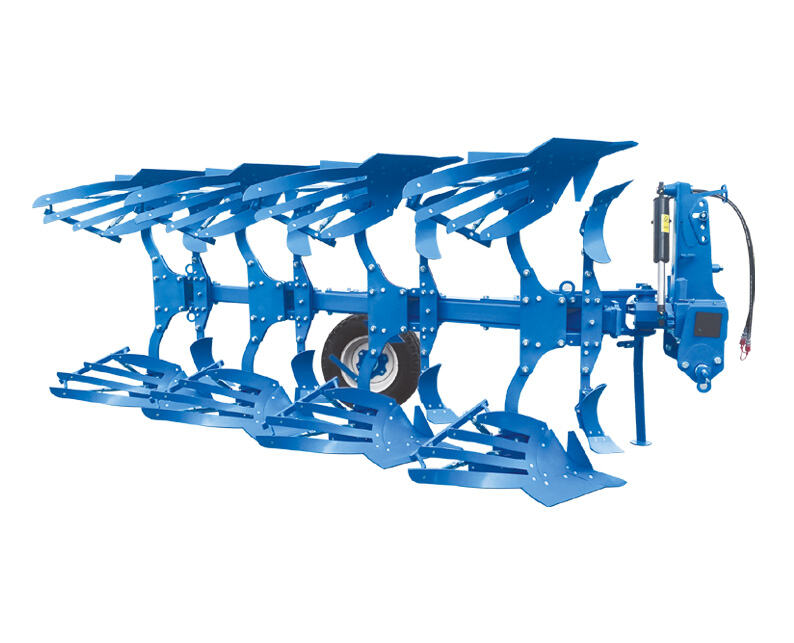
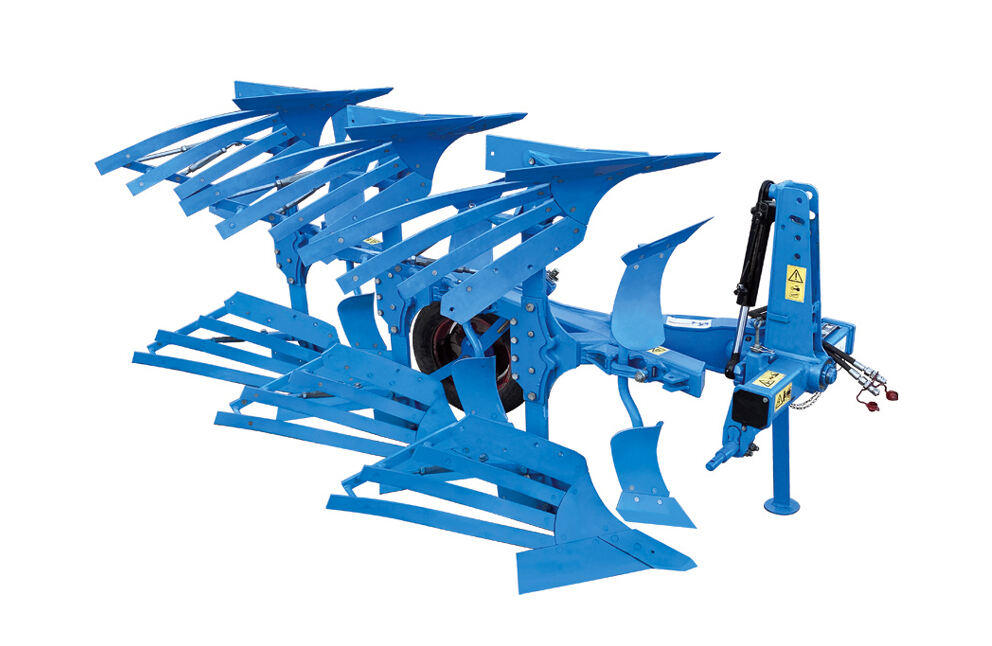
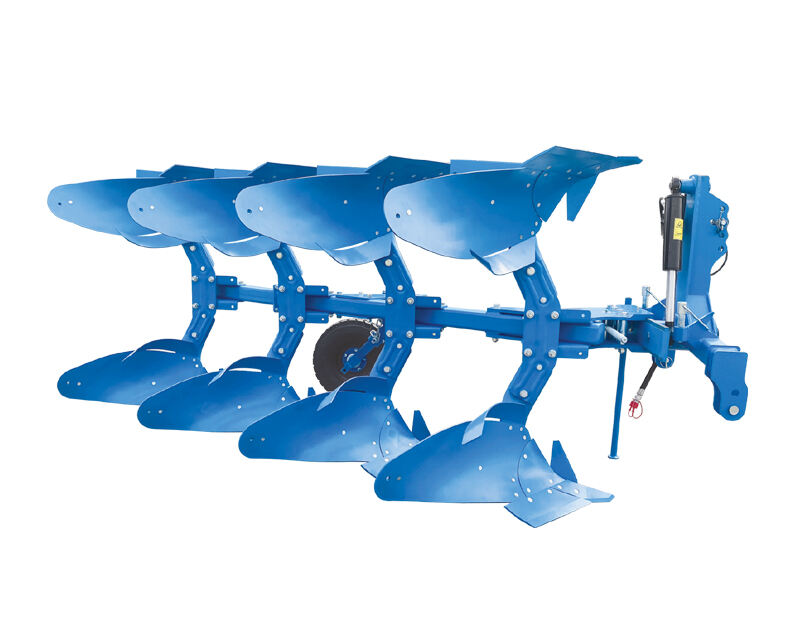
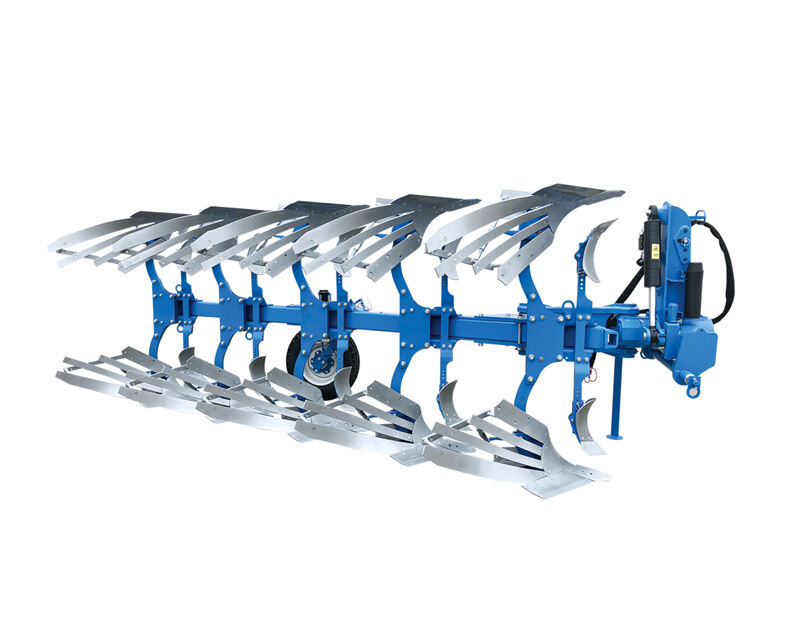
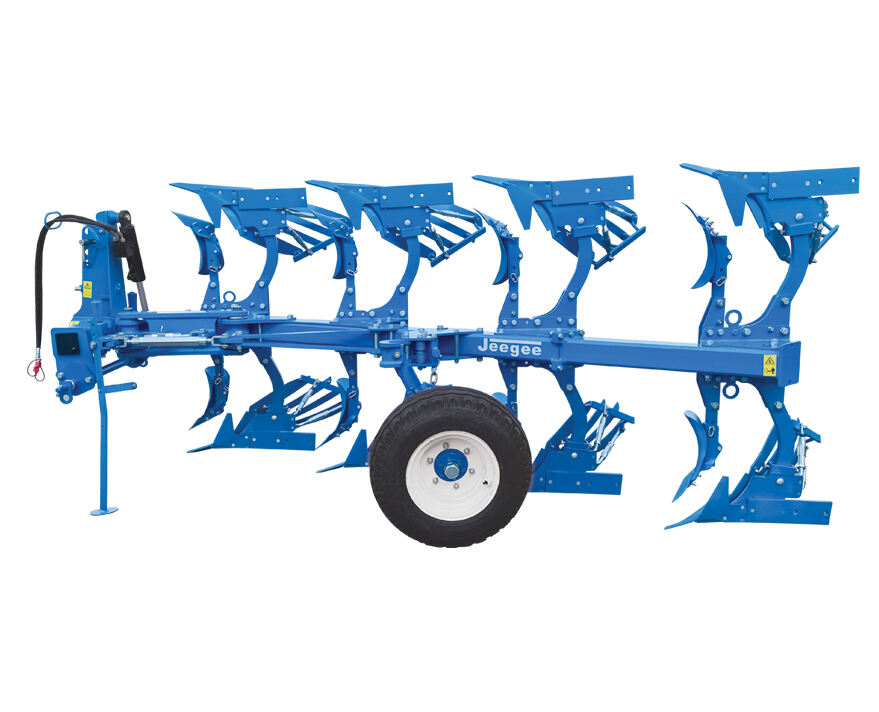
The ard plough represents one of humanity's most significant agricultural innovations, serving as a fundamental soil cultivation tool that has shaped farming practices for thousands of years. This primitive yet effective implement is designed to break up soil surfaces, create furrows for seed planting, and prepare land for cultivation without turning the soil completely over. Unlike modern moldboard ploughs, the ard plough features a simple pointed design that scratches and loosens the earth, making it particularly suitable for light soils and dry climates. The main functions of the ard plough include soil preparation, weed control, moisture retention, and creating suitable seedbeds for various crops. Its technological features are characterized by remarkable simplicity, typically consisting of a wooden or metal frame, a pointed share that penetrates the ground, and handles for operator control. The ard plough can be drawn by human power, draft animals such as oxen or horses, or attached to modern tractors for increased efficiency. Applications of the ard plough extend across diverse agricultural settings, from small-scale subsistence farming in developing regions to specialized organic farming operations in developed countries. This tool proves especially valuable in areas where soil conservation is paramount, as it minimizes soil disturbance compared to conventional ploughing methods. The ard plough excels in preparing land for cereals, legumes, and root crops, particularly in Mediterranean climates and arid zones where preserving soil structure matters greatly. Its lightweight construction allows for easy transportation and storage, while its durable design ensures longevity even under demanding field conditions. Modern adaptations of the ard plough incorporate improved materials and ergonomic designs while maintaining the core principles that have made this implement successful throughout agricultural history, demonstrating its enduring relevance in contemporary farming systems.
 EN
EN