 EN
EN

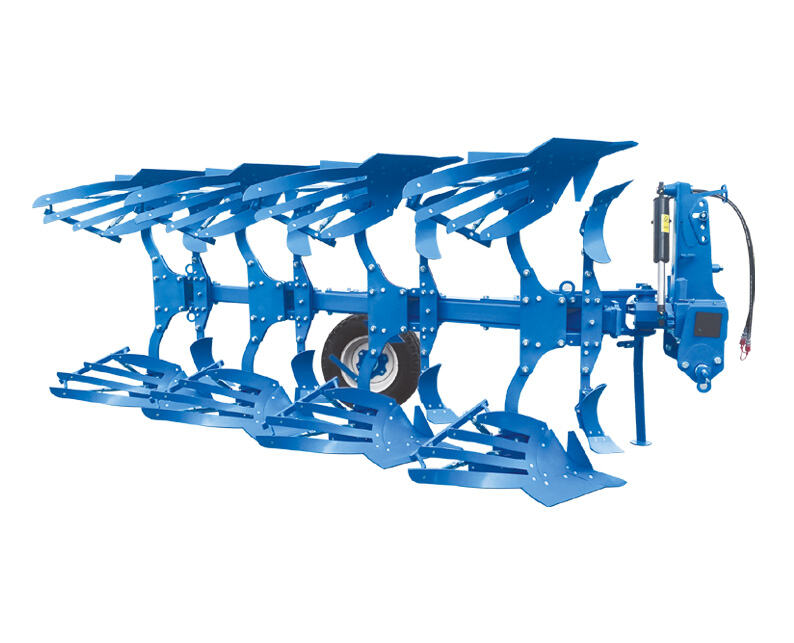
Soil preparation is the foundation of every successful growing season, and the tools used to accomplish it have evolved dramatically over the past century. Today, modern farmers across diverse agricultural landscapes rely on plough equipment not simply out of tradition, but because mechanized soil preparation delivers measurable, repeatable results that manual or animal-powered methods simply cannot match. As farm sizes grow, labor availability shrinks, and yield expectations rise, the role of plough equipment in contemporary agriculture has become more critical than ever before.
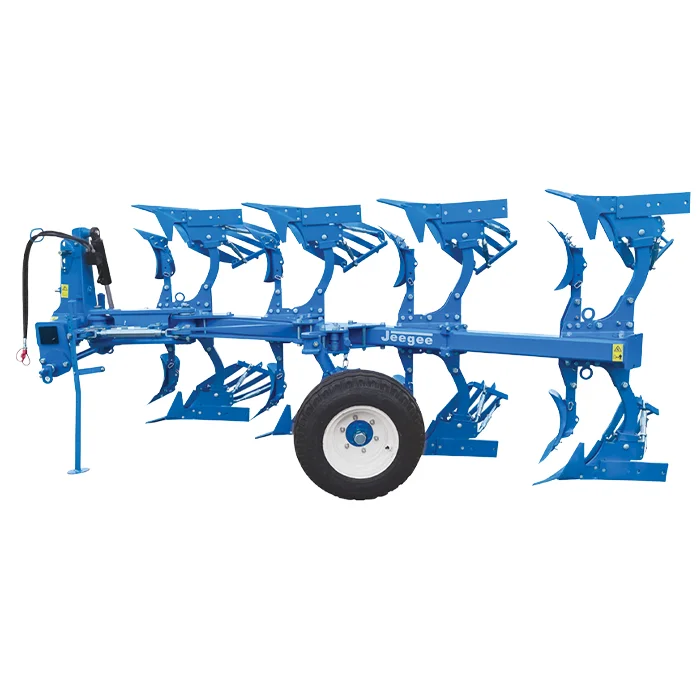
Understanding why modern farmers invest in mechanized plough equipment requires looking beyond the surface of soil turning. It means examining the agronomic science behind deep tillage, the operational economics of large-scale farming, and the engineering advances that have made today's ploughing machines far more capable than their predecessors. This article explores the core reasons why plough equipment has become indispensable to mechanized soil preparation in modern agriculture.
The Agronomic Case for Mechanized Ploughing
Soil Structure and Root Zone Development
One of the primary reasons modern farmers turn to plough equipment is the direct impact it has on soil structure. Compacted soils restrict root penetration, limit water infiltration, and reduce the availability of oxygen to root systems. Mechanized plough equipment breaks through compacted layers, loosening the soil profile to depths that lighter tillage tools cannot reach. This physical restructuring creates a more hospitable environment for root development, which directly correlates with stronger plant establishment and higher yields.
Deep ploughing with modern hydraulic machines allows farmers to work at consistent, controlled depths across large field areas. Unlike shallow cultivation, which only addresses the top few centimeters of soil, effective plough equipment can penetrate 30 to 50 centimeters or more, depending on the machine configuration. This depth is particularly important for crops with extensive root systems such as maize, sunflower, and sugar beet, where root zone volume directly influences nutrient and water uptake.
The structural benefits of mechanized ploughing also extend to long-term soil health. By regularly inverting and aerating the soil, farmers reduce the buildup of hardpan layers that form over time due to repeated surface-level tillage and heavy machinery traffic. Consistent use of quality plough equipment as part of a managed tillage program helps maintain a productive soil profile season after season.
Organic Matter Incorporation and Nutrient Cycling
Modern plough equipment plays a vital role in incorporating crop residues, cover crops, and organic amendments into the soil. After harvest, fields are often covered with stubble, straw, and plant debris. If left on the surface, this material decomposes slowly and can harbor pests and disease pathogens. Mechanized ploughing buries this organic matter efficiently, accelerating decomposition and returning nutrients to the soil profile where they are accessible to the next crop.
The inversion action of a well-designed plough also helps distribute applied fertilizers, lime, and manure more evenly through the root zone. Surface-applied amendments that are simply left on top of the soil are subject to runoff and volatilization losses. When incorporated by plough equipment, these inputs are placed where they can be most effectively utilized by growing crops, improving the return on investment for every input applied.
Farmers operating in regions with heavy clay soils or high organic matter content particularly benefit from the mixing action of mechanized plough equipment. These soils tend to stratify over time, with nutrient-rich layers concentrating near the surface. Ploughing redistributes these layers, creating a more uniform growing medium that supports consistent crop performance across the entire field.
Operational Efficiency and Scale Requirements
Meeting the Demands of Large-Scale Farming
Modern agricultural operations are significantly larger than those of previous generations. A single farm may encompass hundreds or even thousands of hectares, and the window for soil preparation between harvest and planting is often narrow. Manual or animal-powered tillage methods are simply not viable at this scale. Mechanized plough equipment mounted on high-horsepower tractors allows farmers to cover large areas quickly, ensuring that soil preparation is completed within the optimal agronomic window.
Three-point mounted plough equipment, such as full-suspension hydraulic ploughing machines, is particularly well-suited to large-scale operations because it integrates directly with the tractor's hydraulic system. This integration allows the operator to adjust ploughing depth, angle, and pressure from the cab without stopping, dramatically improving field efficiency. The ability to make real-time adjustments means that plough equipment can adapt to changing soil conditions across a single field, maintaining consistent tillage quality throughout the operation.
Time savings translate directly into economic value. When soil preparation can be completed faster, farmers have more flexibility to respond to weather windows, plant earlier, and reduce the risk of delayed establishment. In competitive agricultural markets, operational efficiency is not just a convenience — it is a financial necessity, and modern plough equipment is central to achieving it.
Reduced Labor Dependency
Agricultural labor availability has declined in many regions due to rural-to-urban migration, aging farm workforces, and rising wage costs. Mechanized plough equipment allows a single operator to accomplish in hours what would previously have required a large team working for days. This reduction in labor dependency is one of the most compelling economic arguments for investing in modern tillage machinery.
Beyond simple labor replacement, mechanized plough equipment also reduces the physical demands placed on farm workers. Deep tillage is physically intensive work, and fatigue leads to inconsistent results when performed manually. A hydraulic ploughing machine maintains consistent working depth and speed regardless of operator fatigue, delivering uniform soil preparation quality across the entire field area.
For farm businesses operating on tight margins, the ability to reduce labor costs while maintaining or improving tillage quality represents a significant competitive advantage. Investment in reliable plough equipment is increasingly viewed not as a capital expense but as a strategic operational decision that pays dividends across multiple growing seasons.
Engineering Advances in Modern Plough Equipment
Hydraulic Systems and Depth Control
The engineering sophistication of contemporary plough equipment is one of the key reasons modern farmers prefer it over older tillage methods. Hydraulic full-suspension systems allow the plough to follow the natural contours of the land while maintaining a consistent working depth. This is particularly important in fields with uneven terrain, where older rigid-frame ploughs would either dig too deep in low spots or fail to penetrate adequately on rises.
Hydraulic depth control also allows farmers to set precise tillage depths for different crops and soil conditions. A farmer preparing ground for a shallow-rooted vegetable crop may set the plough equipment to work at 25 centimeters, while the same machine can be adjusted to 45 centimeters or more for deep-rooted field crops. This versatility means that a single piece of plough equipment can serve multiple purposes across a diversified farming operation.
Modern hydraulic systems also improve the safety and ease of headland turns. Older plough designs required manual effort to lift and reset at field ends, which was time-consuming and physically demanding. Hydraulic lifting integrated with the tractor's three-point linkage makes headland management fast and effortless, reducing non-productive time and operator fatigue during long working days.
Durability and Material Engineering
Contemporary plough equipment is built from high-strength steel alloys and wear-resistant materials that significantly extend service life compared to earlier designs. Plough bodies, shares, and mouldboards are engineered to withstand the abrasive forces of soil contact over thousands of operating hours. This durability is essential for farm businesses that need their equipment to perform reliably season after season without frequent replacement of wearing parts.
The geometry of modern plough bodies has also been refined through decades of agronomic research and field testing. The curvature of the mouldboard, the angle of the share, and the spacing between plough bodies are all optimized to achieve clean soil inversion with minimal draft resistance. Reduced draft means lower fuel consumption per hectare, which is a meaningful cost saving when plough equipment is operating across large areas.
Maintenance accessibility is another engineering priority in modern plough equipment design. Wearing components such as shares and points are designed for quick field replacement, minimizing downtime during critical soil preparation periods. Farmers can carry spare parts and make replacements without specialized tools, keeping the machine productive even in remote field locations.
Soil Health, Weed Management, and Crop Establishment
Weed Seed Burial and Pest Disruption
One of the often-overlooked benefits of mechanized plough equipment is its role in integrated weed management. The inversion action of a plough buries weed seeds that have accumulated on the soil surface, placing them at depths where germination is suppressed or impossible. This physical weed control mechanism reduces the weed seedbank over time, decreasing the pressure on herbicide programs and lowering input costs.
Ploughing also disrupts the habitat of soil-dwelling pests and pathogens. Wireworms, cutworms, and various fungal pathogens that overwinter in the upper soil layers are exposed to surface conditions and predation when plough equipment inverts the soil. This disruption does not eliminate pest pressure entirely, but it is a meaningful component of an integrated pest management strategy that reduces reliance on chemical controls.
For farmers transitioning fields from one crop type to another, deep ploughing with quality plough equipment provides a clean break from the previous crop's disease and pest legacy. This is particularly valuable in rotations involving crops that share common pathogens, where reducing inoculum levels in the soil can significantly improve the health and productivity of the following crop.
Seedbed Quality and Uniform Crop Establishment
The quality of the seedbed created by plough equipment directly influences germination rates, emergence uniformity, and early crop vigor. A well-ploughed field presents a loose, friable soil structure that allows seeds to be placed at consistent depths with good soil-to-seed contact. This consistency is the foundation of uniform crop establishment, which in turn supports more even maturity and easier harvest management.
Modern plough equipment used in combination with subsequent secondary tillage operations creates seedbeds that meet the precise requirements of precision seeding technology. As farmers adopt GPS-guided planters and variable-rate seeding systems, the importance of a uniform, well-prepared seedbed becomes even greater. Inconsistent soil preparation undermines the performance of even the most advanced planting equipment.
In regions with heavy rainfall or irrigation, a properly ploughed seedbed also improves drainage and reduces the risk of waterlogging during early crop establishment. The open soil structure created by plough equipment allows excess water to move through the profile more freely, protecting young seedlings from the oxygen stress that occurs in saturated soils.
FAQ
What is the main purpose of plough equipment in modern farming?
The main purpose of plough equipment in modern farming is to mechanically prepare the soil for planting by breaking up compacted layers, inverting the soil profile, incorporating organic matter and crop residues, and creating a uniform seedbed. This process improves root zone conditions, supports nutrient cycling, and sets the foundation for strong crop establishment and high yields.
How does hydraulic plough equipment differ from older plough designs?
Hydraulic plough equipment, particularly full-suspension designs mounted on a tractor's three-point linkage, offers precise depth control, automatic adjustment to terrain variations, and easy headland management compared to older rigid or semi-mounted designs. The hydraulic system allows operators to make real-time adjustments from the cab, improving consistency and reducing operator effort across large field areas.
Can plough equipment help with weed and pest management?
Yes, plough equipment contributes to weed and pest management by burying weed seeds to depths where germination is suppressed and by disrupting the habitat of soil-dwelling pests and pathogens. While it is not a standalone solution, ploughing is a valuable component of integrated weed and pest management programs that reduce dependence on chemical inputs over time.
Is investing in modern plough equipment economically justified for smaller farms?
The economic justification for plough equipment depends on farm size, crop type, soil conditions, and labor costs. For farms of moderate to large scale, the labor savings, improved soil productivity, and operational efficiency gains typically justify the investment. Smaller operations may find value in shared ownership arrangements or contract hire services that provide access to modern plough equipment without the full capital commitment of outright purchase.