 EN
EN

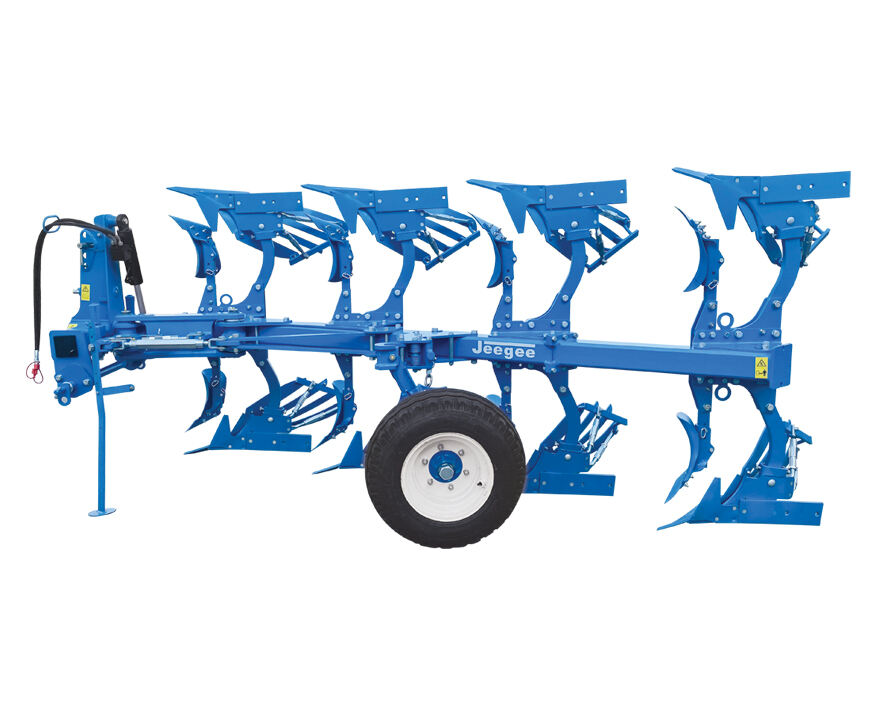
W profesjonalnym zarządzaniu gruntami rolniczymi wybór sprzętu ornej bezpośrednio wpływa na zdrowie gleby, plonowanie upraw oraz efektywność operacyjną. odwracalne pług odwracalny pług stał się jednym z najważniejszych strategicznie narzędzi w nowoczesnych operacjach rolniczych, cenionym za zdolność jednolitego odwracania gleby w obu kierunkach bez konieczności zmiany pozycji ciągnika na końcu każdej brazdy. Zrozumienie sposobu rzeczywistego zastosowania tego narzędzia w środowisku zawodowym wyjaśnia, dlaczego wyparł on tradycyjne pługi o stałej konstrukcji w tak wielu komercyjnych gospodarstwach rolnych na całym świecie.
Zawodowi zarządzający gruntami pracują w ścisłych oknach sezonowych, przy ograniczonych budżetach paliwowych oraz z uwzględnieniem wymagań dotyczących stanu gleby – wszystko to wymaga od każdego urządzenia precyzji działania. Pług odwracalny spełnia te wymagania, łącząc wszechstronność mechaniczną z niezmienną jakością odwracania warstwy glebowej. Od dużych gospodarstw uprawiających zboża po specjalistyczne uprawy roślin, sposób stosowania, regulacji i konserwacji tego narzędzia podlega dyscyplinowanemu cyklowi pracy, który odróżnia zastosowanie profesjonalne od przypadkowego orania pól. W niniejszym artykule szczegółowo omówiono ten cykl pracy, obejmujący przygotowanie urządzenia do pracy, technikę wykonywania prac w terenie, oddziaływanie na glebę oraz decyzje operacyjne definiujące ekspertyzę w zakresie użytkowania pługa odwracalnego.
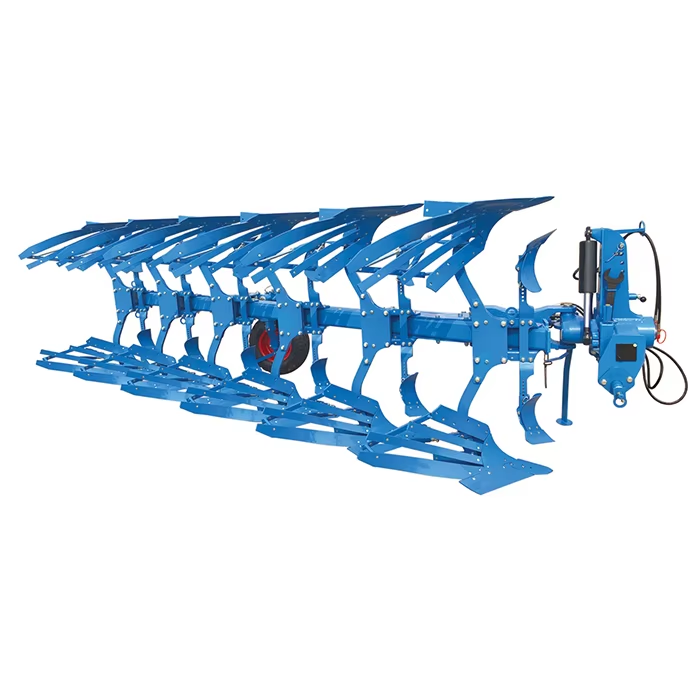
Zrozumienie podstaw mechanicznych pługa odwracalnego
Jak działa mechanizm odwracania
Główną cechą ugorowej płyty odwracalnej jest możliwość obrócenia jej zespołu korpusowego — zazwyczaj o 180 stopni — tak, aby talerze odwracające były skierowane w przeciwnym kierunku na końcu każdego przejazdu. Obrót ten realizowany jest za pomocą układu hydraulicznego połączonego z zewnętrznymi wyjściami hydraulicznymi ciągnika, co umożliwia operatorowi uruchomienie odwrócenia z kabiny bez konieczności opuszczania siedzenia. Ramę obraca się wokół osi centralnej, wypychając prawe korpusy z pozycji roboczej i dopasowując lewe korpusy do kierunku jazdy.
Ten projekt mechaniczny zapewnia, że gleba jest zawsze wyrzucana w tym samym kierunku bocznym względem granicy pola, niezależnie od kierunku jazdy ciągnika. W praktyce eliminuje to grzbiet powstający w środku pola przy użyciu tradycyjnego pługa oraz usuwa otwartą brazdę, która w przeciwnym razie pozostawałaby przy brzegu pola. Profesjonalni operatorzy polegają na tej cechę, aby uzyskać płaskie i jednolite łóżko siewne na całej szerokości roboczej pola.
System hydraulicznego odwracania na dobrze konserwowanym pługu odwracalnym działa płynnie i szybko, zwykle kończąc obrót w czasie krótszym niż dziesięć sekund. Ta szybkość jest istotna, ponieważ minimalizuje czas postoju ciągnika na skrętach, co zapewnia wysoką ogólną wydajność pracy. Operatorzy pracujący w warunkach profesjonalnych zwracają szczególną uwagę na ustawienia ciśnienia hydraulicznego oraz na stan sworzni lub zatrzasków blokujących ramę w każdej pozycji roboczej.
Typy ram i konfiguracje nadwozia
Profesjonalne odwracalne pługi są dostępne w wersjach półzawieszanych i całkowicie zawieszanych. Wersje całkowicie zawieszone mocowane są bezpośrednio do trójpunktowego układu sprzęgu ciągnika i podnoszone są w całości ponad poziom gruntu podczas transportu oraz wykonywania zwrotów na końcówkach pola. Konstrukcje półzawieszone wykorzystują tylny kołek bruzdowy lub koło transportowe, aby rozdzielić ciężar urządzenia pomiędzy ciągnik a grunt – rozwiązanie to jest szczególnie przydatne przy pracy z większą liczbą korpusów, zwykle pięcioma lub więcej, gdy całkowity ciężar przekroczyłby nośność tylnego układu sprzęgu ciągnika.
Liczba korpusów u oraczki odwracającej jest dobierana na podstawie mocy silnika ciągnika oraz docelowej głębokości orki. Ogólną zasadą stosowaną w praktyce zawodowej jest przypisanie około 20–25 KM na jeden korpus przy orce na standardowej głębokości 20–25 cm. Przekroczenie tego stosunku prowadzi do poślizgu kół, nieregularnej głębokości brazd oraz przyspieszonego zużycia układu napędowego. Zawodowi operatorzy starannie dobierają liczbę korpusów w zależności od dostępnej przyczepności i mocy przed wejściem na pole.
Kształt korpusu — ogólnego przeznaczenia, wysokoprędkościowy lub głębokoorkujący — dobiera się w zależności od typu gleby oraz celu agronomicznego. Korpusy wysokoprędkościowe są zaprojektowane do efektywnej pracy przy prędkościach jazdy przekraczających 8 km/h, co czyni je odpowiednimi dla dużych gospodarstw, w których priorytetem jest szybkie obsiewanie powierzchni. Korpusy głębokoorkujące stosuje się w przypadku konieczności złamania zwięzłej warstwy gleby jako część zorganizowanego programu poprawy stanu gruntów.
Przygotowanie i kalibracja przed sezonem użytkowania zawodowego
Geometria sprzęgła i wypoziomowanie
Zanim odwracalny pług wejdzie na pole w celu wykonania profesjonalnej operacji orki, operator musi sprawdzić, czy urządzenie jest prawidłowo zamontowane na trzypunktowym sprzęgu ciągnika. Długość górnego połączenia kontroluje nachylenie ramy pługa, co z kolei wpływa na sposób, w jaki prowadząca krawędź każdej skiby wchodzi w glebę. Jeśli rama jest zbyt silnie nachylona do przodu, skiby będą gwałtownie zagłębiać się w glebę i tworzyć nieregularną głębokość orki. Jeśli zaś rama będzie zbyt mocno nachylona do tyłu, skiby będą ślizgać się po powierzchni gleby i nie będą w stanie czysto odwrócić warstwy gruntu.
Wyrównanie w płaszczyźnie bocznej ma takie samo znaczenie. Wał poprzeczny lub skrzynka wyrównawcza na sprzęgle ciągnika musi zostać dostosowana tak, aby rama ugoru była równoległa do powierzchni gleby przy widoku od tyłu. Nachylona ramę spowoduje, że lemiesze po stronie niższej będą pracować głębiej niż te po stronie wyższej, co doprowadzi do nieregularnego dna brazdy i utrudni przygotowanie łóżka nasiennego w kolejnym etapie.
Szerokość pierwszej brazdy — czyli szerokość pierwszej brazdy tnionej przez czołowy lemiesz — ustala się poprzez regulację główki ugoru lub ponowne ustawienie koła ciągnika względem poprzedniej brazdy. Poprawne ustalenie tej wartości zapewnia, że ugor odwracalny będzie pracował z nominalną szerokością przy każdej przejeździe, co stanowi podstawę dokładnych obliczeń pokrycia pola oraz szacunków zużycia paliwa.
Regulacja głębokości i ustawienia kół brazdowych
Głębokość pracy u pługa odwracającego jest kontrolowana za pomocą połączenia systemu sterowania siłą ciągnienia (draft control) ciągnika oraz własnych kół głębokościowych lub kół bruzdowych urządzenia. W praktyce zawodowej preferuje się sterowanie siłą ciągnienia zamiast sterowania pozycją, ponieważ umożliwia ono automatyczną reakcję pługa na zmiany oporu gleby, zapewniając bardziej stałą głębokość pracy w warunkach zmiennych właściwości gleby. Sterowanie pozycją stosuje się, gdy operator chce ustalić maksymalną, bezwzględną głębokość pracy, zwykle w celu uniknięcia zakłócenia określonej warstwy gleby.
Koło bruzdowe, jeśli jest zamontowane, porusza się w otwartej bruzdzie pozostawionej przez poprzedni przejazd i stanowi punkt odniesienia do zapewnienia spójnej głębokości pracy. Jego wysokość względem ramy określa, jak głęboko wnikają talerze robocze. Regulacja tego koła jest jedną z pierwszych czynności wykonywanych przez zawodowego operatora w przypadku, gdy pług nie osiąga docelowej głębokości lub gdy głębokość różni się między przednimi a tylnymi talerzami urządzenia.
Skimmery i tarczowe noże są dodatkowymi elementami, które profesjonalni operatorzy montują na pługu odwracającym w przypadku uprawy pól z dużą ilością pozostałości po poprzednich uprawach lub resztek roślin pokrywających powierzchnię gleby. Skimmery odcinają cienką warstwę materiału powierzchniowego i wprowadzają ją na dno otwartego bruzdy przed przejściem głównego ciała pługa, zapewniając czyste zakopywanie materii organicznej zamiast pozostawiania jej częściowo na powierzchni. Jest to szczególnie ważne w zintegrowanych systemach uprawy roślin, w których zakopywanie resztek stanowi część strategii zarządzania chorobami i chwastami.
Techniki wykonywania prac polowych stosowane przez profesjonalnych operatorów
Zarządzanie brzegami pola oraz strategia zawracania
Jedną z najbardziej widocznych zalet pługa odwracalnego w profesjonalnym gospodarowaniu gruntami jest uproszczenie zarządzania głowicami. W przypadku tradycyjnego pługa operator musi zaplanować pole w pasach — paskach, które są orane w kierunku centralnego grzbietu — oraz starannie kontrolować kolejność przejść, aby uniknąć pozostawienia nieoranych obszarów lub nadmiernego zaburzenia struktury gleby w strefie głowic. Pług odwracalny eliminuje tę złożoność, umożliwiając operatorowi pracę w prostym wzorze „tam i z powrotem” na całej szerokości pola.
Na końcu każdego przejścia operator podnosi pług odwracalny za pomocą hydraulicznego układu ciągnika, wykonuje zwrot na pasie brzegowym, aktywuje hydrauliczne odwrócenie ramy, a następnie opuszcza urządzenie z powrotem do pracy na początku kolejnej brazdy. Cała sekwencja jest wykonywana bez opuszczania kabiny przez operatora, a po nabyciu wprawy staje się płynną, rytmiczną czynnością, która nie wydłuża znacząco całkowitego czasu pracy. Profesjonalni operatorzy zwykle orają pasy brzegowe jako ostatnie, po zakończeniu orki głównej części pola.
Szerokość pasa brzegowego jest zaplanowana tak, aby kombinacja ciągnika i pługa odwracalnego mogła wykonać pełny zwrot bez dotykania przez urządzenie nieoranej gleby podczas manewru. Minimalna szerokość pasa brzegowego wynosząca około dwukrotności promienia skrętu ciągnika stanowi standardową profesjonalną wytyczną, choć wartość ta może się różnić w zależności od długości urządzenia oraz kształtu pola.
Prędkość, głębokość i jakość odwracania gleby
Prędkość jazdy w przód ma bezpośredni wpływ na jakość odwracania gleby osiąganej przez pługi odwracalne. Przy prędkościach poniżej zakresu projektowego urządzenia skrawek brazdy ma tendencję do spadania z powrotem do brazdy zamiast czysto się odwracać, co powoduje częściowe odwrócenie gleby i niewystarczające zakopywanie resztek roślinnych pozostających na powierzchni. Przy prędkościach przekraczających zakres projektowy gleba jest wyrzucana zbyt gwałtownie, tworząc nierówną, grudkowatą powierzchnię, która wymaga dodatkowej uprawy w celu rozdrobnienia przed siewem.
Zawodowi operatorzy dobierają prędkość roboczą zgodnie z warunkami glebowymi panującymi w dniu wykonywania prac. Wilgotne, kruszliwe gleby pozwalają na stosowanie wyższych prędkości i zapewniają czystsze odwrócenie. Sucha, twarda gleba wymaga niższych prędkości i może wymagać od operatora zmniejszenia głębokości pracy, aby zapewnić stałą jakość brazd. Największym wyzwaniem są gleby mokre i lepkie, które mają tendencję do rozsmarowywania się zamiast odwracania; w takich przypadkach pługi odwracalne mogą wymagać montażu talerzy odwracających z powłoką antyzaczepną w celu ograniczenia przyczepiania się gleby.
Monitorowanie jakości bruzd podczas pracy jest ciągłym zadaniem dla profesjonalnego operatora. Sprawdzanie, czy każdy organ roboczy tworzy czystą, pionową ścianę bruzdy, czy dno bruzdy jest wypoziomowane oraz czy odwrócony skrawek leży płasko i przykrywa materiał powierzchniowy, to wszystko są wskaźniki poprawnej konfiguracji i odpowiednich warunków pracy. Każde odchylenie od tych standardów wymaga natychmiastowej korekty, a nie może być pozostawione bez interwencji i gromadzić się na całym polu.
Zdrowie gleby i wyniki agronomiczne w profesjonalnym zarządzaniu ziemią
Struktura gleby i zarządzanie materią organiczną
Odwracalny pług jest stosowany w profesjonalnym gospodarowaniu gruntami nie tylko jako narzędzie do uprawy gleby, ale także jako instrument zarządzania strukturą gleby oraz rozkładem materii organicznej. Poprzez odwracanie skrawka brazdy na stałą głębokość urządzenie zakopuje pozostałości roślinne z powierzchni, nasiona chwastów oraz jaja szkodników poniżej strefy kiełkowania, co zmniejsza obciążenie programów herbicydowych i insektycydowych. Jednocześnie przynosi materiał z podgleby na powierzchnię, gdzie procesy wietrzeniowe oraz działalność biologiczna mogą rozpocząć poprawę jego struktury w trakcie nadchodzącego sezonu wegetacyjnego.
Profesjonalni agronomowie, którzy określają zastosowanie pługa odwracalnego w programie zarządzania gruntami, zwykle dążą do osiągnięcia jednego lub więcej z poniższych celów: złamania warstwy zagęszczenia, wprowadzenia w glebę wapna lub nawozów stosowanych na powierzchni, zakopywania dużej ilości resztek po poprzedniej uprawie lub przywrócenia pierwotnego profilu gleby po okresie ograniczonej orki. Każdy z tych celów wymaga ustalenia konkretnej głębokości pracy oraz odpowiedniej konfiguracji korpusów, dlatego profesjonalne stosowanie pługa odwracalnego zawsze poprzedzane jest oceną gleby, a nie uogólnionym zastosowaniem standardowych ustawień.
Częstotliwość, z jaką użycie pługa odwracalnego w cyklu uprawy, jest również decyzją profesjonalną. Ciągłe, coroczne oranie może pogarszać strukturę gleby w dłuższym okresie czasu poprzez zakłócanie sieci porów i kanałów tworzonych przez dżdżownice oraz korzenie roślin. Wiele profesjonalnych zarządzających gruntami stosuje obecnie pługi odwracalne w sposób rotacyjny — co dwa do czterech lat — w połączeniu z minimalnymi zabiegami uprawnymi lub bezpośrednim wysiewem w sezonach pośrednich, aby zrównoważyć korzyści wynikające z odwracania warstw gleby z koniecznością zachowania długoterminowego zdrowia gleby.
Integracja z systemami precyzyjnego rolnictwa
Współczesne, profesjonalne zastosowanie ugorowego pługa odwracalnego coraz częściej wiąże się z jego integracją z technologiami rolnictwa precyzyjnego. Systemy nawigacji GPS pozwalają ciągnikowi poruszać się po wcześniej zaplanowanych śladach roboczych z dokładnością do centymetra, zapewniając prawidłowe pozycjonowanie każdego przejścia pługa odwracalnego względem poprzedniego oraz umożliwiając oranie obszarów przygranicznych z taką samą precyzją jak w głównym obszarze pola. Dzięki temu eliminuje się nachodzenie na siebie i przerwy występujące przy sterowaniu ręcznym, co poprawia zarówno jakość pracy, jak i wydajność zużycia paliwa.
Sterowanie głębokością pracy z zmienną szybkością to nowe zastosowanie, w którym głębokość pracy udojnego pługa jest automatycznie dostosowywana na podstawie mapy gleby załadowanej do terminala ciągnika. W obszarach pola, gdzie znana jest duża stopień zagęszczenia gleby, urządzenie pracuje głębiej. W miejscach o płytkim warstwie próchnicy nad skałą lub żwirem działa ono płycej, aby uniknąć zanieczyszczenia łóżka nasiennego. Taki poziom precyzji był niemożliwy do osiągnięcia przy użyciu tradycyjnych pługów i stanowi istotny postęp w zakresie wkładu, jaki udojny pług wnosi w profesjonalne zarządzanie gruntami.
Rejestrowanie danych dotyczących operacji orania — takich jak prędkość, głębokość, zużycie paliwa oraz obszar objęty oraniem — pozwala profesjonalnym menedżerom gospodarstw rolnych na porównywanie wyników w różnych sezonach i między operatorami, identyfikowanie nieefektywności oraz podejmowanie decyzji opartych na faktach dotyczących inwestycji w sprzęt oraz harmonogramów konserwacji. Pług odwracalny, po podłączeniu do nowoczesnego systemu informatycznego zarządzania gospodarstwem rolnym, staje się częścią szerszego ekosystemu danych, a nie samodzielnym narzędziem mechanicznym.
Praktyki konserwacyjne zapewniające utrzymanie profesjonalnej wydajności
Inspekcja i wymiana części eksploatacyjnych
Wykonanie pługa odwracalnego w zastosowaniu zawodowym zależy w dużej mierze od stanu jego części narażonych na zużycie. Powierzchnie lemiesza, końcówki płastra oraz powierzchnie boczne łóżka są stale narażone na ścieranie przez cząstki gleby i wymagają regularnej kontroli oraz wymiany przed osiągnięciem stopnia zużycia, który pogarsza jakość bruzdy. Na przykład zużyta końcówka płastra powoduje, że ciało pługa unosi się zamiast czysto zagłębiać się w glebę, co prowadzi do płytkiej i niestabilnej głębokości orki, podważając tym samym cały cel uprawy.
Zawodowi operatorzy zwykle zabierają ze sobą zestaw zapasowych płastrów i śrub podczas prac orkowych, aby możliwa była natychmiastowa wymiana przy wykryciu zużycia, a nie dopiero na końcu dnia lub po zakończeniu orki danego pola. Odkładanie wymiany płastra nie tylko pogarsza jakość pracy, ale także zwiększa obciążenie ciągnika, podnosząc zużycie paliwa oraz przyspieszając zużycie innych elementów pługa odwracalnego.
System hydrauliczny napędzający mechanizm odwracania wymaga własnego programu konserwacji. Przed każdym sezonem należy sprawdzić przewody hydrauliczne pod kątem zużycia i wycieków, a poziom cieczy hydraulicznej w ciągniku należy regularnie kontrolować. Łożyska obrotowe oraz mechanizmy blokujące w ramie odwracalnego ugoru należy smarować zgodnie z harmonogramem producenta, a wszelkie luz lub sztywność w działaniu mechanizmu odwracania należy zbadać i usunąć, zanim rozwinie się w poważniejszą usterkę mechaniczną.
Przechowywanie i przygotowanie poza sezonem
Na końcu sezonu orki profesjonalni operatorzy przygotowują pługi odwracalne do przechowywania w taki sposób, aby chronić je przed korozją i uszkodzeniami mechanicznymi. Powierzchnie lemieszów są pokrywane cienką warstwą oleju lub środka przeciwkorozji, aby zapobiec utlenianiu powierzchni, które spowodowałoby jej chropowatość i zwiększyło przyczepność gleby w kolejnym sezonie. Wszystkie punkty smarowania są zaopatrzone w smar, a wszelkie uszkodzone lub zużyte komponenty są wymieniane w okresie poza sezonem, kiedy jest dostępny czas warsztatowy i części można zdobyć bez pilności.
Pług odwracalny należy przechowywać w pozycji, która nie wywiera długotrwałego obciążenia na cylindry hydrauliczne ani na mechanizm obrotowy ramy. Idealnie przechowuje się go z ramą w pozycji neutralnej i systemem hydraulicznym odciśnionym. Przykrycie urządzenia lub jego przechowywanie pod osłoną zmniejsza wpływ czynników atmosferycznych i wydłuża czas użytkowania zarówno powierzchni malowanych, jak i niemalowanych.
Przygotowanie przedsezonowe obejmuje pełną kontrolę mechaniczną przed powrotem urządzenia do pracy w polu. Sprawdzenie momentów dokręcania śrub, upewnienie się, że wszystkie mechanizmy blokujące działają prawidłowo, testowanie odwrócenia hydraulicznego pod obciążeniem oraz potwierdzenie swobodnego ruchu kół głębokościowych i kół bruzdowych w całym zakresie ich regulacji stanowią część profesjonalnej listy kontrolnej przed sezonem. Ta dyscyplina zapewnia niezawodne działanie pługa odwracalnego od pierwszego przejazdu sezonu aż do ostatniego.
Często zadawane pytania
Jaka jest główna zaleta operacyjna stosowania pługa odwracalnego w porównaniu z pługiem konwencjonalnym w profesjonalnym rolnictwie?
Główną zaletą jest eliminacja grzbietów i otwartych bruzd na powierzchni pola. Ponieważ pług odwracalny przesuwa glebę w tym samym kierunku przy każdej przejazdzie, pole pozostaje z jednolitą, płaską powierzchnią, która wymaga mniejszej liczby zabiegów uprawnych wtórnych przed siewem. Oszczędza to czas, paliwo oraz liczbę przejazdów maszyn, co stanowi istotne czynniki kosztowe w profesjonalnym zarządzaniu gruntami.
W jaki sposób głębokość pracy wpływa na wydajność pługa odwracalnego w różnych typach gleb?
Głębokość pracy musi być dopasowana do typu gleby oraz celów agronomicznych. W ciężkich glebach gliniastych głębsze oranie może pomóc złamać warstwy zagęszczenia, ale wymaga większej mocy ciągnika i niesie ryzyko zatarcia gleby, jeśli jest ona zbyt wilgotna. W lżejszych glebach piaskowych często wystarczają mniejsze głębokości, co zmniejsza ryzyko przyniesienia na powierzchnię żyznej gleby podsadzki. Profesjonalni operatorzy oceniają warunki gleby przed ustaleniem głębokości pracy, zamiast stosować stałą wartość we wszystkich typach pól.
Jak często należy wymieniać płyty oraczowe w oraczu odwracalnym w trakcie profesjonalnego sezonu orki?
Częstotliwość wymiany zależy od ścieralności gleby, głębokości pracy oraz całkowitej powierzchni obsianej. W wysoce ścieralnych glebach, takich jak te o wysokiej zawartości piasku lub żwiru, płyty oraczowe mogą wymagać wymiany po każdych 8–12 hektarach. W mniej ścieralnych warunkach mogą one służyć przez 20 hektarów lub więcej. Profesjonalni operatorzy ciągle monitorują jakość brazd i wymieniają zużyte części natychmiast po zaobserwowaniu pierwszych objawów spadku wydajności, a nie czekają na upływ ustalonego okresu.
Czy oracz odwracalny można skutecznie stosować na polach z dużą ilością resztek powierzchniowych po poprzednim uprawie?
Tak, ale urządzenie robocze powinno być wyposażone w noże skrawające lub tarczowe noże tnące, aby skutecznie zarządzać resztkami pożniwnymi. Te osprzęty wykonują wstępne cięcie i kierują materiał powierzchniowy na dno otwartego bruzdy przed przejściem głównej części urządzenia, zapewniając czyste zakopywanie resztek pod odwróconą warstwą bruzdy. Bez tych osprzętów duże ilości resztek mogą owijać się wokół części roboczych lub pozostawać częściowo odsłonięte na powierzchni, co pogarsza jakość łóżka siewnego oraz skuteczność operacji uprawy gleby.
Spis treści
- Zrozumienie podstaw mechanicznych pługa odwracalnego
- Przygotowanie i kalibracja przed sezonem użytkowania zawodowego
- Techniki wykonywania prac polowych stosowane przez profesjonalnych operatorów
- Zdrowie gleby i wyniki agronomiczne w profesjonalnym zarządzaniu ziemią
- Praktyki konserwacyjne zapewniające utrzymanie profesjonalnej wydajności
-
Często zadawane pytania
- Jaka jest główna zaleta operacyjna stosowania pługa odwracalnego w porównaniu z pługiem konwencjonalnym w profesjonalnym rolnictwie?
- W jaki sposób głębokość pracy wpływa na wydajność pługa odwracalnego w różnych typach gleb?
- Jak często należy wymieniać płyty oraczowe w oraczu odwracalnym w trakcie profesjonalnego sezonu orki?
- Czy oracz odwracalny można skutecznie stosować na polach z dużą ilością resztek powierzchniowych po poprzednim uprawie?