 EN
EN

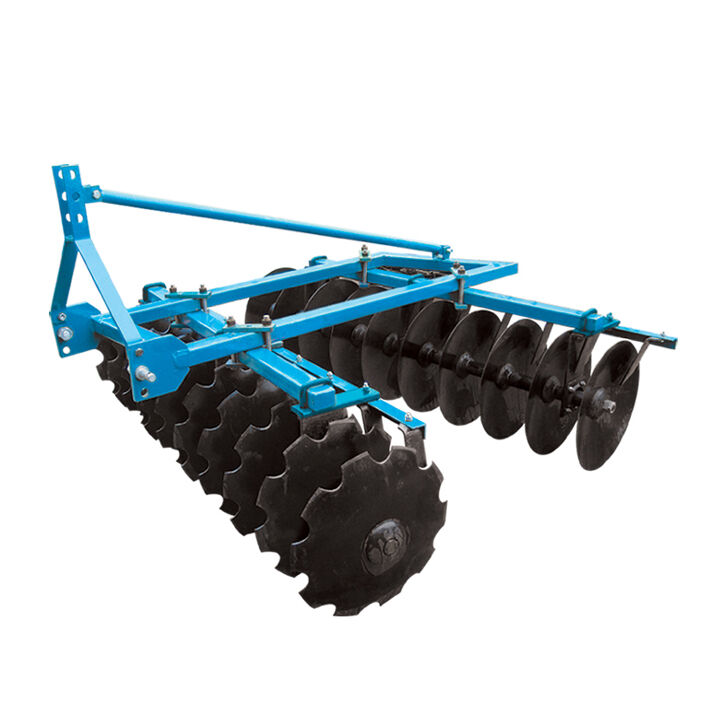
The transformation of modern farming is built on a foundation of intelligent tools, data systems, and physical equipment working in concert. Agricultural machinery has evolved far beyond tractors and plows — today it serves as the operational backbone of precision agriculture, translating digital insights into real-world field actions. As farms grow larger and resources grow scarcer, the ability to act precisely at scale becomes not just an advantage but a necessity. Understanding how agricultural machinery integrates with precision technologies helps farmers, agronomists, and agribusiness decision-makers align their investments with measurable outcomes.
Precision agriculture is fundamentally a data-driven discipline — but data alone cannot plant seeds, manage weeds, or apply nutrients. It requires agricultural machinery equipped with sensors, actuators, GPS receivers, and automation logic to execute those decisions in the field. The connection between precision technology and farm equipment is not superficial. It defines how efficiently farms consume inputs, how consistently they protect crops, and how confidently growers can forecast yield outcomes. This article examines the specific mechanisms through which agricultural machinery supports and enables precision agriculture technologies across key operational areas.
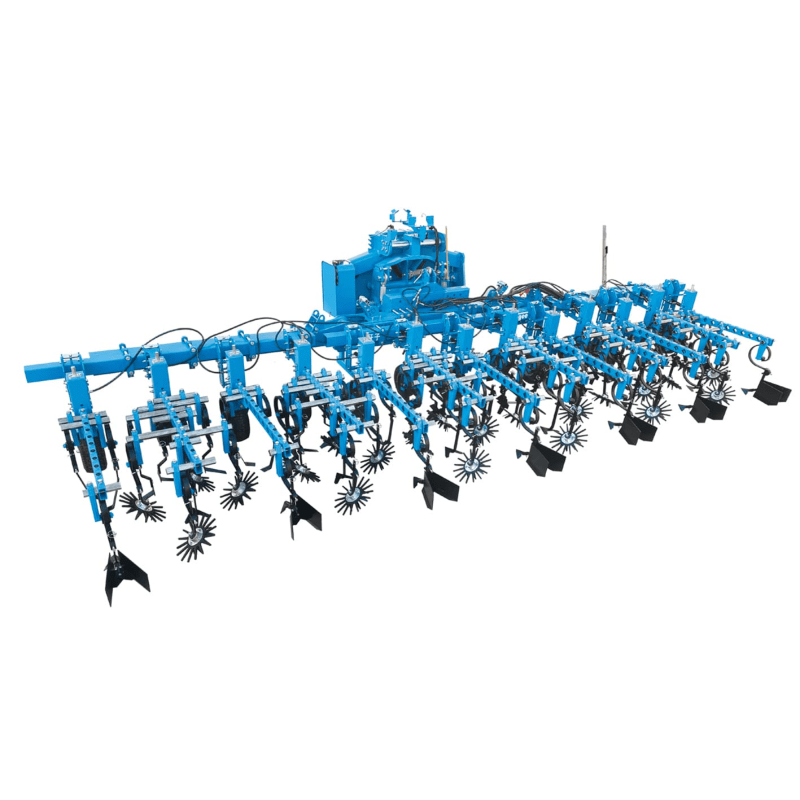
The Role of Agricultural Machinery as the Physical Interface of Precision Agriculture
Bridging Digital Intelligence and Field Operations
Precision agriculture generates enormous volumes of actionable data — soil maps, weather models, crop stress indices, and yield predictions. Yet none of this data delivers value unless it can direct physical action in the field. Agricultural machinery serves as the critical bridge between digital intelligence and tangible field operations. GPS-guided tractors, variable-rate applicators, and autonomous robots convert data recommendations into precise interventions row by row or even plant by plant.
Modern agricultural machinery is designed to receive inputs from farm management systems and respond in real time. A variable-rate fertilizer spreader, for example, adjusts application rates automatically based on prescription maps generated from soil sampling data. This level of integration means that the effectiveness of any precision agriculture program is directly tied to the capability and compatibility of the machinery deployed on that farm.
Without field-ready agricultural machinery, precision data remains theoretical. The mechanical sophistication of equipment determines whether variable-rate application zones are executed at five-meter resolution or fifty-meter resolution — a difference that dramatically affects both input costs and crop uniformity. This physical execution layer is where the return on precision investment is ultimately realized.
Sensors and Feedback Loops Embedded in Modern Equipment
Contemporary agricultural machinery is increasingly embedded with sensing technologies that create two-way data flows. Yield monitors on combine harvesters collect real-time productivity data, while soil moisture sensors on irrigation systems feed directly into automated water management platforms. These embedded sensors transform machinery from passive tools into active participants in the farm's data ecosystem.
This feedback loop is essential for adaptive precision agriculture. When agricultural machinery captures field conditions during operation, it continuously refines the data models that govern future actions. A planting system equipped with downforce monitoring can detect soil compaction variations and adjust seed placement depth mid-row, ensuring consistent germination across variable terrain without requiring operator intervention.
The integration of machine learning algorithms into agricultural machinery control systems further strengthens this feedback loop. Equipment can learn from seasonal patterns, operator preferences, and environmental conditions to optimize its own decision-making over time. This capability marks a significant evolution — from machinery that responds to commands to machinery that anticipates and adapts.
How Autonomous and Robotic Agricultural Machinery Advances Precision Operations
Autonomy as the Next Frontier in Precision Execution
Autonomous agricultural machinery represents the most advanced expression of precision agriculture in physical form. Self-guided tractors, autonomous sprayers, and field robots eliminate human variability from repetitive precision tasks, delivering consistently accurate interventions without fatigue-related error. The precision that GPS and sensing systems promise is fully realized only when the executing machinery can reliably follow through at sub-centimeter accuracy.
Robotic platforms designed for specific field tasks — such as targeted weed control — exemplify how agricultural machinery can deliver surgical-level precision that would be impossible with conventional equipment. An agricultural machinery system like an intelligent weeding robot uses computer vision and AI to identify and eliminate weeds at the individual plant level, applying mechanical or thermal treatment only where needed. This approach reduces herbicide use dramatically while improving weed control efficacy — a dual benefit that conventional broadcast sprayers cannot match.
The operational scalability of autonomous agricultural machinery also addresses one of precision agriculture's practical constraints: labor. Precision field operations are inherently time-sensitive, requiring intervention during narrow windows for maximum effectiveness. Autonomous systems can operate continuously, covering larger areas within optimal timing windows than human-operated fleets of equivalent size.
Machine Vision and AI-Driven Decision Making in Field Robots
Machine vision systems embedded in robotic agricultural machinery represent a leap beyond GPS-based guidance. Rather than relying solely on pre-programmed coordinates, these systems use cameras and deep learning models to identify individual plants, assess crop health, detect pest presence, and distinguish target crops from weeds in real time. This capability allows agricultural machinery to respond to what is actually present in the field rather than what was predicted to be there.
The practical implications are significant. Fields are not homogeneous — weed pressure, disease incidence, and nutrient deficiencies appear in irregular patterns that static prescription maps cannot fully capture. AI-driven agricultural machinery can identify these anomalies as they appear and respond immediately, closing the gap between detection and intervention that historically allowed problems to compound before human operators could react.
As AI models improve through accumulated field data, the decision-making accuracy of these machines increases. Each operating season generates richer training datasets, enabling agricultural machinery to distinguish between increasingly subtle differences in plant health or growth stage. This continuous improvement cycle is one of the defining advantages of AI-integrated precision equipment over static mechanical systems.
Variable-Rate Technology and the Precision Application Revolution
Understanding Variable-Rate Agricultural Machinery
Variable-rate technology (VRT) is among the most widely adopted precision agriculture applications, and it depends entirely on the mechanical capability of agricultural machinery to modulate application rates across a field in real time. Seeding, fertilization, irrigation, and crop protection can all be delivered at spatially variable rates when equipment is equipped with the appropriate control hardware and software integration.
A VRT-enabled planter, for instance, adjusts seed population zone by zone according to a prescription map that reflects soil type, historical yield data, and agronomic recommendations. Without mechanically precise and electronically controllable agricultural machinery, executing these prescriptions would require manual operator adjustment, which is both impractical at scale and prone to human error. The machinery's ability to actuate rapidly and accurately is what makes variable-rate strategies economically viable.
Variable-rate agricultural machinery also enables more sustainable farming practices by aligning input use with actual crop demand. Over-application of fertilizer or pesticides not only raises input costs but contributes to runoff and soil health degradation. Precision agricultural machinery that applies inputs variably can reduce total input volumes while maintaining or improving yield performance — a compelling case for both economic and environmental stakeholders.
Integration with Farm Management Information Systems
The operational value of variable-rate agricultural machinery multiplies when it connects to farm management information systems (FMIS). These software platforms aggregate field data, generate prescription maps, and transmit operation instructions directly to compatible machinery. The seamless exchange of data between FMIS platforms and agricultural machinery is what enables true closed-loop precision agriculture — where field observations drive decisions that drive machinery actions that generate new field observations.
Connectivity standards such as ISOBUS have been instrumental in enabling this integration, allowing different brands and types of agricultural machinery to communicate with common data systems. This interoperability means that precision agriculture programs are not limited to single-vendor equipment fleets — growers can mix and match equipment while maintaining data coherence across operations.
As cloud computing and IoT connectivity become more accessible in agricultural settings, the integration between agricultural machinery and farm management platforms continues to deepen. Real-time telemetry from field equipment allows farm managers to monitor operations remotely, intervene when anomalies occur, and continuously refine their management strategies based on live performance data.
Agricultural Machinery in Soil Health Management and Crop Monitoring
Precision Tillage and Soil-Responsive Equipment
Soil health is the foundation of crop productivity, and agricultural machinery plays a direct role in managing it through precision tillage practices. Conventional tillage approaches treat the entire field uniformly, regardless of soil variation. Precision agricultural machinery, guided by detailed soil maps and real-time sensors, can vary tillage depth, intensity, and pattern to match the specific needs of different soil zones within the same field.
This soil-responsive approach reduces compaction in sensitive zones, preserves organic matter in areas with adequate structure, and improves water infiltration across the field. The ability of agricultural machinery to execute these nuanced tillage strategies depends on the sophistication of its control systems and the quality of the soil data driving its actions. Together, precision tillage equipment and soil sensing technology form a powerful management combination.
Strip-till systems represent a compelling example of how agricultural machinery has been redesigned to support precision soil health objectives. By disturbing only narrow strips where seeds will be placed, strip-till equipment preserves soil biology in inter-row areas while creating optimal seedbed conditions in the planting zone. This precision disruption minimizes erosion, reduces fuel costs, and supports microbial communities essential for nutrient cycling.
Aerial and Ground-Based Crop Monitoring Equipment
Crop monitoring is essential for timely precision interventions, and specialized agricultural machinery has been developed to support both aerial and ground-based monitoring at scale. UAVs equipped with multispectral cameras capture high-resolution vegetation index maps that reveal crop stress patterns invisible to the naked eye. Ground-based sensor platforms mounted on tractors or purpose-built carriers scan crops continuously during field passes, generating dense spatial datasets for analysis.
The data generated by monitoring agricultural machinery feeds directly into precision decision workflows. When a multispectral UAV identifies a nitrogen deficiency zone, that spatial data informs a variable-rate application prescription that VRT-equipped agricultural machinery then executes in the next field pass. This rapid cycle from observation to action is what makes precision agriculture operationally effective rather than theoretically appealing.
Ground-based agricultural machinery designed for crop monitoring offers complementary advantages to aerial platforms. Closer proximity to the crop canopy enables finer resolution detection of early-stage disease symptoms, pest presence, and structural damage. Combined with AI-driven image analysis, ground-based monitoring equipment can generate actionable alerts that trigger targeted interventions well before problems reach economically damaging thresholds.
FAQ
How does agricultural machinery connect with precision agriculture software platforms?
Modern agricultural machinery connects to precision agriculture software through standardized protocols such as ISOBUS, wireless telemetry, and cloud-based APIs. This connectivity allows farm management information systems to transmit prescription maps and operation parameters directly to equipment control terminals, while machinery sends real-time performance and field data back to the platform. The result is a continuous data exchange that enables dynamic, responsive farm management rather than static pre-season planning.
What types of agricultural machinery are most critical for precision agriculture implementation?
The most critical categories of agricultural machinery for precision agriculture include GPS-guided planters and tillage equipment, variable-rate applicators for fertilizers and crop protection products, autonomous or robotic field platforms, yield monitoring combines, and sensor-equipped irrigation systems. Each category addresses a specific precision objective, and the greatest efficiency gains come when multiple categories are integrated within a coherent data management framework.
Can small and mid-sized farms benefit from precision agricultural machinery?
Yes. While precision agricultural machinery was initially more accessible to large-scale operations, declining technology costs and the availability of modular, scalable solutions have made precision tools viable for smaller farms as well. Entry-level GPS guidance systems, affordable soil sensors, and robotic platforms designed for smaller field scales allow farms of varying sizes to benefit from precision input management, improved crop monitoring, and reduced labor dependency without requiring a complete equipment overhaul.
How does robotic agricultural machinery specifically support weed management in precision farming?
Robotic agricultural machinery designed for weed management uses computer vision, AI classification models, and precise mechanical or non-chemical treatment mechanisms to identify and eliminate weeds at the individual plant level. This approach targets only weed plants, leaving crops and soil biology undisturbed. The precision of robotic weed control dramatically reduces reliance on broad-spectrum herbicides, lowers input costs, and supports integrated weed management strategies that improve long-term resistance management across crop rotations.
Table of Contents
- The Role of Agricultural Machinery as the Physical Interface of Precision Agriculture
- How Autonomous and Robotic Agricultural Machinery Advances Precision Operations
- Variable-Rate Technology and the Precision Application Revolution
- Agricultural Machinery in Soil Health Management and Crop Monitoring
-
FAQ
- How does agricultural machinery connect with precision agriculture software platforms?
- What types of agricultural machinery are most critical for precision agriculture implementation?
- Can small and mid-sized farms benefit from precision agricultural machinery?
- How does robotic agricultural machinery specifically support weed management in precision farming?