 EN

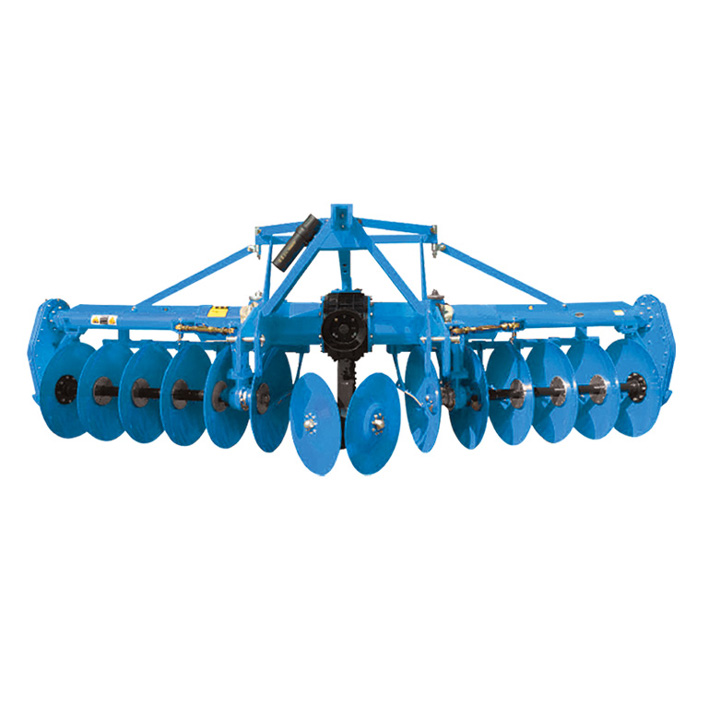
Agricultural machinery has fundamentally transformed how farms operate globally, making it one of the most vital investments for modern agricultural operations. Whether managing hundreds or thousands of acres, agricultural machinery enables farmers to increase productivity, reduce operational costs, and maintain consistent quality across large-scale farming operations. Without proper agricultural machinery, large-scale farms would struggle to meet market demands, compete effectively, and sustain profitability in an increasingly competitive agricultural landscape.
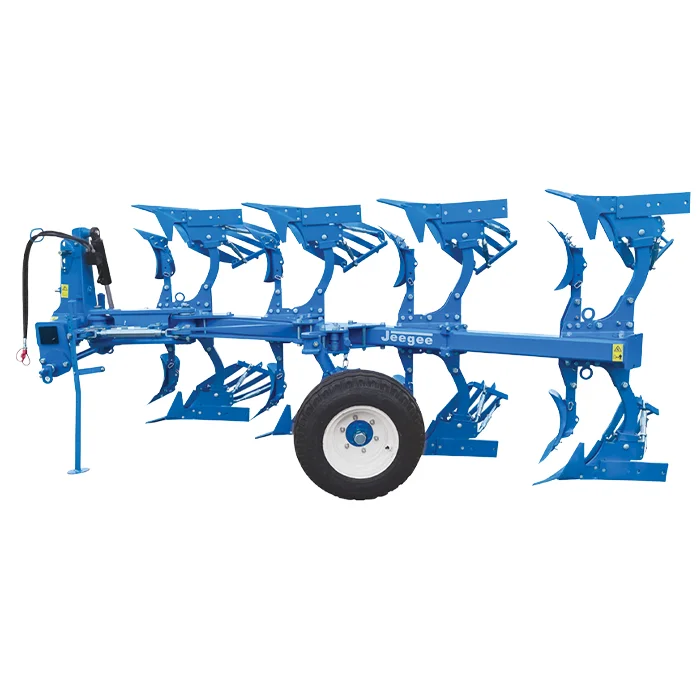
The role of agricultural machinery extends beyond simple efficiency gains. Modern agricultural machinery directly impacts soil health, crop yield, environmental sustainability, and long-term farm viability. By investing in the right agricultural machinery, farm managers can automate critical tasks, improve precision in planting and harvesting, and maintain better control over production variables that directly affect profitability and sustainability metrics.
Productivity and Scale Management Through Agricultural Machinery
Meeting Demand with Mechanized Operations
Large-scale farming operations face constant pressure to produce higher yields while managing vast areas of land efficiently. Agricultural machinery addresses this challenge by dramatically increasing the amount of work that can be completed in a given timeframe. A single piece of agricultural machinery can accomplish in hours what would require weeks of manual labor, fundamentally changing the economic viability of large-scale operations. This scalability is essential for farms producing commodities like grains, vegetables, or specialized crops destined for commercial markets.
The agricultural machinery available today allows farm managers to handle seasonal peaks without proportionally increasing their labor force. Planting, cultivating, and harvesting operations that once required dozens of workers can now be managed by a smaller, more skilled team operating advanced agricultural machinery. This capability ensures farms can respond quickly to market windows and weather conditions without being constrained by labor availability or wage pressures.
Standardizing Output Quality and Consistency
Agricultural machinery provides the precision and consistency that modern buyers demand. Whether planting seeds at exact depths, applying fertilizers at calibrated rates, or harvesting at optimal ripeness, agricultural machinery ensures uniformity across the entire operation. This consistency reduces waste, improves product quality, and allows farms to command premium prices in markets that reward quality standardization. Agricultural machinery also enables data collection that helps farm managers track performance metrics and make evidence-based decisions about crop varieties, timing, and techniques.
Cost Reduction and Economic Sustainability
Labor Cost Efficiency and Workforce Management
One of the most compelling reasons agricultural machinery is essential relates directly to labor economics. Agricultural machinery dramatically reduces the number of workers needed for core farming operations, which represents one of the largest controllable expenses in farm budgets. By deploying agricultural machinery for repetitive, physically demanding tasks, farmers can redirect their workforce toward higher-value activities like maintenance, quality control, pest monitoring, and strategic planning. This shift improves overall farm economics and worker satisfaction by moving labor toward skilled, less physically taxing roles.
The long-term investment in agricultural machinery pays dividends across multiple seasons. While initial capital requirements are significant, the per-acre cost of agricultural machinery operations typically decreases as equipment is utilized across larger acreages and longer operational lifespans. This economic model makes agricultural machinery more financially accessible to larger operations and creates economies of scale that smaller farms struggle to match, fundamentally shaping modern agricultural structure and competitiveness.
Fuel Efficiency and Input Optimization
Modern agricultural machinery is engineered for efficiency, consuming fuel more effectively than manual alternatives and reducing waste in fertilizer, pesticide, and seed applications. Advanced agricultural machinery with GPS guidance and variable-rate application technology ensures inputs are used precisely where needed, minimizing environmental impact and improving profit margins. Agricultural machinery systems that optimize fuel consumption and input usage directly improve profitability while supporting sustainable farming practices that increasingly matter to both regulators and consumers.
Soil Health and Long-Term Agricultural Sustainability
Precision Cultivation and Soil Preservation
Agricultural machinery designed for sustainable practices directly contributes to soil health, which is fundamental to long-term farm productivity. Conservation-focused agricultural machinery implements techniques like reduced tillage, controlled traffic patterns, and precision cultivation that minimize soil compaction and erosion. These practices improve water retention, reduce nutrient runoff, and support beneficial soil microorganism communities that enhance natural fertility. Agricultural machinery that operates with intention toward soil preservation ensures farms remain productive across generations rather than depleting natural resources.
Proper agricultural machinery selection also enables rotation practices, cover cropping, and integrated pest management strategies that require sophisticated timing and execution. Agricultural machinery specifically designed for these advanced practices makes sustainable techniques economically feasible at large scales, allowing farm managers to balance profitability with environmental responsibility. This balance is increasingly demanded by supply chains, regulatory frameworks, and consumer preferences, making agricultural machinery investment a strategic sustainability decision rather than merely an operational expense.
Data-Driven Farm Management Through Agricultural Machinery
Contemporary agricultural machinery integrates technology that generates actionable data about field conditions, crop performance, and resource utilization. This agricultural machinery-generated data enables farm managers to make precise decisions about variable-rate applications, irrigation timing, and harvest readiness based on real-time field information. Agricultural machinery with telemetry and diagnostic capabilities helps identify maintenance needs before failures occur, preventing costly downtime and ensuring consistent operational reliability throughout critical farming seasons.
FAQ
What types of agricultural machinery do large-scale farms need most?
Large-scale farms typically prioritize agricultural machinery for soil preparation, planting, cultivation, irrigation, and harvesting. The specific agricultural machinery requirements depend on crop type, farm size, terrain, and local climate conditions. Tractors form the foundation for most agricultural machinery systems, serving as the power source and primary platform for specialized attachments. Additional agricultural machinery might include plows, seeders, cultivators, sprayers, and combines, each addressing specific operational requirements and crop management stages.
How does agricultural machinery impact farm profitability?
Agricultural machinery affects profitability through multiple pathways: reducing labor costs, improving operational efficiency, minimizing input waste, increasing yield consistency, and enabling farms to meet market timing demands. By reducing per-unit production costs and improving product quality, agricultural machinery creates competitive advantages that directly translate to better margins. Additionally, agricultural machinery enables farms to expand acreage without proportionally increasing fixed costs, allowing economies of scale that improve overall profitability metrics.
Is agricultural machinery investment justified for medium-sized farms?
Whether agricultural machinery investment is justified depends on farm size, crop types, labor availability, and regional economics. Medium-sized farms can often justify targeted agricultural machinery investments in areas where labor is scarce or expensive, or where specific agricultural machinery dramatically improves output quality or timing. Cooperative ownership of agricultural machinery among neighboring farms provides another pathway for medium-sized operations to access modern agricultural machinery without bearing the full capital expense individually.