 EN

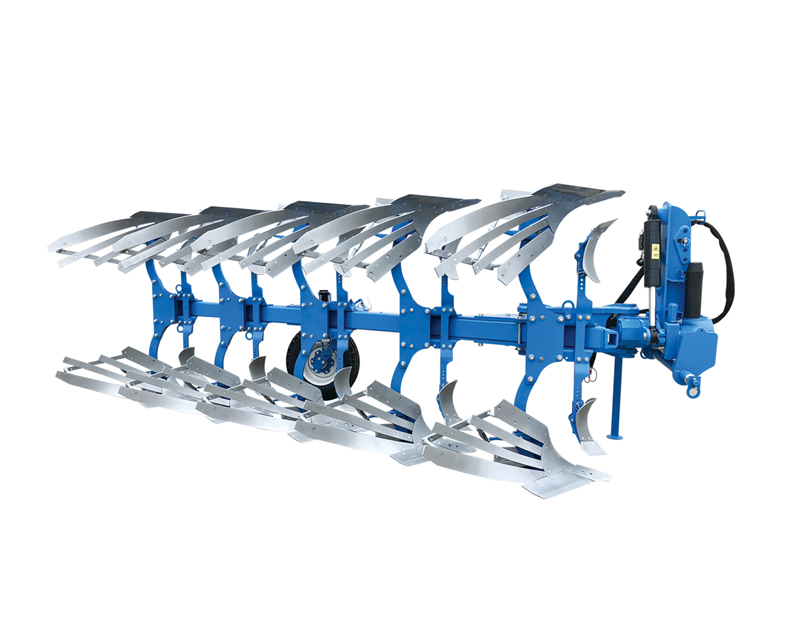
Agricultural machinery has become the backbone of modern farming operations, transforming how farmers manage crops, soil, and resources. Smart farming integrates agricultural machinery with digital technologies, sensors, and data analytics to optimize production while reducing waste and labor costs. This integration of agricultural machinery into mechanized agriculture represents a fundamental shift in how the industry approaches food production and sustainability. Understanding the role of agricultural machinery in smart farming is essential for farmers, agribusinesses, and agricultural professionals who want to remain competitive in an increasingly technology-driven sector.

The evolution of agricultural machinery reflects decades of engineering innovation designed to address the growing demand for food production. When agricultural machinery is combined with smart farming principles, farmers gain unprecedented visibility into their operations, from soil conditions to crop health and equipment performance. This synergy between mechanical innovation and digital intelligence creates farming ecosystems where agricultural machinery works in harmony with data-driven decision-making, ultimately leading to higher yields, reduced input costs, and more sustainable land management practices.
The Foundation: How Agricultural Machinery Supports Mechanized Agriculture
Core Components of Modern Agricultural Machinery
Agricultural machinery encompasses a wide range of equipment designed to execute specific farming tasks efficiently. Tractors, harvesters, planters, and soil preparation equipment form the primary category of agricultural machinery that enables mechanized agriculture. Each piece of agricultural machinery is engineered to perform repetitive tasks with precision, speed, and consistency that human labor alone cannot achieve. Advanced agricultural machinery now includes GPS guidance systems, variable-rate application technology, and real-time monitoring capabilities that transform basic mechanical operations into data-generating assets within smart farming systems.
Efficiency Gains Through Mechanized Agriculture
Mechanized agriculture powered by agricultural machinery dramatically reduces labor requirements while increasing operational speed and consistency. When agricultural machinery operates at scale, farms can cultivate larger areas, respond faster to seasonal windows, and maintain uniform quality across fields. The reliability of agricultural machinery means tasks are completed on schedule rather than delayed by labor availability or fatigue factors. This efficiency translates directly into improved profitability and competitive advantage for agricultural operations that invest in quality agricultural machinery.
Integration: Agricultural Machinery Within Smart Farming Systems
Digital Connectivity and Data Collection
Smart farming elevates agricultural machinery beyond standalone equipment by adding sensors, connectivity, and intelligence layers. Agricultural machinery equipped with IoT sensors continuously collects data on soil moisture, nutrient levels, equipment performance, and crop conditions. This data transforms agricultural machinery from a passive tool into an active participant in farm management systems. Farmers can now monitor agricultural machinery performance remotely, predict maintenance needs, and adjust operations in real time based on field conditions gathered by their equipment.
Precision Agriculture Enabled by Agricultural Machinery
Agricultural machinery in smart farming applications enables precision agriculture, where inputs are applied based on actual field variability rather than uniform rates. Variable-rate agricultural machinery applies seeds, fertilizers, and pesticides only where needed, minimizing waste and environmental impact. This targeted approach relies on agricultural machinery equipped with GPS mapping, soil analysis tools, and decision-support software. Farms using precision agricultural machinery report significant reductions in input costs, improved crop quality, and reduced environmental footprint compared to conventional mechanized approaches.
Practical Application: Agricultural Machinery in Modern Farming Operations
Integration Workflow for Agricultural Machinery Adoption
Farmers implementing smart farming systems must carefully plan how agricultural machinery connects with their overall strategy. The transition from conventional to smart agricultural machinery requires infrastructure investment, operator training, and software integration. Agricultural machinery selection should consider factors like field size, crop types, soil conditions, and existing equipment compatibility. Farmers who systematically integrate agricultural machinery with connectivity and analytics platforms typically see faster returns on investment and more effective operations management.
Maintenance and Longevity of Agricultural Machinery
Smart systems extending agricultural machinery lifespan through predictive maintenance represent a significant cost advantage. Agricultural machinery equipped with diagnostic sensors alert operators to wear patterns, fluid levels, and component stress before failures occur. Preventive maintenance schedules based on actual usage data keep agricultural machinery operating efficiently rather than running on fixed calendar intervals. Well-maintained agricultural machinery provides consistent performance season after season, supporting the long-term productivity and reliability goals of smart farming operations.
FAQ
What Types of Agricultural Machinery Are Essential for Smart Farming?
Essential agricultural machinery for smart farming includes GPS-equipped tractors, precision seeders, variable-rate sprayers, and harvesters with yield monitoring. Agricultural machinery specifically selected for smart farming should feature connectivity options, sensor compatibility, and integration with farm management software. The choice of agricultural machinery depends on your primary crops, field characteristics, and operation scale, but prioritizing equipment with digital capabilities ensures your agricultural machinery investment supports long-term smart farming goals.
How Does Agricultural Machinery Reduce Farming Costs?
Agricultural machinery reduces costs through labor savings, input optimization, and improved efficiency. Smart agricultural machinery minimizes seed waste, reduces fertilizer usage through targeted application, and decreases fuel consumption via optimized routing and operation patterns. Preventive maintenance enabled by monitoring systems keeps agricultural machinery performing efficiently, avoiding expensive breakdowns during critical seasons. The cumulative effect of agricultural machinery optimization often reduces total operating costs by 15–25% compared to conventional approaches.
Can Existing Agricultural Machinery Be Upgraded for Smart Farming?
Many existing pieces of agricultural machinery can be retrofitted with sensors, GPS modules, and connectivity hardware to participate in smart farming systems. Aftermarket solutions allow farmers to enhance agricultural machinery without complete replacement, though integration complexity varies by equipment age and design. Newer agricultural machinery often has better retrofit compatibility, while older equipment may require more extensive modifications. Evaluating upgrade costs against new agricultural machinery prices helps determine whether retrofitting existing equipment or investing in new smart-enabled agricultural machinery makes better business sense.