 EN

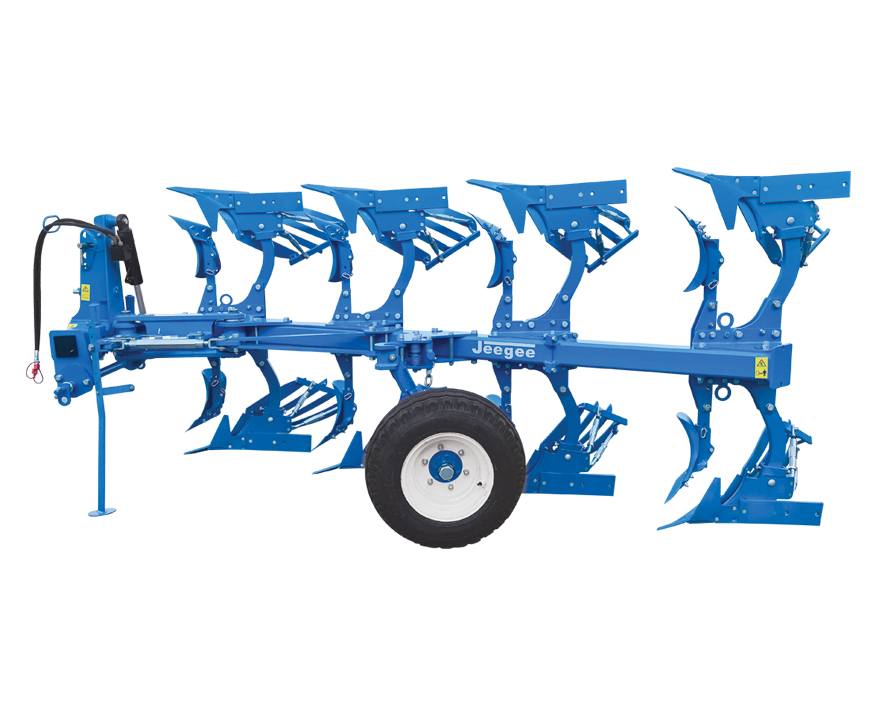
Modern farming faces unprecedented pressure to produce more food with fewer resources while maintaining sustainability and profitability. Agricultural machinery has emerged as the cornerstone solution for achieving this balance, fundamentally transforming how farmers approach productivity and operational efficiency. By replacing manual labor with mechanized systems, agricultural machinery enables operations to scale dramatically while reducing physical strain and increasing output consistency across diverse crop types and soil conditions.
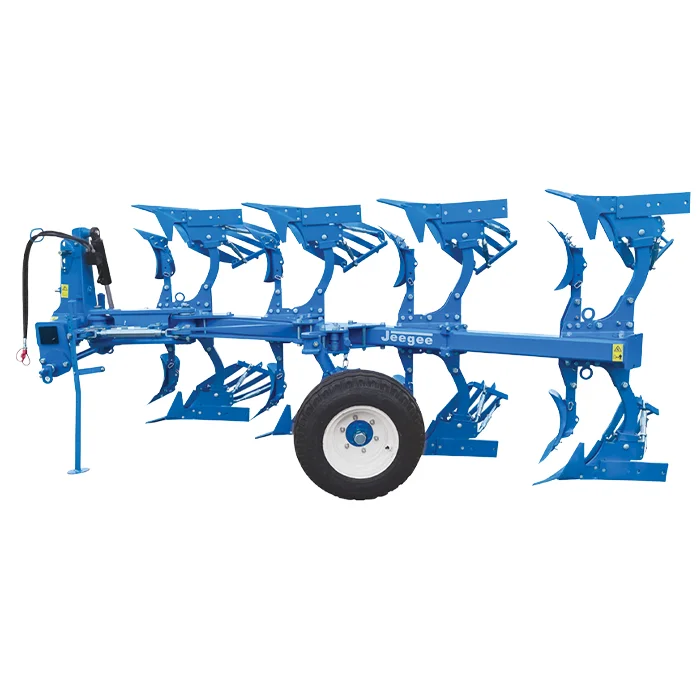
The integration of modern agricultural machinery into farming systems represents far more than simple mechanization; it constitutes a strategic investment in operational competitiveness and long-term sustainability. Progressive farmers recognize that agricultural machinery directly addresses critical challenges including labor shortages, rising input costs, soil degradation, and market demand for consistent product quality. Understanding how to effectively deploy agricultural machinery is essential for any farming operation seeking to remain viable in today's competitive agricultural landscape.
The Core Role of Agricultural Machinery in Production Scaling
Mechanization as a Productivity Multiplier
Agricultural machinery amplifies human capability by automating labor-intensive tasks that would otherwise consume enormous time and resources. Plowing, tilling, planting, spraying, and harvesting operations that once required weeks of manual effort can now be completed in days with agricultural machinery deployed strategically across the farm. This acceleration of operational timelines directly translates to better crop health outcomes, more precise planting windows, and reduced vulnerability to weather disruptions or pest pressures during critical growth phases.
The productivity gains from agricultural machinery extend beyond simple speed. Mechanized operations maintain consistent depth control, uniform spacing, and precise application rates that manual methods cannot achieve. When agricultural machinery handles soil preparation with hydraulic plowing systems, seedbed preparation becomes uniform across entire fields, dramatically improving germination rates and crop establishment quality. This consistency compounds over the growing season, ultimately producing higher yields and more marketable harvests.
Reducing Labor Dependency and Operational Costs
Global agriculture faces acute labor availability challenges, particularly during peak harvest seasons. Agricultural machinery directly mitigates this constraint by performing tasks that would require hiring seasonal workers at significant expense and logistical complexity. Beyond labor cost reduction, agricultural machinery minimizes overall operational expenses by optimizing fuel consumption, reducing material waste during application, and lowering maintenance requirements compared to maintaining large manual workforces.
Financial benefits from agricultural machinery adoption extend throughout farm operations. Reduced crop losses from timely harvesting, decreased seed waste from precision planting, and optimized fertilizer application through agricultural machinery collectively improve farm profitability. When operators deploy agricultural machinery correctly, input-to-output ratios improve substantially, creating financial headroom for reinvestment in infrastructure or additional mechanization that drives further competitive advantage.
Precision and Sustainability Through Agricultural Machinery Technology
Environmental Impact and Resource Optimization
Modern agricultural machinery incorporates precision technologies that dramatically reduce environmental impact while enhancing sustainability. Variable-rate application systems on sprayers equipped with advanced agricultural machinery distribute inputs proportionally to field conditions, minimizing chemical runoff and soil contamination. Hydraulic systems in soil preparation equipment allow agricultural machinery operators to work at optimal depths that preserve soil structure while achieving effective tillage, maintaining long-term soil health and microbial populations essential for sustainable productivity.
Water conservation ranks among agriculture's critical sustainability challenges, particularly in arid and semi-arid regions. Modern irrigation agricultural machinery utilizes drip systems and precision scheduling that reduce water consumption by 30–50% compared to flood irrigation methods. When agricultural machinery management systems incorporate soil moisture sensors and weather data, they optimize irrigation timing and volume, simultaneously improving crop performance and environmental stewardship while reducing operational costs associated with excessive water use.
Quality Control and Market Competitiveness
Consumer and regulatory demands for product safety, traceability, and consistent quality create market pressures that manual farming practices struggle to meet. Agricultural machinery equipped with monitoring and data-logging capabilities provides documentation of inputs, application rates, and treatment timelines that satisfy food safety compliance requirements and premium market specifications. This quality assurance capability enabled by agricultural machinery becomes increasingly valuable as domestic and export markets impose stricter food safety standards.
Crop quality directly correlates with harvest timing and handling procedures that agricultural machinery enables. agricultural machinery designed for gentle harvest operations preserves product integrity while reducing post-harvest losses, a critical factor in high-value specialty crops and perishable commodities. Consistent quality from reliable agricultural machinery deployment strengthens market positioning and enables premium pricing strategies that improve farm profitability.
Implementation Strategies for Agricultural Machinery Adoption
Assessing Equipment Fit and Farm-Scale Optimization
Successful agricultural machinery adoption begins with honest assessment of farm size, crop portfolio, soil conditions, and existing infrastructure. Small-scale operations may benefit from shared agricultural machinery services or rental models before committing to ownership, while larger operations justify full-time utilization of specialized agricultural machinery for their specific crop requirements. Conducting field trials with different agricultural machinery configurations identifies optimal approaches for local conditions before capital investment.
Agricultural machinery selection must align with crop types and regional growing seasons to maximize utilization rates and return on investment. A peanut operation in sandy loam soil requires different soil preparation agricultural machinery than a corn operation in clay-based fields; deploying agricultural machinery matched to specific soil and crop characteristics ensures efficiency and prevents premature equipment failure. Analyzing field-by-field productivity data informs decisions about which operations justify agricultural machinery investment versus manual or outsourced alternatives.
Training, Maintenance, and Operator Development
Agricultural machinery potential remains unrealized without skilled operators who understand equipment capabilities, maintenance requirements, and operational optimization. Comprehensive training programs ensure operators can recognize when agricultural machinery settings need adjustment for changing field conditions, execute proper pre-operation inspections, and respond appropriately to performance issues. Well-trained operators extend agricultural machinery lifespan, reduce breakdowns during critical periods, and maximize productivity from existing equipment investment.
Preventive maintenance schedules directly impact agricultural machinery reliability and farm operational continuity. Regular servicing, fluid monitoring, and wear-component inspection catch problems before they cause equipment failure during peak activity periods. When operators understand agricultural machinery mechanics and perform routine maintenance conscientiously, downtime decreases dramatically while productivity remains consistent throughout extended operating seasons.
FAQ
How much productivity increase can farms expect from implementing modern agricultural machinery?
Productivity improvements vary by crop, soil condition, and existing farm practices, but documented agricultural machinery deployment typically increases operational efficiency by 25–40% compared to manual methods. Farms transitioning from subsistence practices to mechanized agriculture often see 50% or greater yield increases when combined with improved inputs and agronomic practices. The specific productivity gains from agricultural machinery depend on proper equipment selection, operator training, and systematic implementation across farm operations.
What is the typical return on investment timeline for agricultural machinery purchases?
Return on investment for agricultural machinery varies widely depending on equipment cost, farm size, crop value, and utilization rates. Most agricultural machinery investments achieve positive cash flow within 3–5 years when deployed on appropriately sized operations with high utilization during growing seasons. Shared agricultural machinery ownership or contract service arrangements can reduce capital requirements and accelerate positive returns for smaller farms while still delivering productivity benefits.
Can small-scale farms benefit effectively from agricultural machinery, or does it require large operations?
Agricultural machinery benefits farms of all scales, though deployment strategies differ. Small farms may utilize shared agricultural machinery services, cooperative ownership arrangements, or rental models rather than individual equipment ownership. These agricultural machinery access models provide efficiency gains and productivity improvements without requiring full capital investment, making modern agricultural machinery accessible to diverse farm sizes and business structures.