 EN


Agricultural machinery represents one of the most transformative investments modern farming operations can make to enhance harvest efficiency and productivity. When properly selected and maintained, agricultural machinery dramatically reduces labor costs, minimizes post-harvest losses, and accelerates the timeline from field to storage. Today's farming challenges demand solutions that go beyond traditional manual harvesting methods, and agricultural machinery delivers the precision, speed, and consistency required to remain competitive in agricultural markets.
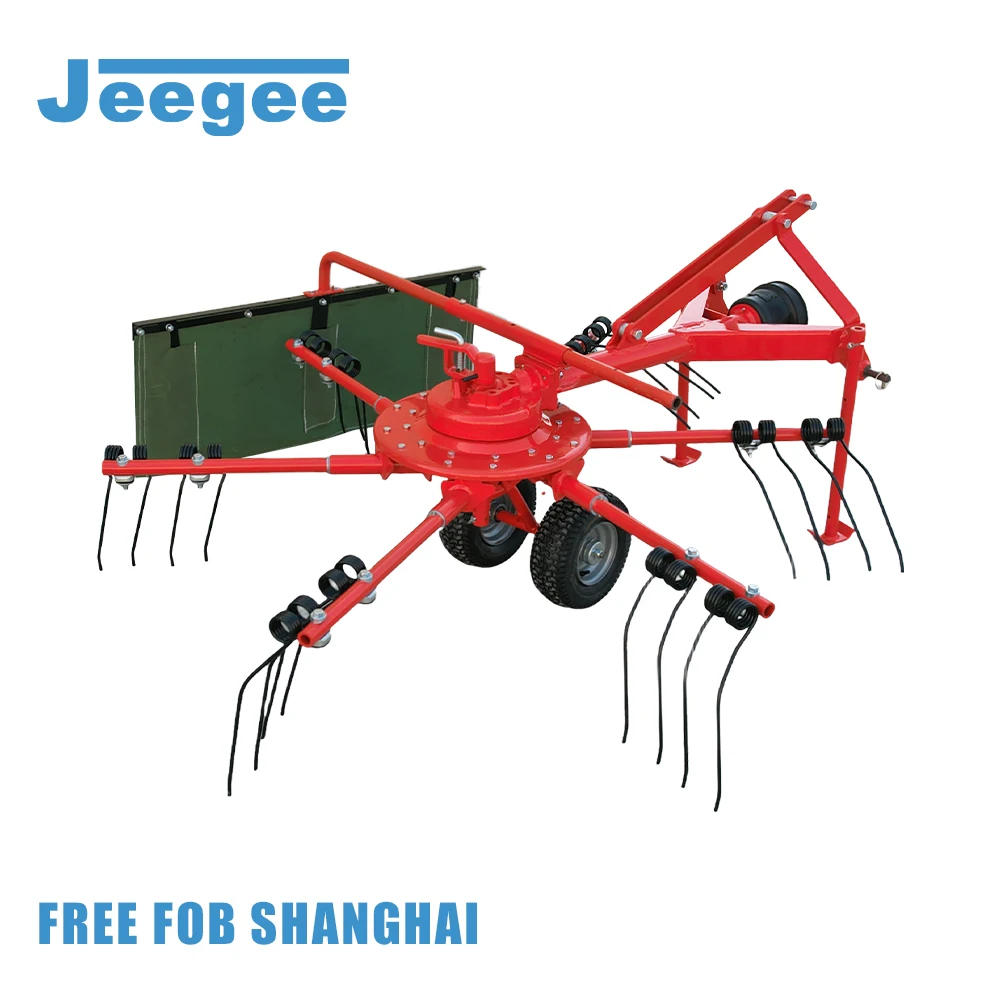
The role of agricultural machinery in modern harvest operations cannot be overstated. Agricultural machinery enables farms to optimize resource allocation, reduce seasonal labor bottlenecks, and maintain consistent quality throughout the harvest cycle. Whether managing small-scale operations or large commercial farming enterprises, the integration of appropriate agricultural machinery transforms operational efficiency and directly impacts bottom-line profitability across the entire production season.
Understanding Agricultural Machinery's Role in Harvest Operations
Core Functions of Agricultural Machinery
Agricultural machinery serves multiple critical functions during harvest periods that manual labor alone cannot efficiently accomplish. Modern agricultural machinery handles crop cutting, gathering, processing, and transport operations with minimal crop damage and maximum throughput. The agricultural machinery used in commercial operations ranges from simple hand-operated equipment to fully automated systems capable of processing hundreds of acres daily. Each category of agricultural machinery addresses specific harvest challenges while reducing physical strain on farm workers and extending effective harvest windows during optimal weather conditions.
Direct Impact on Harvest Timeline
One fundamental advantage of using agricultural machinery involves dramatically compressing harvest timelines. Traditional hand-harvesting methods require extensive labor coordination and typically extend harvest periods across weeks or months, during which weather risks accumulate and crop quality deteriorates. Agricultural machinery accelerates harvest completion by orders of magnitude, often reducing a multi-week harvest window to days or weeks depending on field size and equipment capabilities. This acceleration directly protects crop value by minimizing exposure to adverse weather, pest damage, and premature crop degradation that naturally occurs when harvests extend unnecessarily long.
Key Efficiency Gains from Agricultural Machinery Implementation
Labor Optimization and Cost Reduction
Agricultural machinery fundamentally reshapes labor economics in farming operations by replacing repetitive manual tasks with mechanized processes. One operator using appropriate agricultural machinery can accomplish harvest work that previously required five to ten laborers working simultaneously. This labor multiplication effect creates substantial cost savings while simultaneously addressing chronic seasonal labor shortages that plague agricultural regions worldwide. Agricultural machinery also reduces worker fatigue-related errors and safety incidents inherent to intensive manual harvesting, creating safer working environments while maintaining harvest quality standards that might vary with exhausted manual labor forces.
Consistency and Quality Preservation
Agricultural machinery delivers harvest consistency that human operators struggle to maintain across extended work periods. Properly calibrated agricultural machinery operates at uniform cutting heights, gathering speeds, and processing intensities that preserve crop quality throughout entire harvest operations. This consistency becomes particularly valuable in specialty crop production where quality uniformity directly determines market pricing and consumer satisfaction. Agricultural machinery eliminates fatigue-related performance degradation and maintains optimized operational parameters regardless of time of day or weather stress factors that naturally affect human workers throughout harvest seasons.
Waste Reduction and Crop Recovery
Modern agricultural machinery minimizes harvest losses by recovering crop material that manual methods leave behind or damage during processing. Mechanized cutting, gathering, and processing operations recover crop material more thoroughly while reducing physical damage that reduces marketability or storage stability. Agricultural machinery also enables farmers to harvest crops at optimal maturity windows rather than waiting for manual labor availability, capturing crops at peak nutritional and commercial value. These combined waste-reduction factors compound across entire operations, often improving net crop recovery rates by five to fifteen percent compared to traditional harvesting approaches.
Practical Implementation and Selection Considerations
Matching Agricultural Machinery to Operation Scale
Successful agricultural machinery integration requires careful matching between equipment capabilities and actual operational requirements. Small-scale farming operations may find that modest agricultural machinery investments deliver sufficient efficiency gains without requiring enterprise-scale equipment investments. Medium-scale operations typically benefit from versatile agricultural machinery capable of handling multiple crop types or performing sequential harvest functions. Large commercial operations justify investments in specialized agricultural machinery optimized for specific crops and capable of processing hundreds or thousands of acres seasonally. Agricultural machinery selection should always align with realistic acreage, expected crop volumes, terrain characteristics, and available operator expertise within the farming organization.
Infrastructure and Operational Requirements
Effective agricultural machinery deployment extends beyond equipment purchase to encompass necessary infrastructure, maintenance capacity, and operator training investments. Agricultural machinery requires appropriate storage facilities protected from weather deterioration and theft risks during off-season periods. Operators need training on mechanical systems, safety protocols, and performance optimization techniques specific to each agricultural machinery category. Agricultural machinery also demands regular maintenance including seasonal inspections, component replacement, and mechanical adjustments that preserve operational reliability throughout intensive harvest periods. Budgeting adequately for these agricultural machinery support requirements ensures investments deliver expected efficiency improvements rather than disappointing returns driven by inadequate maintenance or operator preparation.
Financial Evaluation Framework
Sound agricultural machinery investment decisions require comprehensive financial analysis comparing equipment costs against labor savings, yield improvements, and reduced post-harvest losses across multiple operating seasons. Agricultural machinery return-on-investment timelines typically range from three to seven years depending on equipment type, operation scale, and existing labor costs. Leasing versus purchasing decisions for agricultural machinery should consider equipment utilization rates, expected technological obsolescence, and seasonal availability requirements. Many farming operations find that agricultural machinery rental arrangements provide flexibility for initial implementation while reducing capital requirements, particularly when testing unfamiliar equipment types or managing variable acreage across growing seasons.
FAQ
What specific types of agricultural machinery provide the greatest harvest efficiency improvements?
Different crop types benefit from specialized agricultural machinery designed for their unique characteristics. Hay and forage operations benefit enormously from mechanical raking and tedding equipment that processes crop material efficiently. Grain harvest operations require combines and harvesting equipment that agricultural machinery manufacturers have perfected over decades. Vegetable and specialty crop operations may benefit from specialized agricultural machinery including mechanical harvesters, sorting equipment, and transport systems. Selecting the right agricultural machinery category for your specific crop type ensures maximum efficiency gains and appropriate return-on-investment outcomes.
Can smaller farming operations justify agricultural machinery investments?
Yes, smaller farming operations frequently benefit from appropriately scaled agricultural machinery investments, though the equipment category differs from large commercial operations. Entry-level agricultural machinery including hand-operated implements, small compact equipment, and rental arrangements make mechanization accessible to operations with limited capital budgets. Many small-scale operations find that partial mechanization using agricultural machinery for the most labor-intensive tasks provides sufficient efficiency improvements to justify investment. Cooperative equipment-sharing arrangements also enable smaller operations to access premium agricultural machinery without individual ownership burdens, distributing costs across multiple farms.
How long do modern agricultural machinery systems typically operate productively?
Well-maintained agricultural machinery typically provides twenty to thirty years of productive service depending on equipment type, usage intensity, and maintenance discipline. Quality agricultural machinery constructed from durable materials and properly stored during off-seasons maintains operational capability across extended ownership periods. Regular maintenance including component replacement, mechanical adjustments, and seasonal inspections substantially extends agricultural machinery lifespan beyond baseline expectations. Investing in quality agricultural machinery construction and committing to consistent maintenance protocols transforms these tools into long-term agricultural assets delivering value across multiple decades of harvest operations.