 EN

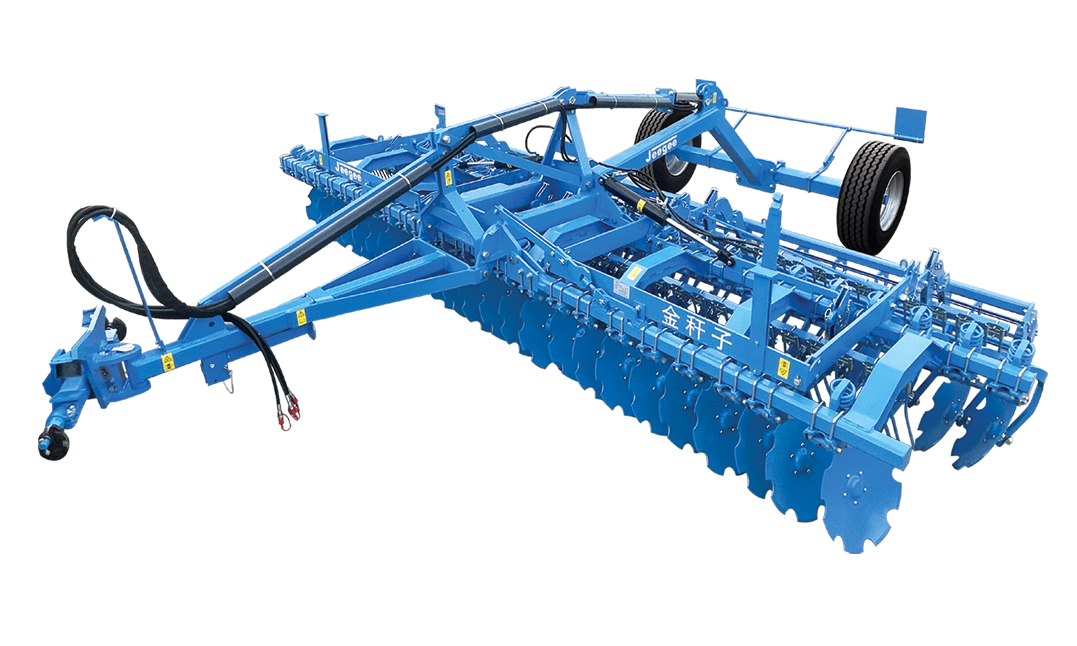
Farmers worldwide are increasingly recognizing that agricultural machinery represents a critical investment for achieving long-term sustainability goals. The decision to invest in agricultural machinery goes far beyond simple operational convenience; it reflects a strategic commitment to environmental stewardship, economic efficiency, and future viability. As global food demand rises and climate pressures intensify, understanding why farmers prioritize agricultural machinery investments reveals essential insights into modern sustainable farming practices. Agricultural machinery enables farmers to implement precision techniques that reduce waste, lower input costs, and maintain soil health while maintaining profitable operations.

The transition toward sustainable agriculture demands that farmers move beyond traditional methods and embrace technological solutions that deliver measurable environmental and economic benefits. Agricultural machinery serves as the foundational tool that makes sustainable farming systems operational and achievable at commercial scales. Without appropriate agricultural machinery, implementing conservation techniques, reducing chemical inputs, and optimizing resource use becomes significantly more difficult and economically challenging. This article explores the compelling reasons why forward-thinking farmers view agricultural machinery as essential infrastructure for sustainable agricultural operations.
Environmental Benefits Drive Agricultural Machinery Investment
Soil Preservation Through Precision Techniques
Modern agricultural machinery enables farmers to implement conservation tillage and no-till farming systems that dramatically reduce soil erosion and preserve soil structure. Advanced agricultural machinery equipped with precision guidance systems allows farmers to apply inputs only where needed, minimizing chemical runoff and protecting water quality. Reduced tillage systems powered by specialized agricultural machinery retain soil organic matter, enhance microbial activity, and build natural soil carbon sequestration that supports long-term productivity. The investment in agricultural machinery that supports these conservation practices represents a commitment to protecting agricultural land as a sustainable resource for future generations.
Resource Efficiency and Chemical Reduction
Agricultural machinery designed for precision application significantly reduces pesticide and fertilizer waste, lowering environmental contamination while cutting input expenses. Variable rate application technology in modern agricultural machinery delivers precise dosages based on field variability, reducing chemical usage by 15–25% while maintaining crop performance. This efficiency gain directly addresses environmental sustainability by minimizing chemical load on surrounding ecosystems while improving farmer profitability. GPS-guided agricultural machinery prevents overlapping applications and equipment traffic, protecting soil structure and reducing compaction damage that degrades long-term land productivity.
Economic Sustainability Through Agricultural Machinery Investment
Labor Cost Management and Operational Efficiency
Agricultural machinery automates repetitive labor-intensive tasks, addressing workforce availability challenges while reducing per-hectare operational costs significantly. Modern agricultural machinery enables faster field operations, allowing farmers to complete planting, maintenance, and harvest activities within optimal weather windows, improving crop yield and quality outcomes. Labor cost reductions achieved through agricultural machinery investment directly translate to improved farm profitability, making sustainable practices economically viable even in competitive commodity markets. Efficient agricultural machinery also reduces fuel consumption per hectare, lowering carbon footprint while improving bottom-line economics.
Yield Optimization and Risk Management
Agricultural machinery equipped with yield monitoring and data collection capabilities provides farmers with detailed insights into field performance, enabling data-driven decision-making that improves future outcomes. Precision agricultural machinery helps farmers identify field zones requiring targeted interventions, optimizing resource allocation and maximizing return on input investments. Consistent field coverage and accurate application rates delivered by reliable agricultural machinery reduce crop variability and associated income risk across seasons. Investment in dependable agricultural machinery reduces breakdown risk during critical field windows, protecting harvest timing and final crop quality that determines market returns.
Social and Food Security Impact of Agricultural Machinery Investment
Supporting Viable Farming Communities
Agricultural machinery investments maintain farm viability, enabling family farming operations and smaller holdings to compete economically while practicing sustainable methods. By increasing operational efficiency, agricultural machinery allows farmers to produce adequate income while managing land responsibly, supporting rural community stability and food system resilience. Agricultural machinery enables younger farmers to adopt sustainable practices at commercial scale, removing economic barriers that might otherwise force unsustainable production shortcuts or land abandonment. Investment in appropriate agricultural machinery directly supports the preservation of farming communities and regional food production capacity.
Global Food Supply Chain Resilience
Modern agricultural machinery increases production capacity across geographies, improving global food availability while reducing pressure to convert marginal lands into production. Advanced agricultural machinery allows farmers to maintain consistent productivity on existing farmland, reducing the need for agricultural land expansion into ecologically sensitive areas. Reliable agricultural machinery enables farmers to implement crop rotation and diversification strategies that improve soil health and pest management while contributing to supply chain diversity. The cumulative impact of widespread agricultural machinery adoption strengthens global food security while supporting environmental conservation objectives.
FAQ
What specific types of agricultural machinery benefit sustainable farming most?
Agricultural machinery that delivers the highest sustainability impact includes precision seeders with variable rate capability, GPS-guided sprayers that minimize chemical waste, no-till drills that preserve soil structure, and agricultural machinery designed for residue management and conservation practices. Soil testing and mapping equipment integrated with agricultural machinery enables data-driven input application. Variable rate fertilizer applicators powered by modern agricultural machinery reduce nutrient runoff while optimizing crop nutrition. Farmers should prioritize agricultural machinery that aligns with their specific soil types, climate conditions, and target sustainable practices.
How do farmers determine which agricultural machinery investments offer the best return?
Farmers evaluate agricultural machinery investments by calculating input cost reductions, yield improvement potential, labor expense savings, and environmental benefit value across their operational context. Agricultural machinery should be sized appropriately for farm acreage and field conditions to maximize utilization and justify equipment overhead costs. Farmers often start with agricultural machinery investments that address their highest-cost operational bottlenecks, then expand equipment portfolios as finances permit. Consulting with extension services and experienced farmers helps evaluate which agricultural machinery investments deliver optimal outcomes for specific farm operations.
Can small and medium farms justify agricultural machinery investments?
Small and medium farms absolutely can justify agricultural machinery investments when equipment is appropriately sized and selected for specific operational needs and constraints. Agricultural machinery ownership models including leasing, custom hire services, and equipment sharing cooperatives make advanced agricultural machinery accessible to smaller operations. The cost-per-hectare economics of agricultural machinery often favor mid-sized operations that can achieve adequate utilization rates while maintaining lower overhead than large-scale commercial farming. Strategic agricultural machinery selection based on highest-impact applications allows smaller farms to capture sustainability and profitability benefits aligned with their scale and capabilities.