 EN

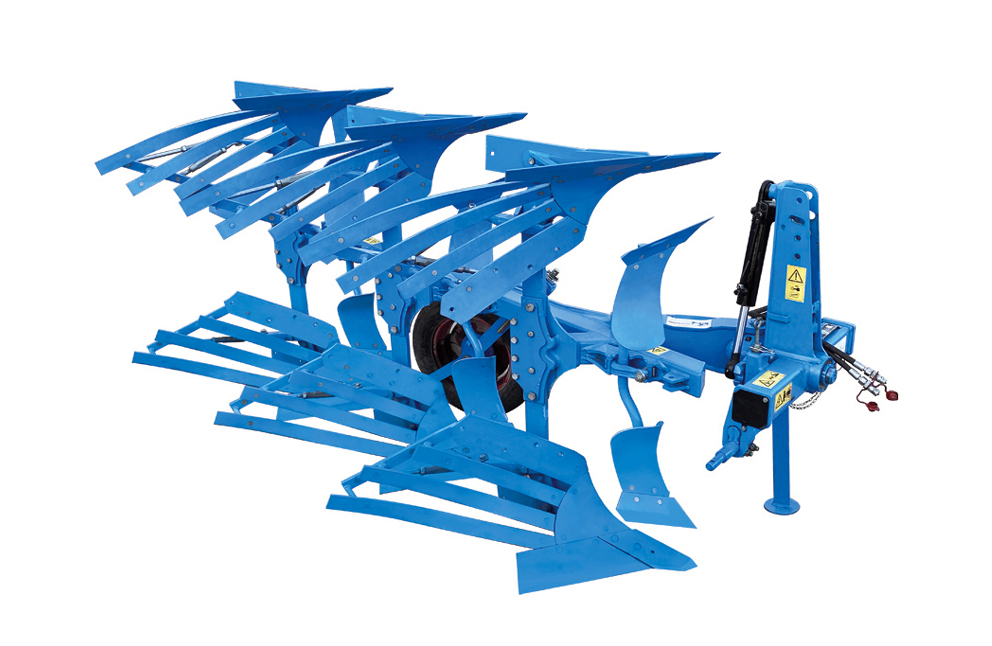
Farmers across diverse agricultural regions consistently turn to the reversible plough as their primary choice for precision field cultivation. This equipment has become integral to modern farming operations because it addresses fundamental challenges in soil preparation, efficiency, and sustainable land management. The reversible plough delivers measurable benefits that directly impact crop yield, reduce operational costs, and improve soil structure over consecutive growing seasons. Understanding why the reversible plough stands out among cultivation tools requires examining its mechanical advantages, economic benefits, and suitability for various farm environments.

The reversible plough represents a significant advancement in agricultural technology compared to conventional fixed-blade ploughing systems. Modern farmers recognize that the reversible plough offers operational flexibility that stationary equipment cannot match, especially when working across fields with varying terrain, soil composition, and residue conditions. This adaptability, combined with the reversible plough's capacity to minimize compaction and maintain soil structure, makes it the preferred solution for farmers pursuing precision cultivation strategies that enhance long-term field productivity.
Mechanical Efficiency and Operational Flexibility
How the Reversible Plough Design Enhances Field Coverage
The reversible plough functions through a dual-blade configuration that allows operators to alternate between forward and reverse passes without repositioning the equipment. This reversible plough design eliminates the need for dead furrows or back furrows, which traditional ploughs create as they return to the field edge. By removing these inefficient zones, the reversible plough maximizes the cultivable area and reduces the time required to prepare fields for planting. Farmers working with the reversible plough complete cultivation cycles faster while maintaining consistent soil depth and turnover quality across the entire field.
The hydraulic adjustment mechanisms integrated into modern reversible plough systems enable operators to fine-tune blade depth, angle, and soil-engaging width in real-time. This level of control means the reversible plough adapts to changing soil conditions during a single cultivation pass, something fixed-blade equipment cannot accomplish. Tractors paired with a reversible plough achieve uniform soil preparation that supports better seed placement, more consistent germination rates, and improved nutrient distribution throughout the rooting zone.
Reducing Fuel Consumption and Labor Requirements
Operating efficiency translates directly into cost savings when farmers select a reversible plough for their cultivation programs. The reversible plough's design reduces the number of passes required across a field by eliminating wasted space and overlapping work zones. This means a reversible plough completes the same field preparation work in fewer hours than conventional equipment, directly reducing fuel consumption per acre. For operations managing hundreds or thousands of acres annually, the cumulative savings from operating a reversible plough represent a substantial reduction in variable production costs.
Labor efficiency improves significantly when using a reversible plough because operators experience less fatigue during extended cultivation sessions. The reversible plough's hydraulic controls reduce manual adjustment demands, allowing operators to maintain consistent working parameters throughout the day. This ergonomic advantage leads to fewer mistakes, better equipment positioning, and more disciplined cultivation practices, all of which enhance the overall field preparation quality that a reversible plough delivers.
Soil Health and Sustainable Cultivation Practices
Soil Structure Preservation Through Balanced Cultivation
Farmers increasingly recognize that soil health directly influences long-term productivity and profitability, making the reversible plough an attractive tool for sustainable field management. The reversible plough's balanced blade geometry minimizes soil compaction by distributing force more evenly across the cultivation zone compared to fixed equipment. When farmers deploy a reversible plough according to recommended depth specifications, the equipment loosens soil without creating impermeable hardpans that restrict root penetration and water infiltration. Over multiple seasons, fields cultivated with a reversible plough demonstrate improved drainage characteristics and more resilient soil structure.
The reversible plough also supports organic matter incorporation more effectively than conventional systems. As the reversible plough turns soil, crop residues and cover crop biomass integrate uniformly throughout the prepared zone. This even distribution of organic material accelerates microbial activity and nutrient cycling, establishing soil conditions where a reversible plough's benefits compound over consecutive cultivation seasons. Farmers committed to regenerative agriculture practices have discovered that a reversible plough aligns perfectly with their soil-building objectives.
Erosion Control and Environmental Stewardship
Environmental regulations and conservation incentives increasingly influence farm equipment selection, and the reversible plough performs well in this context. The reversible plough's design creates uniform soil surface texture that resists wind and water erosion better than the ridged patterns produced by conventional single-direction ploughing. When farmers implement a reversible plough within comprehensive erosion control programs, they observe reduced soil loss during heavy precipitation events and improved sediment retention on their property. This environmental performance enhances farmer stewardship credentials with regulatory agencies and conservation organizations.
The reversible plough also supports reduced-tillage and no-till transition strategies that many forward-thinking operations pursue. While some farmers transition gradually from intensive cultivation, the reversible plough accommodates this transition by enabling more controlled, less-intensive soil disturbance modes. This flexibility means the reversible plough functions effectively in both conventional and evolving cultivation protocols, protecting farmers' equipment investments as their practices evolve toward greater sustainability.
Economic Returns and Decision Criteria for Equipment Selection
Initial Investment Justification Through Performance Gains
The reversible plough represents a higher initial capital investment compared to basic fixed-blade equipment, yet the economic justification emerges quickly when farmers analyze the complete cost structure. A reversible plough completes field preparation in fewer hours, reducing fuel costs and equipment depreciation charges per acre. Additionally, the reversible plough's improved soil preparation supports higher crop establishment rates and more consistent yield performance, generating additional revenue that offsets equipment costs within two to four cultivation seasons for typical farm operations. Risk-conscious farmers evaluating a reversible plough should emphasize these yield improvement and cost-reduction factors in their financial analysis.
Financing options for reversible plough purchases have become more accessible through agricultural equipment suppliers and financing institutions that recognize the equipment's proven return on investment. Farmers qualifying for equipment grants or conservation incentive programs often find that a reversible plough qualifies for partial cost-sharing because of its soil health and environmental benefits. This financial support structure accelerates the adoption timeline for operations exploring whether a reversible plough makes economic sense within their specific farming context and production scale.
Suitability Assessment Across Different Farm Sizes and Crops
Farm size and crop portfolio influence equipment selection significantly, and the reversible plough performs optimally across diverse operational scales. Small operations benefit from the reversible plough's efficiency because every hour saved during preparation season compounds across limited acreage. Large-scale operations gain from the reversible plough's speed and fuel efficiency, which multiply across thousands of acres. The reversible plough works effectively for traditional grain crops, specialty crops, vegetable operations, and mixed farming systems, making it a versatile platform that adapts to diverse agricultural enterprises.
Crop rotation practices influence reversible plough deployment strategies, and the equipment accommodates diverse rotation patterns seamlessly. Whether farmers rotate between cereals and legumes, integrate cover crops, or maintain permanent pastures, the reversible plough performs consistently across these varied agronomic protocols. This adaptability explains why the reversible plough has achieved such widespread adoption across different agricultural regions and farming philosophies.
FAQ
What specific advantages does a reversible plough offer compared to conventional fixed-blade ploughs?
A reversible plough eliminates dead furrows, reduces field passes, minimizes fuel consumption, and maintains more consistent soil structure throughout cultivation. The reversible plough's adjustable blade geometry adapts to variable field conditions during operation, while conventional fixed-blade systems cannot match this flexibility. Additionally, a reversible plough creates more uniform soil surface patterns that resist erosion and support better crop establishment compared to ridged surfaces from single-direction ploughing.
How does a reversible plough support soil health and long-term field productivity?
The reversible plough distributes soil-engaging forces evenly, preventing hardpan formation and maintaining beneficial soil structure. By incorporating crop residues uniformly throughout the prepared zone, a reversible plough accelerates organic matter decomposition and nutrient cycling. Over consecutive seasons, fields cultivated with a reversible plough demonstrate improved drainage, enhanced microbial activity, and more resilient rooting environments that support sustained crop productivity and reduced input requirements.
What farm sizes and crop types benefit most from investing in a reversible plough?
The reversible plough delivers proven benefits across all operational scales, from small specialty crop operations to large-scale grain farms. The reversible plough works effectively for cereals, legumes, vegetables, and specialty crops while accommodating diverse crop rotation practices. Farms with limited field preparation windows experience particular advantage from a reversible plough's efficiency, though all operations benefit from fuel savings, improved soil conditions, and enhanced crop establishment that a reversible plough provides across its productive lifespan.