 EN
EN

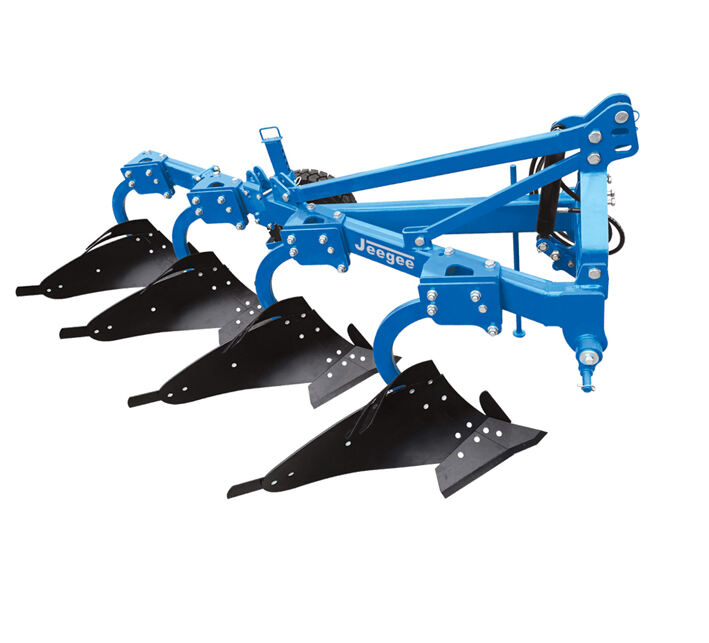
The plough is one of agriculture's most enduring and consequential tools, shaping civilizations by making large-scale crop cultivation possible. Yet in an era defined by growing concerns about soil degradation, water scarcity, and long-term agricultural productivity, the role of the plough is undergoing significant reexamination. Sustainable farming and soil conservation projects are not abandoning the plough — instead, they are redefining how and when it is used to protect the very resource it works with: the soil itself. Understanding this shift is essential for any farmer, agronomist, or agricultural project manager looking to balance productivity with environmental stewardship.
Across smallholder farms in developing regions and large-scale commercial operations alike, the plough continues to play a decisive role in seedbed preparation, organic matter incorporation, and structural soil management. However, modern sustainable agriculture demands a more nuanced approach — one that considers soil biology, erosion risk, carbon sequestration, and water retention alongside traditional tillage goals. This article explores precisely how the plough is applied within sustainable farming frameworks and soil conservation projects, detailing the methods, timing, and design features that make it a responsible tool rather than a destructive one.
The Foundational Role of the Plough in Soil Management
Turning Soil for Improved Structure and Aeration
At its core, the plough serves to invert and break up compacted soil layers, creating a more porous, aerated environment that supports root growth and microbial activity. When used correctly, a plough loosens dense subsoil, disrupts hardpan layers that restrict water infiltration, and creates the fine tilth needed for seed germination. In sustainable systems, this function is not eliminated — it is carefully timed and calibrated to avoid unnecessary soil disturbance.
Soil compaction is a significant barrier to sustainable productivity. Heavy rainfall, repeated machinery passes, and high-density livestock activity all compress soil particles, reducing pore space and limiting oxygen and water movement. A well-timed plough operation can reverse these effects, restoring the physical soil structure needed for efficient crop uptake. In conservation-focused projects, this is often done on a targeted basis, addressing only the most degraded zones rather than turning an entire field.
The depth and frequency of ploughing are critical variables in sustainable contexts. Deep ploughing may be necessary to break subsoil compaction, while shallow tillage is preferred for routine seedbed preparation. Responsible plough use means matching tillage depth to actual soil conditions, preventing the over-disturbance that exposes organic matter to rapid oxidation and erosion.
Organic Matter Incorporation and Nutrient Cycling
One of the most valuable sustainable functions of the plough is its ability to incorporate crop residues, green manures, and compost into the soil profile. Surface organic matter, if left unincorporated, can harbor pests and diseases, create uneven seedbeds, and in dry climates, become a fire hazard. The plough buries this material efficiently, accelerating decomposition and releasing nutrients directly into the root zone.
In soil conservation projects that emphasize organic carbon restoration, the plough is used as an incorporation tool following cover crop termination. When leguminous cover crops such as clover, vetch, or field peas are turned under with a plough, they decompose rapidly and contribute significant nitrogen to the soil — reducing dependence on synthetic fertilizers and supporting soil biology simultaneously.
The plough also plays a role in breaking down weed biomass before a main crop is planted, reducing weed seed banks without herbicide application. In organic and low-input farming systems, this mechanical weed management function is particularly valuable, allowing the plough to contribute directly to reduced chemical use — a core sustainability objective.
How the Plough Supports Soil Conservation on Slopes and Erosion-Prone Land
Contour Ploughing as an Erosion Control Technique
On sloped terrain, the direction in which a plough operates has profound implications for soil erosion. Traditional downslope ploughing creates furrows that channel rainwater downhill, accelerating surface runoff and washing away topsoil. Contour ploughing — running the plough horizontally across a slope, following the natural contour lines of the land — fundamentally changes this dynamic.
When furrows run along the contour, they act as miniature terraces, capturing rainfall and encouraging it to infiltrate rather than run off. This reduces erosion dramatically on moderate to steep slopes, keeps fertile topsoil in place, and recharges groundwater reserves. Contour ploughing is a foundational technique in soil conservation projects around the world, often combined with vegetated buffer strips and check dams to create a comprehensive erosion management system.
The plough is indispensable for implementing contour tillage because it physically shapes the soil surface in precise, repeatable patterns. GPS-guided plough systems have made contour tillage even more accurate, allowing project managers to achieve consistent furrow alignment across complex topography. For smallholder farmers without access to precision technology, even manual contour ploughing with draught animals or small tractors offers measurable erosion reduction benefits.
Tie Ridging and Water Harvesting Through Plough Design
Specialized plough attachments and configurations allow for tie ridging, a technique where small earthen barriers — or ties — are formed at regular intervals along furrows. These ties prevent water from flowing freely along furrows, creating pools that allow rainfall to soak into the soil rather than accumulate as runoff. Tie ridging is widely used in semi-arid regions where rainfall is limited and erratic, effectively harvesting every drop of precipitation within the field boundary.
A plough configured for tie ridging transforms a standard tillage pass into a water harvesting operation, with direct implications for drought resilience and soil moisture retention. In conservation agriculture projects in sub-Saharan Africa, South Asia, and dryland farming regions of South America, tie ridging with a plough has demonstrated consistent improvements in crop yields during dry spells, while simultaneously reducing erosion and nutrient runoff.
The integration of water harvesting into plough operations illustrates how the tool can serve multiple sustainability goals in a single field pass. Rather than requiring separate operations for tillage and water management infrastructure, a correctly configured plough delivers both outcomes efficiently — a practical advantage for resource-constrained farming projects.
Minimum Tillage Strategies: Using the Plough Selectively
Strategic Ploughing Within Conservation Tillage Systems
Conservation tillage — which includes no-till, strip-till, and minimum tillage approaches — often seems to contradict the use of a plough. However, sustainable farming specialists increasingly recognize that strategic, infrequent ploughing has a place even within conservation tillage rotations. The key concept is that a plough is used only when specific soil conditions demand it, rather than as a routine annual practice.
In many long-term no-till systems, soil compaction eventually limits productivity, particularly in high-rainfall zones or fields with heavy machinery traffic. A planned, targeted plough operation — sometimes called a strategic tillage event — can break this compaction without permanently undermining the soil biology benefits that have accumulated. When followed immediately by cover cropping and a return to minimum disturbance practices, this strategic use of the plough preserves the best of both approaches.
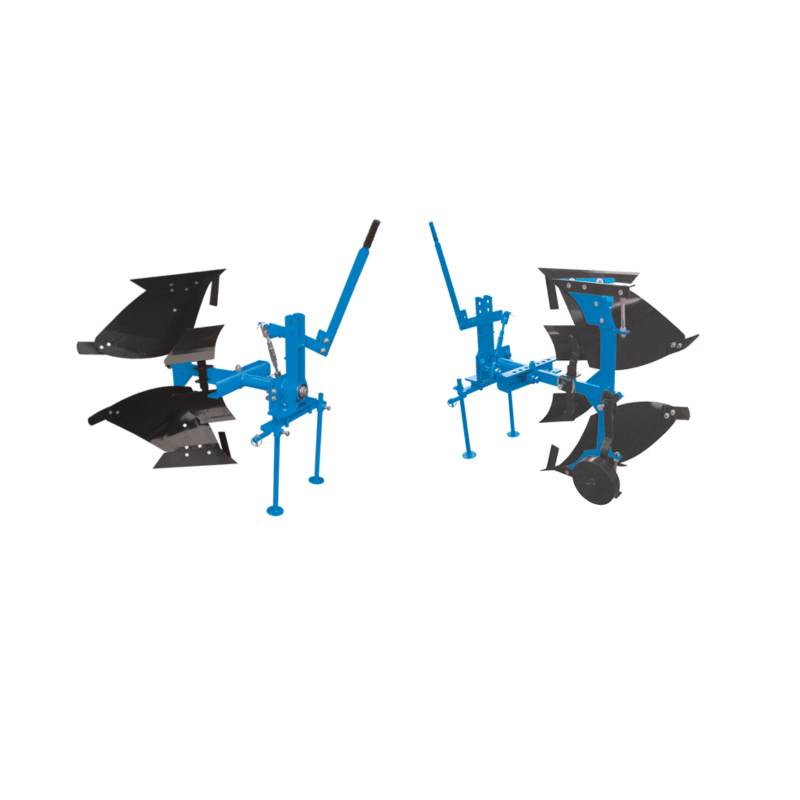
The plough in these contexts is selected for its ability to work with precision and minimal surface disturbance. Mini tilting ploughs, for example, are particularly well-suited to strategic tillage in smallholder and market garden settings, providing the leverage to break compacted layers without overturning the entire soil profile and disrupting established soil structures above the compaction zone.
Selective Ploughing for Weed and Disease Management
Persistent weed infestations and soilborne diseases can sometimes accumulate to levels that threaten sustainable productivity. In these situations, a targeted plough operation can physically disrupt weed root systems, bury weed seeds below viable germination depth, and expose disease-causing pathogens to desiccation and UV radiation. This selective use of the plough reduces the need for chemical intervention — aligning with organic and reduced-input farming goals.
The plough's mechanical action is particularly effective against perennial weeds with deep rhizomes, which can be severed and buried to interrupt regrowth cycles. In organic farming systems, this function is one of the primary justifications for retaining the plough as part of the tool inventory, even when overall tillage intensity is being reduced. The result is cleaner fields entering planting season without herbicide dependency.
Disease management through tillage is relevant in contexts where fungal pathogens, nematode populations, or bacterial infections build up in surface residues. Ploughing these residues down into the soil exposes them to biological decomposition processes that neutralize the pathogen load over time. When integrated into a planned crop rotation, this plough-based disease management strategy is both effective and sustainable.
Equipment Design and Sustainable Plough Performance
Matching Plough Type to Sustainability Objectives
Not all ploughs deliver equal results in sustainable farming contexts. The design of the plough — its board shape, working depth, draft requirements, and soil inversion characteristics — directly determines its sustainability impact. Choosing the right type of plough for a specific soil type, slope, and conservation goal is a decision that affects long-term soil health as much as crop selection or fertilization strategy.
Moldboard ploughs provide full soil inversion, making them suitable for burying heavy residue volumes and breaking severe compaction. Disc ploughs are better adapted to hard, dry soils and rocky conditions, reducing draft requirements while still achieving useful tillage depth. Chisel ploughs disturb soil with minimal inversion, preserving more residue on the surface and making them appropriate for conservation tillage scenarios where some physical soil loosening is needed without full profile disturbance.
For smallholder farms and conservation projects with limited mechanization budgets, compact and versatile plough designs — such as mini tilting models — offer the ability to work efficiently in tight spaces, on irregular terrain, and with smaller power sources. These designs minimize soil disturbance per unit area while still delivering meaningful structural improvement, making them ideal for precision soil conservation work in project settings with environmental reporting requirements.
Draft Efficiency and Fuel Reduction in Sustainable Tillage
The energy required to operate a plough — known as draft — has direct sustainability implications in terms of fuel consumption, carbon emissions, and operational costs. High draft requirements mean more fuel burned per hectare tilled, increasing both the economic and environmental cost of each plough pass. Modern plough designs prioritize draft efficiency through optimized board geometry, improved soil release coatings, and adjustable working angles.
In sustainable farming projects where emission reduction is a measurable goal, selecting a fuel-efficient plough configuration is directly tied to project performance metrics. Lower draft ploughs complete the same soil conditioning work with less energy, reducing greenhouse gas emissions per unit of productive land. This efficiency gain compounds across large-scale projects, yielding meaningful carbon footprint reductions over multi-year project timelines.
Soil moisture at the time of ploughing also affects draft requirements and soil disturbance outcomes. Ploughing soil at optimal moisture — neither too wet nor too dry — requires less force, reduces clod formation, and minimizes structural damage. Sustainable farm management plans increasingly include soil moisture monitoring as a precondition for scheduled plough operations, ensuring that each tillage event achieves maximum results with minimum energy expenditure.
FAQ
Is the plough compatible with no-till and conservation agriculture systems?
Yes, the plough can be compatible with conservation agriculture when used strategically rather than routinely. In long-term no-till systems, occasional targeted plough operations address accumulated soil compaction without permanently disrupting the soil ecosystem. This selective approach, sometimes called strategic tillage, retains the soil health benefits of reduced disturbance while allowing the plough to correct structural problems that would otherwise limit productivity.
What is contour ploughing and why does it matter for soil conservation?
Contour ploughing involves running the plough across a slope horizontally, following the land's natural elevation lines rather than ploughing up and down the slope. This creates furrows that intercept and hold rainfall, reducing surface runoff and preventing the erosion of topsoil. It is one of the most widely recommended and cost-effective techniques in soil conservation projects on sloped or hilly agricultural land.
How does plough type affect outcomes in sustainable farming projects?
Different plough designs produce different tillage outcomes, and selecting the right type is critical in sustainable farming. Moldboard ploughs offer full soil inversion suitable for heavy residue management, disc ploughs work better in hard or rocky soils, and chisel ploughs minimize surface disruption while loosening deeper layers. Matching the plough design to specific soil conditions, slope characteristics, and conservation goals ensures that tillage achieves its intended benefit without unnecessary environmental cost.
Can a plough be used to harvest rainwater in dryland farming systems?
Yes, through techniques such as tie ridging, the plough can be configured to create small earthen barriers within furrows that capture and hold rainfall, preventing runoff and encouraging soil infiltration. This water harvesting function is particularly valuable in semi-arid and dryland farming regions where rainfall is scarce and unpredictable. When integrated into a broader soil conservation strategy, plough-based water harvesting can significantly improve crop resilience and reduce drought-related yield losses.