 EN
EN

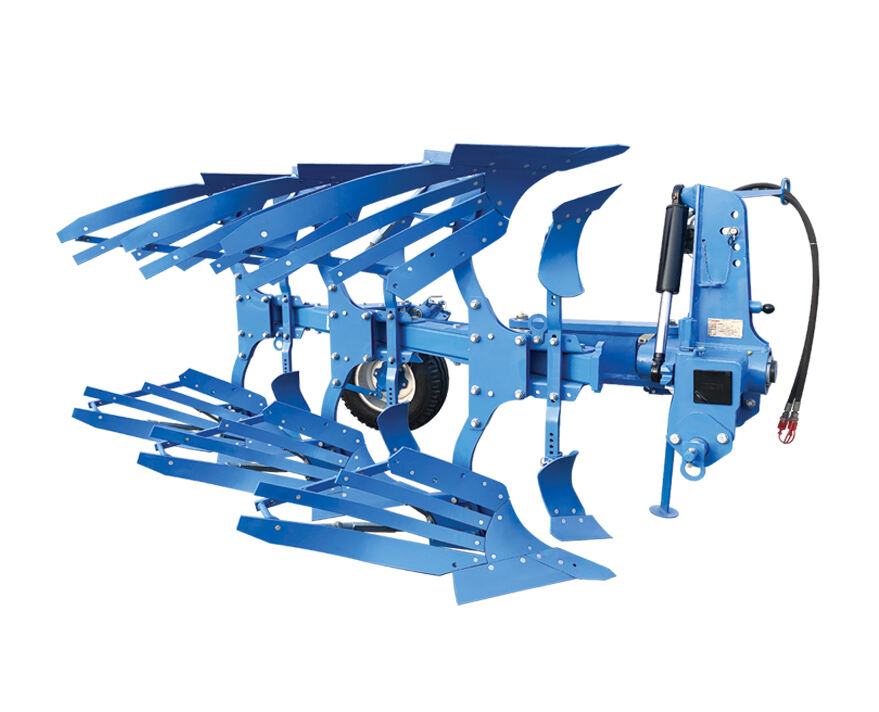
Modern agriculture is under growing pressure to deliver consistent yields while minimizing its environmental footprint. At the center of this challenge lies land preparation — the foundational process that determines soil health, water retention, root development, and ultimately, crop productivity. The tiller cultivator has emerged as one of the most influential tools in shaping how farmers and agronomists approach sustainable land preparation systems. Understanding how this machine integrates into long-term soil management strategies is essential for any operation seeking to reduce chemical dependency, lower operational costs, and improve ecological outcomes.
Sustainable land preparation is not simply about plowing a field and planting seeds. It involves a carefully calibrated sequence of mechanical and biological interventions that preserve soil structure, reduce erosion, encourage microbial activity, and prepare a seedbed that supports vigorous germination. The tiller cultivator plays a direct and measurable role in each of these stages. From breaking compacted layers to incorporating organic matter and managing weed pressure without herbicides, this machine is a cornerstone of regenerative and sustainable farming practices used across a wide range of agricultural contexts worldwide.
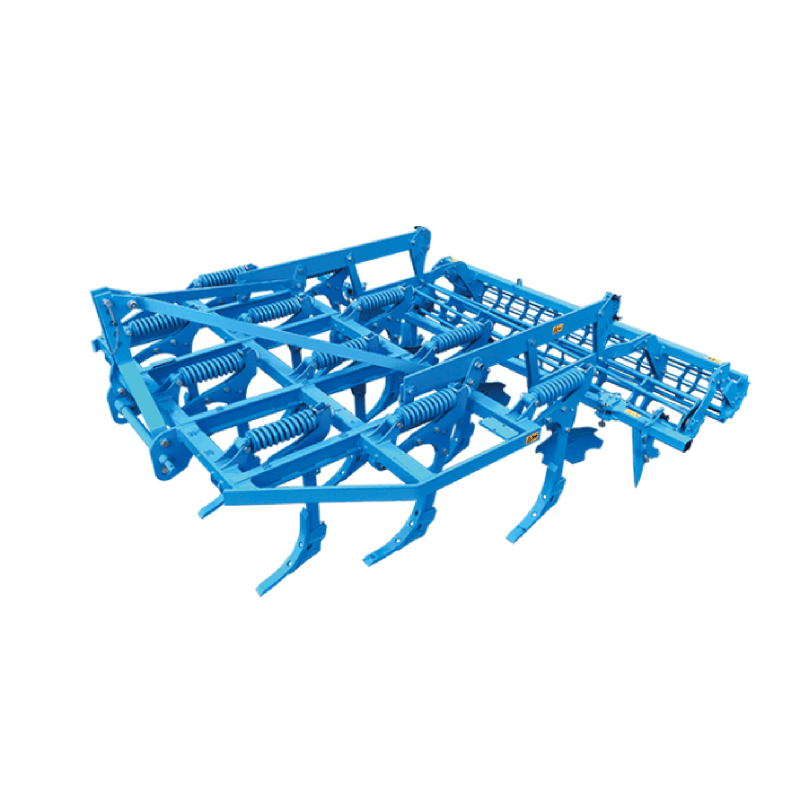
Understanding the Role of the Tiller Cultivator in Soil Health Management
Mechanical Aeration and Compaction Relief
One of the most significant contributions a tiller cultivator makes to sustainable agriculture is its ability to mechanically aerate the soil. Soil compaction is a persistent problem in fields that receive heavy foot traffic, repeated heavy machinery use, or intensive rainfall. Compacted soils restrict root penetration, reduce water infiltration, and limit the exchange of oxygen necessary for healthy root respiration. By working through the topsoil and breaking apart dense layers, the tiller cultivator restores the physical porosity that plants and soil microorganisms depend on.
Unlike deep plowing, which can disrupt the subsoil ecosystem, a well-calibrated tiller cultivator works within the biologically active zone — typically the top 15 to 30 centimeters — where most root activity and microbial life occurs. This precision means that soil structure can be loosened and conditioned without causing the kind of deep disturbance that leads to long-term erosion or loss of topsoil. For sustainable systems, this targeted approach is a significant advantage over more aggressive tillage methods.
Operators who use a tiller cultivator as part of a rotational tillage strategy — alternating depth and frequency based on soil condition assessments — report improved aggregate stability over time. This means the soil becomes increasingly resilient, requiring less intensive mechanical intervention with each growing season. This progressive soil improvement is a hallmark of genuinely sustainable land preparation.
Organic Matter Incorporation and Nutrient Cycling
Sustainable agriculture depends heavily on organic matter as a driver of soil fertility, water retention, and biological activity. Cover crops, crop residues, compost, and green manures are all critical inputs in organic and low-input farming systems. However, their value is only realized when they are properly incorporated into the soil profile. This is precisely where the tiller cultivator demonstrates exceptional utility in a sustainable context.
By mechanically mixing surface residues into the upper soil layer, the tiller cultivator accelerates the decomposition process. When organic material is buried at an appropriate depth and fragmented by the tines or blades of the machine, microbial communities gain far greater access to carbon-rich substrates. The result is faster humification, improved cation exchange capacity, and a more biologically active soil that releases nutrients to crops in a more synchronized and efficient manner.
The tiller cultivator also plays a role in managing green manure crops at the end of a growth cycle. Rather than relying on herbicides or burning to terminate and incorporate these biomass crops, farmers can use the tiller cultivator to mechanically work the material into the soil. This approach eliminates chemical inputs, reduces smoke pollution, and delivers the full organic value of the biomass back into the field — a triple benefit for sustainable land preparation systems.
Weed Management Without Chemical Dependency
Mechanical Weed Suppression as a Sustainable Strategy
One of the most compelling reasons that the tiller cultivator supports sustainable land preparation is its effectiveness as a chemical-free weed management tool. In conventional agriculture, herbicide use represents one of the largest chemical input costs and one of the most significant sources of environmental contamination through soil and water runoff. Transitioning away from herbicide dependency is a priority for any farming system pursuing sustainability certification or reduced ecological impact.
The tiller cultivator physically disrupts germinating weed seeds and emerging weed seedlings by turning the soil surface and burying weeds below the light threshold needed for photosynthesis. When timed correctly — typically just before or just at crop emergence — inter-row cultivation with a tiller cultivator can reduce weed biomass by a substantial margin without a single application of chemical herbicide. This method also avoids the development of herbicide-resistant weed populations, which is a growing agronomic challenge globally.
For row crops such as maize, soybeans, sunflowers, and vegetables, the tiller cultivator can be configured for precision inter-row passes that disturb weed growth between plant rows without damaging the crop itself. Modern guidance systems and adjustable working widths have made this level of precision increasingly accessible for mid-scale and commercial operations. The environmental benefit extends beyond the farm boundary, as reduced herbicide runoff protects adjacent water bodies, wetlands, and biodiversity corridors.
Stale Seedbed Technique and Germination Management
The stale seedbed technique is a well-established agronomic practice that relies heavily on the tiller cultivator. The process involves preparing the seedbed early, allowing the first flush of weed seeds to germinate, and then performing a shallow tiller cultivator pass to destroy those seedlings before the main crop is sown. By depleting the weed seed bank in the surface soil layer before planting, farmers reduce in-season weed pressure dramatically without herbicides.
This approach requires a tiller cultivator capable of shallow, uniform working depth — typically no deeper than three to five centimeters — to avoid bringing fresh weed seeds up from deeper in the profile. Precision depth control is therefore a critical specification when selecting a tiller cultivator for sustainable land preparation systems. Machines with adjustable depth limiters, consistent blade engagement, and good weight distribution provide the operational accuracy this technique demands.
Over multiple seasons, the stale seedbed method combined with regular tiller cultivator use creates a measurable reduction in the weed seed bank. Farmers who adopt this integrated approach often report dramatically lower weed populations within three to five years, reducing the labor and mechanical intervention required for weed control and reinforcing the long-term sustainability of their land management system.
Seedbed Preparation Quality and Crop Establishment
Seedbed Tilth and Germination Optimization
The physical condition of the seedbed at planting time is one of the strongest predictors of germination uniformity and early crop vigor. A seedbed prepared with a well-calibrated tiller cultivator achieves the fine, crumbly tilth that allows seeds to make consistent contact with moist soil particles, absorb water uniformly, and emerge within a narrow window. This uniformity is critical in sustainable systems because it reduces the need for replanting, supports even canopy closure that naturally suppresses weeds, and improves the efficiency of irrigation or rainfall utilization.
The tiller cultivator achieves optimal seedbed tilth by fragmenting soil clods into small, uniform aggregates without over-pulverizing the structure into dust. Over-worked soil loses its aggregate stability and becomes prone to surface crusting after the first rainfall, which physically impedes seedling emergence and promotes runoff rather than infiltration. A tiller cultivator operated at the correct speed, depth, and ground condition produces tilth that strikes the right balance between fineness and structural integrity.
For transplanted crops such as tomatoes, peppers, brassicas, and herbs, seedbed quality prepared by the tiller cultivator is particularly important. Transplant roots need loose, friable soil that allows rapid establishment and minimizes transplant shock. Commercial vegetable growers consistently identify the tiller cultivator as an indispensable tool for achieving the consistent bed quality needed across large planting areas with tight scheduling constraints.
Moisture Conservation and Irrigation Efficiency
Water use efficiency is a central concern in sustainable agriculture, especially in regions facing increased drought frequency or groundwater depletion. The tiller cultivator contributes directly to moisture conservation by creating a surface mulch of loose, broken soil particles that acts as a physical barrier to evaporative water loss. This technique, sometimes called a dust mulch, reduces the rate at which capillary water is drawn to the surface and lost to the atmosphere.
Pre-irrigation tillage with a tiller cultivator also helps break surface crusts that form after rain or irrigation, restoring infiltration capacity and allowing subsequent water inputs to penetrate more deeply into the soil profile rather than running off. In drip or furrow irrigation systems, maintaining good soil structure through periodic tiller cultivator passes between irrigation events can meaningfully improve the distribution uniformity of water through the root zone.
For operations working in semi-arid or water-stressed environments, the water-conserving benefits of the tiller cultivator are not marginal — they are strategically significant. Every improvement in infiltration rate and reduction in evaporative loss directly reduces the volume of water needed to maintain crop growth, lowering pumping energy costs, extending aquifer life, and reducing the carbon footprint associated with irrigation.
Integration into Regenerative and Low-Input Farming Systems
Compatibility with Reduced Tillage Transitions
Many farmers transitioning from conventional tillage toward reduced-tillage or regenerative models face a challenging middle period during which soil structure is being rebuilt but weed pressure, compaction, and residue management issues have not yet fully resolved. The tiller cultivator serves a critical bridging function in this transition phase. Rather than making the abrupt jump to no-till — which can overwhelm soil biology and weed management capacity simultaneously — farmers can use strategic tiller cultivator passes to manage specific problem areas while progressively reducing overall tillage intensity.
Tiller cultivator use can be targeted at high-compaction zones such as wheel tracks, headlands, and areas with heavy residue accumulation. This selective approach allows the farmer to address real physical problems without subjecting the entire field to unnecessary disturbance. Over time, as soil structure improves and biological activity increases under reduced tillage management, the frequency and intensity of tiller cultivator intervention naturally decreases — a trajectory consistent with regenerative principles.
Precision farming tools increasingly complement the tiller cultivator in this transition. Soil moisture sensors, electrical conductivity mapping, and GPS-guided variable-rate tillage systems allow operators to deploy the tiller cultivator exactly where and when it is needed, rather than treating all areas of a field uniformly. This data-driven approach minimizes unnecessary disturbance and maximizes the value of each tiller cultivator pass in the broader context of sustainable land management.
Supporting Cover Crop and Intercropping Systems
Cover cropping has experienced a significant resurgence in sustainable agriculture as a tool for building soil organic matter, preventing erosion, fixing atmospheric nitrogen, and suppressing weeds. However, cover crop termination and incorporation present practical challenges that the tiller cultivator addresses effectively. When cover crops are mowed or crimped and then incorporated with a tiller cultivator pass, the biomass is integrated into the soil where it can decompose and contribute to the next crop's fertility program.
Intercropping systems — where two or more crops are grown simultaneously in alternating rows or mixed stands — also benefit from tiller cultivator management. The machine can be configured for narrow working widths to perform inter-row cultivation passes that keep the working rows weed-free and aerated without disturbing the crop rows themselves. This inter-row precision is increasingly important as mixed cropping systems gain adoption in commercial horticulture and agroforestry contexts.
The versatility of the tiller cultivator in these complex cropping systems underscores its importance not just as a simple tillage tool but as a multi-functional land preparation asset. Its ability to support cover cropping, intercropping, green manure incorporation, and weed management simultaneously makes the tiller cultivator one of the most cost-effective investments in a sustainable farming operation's machinery portfolio.
FAQ
How does a tiller cultivator differ from conventional plowing in terms of soil health impact?
A tiller cultivator typically works within the upper soil layer where biological activity is highest, causing less disruption to the deep soil ecosystem compared to conventional moldboard plowing. Plowing can invert the soil profile and expose subsurface layers that lack the organic matter and microbial communities needed for healthy plant growth. The tiller cultivator, by contrast, conditions the surface zone without the deep inversion, making it a more soil-health-conscious tool for sustainable land preparation. When used with appropriate frequency and depth, it supports rather than undermines the long-term biological integrity of the field.
Is a tiller cultivator suitable for all soil types in a sustainable farming context?
The tiller cultivator performs well across a broad range of soil types including loams, sandy loams, clay loams, and silty soils, but performance and settings must be adapted to conditions. In heavy clay soils, operating the tiller cultivator when soil moisture is within the plastic limit — neither too wet nor too dry — is essential to achieving quality tillage without smearing or excessive clod formation. Sandy soils require care to avoid over-working, which can destroy aggregate structure. With correct calibration and timing, the tiller cultivator delivers effective and sustainable results in most agricultural soil environments.
Can a tiller cultivator replace herbicides entirely in a sustainable weed management program?
In many cropping systems, consistent and well-timed tiller cultivator use can substantially reduce herbicide dependency and, in some cases, eliminate it entirely. The effectiveness of mechanical weed control through the tiller cultivator depends on timing relative to weed emergence, the precision of depth control, and integration with other practices such as crop rotation and cover cropping. For row crops with sufficient inter-row space, the tiller cultivator is particularly effective as a stand-alone weed management tool. However, in dense-canopy crops or in fields with extremely high weed seed bank pressure, it may function best as a component of an integrated weed management approach.
How often should a tiller cultivator be used in a sustainable land preparation rotation?
The optimal frequency of tiller cultivator use depends on soil condition, crop rotation, and the specific goals of the land preparation system. In conventional transition programs, two to three passes per season may be needed initially to address compaction and weed pressure. As soil structure improves under sustainable management, the number of passes should decline. Many regenerative practitioners aim to reduce tiller cultivator intervention progressively, using it primarily for targeted compaction relief, pre-plant seedbed finishing, and green manure incorporation rather than routine whole-field tillage. The goal is to use the tiller cultivator purposefully and as infrequently as necessary to maintain soil health without over-disturbing the ecosystem.
Table of Contents
- Understanding the Role of the Tiller Cultivator in Soil Health Management
- Weed Management Without Chemical Dependency
- Seedbed Preparation Quality and Crop Establishment
- Integration into Regenerative and Low-Input Farming Systems
-
FAQ
- How does a tiller cultivator differ from conventional plowing in terms of soil health impact?
- Is a tiller cultivator suitable for all soil types in a sustainable farming context?
- Can a tiller cultivator replace herbicides entirely in a sustainable weed management program?
- How often should a tiller cultivator be used in a sustainable land preparation rotation?