 EN
EN

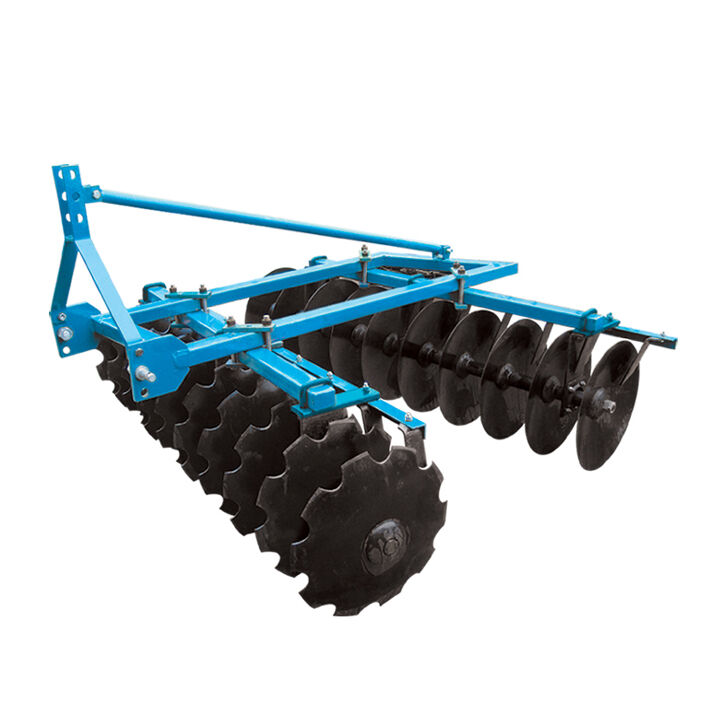
The tiller cultivator has become one of the most essential pieces of equipment in modern agricultural cultivation. Across diverse farming environments — from small family plots to large commercial fields — this machine consistently delivers the soil preparation results that crops demand. Its widespread adoption is not a coincidence but a direct reflection of how well it addresses the core challenges farmers face every season.
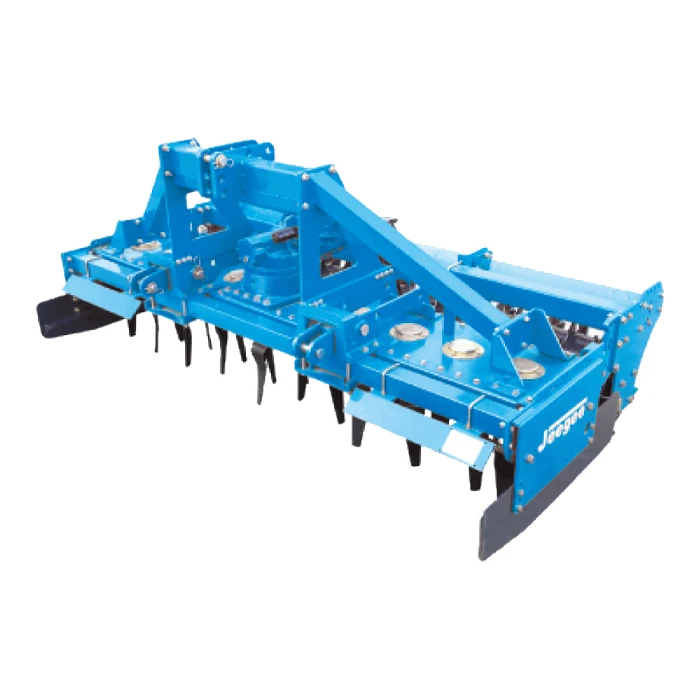
Understanding why the tiller cultivator is so widely used requires looking at the practical realities of soil management, crop productivity, and operational efficiency. Modern agriculture demands tools that can perform reliably under varying soil conditions, reduce labor costs, and integrate smoothly with existing farm machinery. The tiller cultivator meets all of these demands, which explains its dominant presence in cultivation practices around the world today.
The Fundamental Role of a Tiller Cultivator in Soil Preparation
Breaking and Loosening Compacted Soil
One of the primary reasons the tiller cultivator is so widely adopted is its ability to break through compacted soil layers that would otherwise restrict root development. Compaction is a persistent problem in fields that experience heavy machinery traffic or repeated rainfall. When soil becomes dense and hard, water infiltration slows, oxygen availability drops, and root systems struggle to penetrate deep enough to anchor plants and absorb nutrients effectively.
The tiller cultivator addresses this directly by mechanically fracturing the compacted layer and turning the soil to restore its natural porosity. This process creates a loose, aerated seedbed that gives young roots the path of least resistance as they establish themselves. Farmers who use a tiller cultivator consistently report better germination rates and more uniform crop stands compared to fields prepared with minimal tillage.
Beyond breaking compaction, the tiller cultivator also mixes organic matter, crop residues, and soil amendments into the upper soil profile. This blending action accelerates decomposition and nutrient cycling, which directly supports the fertility levels that high-yield crops require. The mechanical integration of organic material is something that surface-only tools simply cannot achieve at the same depth or consistency.
Creating an Optimal Seedbed Structure
A well-prepared seedbed is the foundation of a productive growing season, and the tiller cultivator is specifically designed to create that structure efficiently. The machine breaks large soil clods into finer particles, levels uneven terrain, and produces a consistent tilth across the entire field. This uniformity matters because it ensures that seeds are placed at a consistent depth, receive equal moisture contact, and germinate at roughly the same time.
When seedbed quality is inconsistent, farmers face uneven crop emergence, which complicates irrigation scheduling, fertilizer application, and ultimately harvest timing. The tiller cultivator eliminates much of this variability by standardizing the physical condition of the soil before planting begins. For commercial growers managing large acreages, this consistency translates directly into more predictable yields and reduced post-emergence management costs.
The tiller cultivator also plays a role in moisture management at the seedbed level. By creating a fine, crumbly surface layer, it reduces the rate of surface evaporation while still allowing rainfall and irrigation water to penetrate quickly. This balance between moisture retention and drainage is critical in regions where water availability is variable or where irrigation resources are limited.
Operational Efficiency and Labor Savings
Replacing Manual and Animal-Powered Tillage
Historically, soil preparation was one of the most labor-intensive phases of the agricultural calendar. Manual digging, hoeing, and animal-drawn plowing required significant human effort and time, limiting the area a farm could cultivate in a single season. The tiller cultivator fundamentally changed this equation by mechanizing the tillage process and dramatically reducing the hours required to prepare a field for planting.
A single tiller cultivator operated by one person can cover ground that would have required many workers using hand tools. This efficiency gain is particularly significant in regions where agricultural labor is scarce or expensive. By reducing dependence on manual labor for soil preparation, the tiller cultivator allows farm operators to redirect their workforce toward tasks that still require human judgment and skill, such as crop monitoring, irrigation management, and harvest operations.
The shift from animal-powered tillage to mechanized tiller cultivator use also brought improvements in consistency and depth control. Animals tire, and their performance varies with terrain and weather. A tiller cultivator maintains consistent working depth and speed regardless of these variables, producing more uniform results across the entire field area.
Compatibility with Tractor-Mounted Systems
The tiller cultivator's widespread use in modern agriculture is also driven by its compatibility with standard tractor power take-off (PTO) systems. Most contemporary tiller cultivators are designed as tractor-mounted implements, meaning they can be attached to a wide range of tractor models without requiring specialized equipment. This compatibility makes the tiller cultivator accessible to farms of varying sizes and budgets.
Tractor-mounted tiller cultivators benefit from the tractor's hydraulic system for depth adjustment, allowing operators to change working depth quickly and precisely as soil conditions change across a field. This adaptability is important because soil texture, moisture content, and compaction levels often vary significantly within a single field. The ability to respond to these variations in real time improves the quality of the finished seedbed and reduces the risk of over-tilling or under-tilling specific zones.
The integration of the tiller cultivator with modern GPS-guided tractor systems has further enhanced its operational value. Precision agriculture setups can now control tiller cultivator depth and speed automatically based on pre-mapped soil data, reducing operator fatigue and improving field-level consistency. This technological convergence is one reason why the tiller cultivator remains relevant even as agricultural technology continues to advance.
Versatility Across Crops and Farming Systems
Suitability for a Wide Range of Crops
Another key reason the tiller cultivator is so widely used is its versatility across different crop types and farming systems. Whether a farmer is preparing ground for cereals, vegetables, legumes, or specialty crops, the tiller cultivator can be configured to deliver the appropriate seedbed conditions. Adjustable working depth, rotor speed, and blade configuration allow operators to tailor the machine's performance to the specific requirements of each crop.
Vegetable growers, for example, often require a finer, shallower seedbed than grain farmers. The tiller cultivator can be set to work at shallower depths with higher rotor speeds to produce the fine tilth that small-seeded vegetables need for reliable germination. Grain farmers, on the other hand, may prefer deeper tillage to break subsoil compaction and incorporate crop residues from the previous season. The same tiller cultivator can serve both purposes with relatively simple adjustments.
This cross-crop versatility reduces the need for farms to invest in multiple specialized tillage implements. A single tiller cultivator can handle primary and secondary tillage tasks across a diverse crop rotation, making it a cost-effective investment for mixed farming operations. The ability to consolidate multiple tillage functions into one machine is a significant practical advantage that contributes to the tiller cultivator's broad adoption.
Performance in Diverse Soil and Climate Conditions
The tiller cultivator is engineered to perform across a wide spectrum of soil types, from light sandy soils to heavy clay-based profiles. This adaptability is critical in regions where soil variability is high or where farms span multiple soil classification zones. Robust blade designs and adjustable working parameters allow the tiller cultivator to maintain effective performance without causing excessive soil disturbance or structural damage.
In tropical and subtropical farming regions, where soils are often subject to rapid crusting after rainfall, the tiller cultivator provides a reliable solution for restoring surface structure before planting windows close. In temperate regions, it is commonly used in spring to break winter-hardened soil and prepare fields for early-season crops. This climate-spanning utility reinforces why the tiller cultivator has become a standard tool in agricultural systems across very different geographic and agronomic contexts.
Durability under demanding field conditions is also a factor in the tiller cultivator's widespread use. Modern units are built with hardened steel blades, reinforced gearboxes, and protective housings that withstand the abrasive forces of repeated soil contact. This mechanical resilience means that a well-maintained tiller cultivator can deliver consistent performance over many seasons, providing long-term value relative to its initial cost.
Contribution to Sustainable and Productive Farming Practices
Supporting Weed Management Without Chemical Dependency
The tiller cultivator plays a meaningful role in integrated weed management strategies, particularly for farmers seeking to reduce herbicide inputs. By mechanically disrupting weed seedlings and burying weed seeds deeper in the soil profile where germination is less likely, the tiller cultivator reduces the competitive pressure that weeds place on establishing crops. This mechanical weed control function is especially valuable in organic farming systems where synthetic herbicides are not permitted.
Inter-row cultivation using a tiller cultivator during the growing season can further suppress weed populations without damaging the crop itself. Precision-guided tiller cultivator passes between crop rows remove emerged weeds mechanically, reducing the need for repeated herbicide applications. This approach not only lowers input costs but also reduces the risk of herbicide resistance developing in weed populations — a growing concern in many intensive farming regions.
The tiller cultivator's contribution to weed management is one of the reasons it remains relevant even in highly mechanized farming systems that have access to advanced chemical inputs. Mechanical cultivation provides a complementary layer of weed control that chemical programs alone cannot fully replicate, particularly in fields with diverse weed species or resistant biotypes.
Improving Long-Term Soil Health
When used as part of a balanced tillage program, the tiller cultivator contributes positively to long-term soil health. By incorporating organic matter, improving drainage, and reducing surface crusting, it supports the biological activity that healthy soils depend on. Earthworms, beneficial fungi, and soil bacteria all thrive in well-structured, aerated soils — conditions that the tiller cultivator helps create and maintain.
Farmers who integrate tiller cultivator use with cover cropping and crop rotation programs often observe improvements in soil organic matter levels over time. The mechanical incorporation of cover crop biomass by the tiller cultivator accelerates its breakdown and nutrient release, feeding the soil biology that drives natural fertility. This synergy between mechanical tillage and biological soil management is a hallmark of productive, sustainable farming systems.
It is worth noting that responsible tiller cultivator use involves matching tillage intensity to actual soil needs rather than applying maximum tillage as a default. Over-tillage can degrade soil structure and accelerate organic matter loss. Experienced farmers use the tiller cultivator strategically, applying it where and when soil conditions genuinely require mechanical intervention, and combining it with conservation practices to protect the long-term productivity of their land.
FAQ
What is the main function of a tiller cultivator in farming?
The main function of a tiller cultivator is to mechanically prepare soil for planting by breaking compaction, loosening the soil profile, incorporating organic matter, and creating a uniform seedbed. It is used in both primary and secondary tillage operations and can also perform inter-row cultivation during the growing season to manage weeds and maintain soil aeration around established crops.
How does a tiller cultivator differ from a standard plow?
A tiller cultivator uses rotating blades or tines driven by a power take-off system to chop, mix, and aerate soil across a wide working width. A standard plow, by contrast, uses fixed shares to invert soil in furrows. The tiller cultivator produces a finer, more uniform seedbed in a single pass and is generally better suited for secondary tillage and seedbed finishing, while plows are typically used for deep primary tillage to break virgin or heavily compacted ground.
Can a tiller cultivator be used on all soil types?
A tiller cultivator can be used on most agricultural soil types, including sandy, loamy, and clay-based soils. However, performance and settings need to be adjusted based on soil texture and moisture content. Very wet or very dry clay soils can present challenges, as wet clay tends to smear rather than crumble, and extremely dry clay can be difficult to penetrate. Operating the tiller cultivator when soil moisture is at an appropriate level produces the best results and minimizes soil structure damage.
How often should a tiller cultivator be used in a single growing season?
The frequency of tiller cultivator use depends on the crop type, soil condition, and farming system. For most annual crops, one or two passes before planting are sufficient to prepare an adequate seedbed. Additional inter-row cultivation passes may be made during the growing season for weed control. Excessive tillage should be avoided, as it can degrade soil structure, reduce organic matter, and increase erosion risk. A targeted, need-based approach to tiller cultivator use is recommended for maintaining long-term soil health.