Precision Weed Control That Protects Crop Plants and Soil Ecosystems
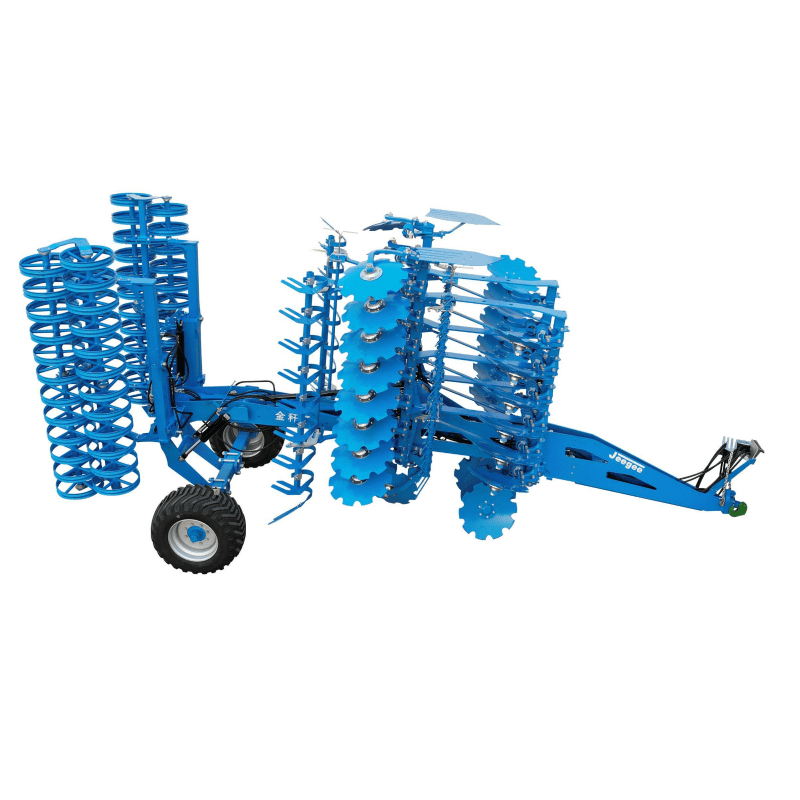
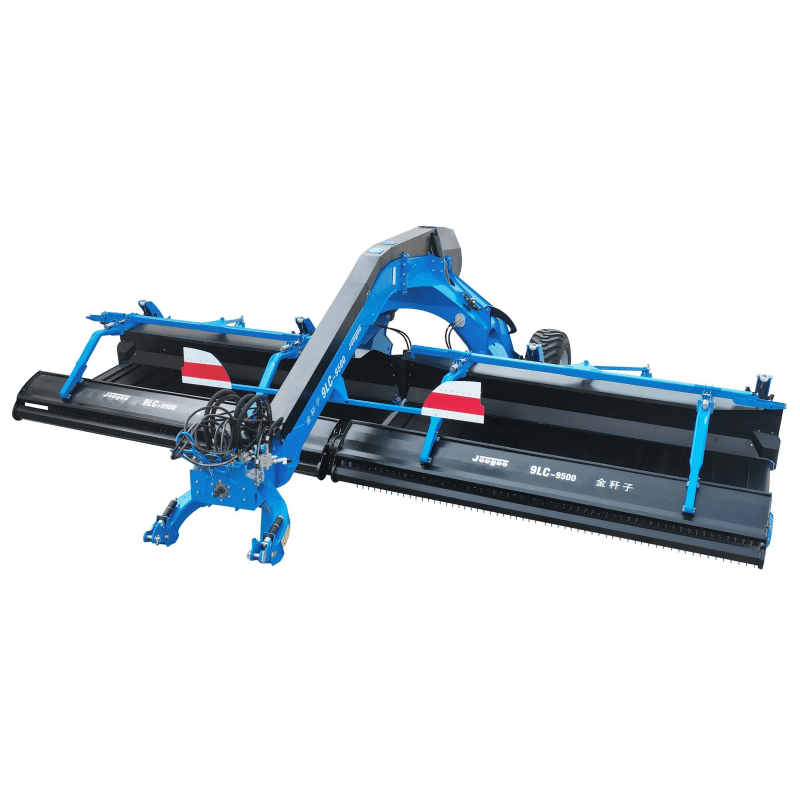
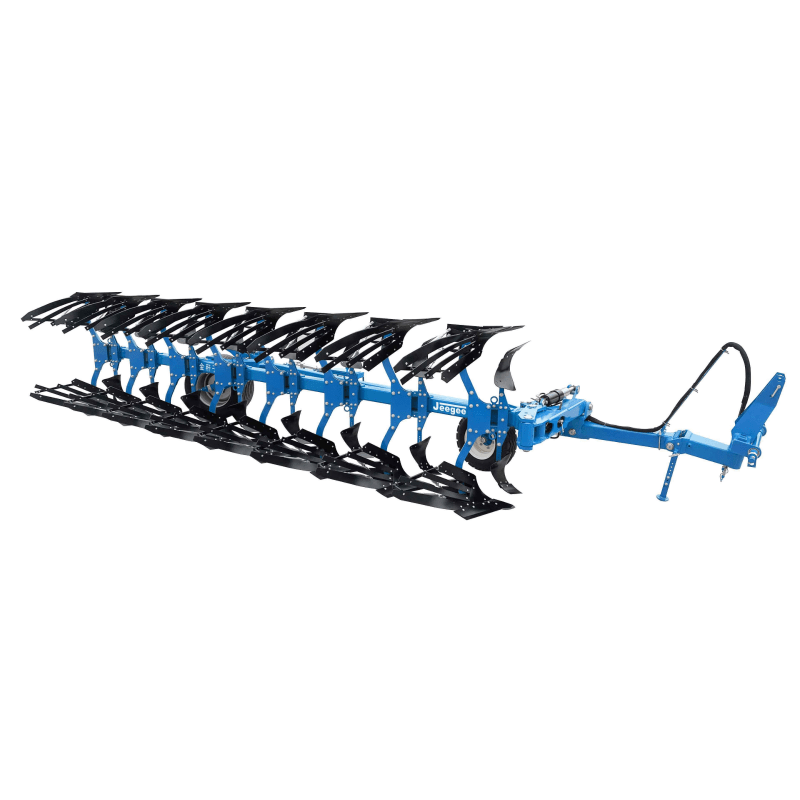
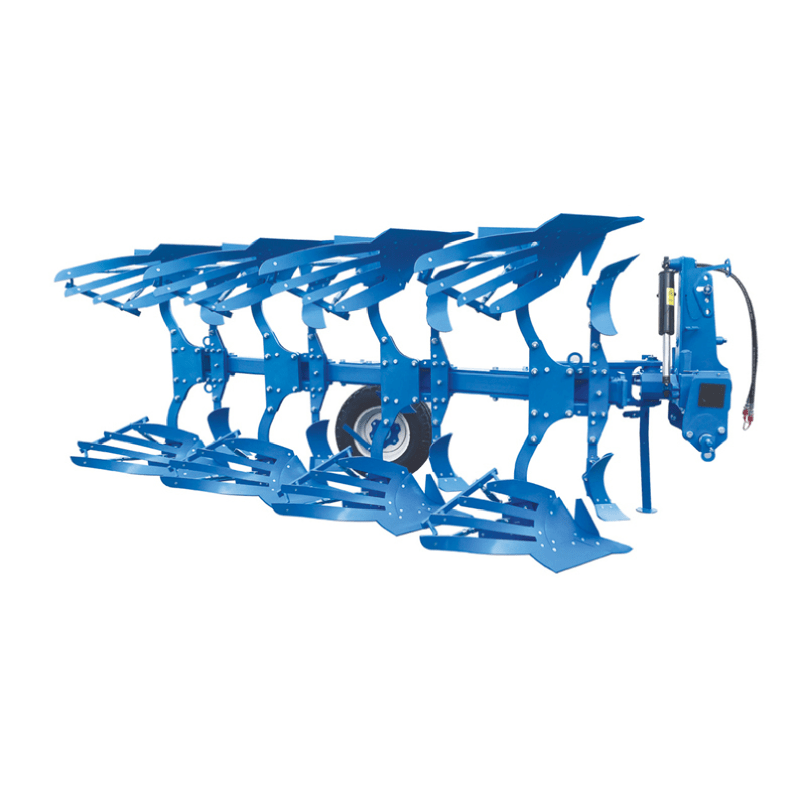
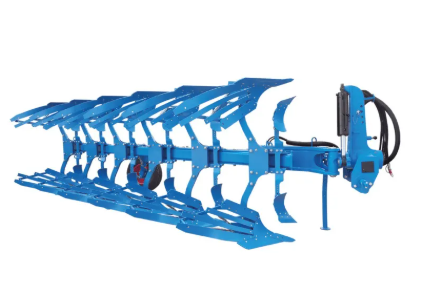
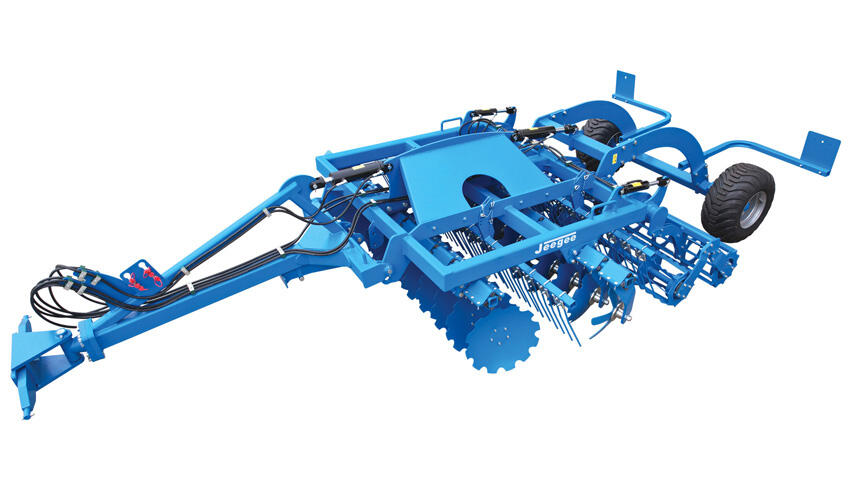
The three point cultivator provides unmatched precision in mechanical weed control, offering farmers an effective alternative to chemical herbicides while protecting desirable crop plants and beneficial soil organisms. This precision capability stems from the implement's configurable design that allows operators to position cultivating shanks exactly where needed, targeting weed-prone zones while avoiding crop root systems. Adjustable toolbar widths and shank spacing accommodate various row configurations, from narrow vegetable plantings to wide-spaced crops like corn or soybeans, ensuring optimal coverage regardless of your specific production system. The shanks disturb soil in the inter-row spaces where weeds compete most aggressively for moisture and nutrients, uprooting young invasive plants before they establish extensive root systems or produce seeds that perpetuate infestation cycles. Timing flexibility represents a crucial advantage, as you can deploy the three point cultivator whenever weed pressure demands intervention rather than adhering to rigid spray schedules dictated by weather windows and re-entry intervals. This responsive approach prevents small weed problems from escalating into major challenges that overwhelm crops and reduce marketable yields. The mechanical action severs weed roots and brings them to the surface where sun exposure causes rapid desiccation, achieving effective control without chemical residues that concern health-conscious consumers and regulatory agencies. Repeated shallow cultivation throughout the growing season depletes weed seed banks by forcing germination and destroying seedlings before they reach reproductive maturity, progressively reducing infestation pressure over multiple seasons. This long-term suppression effect contrasts sharply with herbicide approaches where resistant weed populations increasingly challenge chemical control effectiveness. The three point cultivator's cultivation pattern creates a dust mulch that inhibits subsequent weed germination by disrupting the soil-seed contact necessary for sprouting, extending the period between required cultivation passes. Precision placement of cultivation shanks protects beneficial insects, ground-nesting birds, and other wildlife that inhabit agricultural landscapes, supporting biodiversity and ecological balance often disrupted by broadcast herbicide applications. Soil microbial communities similarly benefit from the targeted disturbance pattern that leaves significant portions of field area undisturbed, maintaining habitat for organisms that cycle nutrients, suppress plant diseases, and improve soil physical properties. Operators develop expertise quickly with the three point cultivator, learning to read crop and weed development stages, adjust equipment settings for current conditions, and optimize cultivation timing for maximum effectiveness with minimal crop stress.
 EN
EN