Light Tiller Guide: Benefits, Features and Applications for Home Gardens

+86-13615166566
All Categories

light tiller

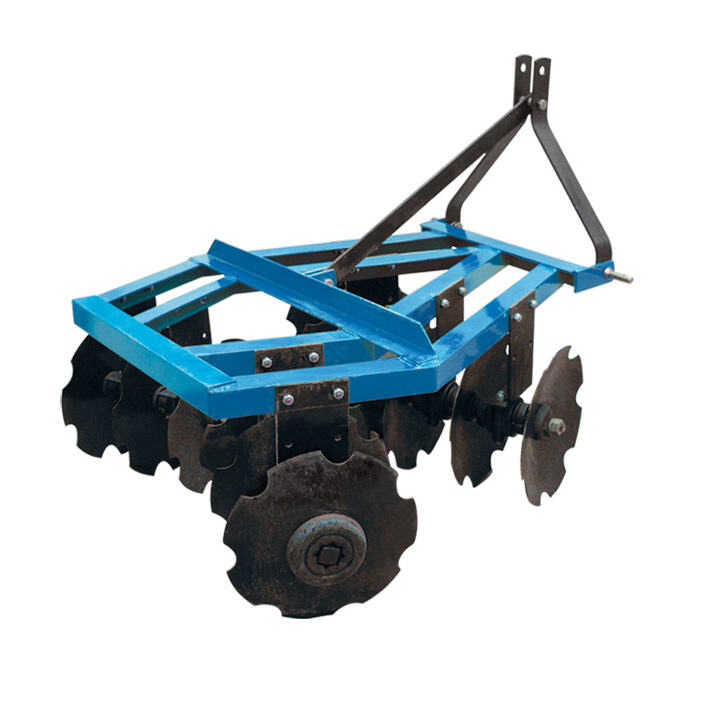
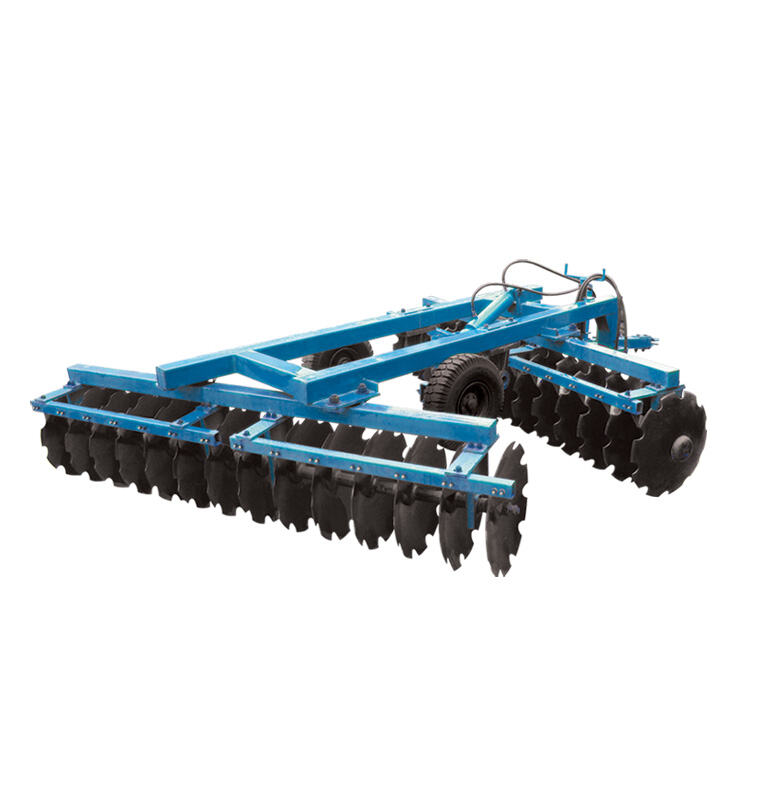
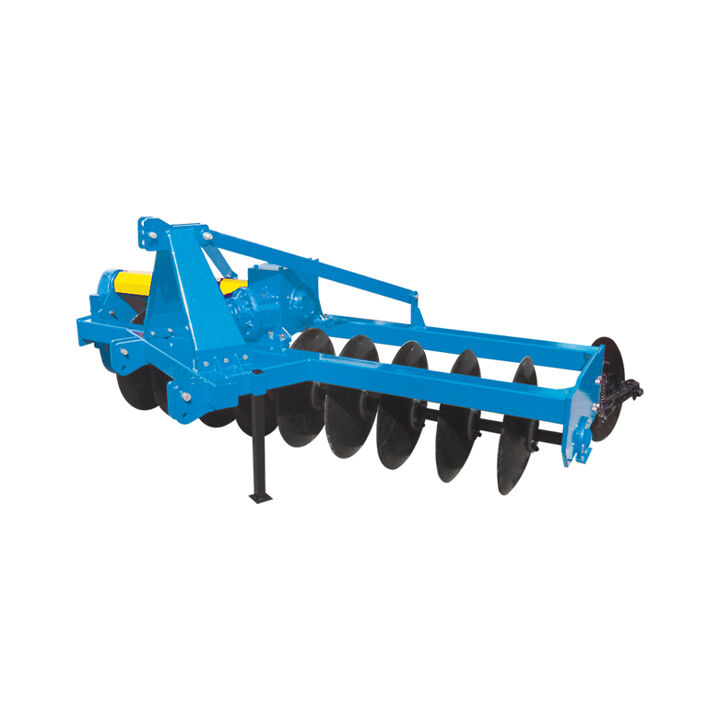
A light tiller represents an essential gardening and agricultural tool designed to cultivate soil efficiently in smaller spaces such as home gardens, greenhouses, raised beds, and compact farm plots. This versatile machine combines power with maneuverability, making soil preparation accessible to gardeners of all experience levels. The light tiller operates through rotating blades or tines that break up compacted earth, mix in organic matter, and create an ideal seedbed for planting. Unlike heavy-duty commercial tillers, this equipment prioritizes ease of use and portability while maintaining impressive performance capabilities. Modern light tillers incorporate advanced engineering to deliver maximum results with minimum operator fatigue. The primary functions include soil cultivation, weed control, compost integration, and bed preparation. These machines typically feature adjustable tilling widths ranging from eight to sixteen inches, allowing operators to work between narrow plant rows or cover larger areas as needed. Depth control mechanisms enable users to till anywhere from two to eight inches deep, depending on specific gardening requirements. The technological features of contemporary light tillers include ergonomic handlebar designs that reduce vibration transfer to operators, foldable frames for convenient storage, and quick-start engine systems that eliminate frustrating pull-cord struggles. Many models now offer four-stroke engines that run cleaner and quieter than traditional two-stroke alternatives, reducing environmental impact while improving neighborhood friendliness. Weight distribution engineering ensures the machine remains stable during operation without requiring excessive physical strength to control. Applications extend beyond basic garden preparation to include lawn renovation, landscape bed creation, soil aeration, and small-scale farming operations. The light tiller proves particularly valuable for organic gardeners who regularly incorporate compost and green manures into their soil, as the rotating tines thoroughly blend amendments throughout the cultivation zone, creating uniform growing conditions that promote healthy plant development and abundant harvests.

New Product Releases

Choosing a light tiller for your gardening projects delivers numerous practical benefits that directly impact your gardening success and personal comfort. First and foremost, these machines save tremendous amounts of time and physical energy compared to manual digging with spades or garden forks. What might take hours of back-breaking labor with hand tools can be accomplished in minutes with a light tiller, allowing you to focus your energy on the more enjoyable aspects of gardening like planting and harvesting. The efficiency gains become especially apparent when preparing multiple beds or working with clay-heavy soils that resist manual cultivation. The compact size and reduced weight of these tillers make them accessible to a broader range of users, including seniors, individuals with physical limitations, and those who simply prefer equipment that does not require exceptional strength to operate safely. Most light tillers weigh between twenty and forty pounds, striking an ideal balance between substantial enough to bite into soil effectively yet light enough to maneuver around obstacles, transport in a vehicle, and store without dedicating excessive garage or shed space. The maneuverability advantage extends to working in tight spaces where larger equipment simply cannot fit, such as between established garden rows, around fence lines, near building foundations, and within greenhouse interiors. Financially, light tillers represent a cost-effective investment that pays dividends season after season. The initial purchase price typically ranges significantly lower than heavy-duty models, while fuel consumption remains minimal due to smaller engine sizes. Maintenance requirements stay simple and inexpensive, with most upkeep involving basic tasks like oil changes, air filter cleaning, and occasional tine sharpening that homeowners can perform themselves without specialized knowledge. The versatility of a light tiller means one tool serves multiple purposes throughout the growing season, eliminating the need to purchase separate equipment for different tasks. Spring soil preparation, mid-season weed control, fall cover crop incorporation, and compost mixing all become manageable with a single machine. The improved soil structure created by proper tilling leads directly to better plant growth, as roots penetrate more easily through loosened earth, water infiltration improves, and air circulation within the soil profile increases. These factors combine to produce stronger plants, higher yields, and fewer pest and disease problems, making your gardening efforts more productive and rewarding. Environmental benefits also deserve consideration, as modern light tillers produce fewer emissions than older models while helping gardeners maintain healthy, living soil that sequesters carbon and supports beneficial organisms essential to ecosystem health.

Latest News

How to Adjust a Reversible Plough for Different Soil Types and Conditions?

07

Jul

How to Adjust a Reversible Plough for Different Soil Types and Conditions?

Understanding Reversible Plough Mechanics Core Functionality of Reversible Ploughs Reversible ploughs mark a major step forward in farming tech, offering farmers way better results than older models. What sets them apart? They flip the soil both wa...
View More
What Is a Tiller Cultivator and How Does It Work in Soil Preparation?

07

Jul

What Is a Tiller Cultivator and How Does It Work in Soil Preparation?

What Is a Tiller Cultivator? Definition and Core Purpose Defining Tiller Cultivator Machinery Tiller cultivators are those garden gadgets specifically made to get soil ready before planting stuff. They have these spinning tines that dig into packed...
View More
How Do You Properly Calibrate a Reversible Plough for Optimal Tillage Depth?

27

Aug

How Do You Properly Calibrate a Reversible Plough for Optimal Tillage Depth?

Mastering Precision Tillage Through Expert Plough Setup Agricultural success begins with proper soil preparation, and at the heart of this crucial task lies reversible plough calibration. Whether you're working with heavy clay soils or lighter loamy ...
View More
How to Choose a Reversible Plough for Modern Farming

13

Mar

How to Choose a Reversible Plough for Modern Farming

Revolutionary Advancements in Modern Agricultural Machinery The agricultural landscape has witnessed remarkable transformations over the decades, with the reversible plough standing as a testament to engineering excellence in farming technology. Thes...
View More

Get a Free Quote

Our representative will contact you soon.
Email
Name
Company Name
Message
0/1000

light tiller

Ergonomic Design for Maximum Comfort and Control

Ergonomic Design for Maximum Comfort and Control

The ergonomic design philosophy behind modern light tillers revolutionizes how gardeners interact with powered cultivation equipment, transforming what was once a physically demanding and uncomfortable task into a manageable and even pleasant experience. Manufacturers invest considerable research into understanding how operators actually use these machines, studying body mechanics, fatigue patterns, and common pain points to develop features that actively prevent discomfort and injury. The handlebar system serves as the primary interface between user and machine, and contemporary light tillers feature adjustable handles that accommodate different operator heights, allowing each user to find their optimal working position that maintains natural posture and reduces strain on the back, shoulders, and arms. Anti-vibration technology integrated into the handle grips absorbs the oscillations generated by the engine and tilling action, dramatically reducing the hand-arm vibration syndrome that plagued users of older equipment and caused numbness, tingling, and long-term nerve damage. Cushioned grips provide comfortable contact points even during extended use, while intuitive control placement ensures throttle, clutch, and safety mechanisms fall naturally under the fingers without requiring awkward hand positions or excessive grip strength. The weight distribution engineering deserves special attention, as designers carefully position the engine, transmission, and tine assembly to create a balanced machine that naturally wants to move forward through soil rather than fighting against the operator. This self-propelling tendency means users guide rather than force the light tiller, reducing physical exertion while maintaining precise control over direction and depth. The wheel configuration on many models provides additional stability and control, with adjustable depth stakes or drag bars that regulate how deeply the tines penetrate soil. Quick-release mechanisms allow tool-free adjustments to working width and depth, enabling operators to adapt to changing conditions without interrupting workflow or searching for wrenches. Foldable handle designs characterize storage-conscious engineering, allowing the light tiller to collapse into a compact footprint that fits easily in vehicle trunks for transport to community gardens or storage in crowded sheds alongside other equipment. The overall result creates a user experience where the machine feels like a natural extension of your body rather than a heavy, unwieldy burden, encouraging more frequent use and better garden maintenance while protecting your physical wellbeing for long-term gardening enjoyment.

Powerful Performance in a Compact Package

Powerful Performance in a Compact Package

The engineering achievement represented by a light tiller becomes most apparent when examining how much actual work these compact machines accomplish relative to their modest size and weight. Advanced engine technology forms the foundation of this impressive performance, with manufacturers developing specialized power plants optimized specifically for tilling applications rather than simply adapting generic small engines. These purpose-built engines deliver substantial torque at lower RPMs, which translates directly into tine-driving force that breaks through compacted soil, cuts through root systems, and pulverizes clods into fine tilth suitable for seed germination. Four-stroke engine designs have largely replaced older two-stroke models, offering multiple advantages including better fuel efficiency that extends runtime per tank, reduced exhaust emissions that make operation more environmentally responsible, quieter operation that preserves neighborhood tranquility, and elimination of the fuel-oil mixing requirement that simplified refueling and prevented costly engine damage from improper ratios. The transmission systems connecting engine power to the tilling tines incorporate sophisticated engineering to maximize efficiency while protecting components from the shock loads encountered when striking rocks or roots. Chain drives, gear reductions, and belt systems each offer specific advantages, with premium models featuring enclosed, lubricated transmissions that operate smoothly for years with minimal maintenance. The tines themselves represent critical performance components, with manufacturers offering various configurations optimized for different soil conditions and gardening tasks. Forward-rotating tines provide aggressive digging action ideal for breaking new ground or working heavy clay soils, while counter-rotating designs deliver superior soil pulverization and controlled depth maintenance perfect for bed preparation and incorporation of amendments. Tine construction utilizing heat-treated steel ensures durability when encountering rocks, roots, and other obstacles, while thoughtful geometry creates self-cleaning action that prevents soil buildup and maintains consistent performance throughout operation. Adjustable tilling width capabilities allow a single light tiller to handle both narrow tasks like working between established plant rows and wider applications such as preparing entire garden beds, providing versatility that maximizes the return on your equipment investment. The combination of reliable starting systems, consistent power delivery, and durable construction means your light tiller stands ready to perform whenever garden tasks demand, season after season, without the frustrating breakdowns and performance degradation that plague inferior equipment.
Versatile Applications for Complete Garden Management

Versatile Applications for Complete Garden Management

The true value proposition of a light tiller emerges when gardeners discover the remarkable range of tasks this single tool can accomplish throughout the entire growing season and beyond, effectively replacing multiple specialized implements while delivering superior results. Spring soil preparation represents the most obvious application, as the light tiller transforms compacted winter earth into fluffy, aerated seedbeds that welcome seeds and transplants. The machine excels at incorporating cover crops grown during the off-season, chopping and mixing green manure plants into the soil where they decompose and release nutrients for subsequent crops. Compost integration becomes effortless, as the rotating tines thoroughly blend finished compost throughout the growing zone, distributing organic matter and beneficial microorganisms uniformly rather than leaving them concentrated in isolated pockets. Gardeners practicing intensive organic methods particularly appreciate how efficiently a light tiller can incorporate multiple amendment types simultaneously, mixing compost, rock phosphate, greensand, and other soil improvements in a single pass. Mid-season cultivation provides another valuable application, as the light tiller can be adjusted to shallow depths and narrow widths for working between crop rows, simultaneously controlling weeds and loosening surface soil to improve water infiltration and air exchange. This cultivation practice proves especially valuable in organic gardens where herbicides are avoided, as regular passes with the light tiller destroy weed seedlings before they establish deep root systems and compete with desired plants. Fall garden cleanup and preparation benefit from tiller use, as crop residues get chopped and incorporated into soil where they decompose over winter, returning nutrients to the earth and improving soil structure. Some gardeners use their light tiller for creating new planting areas by breaking up lawn sections, with the machine cutting through sod and mixing grass plants into underlying soil to create fresh growing space. Landscape applications extend beyond food production to ornamental gardens, where the light tiller prepares beds for flowers, shrubs, and ground covers, creating the loose, fertile soil that supports vigorous growth and stunning displays. Greenhouse operators value the maneuverability of light tillers for working within structural confines, refreshing bed soil between cropping cycles without damaging infrastructure. The seasonal versatility means your light tiller remains useful throughout the year rather than sitting idle for months, maximizing the return on your investment while ensuring your garden receives proper care during every critical growth phase.

Get a Free Quote

Our representative will contact you soon.
Email
Name
Company Name
Message
0/1000