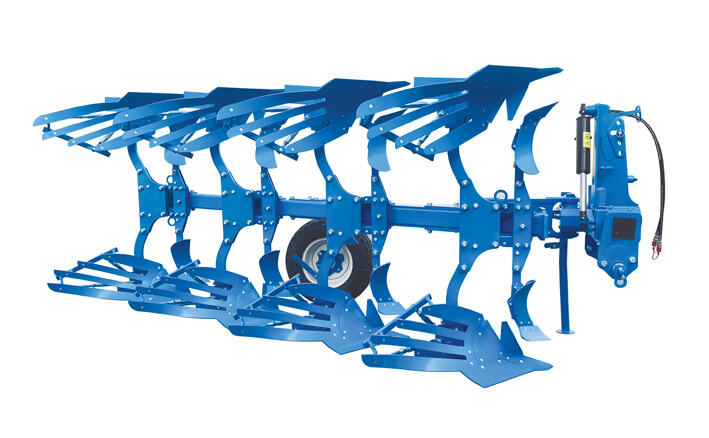
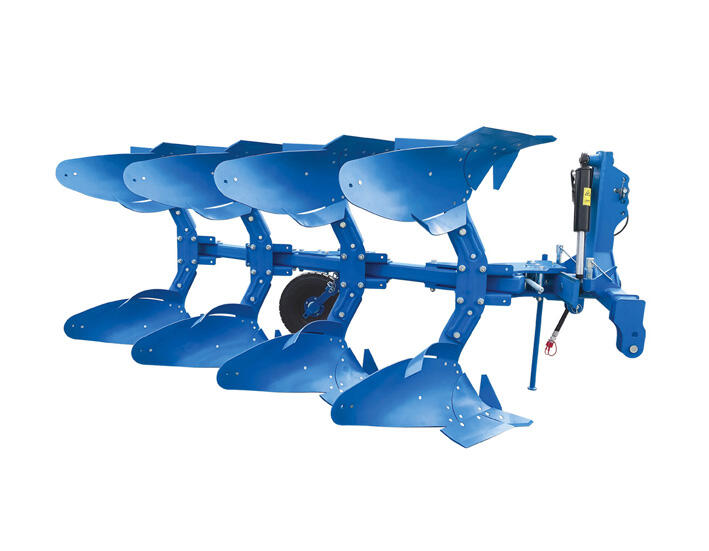
Power Tiller Cultivator - Professional Soil Preparation Equipment for Efficient Farming and Gardening

+86-13615166566
All Categories

power tiller cultivator

The power tiller cultivator represents a revolutionary advancement in agricultural mechanization, designed to transform the way farmers and gardeners approach soil preparation and land cultivation. This versatile machine combines the functionality of multiple traditional farming tools into one compact, efficient unit that dramatically reduces manual labor while increasing productivity across various agricultural operations. At its core, the power tiller cultivator is engineered to break up, aerate, and prepare soil for planting through rotating tines or blades powered by a gasoline or diesel engine. The main functions of this equipment extend far beyond simple tilling, encompassing weed removal, soil mixing, fertilizer incorporation, and seedbed preparation. Technologically, modern power tiller cultivators feature adjustable tilling depths, allowing operators to customize soil penetration from shallow surface cultivation to deep soil breaking depending on crop requirements and soil conditions. The transmission systems typically offer multiple forward and reverse gears, providing operators with precise control over working speed and power delivery. Many models incorporate ergonomic handlebar designs with vibration dampening technology, anti-slip grips, and adjustable height settings to minimize operator fatigue during extended use. The rotary tilling mechanism consists of hardened steel blades arranged in specific configurations to achieve optimal soil pulverization and mixing efficiency. Applications for the power tiller cultivator span residential gardening, small-scale farming, greenhouse cultivation, orchard maintenance, and commercial vegetable production. These machines prove invaluable for preparing new garden beds, renovating existing plots, creating furrows for planting, mixing compost and amendments into soil, and controlling weeds between crop rows. The compact design enables maneuverability in confined spaces such as raised beds, between greenhouse benches, and in orchards where larger tractors cannot operate effectively. Whether used by hobby gardeners maintaining backyard plots or professional farmers managing several acres, the power tiller cultivator delivers consistent performance that significantly accelerates agricultural workflows while ensuring thorough soil preparation essential for healthy crop development and maximum yields.

New Product Releases

Investing in a power tiller cultivator delivers numerous practical benefits that directly impact your farming efficiency and bottom line. First and foremost, this machine saves you tremendous amounts of time compared to manual digging and soil preparation methods. What might take days of backbreaking work with a shovel and hoe can be accomplished in hours with a power tiller cultivator, allowing you to complete seasonal preparations faster and plant at optimal times. The physical toll on your body decreases dramatically as the machine does the heavy lifting, reducing strain on your back, shoulders, and arms while preventing the repetitive stress injuries associated with manual cultivation. You will notice immediate improvements in soil quality after using a power tiller cultivator because the rotating tines thoroughly break up compacted earth, create better drainage pathways, and incorporate organic matter evenly throughout the working depth. This superior soil structure promotes stronger root development, improved water retention, and enhanced nutrient availability for your crops. The versatility of a power tiller cultivator means you get multiple tools in one investment, eliminating the need to purchase separate equipment for different tasks. You can adjust settings to perform light cultivation for weed control, medium tilling for general preparation, or deep breaking for new ground development. Operating costs remain remarkably low since these machines consume minimal fuel while delivering maximum output, and maintenance requirements involve simple procedures like blade sharpening, oil changes, and basic cleaning that most owners can perform themselves. The compact footprint allows easy storage in standard sheds or garages without requiring dedicated equipment buildings. Maneuverability stands out as another significant advantage, enabling you to work around obstacles, navigate tight corners, and access areas that larger tractors simply cannot reach. This precision prevents waste and allows you to cultivate every available square foot of your property. The power tiller cultivator also increases your planting flexibility by enabling you to prepare soil whenever conditions are right rather than waiting for contractors or renting expensive equipment. You gain complete control over your farming schedule and can respond quickly to weather windows and market opportunities. For those transitioning from purely manual methods, the learning curve proves gentle, with most operators becoming proficient within their first session. The immediate results you see in terms of soil texture and workability provide satisfying confirmation that your investment is paying dividends. Long-term, consistent use of a power tiller cultivator builds soil health by preventing compaction, promoting beneficial organism activity, and maintaining proper aeration that supports robust plant growth season after season.

Practical Tips

What Innovations In Reversible Plough Technology Are Shaping the Future of Agriculture?

27

Aug

What Innovations In Reversible Plough Technology Are Shaping the Future of Agriculture?

Transforming Modern Agriculture Through Advanced Ploughing Solutions The agricultural landscape is witnessing a remarkable transformation as reversible plough technology continues to revolutionize farming practices worldwide. From enhanced soil conse...
View More
How Do You Properly Calibrate a Reversible Plough for Optimal Tillage Depth?

27

Aug

How Do You Properly Calibrate a Reversible Plough for Optimal Tillage Depth?

Mastering Precision Tillage Through Expert Plough Setup Agricultural success begins with proper soil preparation, and at the heart of this crucial task lies reversible plough calibration. Whether you're working with heavy clay soils or lighter loamy ...
View More
How Does a Plough Contribute to Soil Aeration and Improving Crop Yield?

27

Aug

How Does a Plough Contribute to Soil Aeration and Improving Crop Yield?

Understanding the Revolutionary Impact of Ploughing on Agricultural Productivity Modern agriculture relies heavily on effective soil management techniques, with ploughing standing at the forefront of these practices. The relationship between plough s...
View More
What Are the Most Common Problems Encountered When Using a Plough and How to Fix Them?

27

Aug

What Are the Most Common Problems Encountered When Using a Plough and How to Fix Them?

Essential Guide to Troubleshooting Agricultural Plough Issues Agricultural success heavily depends on proper ploughing techniques and equipment maintenance. While ploughs are fundamental tools in farming, they can present various challenges that impa...
View More

Get a Free Quote

Our representative will contact you soon.
Email
Name
Company Name
Message
0/1000

power tiller cultivator

Engine Power and Fuel Efficiency for Extended Operation

Engine Power and Fuel Efficiency for Extended Operation

The heart of any power tiller cultivator lies in its engine performance, and modern units feature carefully engineered powerplants that balance robust output with exceptional fuel economy. These machines typically employ four-stroke gasoline engines or diesel alternatives ranging from five to nine horsepower, providing ample torque to power through challenging soil conditions including clay, rocky ground, and previously uncultivated land. The four-stroke design delivers several crucial advantages over two-stroke alternatives, including quieter operation, reduced emissions, longer service life, and the convenience of separate fuel and oil systems that eliminate mixing requirements. Manufacturers incorporate advanced combustion chamber designs and precision carburetors that optimize the air-fuel mixture across varying loads and operating conditions, ensuring consistent performance whether you are working in loose sandy soil or dense compacted earth. The fuel efficiency of modern power tiller cultivators translates directly into lower operating costs and extended working sessions without refueling interruptions. Most units can operate for three to five hours on a single tank, allowing you to complete substantial cultivation projects in one session. The recoil starting systems have been refined through decades of development to provide reliable first-pull starts even after extended storage periods, while some premium models offer electric starting options for ultimate convenience. Engine cooling systems utilize forced air circulation with strategically positioned fins that dissipate heat effectively, preventing overheating during intensive use and extending component longevity. Vibration isolation mounts separate the engine from the frame and handlebar assembly, dramatically reducing the fatigue-inducing shaking that operators experience, making extended use comfortable rather than exhausting. The power transmission from engine to tilling mechanism employs durable belt drives or gear systems that efficiently transfer rotational force while providing some degree of shock absorption when blades encounter rocks or roots. This engineering approach protects both the engine and operator from sudden impacts that could cause damage or loss of control. Maintenance accessibility has been prioritized in modern designs, with clearly marked service points for oil changes, air filter replacement, and spark plug access that allow owners to perform routine upkeep without special tools or technical expertise. The combination of reliable starting, sustained power delivery, fuel efficiency, and user-friendly maintenance makes the engine system of a quality power tiller cultivator a standout feature that justifies investment and ensures years of dependable service across countless cultivation projects.
Adjustable Tilling Width and Depth for Complete Versatility

Adjustable Tilling Width and Depth for Complete Versatility

One of the most valuable characteristics of a quality power tiller cultivator is its adjustable tilling width and depth capabilities, which provide operators with complete control over cultivation parameters to match specific tasks and conditions. The tilling width adjustment typically involves adding or removing side tines or shields, allowing you to vary the working swath from narrow configurations of twelve to eighteen inches for precision work between established plant rows, up to wider settings of twenty-four to thirty-six inches for open field preparation and maximum coverage efficiency. This adaptability proves essential when working in diverse environments, from confined raised beds where a narrow profile prevents damage to adjacent plants, to open garden plots where maximum width accelerates completion. The mechanism for width adjustment has been simplified in modern designs, often requiring nothing more than removing retaining pins and repositioning tine assemblies, a process that takes just minutes and requires no special tools. Depth control represents an equally important adjustable parameter, with most quality power tiller cultivators offering settings from two inches for shallow cultivation and weed control, down to eight or even ten inches for deep soil breaking and new ground preparation. The depth adjustment typically involves repositioning a dragging stake or skid bar that regulates how deeply the machine penetrates as the tines pull it forward. Shallow settings prove ideal for incorporating fertilizers and amendments into the top soil layer where plant roots will access them most readily, for disturbing weed seedlings before they become established, and for creating smooth seedbeds with fine soil texture. Medium depth settings handle general seasonal preparation, mixing in crop residues from previous plantings, and breaking up moderately compacted soil layers. Deep settings tackle the most challenging scenarios including transforming lawn areas into garden beds, revitalizing neglected plots with severe compaction, and creating the loose soil structure that root vegetables like carrots and potatoes require for proper development. The ability to adjust both width and depth means a single power tiller cultivator can effectively replace multiple specialized tools, from broadforks and garden rakes to larger rototillers and plows. This versatility delivers tremendous value by eliminating redundant equipment purchases and storage requirements while ensuring you always have the right configuration for whatever cultivation challenge you face. The precise control these adjustments provide also promotes better resource management by allowing you to cultivate exactly what needs work without disturbing established areas or creating unnecessarily wide paths that reduce planting space. Professional users particularly appreciate this flexibility when serving diverse clients with varying property layouts and cultivation needs, while home gardeners benefit from having professional-grade capabilities in a single manageable machine that adapts to their evolving landscape projects and growing ambitions.
Durable Construction with Reinforced Tines for Longevity

Durable Construction with Reinforced Tines for Longevity

The structural integrity and component durability of a power tiller cultivator directly determine its lifespan, reliability, and ability to handle demanding cultivation tasks year after year. Premium units feature frames constructed from heavy-gauge steel that resists flexing and warping even when encountering unexpected obstacles like buried rocks, roots, or construction debris. These robust frames undergo powder coating or specialized painting processes that provide superior corrosion resistance, ensuring the machine maintains its structural integrity despite constant exposure to moisture, soil acids, and abrasive particles. The tine assembly represents the most critical wear component, and quality manufacturers utilize heat-treated alloy steel forgings that combine hardness for wear resistance with sufficient toughness to absorb impact without fracturing. The specific blade configurations vary by intended use, with some designs featuring curved blades that excel at slicing through sod and vegetation, while others employ straighter profiles optimized for pure soil breaking and pulverization. The tine mounting system securely fixes these blades to the rotating shaft using heavy-duty bolts and locking mechanisms that maintain proper positioning despite the tremendous forces encountered during operation. Many professional-grade power tiller cultivators offer replaceable tine options, allowing operators to swap in fresh blades when originals become worn or to change blade styles when shifting between different cultivation tasks. The transmission housing that contains gears, bearings, and drive components is typically cast from aluminum alloy or fabricated from heavy steel, then sealed with gaskets and lip seals that prevent soil infiltration and lubricant leakage. This protection ensures internal components operate in clean, properly lubricated conditions that dramatically extend service life. Wheel assemblies feature agricultural-grade pneumatic tires with aggressive tread patterns that provide reliable traction in loose soil without excessive slippage, mounted on sealed bearings that roll smoothly and resist contamination. The handlebar assembly connects to the main frame through reinforced brackets with welded gussets that distribute stress across wide areas, preventing the cracking and failure that can occur at high-stress junctions. Control cables for throttle and clutch operations run through protective housings that shield them from abrasion and moisture, with adjustment provisions that compensate for normal cable stretch over time. The fuel tank is formed from corrosion-resistant materials with internal baffles that prevent fuel sloshing and ensure consistent delivery to the carburetor regardless of machine angle. Quality manufacturers back their construction with substantial warranties that demonstrate confidence in component longevity and provide buyers with assurance that their investment is protected. The combination of thoughtful engineering, premium materials, and robust construction techniques results in power tiller cultivators that deliver reliable performance across decades of use, handling thousands of hours of operation while maintaining the precision and effectiveness that operators depend on for successful cultivation outcomes season after season.

Get a Free Quote

Our representative will contact you soon.
Email
Name
Company Name
Message
0/1000