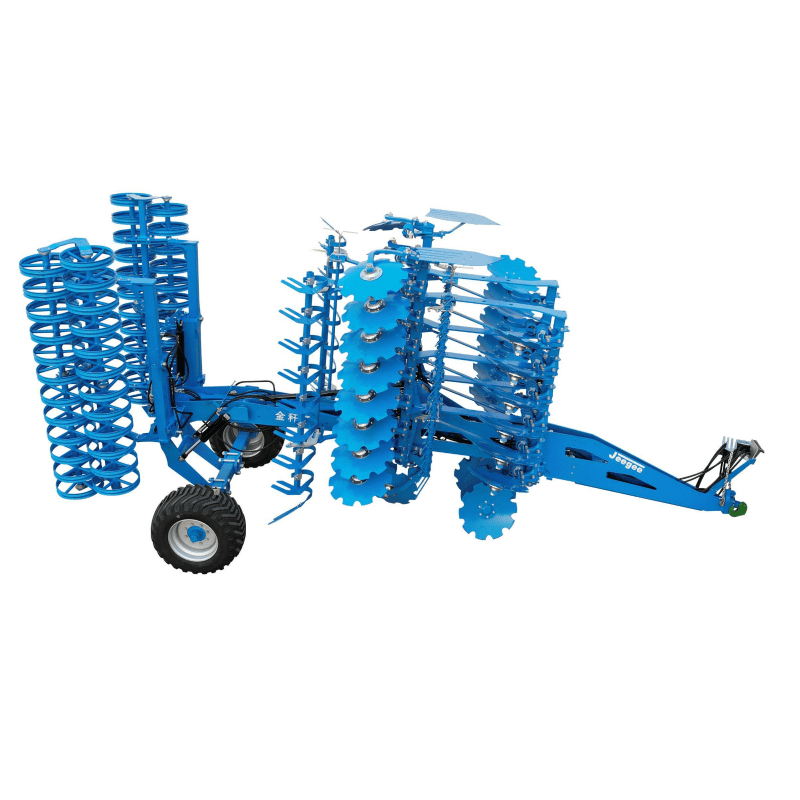
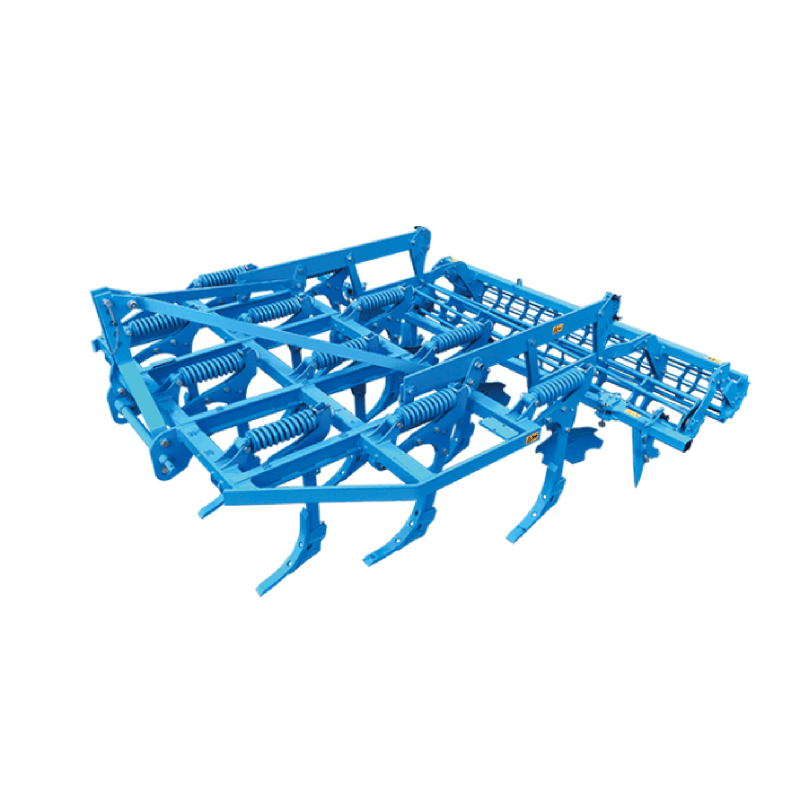
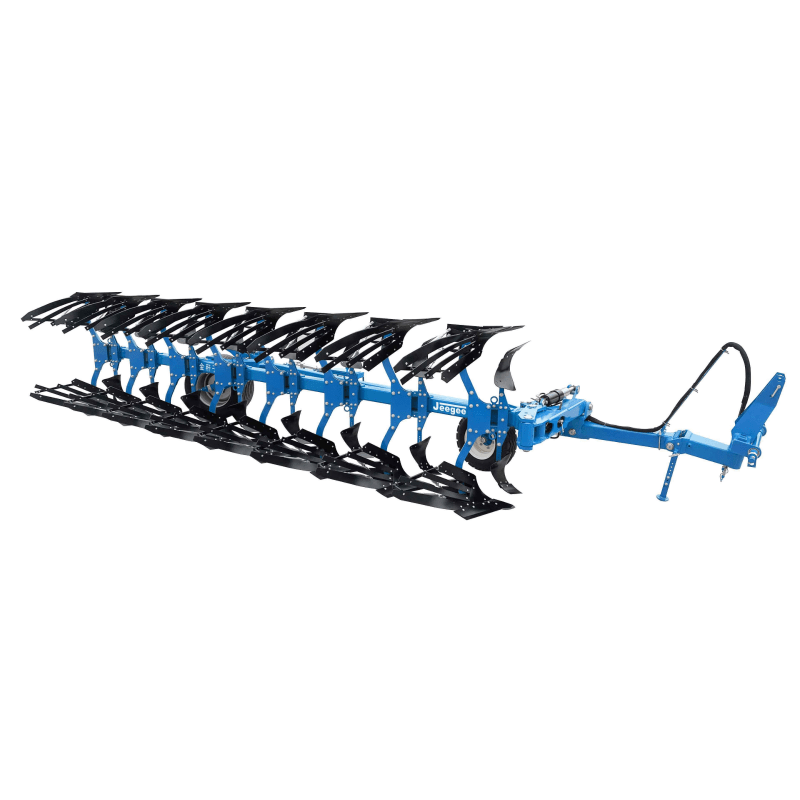
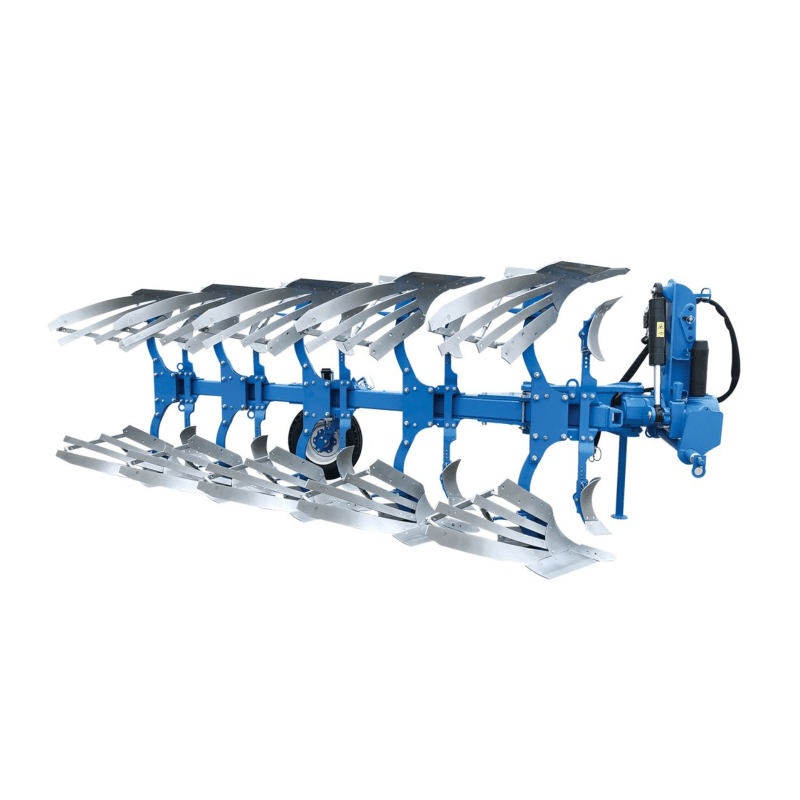
Small Tiller Tractor: Compact Cultivation Power for Efficient Soil Preparation and Garden Management

+86-13615166566
All Categories

small tiller tractor

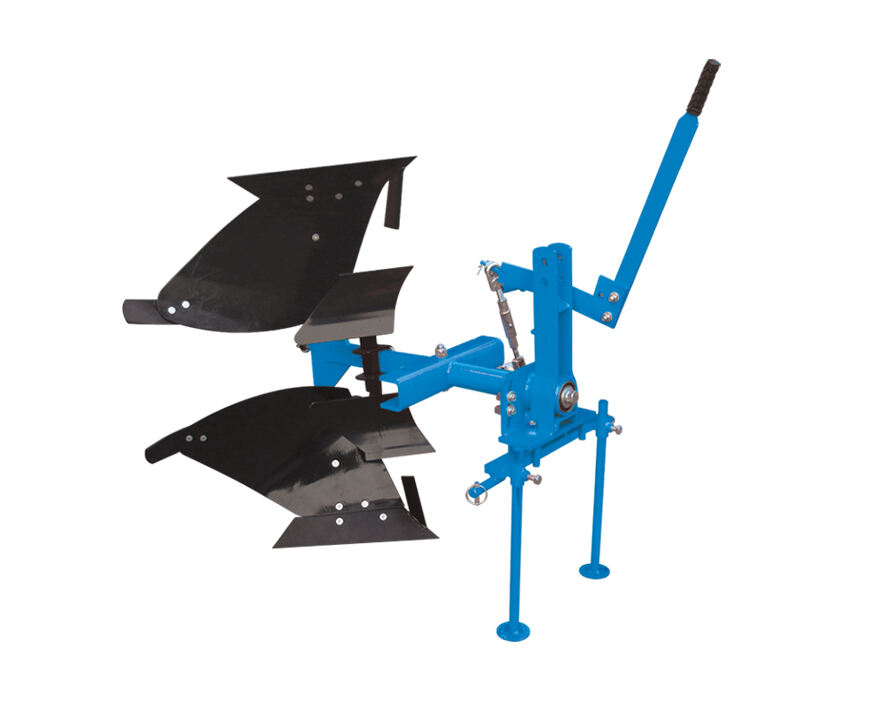
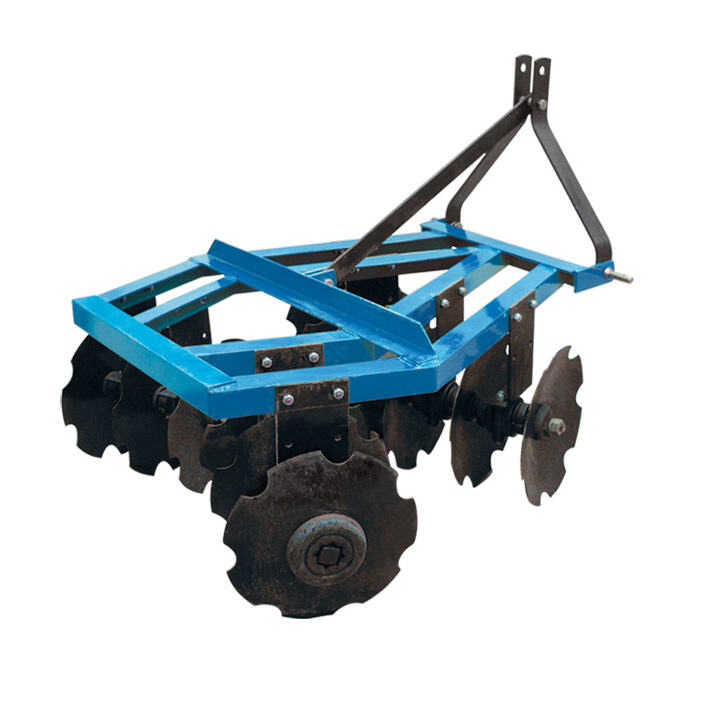
A small tiller tractor represents an essential piece of agricultural equipment designed to revolutionize how farmers and gardeners approach soil preparation and land cultivation. This compact yet powerful machine combines the functionality of traditional tillers with the versatility of small tractors, creating an ideal solution for both professional farmers managing smaller plots and home gardeners seeking efficiency. The small tiller tractor operates through a combination of rotating blades or tines that penetrate the soil surface, breaking up compacted earth while simultaneously mixing organic matter and fertilizers throughout the cultivation area. Modern small tiller tractors incorporate advanced engineering principles that maximize power delivery while maintaining exceptional maneuverability in confined spaces. The equipment typically features adjustable tilling widths ranging from eighteen to forty inches, allowing operators to customize their working parameters based on specific terrain requirements and crop patterns. Engine capacities generally fall between five and fifteen horsepower, providing sufficient force to handle various soil conditions without the excessive fuel consumption associated with larger agricultural machinery. The transmission systems employed in small tiller tractors offer multiple speed settings, enabling precise control during different operational phases. Technological features include ergonomic handlebar designs with vibration dampening systems that reduce operator fatigue during extended use periods. Many models incorporate quick-change attachment systems, transforming the basic tiller configuration into a versatile multi-purpose tool capable of performing tasks such as plowing, furrowing, ridging, and even light transportation duties. The applications for small tiller tractors extend across residential gardens, small-scale commercial farms, greenhouse operations, orchard maintenance, vineyard management, and landscaping projects. These machines prove particularly valuable in organic farming operations where regular soil aeration and weed control without chemical interventions are priorities. The compact dimensions allow navigation through narrow pathways between raised beds, around established plantings, and within greenhouse structures where larger equipment cannot operate effectively.

New Product Releases

The small tiller tractor delivers remarkable cost efficiency compared to purchasing and maintaining full-sized agricultural tractors, making professional-grade soil cultivation accessible to budget-conscious farmers and serious gardeners. Initial investment costs typically represent only a fraction of what larger machinery requires, while ongoing maintenance expenses remain minimal due to simpler mechanical systems and readily available replacement parts. Fuel consumption rates prove exceptionally economical, with most models operating for extended periods on just a few gallons of gasoline or diesel, translating to significant savings over multiple growing seasons. The compact footprint of these machines means storage requirements are minimal, eliminating the need for expensive barn space or specialized housing facilities that larger equipment demands. Operators discover that the learning curve for mastering small tiller tractor operation is remarkably gentle, with most users achieving competent handling within just a few hours of practice, unlike complex full-sized tractors that may require days or weeks of training. The maneuverability advantages cannot be overstated, as these agile machines navigate tight corners, work between established rows, and access sloped terrain that would challenge or completely defeat bulkier alternatives. Physical strain on operators decreases dramatically when using a small tiller tractor instead of manual digging tools, as the engine bears the burden of soil penetration while the user simply guides the equipment along desired paths. Time savings materialize quickly, with tasks that might consume entire days using hand tools completed in mere hours, freeing valuable time for other essential farm activities such as planting, watering, or harvesting. The versatility of attachment options transforms a single small tiller tractor into multiple specialized tools, effectively replacing several separate pieces of equipment and further enhancing the value proposition. Soil health improvements become evident after consistent use, as regular tilling aerates compacted earth, improves drainage characteristics, facilitates root penetration, and accelerates the decomposition of organic amendments. Environmental benefits emerge through reduced fuel consumption compared to larger machines and the ability to practice sustainable farming techniques such as cover crop incorporation and minimal tillage strategies. The reliability of modern small tiller tractors means fewer unexpected breakdowns during critical planting or preparation windows, ensuring farming schedules remain on track throughout demanding seasonal cycles.

Practical Tips

How Does a Reversible Plough Help in Reducing Soil Compaction During Tillage?

07

Jul

How Does a Reversible Plough Help in Reducing Soil Compaction During Tillage?

Understanding Soil Compaction Challenges in Modern Agriculture The Science Behind Soil Compaction Formation When soil gets compacted, it becomes a real problem for farming operations. Basically, what happens is the soil particles get pushed too clo...
View More
How Does a Plough Contribute to Soil Aeration and Improving Crop Yield?

27

Aug

How Does a Plough Contribute to Soil Aeration and Improving Crop Yield?

Understanding the Revolutionary Impact of Ploughing on Agricultural Productivity Modern agriculture relies heavily on effective soil management techniques, with ploughing standing at the forefront of these practices. The relationship between plough s...
View More
What Are the Most Common Problems Encountered When Using a Plough and How to Fix Them?

27

Aug

What Are the Most Common Problems Encountered When Using a Plough and How to Fix Them?

Essential Guide to Troubleshooting Agricultural Plough Issues Agricultural success heavily depends on proper ploughing techniques and equipment maintenance. While ploughs are fundamental tools in farming, they can present various challenges that impa...
View More
Reversible Plough vs Traditional: Which to Choose?

20

Oct

Reversible Plough vs Traditional: Which to Choose?

Understanding Modern Agricultural Ploughing Technology The evolution of farming equipment has brought significant advances in ploughing technology, with the reversible plough emerging as a game-changing innovation for modern agriculture. This sophist...
View More

Get a Free Quote

Our representative will contact you soon.
Email
Name
Company Name
Message
0/1000

small tiller tractor

Exceptional Maneuverability in Limited Spaces

Exceptional Maneuverability in Limited Spaces

The small tiller tractor excels in environments where space constraints make traditional farming equipment impractical or completely unusable, offering unparalleled agility that transforms how operators approach cultivation in confined areas. This maneuverability advantage stems from carefully engineered dimensional proportions that balance power delivery with compact physical profiles, typically measuring less than thirty inches in width while maintaining stability during operation. Farmers working with raised bed systems find this characteristic invaluable, as the equipment navigates precisely between beds separated by narrow walking paths, eliminating the need for manual tilling in these challenging spaces. Greenhouse operators particularly appreciate how small tiller tractors access interior growing areas without requiring removal of structural components or risking damage to delicate framework elements. The tight turning radius engineered into these machines allows operators to reverse direction within remarkably small clearances, facilitating efficient back-and-forth patterns that ensure complete soil coverage without wasted motion or repeated passes. Orchard and vineyard managers leverage this maneuverability to maintain soil quality between tree rows and vine corridors where larger equipment simply cannot fit, ensuring consistent cultivation across entire properties rather than leaving strips of neglected, compacted earth. Urban farming operations and community garden projects benefit enormously from equipment that respects property boundaries and navigates around permanent installations such as irrigation systems, fencing, and pathways. The handlebar steering systems common on small tiller tractors provide intuitive directional control that responds immediately to operator input, creating a natural extension of the user's intentions rather than the delayed, cumbersome responses typical of larger machines. This responsive handling proves particularly valuable when working around established plantings, allowing careful soil preparation adjacent to existing crops without disturbing root systems or damaging stems and foliage. Sloped terrain management becomes feasible with small tiller tractors designed for stability on inclines, as their lower centers of gravity and balanced weight distribution prevent tipping incidents that plague top-heavy alternatives. The ability to work effectively in previously inaccessible areas expands productive growing space significantly, transforming neglected corners and awkward parcels into viable cultivation zones that contribute to overall farm productivity and profitability.
Multi-Functional Versatility Through Attachment Systems

Multi-Functional Versatility Through Attachment Systems

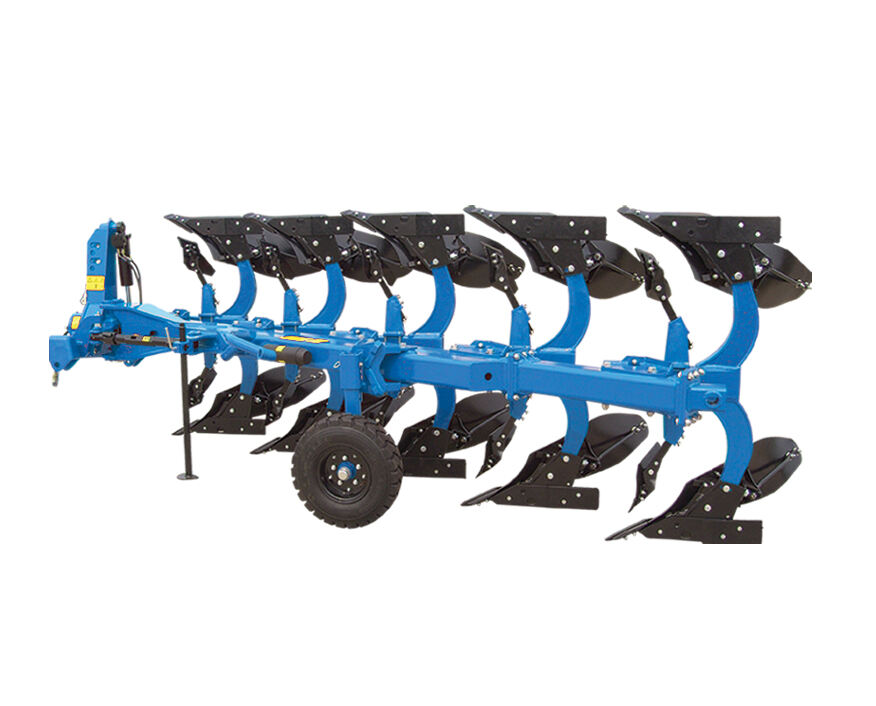
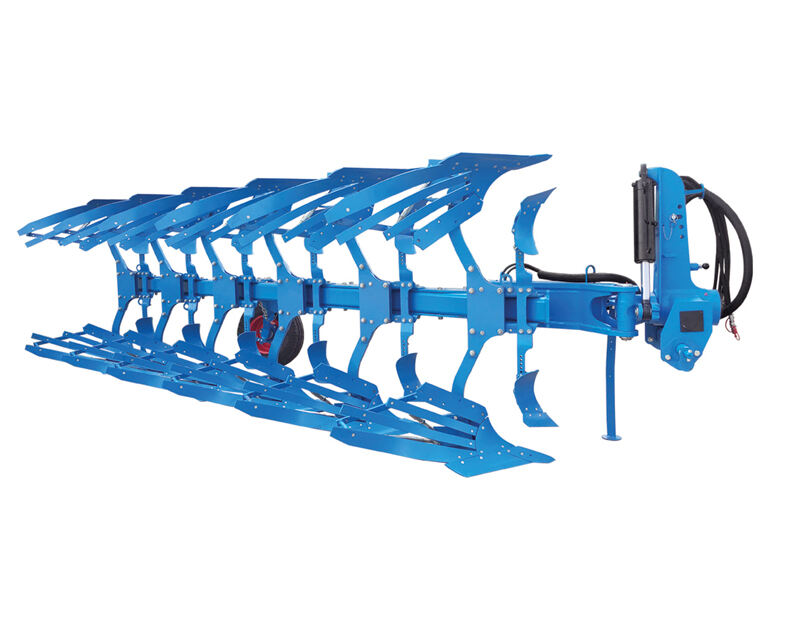
Modern small tiller tractors distinguish themselves through innovative attachment compatibility that transforms a single base unit into a comprehensive suite of agricultural tools, delivering exceptional value through multi-functional capabilities that address diverse farming needs throughout entire growing seasons. The foundation of this versatility lies in standardized quick-connect systems that allow operators to swap between different implements in minutes rather than hours, eliminating downtime and ensuring equipment remains productive across varying tasks. Beyond the primary tilling function, these adaptable machines accommodate plow attachments that create deep furrows for potato planting, root vegetable cultivation, and drainage improvement projects. Ridging implements mount easily to the small tiller tractor, forming raised planting beds ideal for crops requiring enhanced drainage or warmer soil temperatures during early season growth. Cultivator attachments featuring adjustable tine spacing provide precise weed control between crop rows, disturbing unwanted vegetation while leaving desired plants completely undisturbed. Some advanced models accept seeding attachments that simultaneously prepare soil and deposit seeds at controlled depths and intervals, streamlining planting operations into single efficient passes. Furrowing tools create irrigation channels and planting trenches with consistent depth profiles, ensuring uniform crop establishment and efficient water distribution. During harvest periods, operators can equip their small tiller tractor with digging attachments specifically designed for unearthing root crops without damage, significantly reducing labor requirements and crop losses. The attachment versatility extends to property maintenance applications, with some units accepting snow blades for winter pathway clearing, making the equipment valuable year-round rather than seasonal tools that sit idle for months. Composting operations benefit from mixing attachments that incorporate fresh organic materials into existing compost piles, accelerating decomposition through regular turning and aeration. Lawn dethatching implements transform the small tiller tractor into turf management equipment, removing accumulated dead grass and promoting healthier, more vigorous lawn growth. This multi-functional approach means farmers and gardeners achieve complete operational capability with a single equipment investment rather than purchasing multiple specialized machines, each requiring separate storage space, maintenance schedules, and operational expertise. The economic implications prove substantial, as the combined cost of equivalent standalone tools would exceed the small tiller tractor investment several times over, while the convenience factor of having one familiar machine handle diverse tasks cannot be quantified purely in financial terms.

Enhanced Soil Health Through Optimal Cultivation Depth Control

Enhanced Soil Health Through Optimal Cultivation Depth Control

The small tiller tractor provides sophisticated control over cultivation depth, enabling operators to achieve ideal soil preparation conditions that promote robust plant growth while preserving beneficial soil structure and microbial ecosystems essential for long-term agricultural productivity. Unlike manual tilling methods that produce inconsistent depths based on operator fatigue and varying soil resistance, these machines maintain uniform penetration throughout entire cultivation areas, ensuring every section receives identical preparation treatment. Adjustable depth settings typically range from two inches for shallow cultivation tasks to eight or more inches for deep soil renovation projects, giving operators precise control over how dramatically they disturb existing soil profiles. Shallow tilling modes prove ideal for weed control operations and incorporating surface amendments such as compost or fertilizer without disrupting deeper soil layers where beneficial organisms concentrate. This selective approach supports sustainable farming practices by preserving soil structure in lower horizons while still achieving necessary surface preparation. Deep tilling capabilities become essential when breaking new ground, rehabilitating compacted fields, or incorporating cover crops deeply enough to accelerate their decomposition and nutrient release. The consistent depth maintenance that small tiller tractors deliver ensures uniform root zone preparation across entire planting areas, eliminating the shallow spots and over-tilled sections that manual methods inevitably create. This uniformity translates directly to more consistent crop emergence, even plant development, and ultimately more predictable yields at harvest time. Soil aeration benefits accumulate with regular small tiller tractor use, as the rotating tines create countless air channels that improve oxygen availability to plant roots and beneficial soil organisms. Enhanced drainage characteristics emerge in previously waterlogged areas, as tilling breaks up compacted layers that impede water movement, reducing standing water problems and associated root diseases. The ability to adjust tilling depth seasonally allows operators to implement conservation tillage strategies during certain periods while performing deeper renovation when soil conditions warrant more aggressive intervention. Precision depth control also prevents damage to underground irrigation lines, utility conduits, and other buried infrastructure by ensuring tines never penetrate beyond safe operational zones. Farmers practicing no-till or minimum-till agriculture can use shallow settings on their small tiller tractor for zone tillage, disturbing only narrow strips where crops will be planted while leaving the majority of field area undisturbed to prevent erosion and preserve soil carbon.

Get a Free Quote

Our representative will contact you soon.
Email
Name
Company Name
Message
0/1000