hydraulic harrow
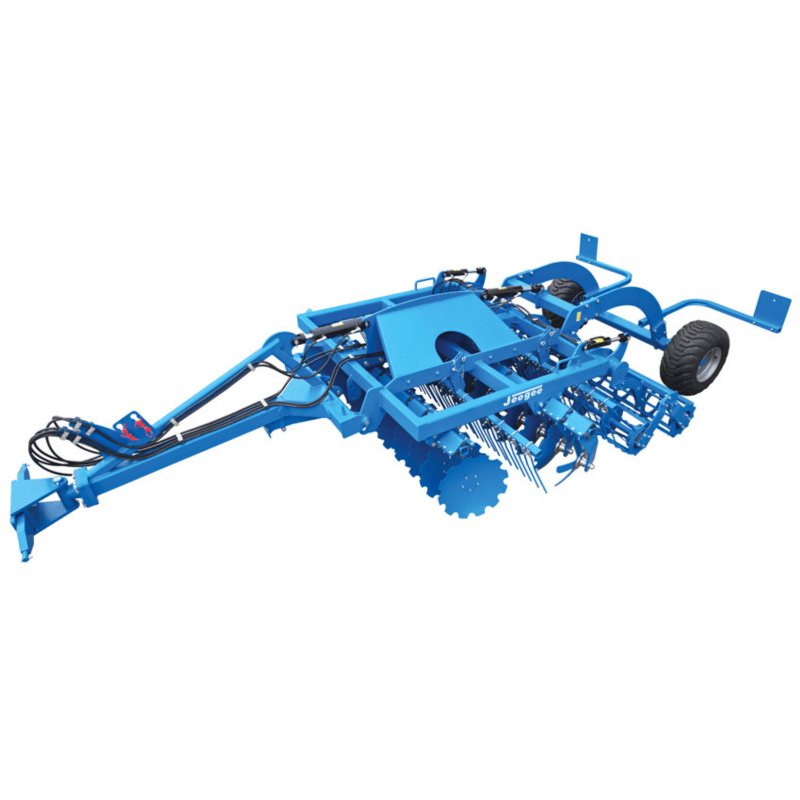
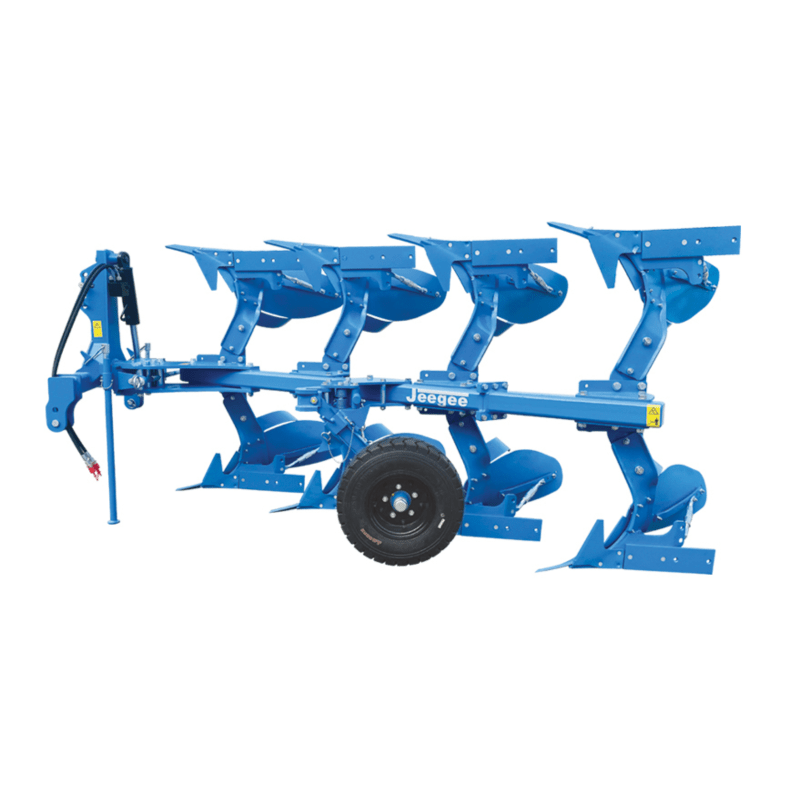
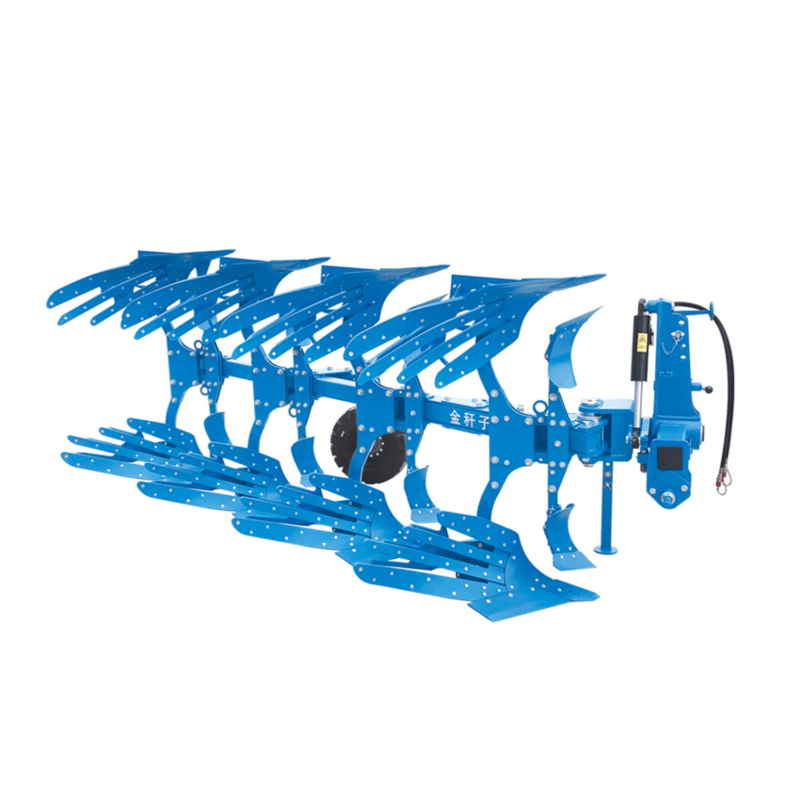
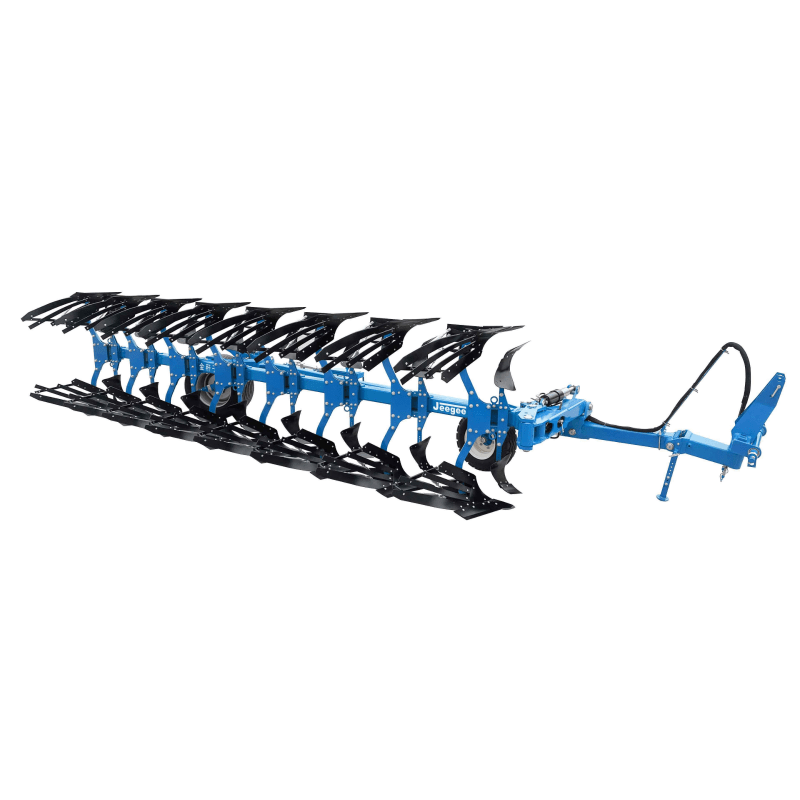
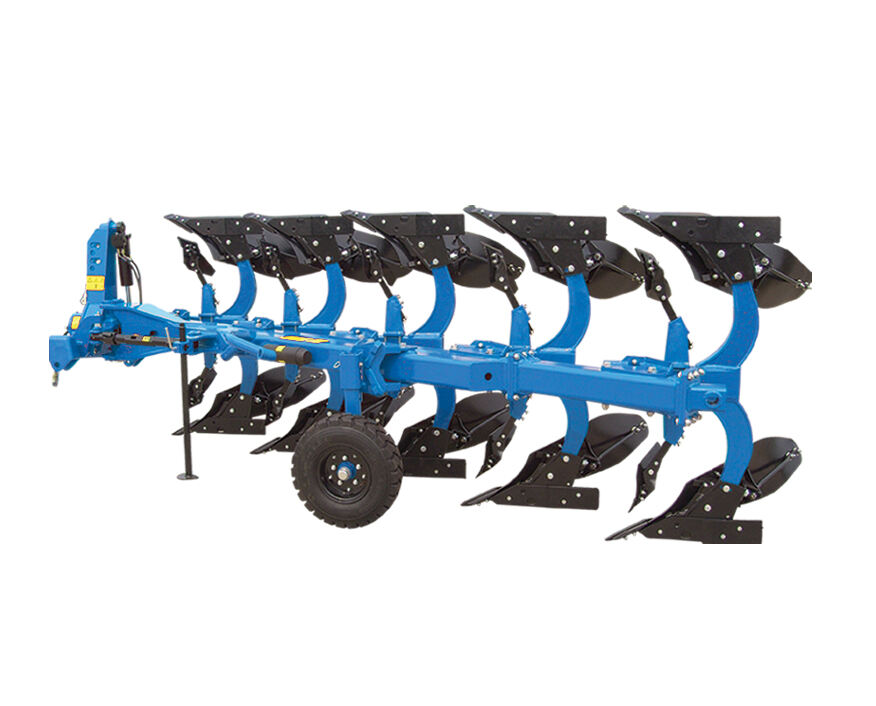
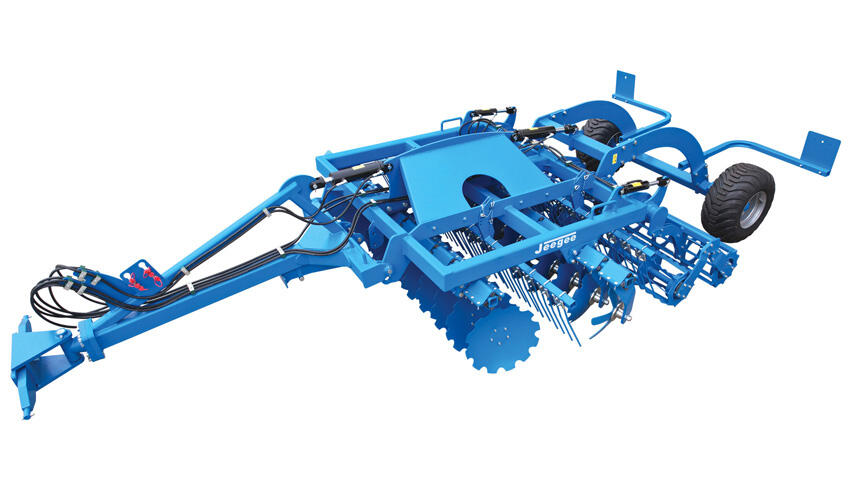
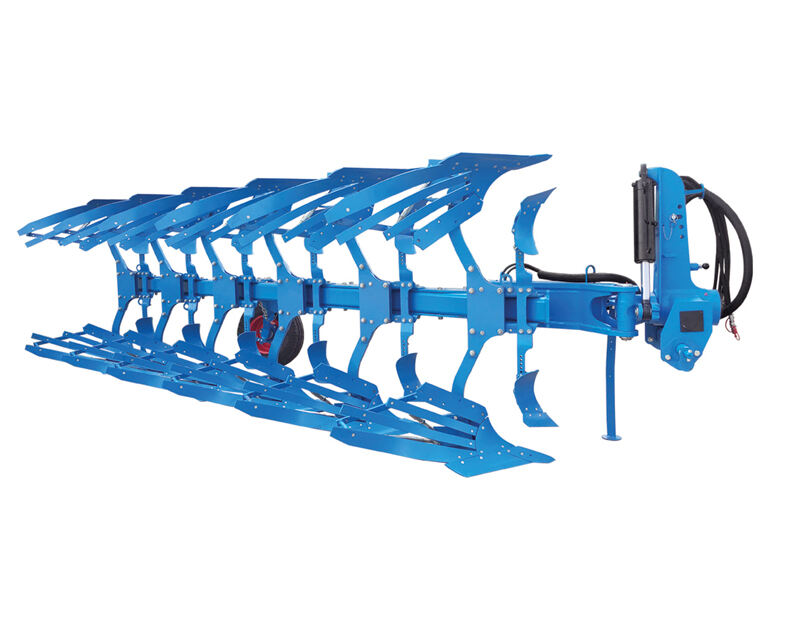
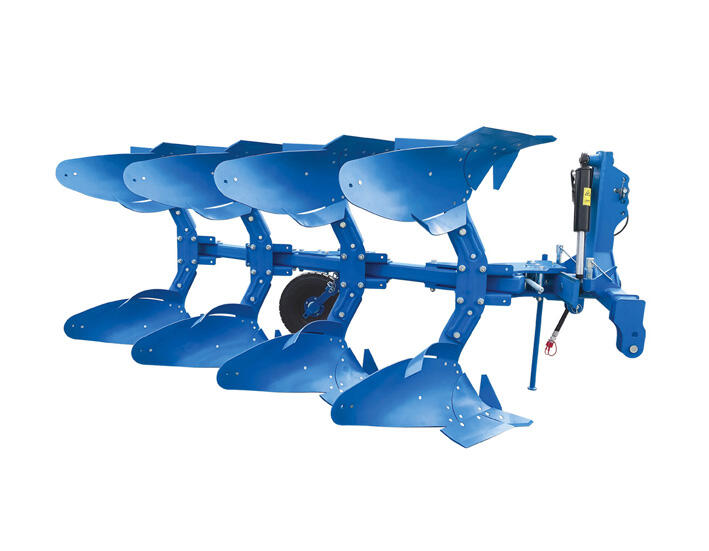
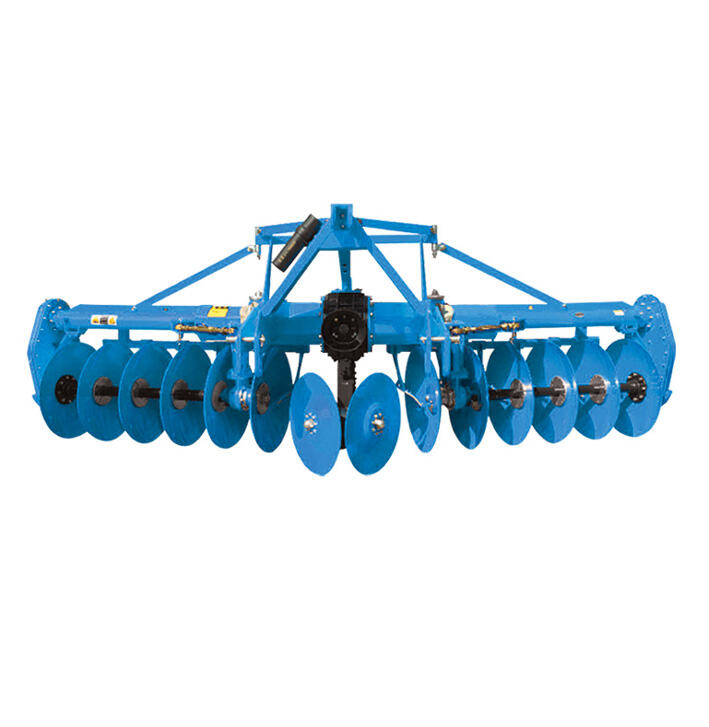
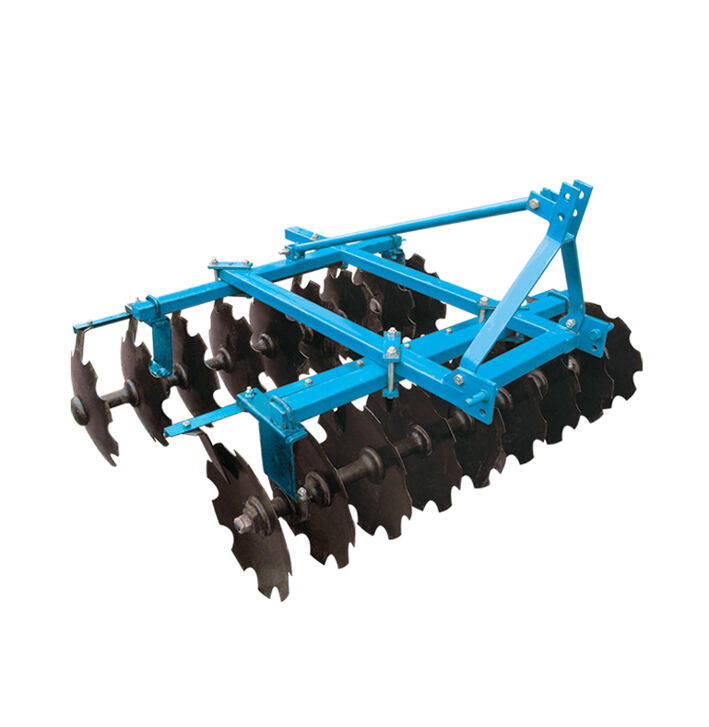
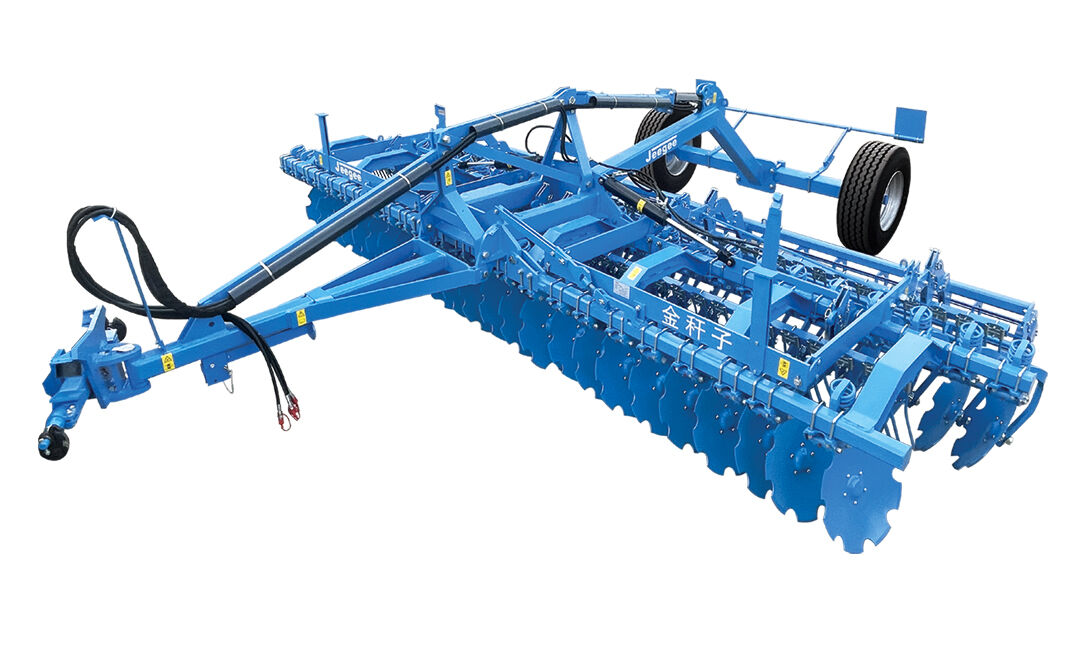
The hydraulic harrow represents a significant advancement in modern agricultural equipment, combining traditional soil preparation methods with contemporary hydraulic technology to deliver superior field conditioning results. This innovative implement serves as an essential tool for farmers seeking to optimize their soil management practices while reducing labor intensity and operational time. At its core, the hydraulic harrow utilizes pressurized fluid systems to control and adjust various components, allowing operators to modify working depth, angle, and intensity without leaving the tractor cab. The main functions of this equipment include breaking up soil clumps, leveling uneven ground surfaces, incorporating crop residues, preparing seedbeds, and controlling weeds in their early growth stages. The technological features distinguish this equipment from conventional models through its integration of hydraulic cylinders, control valves, and pressure-regulated systems that provide precise adjustment capabilities. Operators can respond instantly to changing field conditions, adapting the implement's performance to match soil types, moisture levels, and specific crop requirements. The hydraulic harrow finds applications across diverse agricultural scenarios, from large-scale grain production to specialized vegetable cultivation, orchards, and pasture management. Its versatility extends to both primary tillage operations following plowing and secondary tillage work before planting. The equipment proves particularly valuable in fields with varying soil compositions, where manual adjustments would otherwise require frequent stops and physical modifications. Modern versions incorporate multiple rows of tines or teeth arranged in strategic patterns to ensure complete soil coverage and uniform treatment across the entire working width. The hydraulic system not only controls depth and pressure but also enables features such as quick folding for transport, automatic leveling mechanisms, and adaptive load sensing that protects both the implement and tractor from excessive strain when encountering obstacles or compacted soil zones.
 EN
EN