Versatile Design for Multiple Gardening and Landscaping Applications
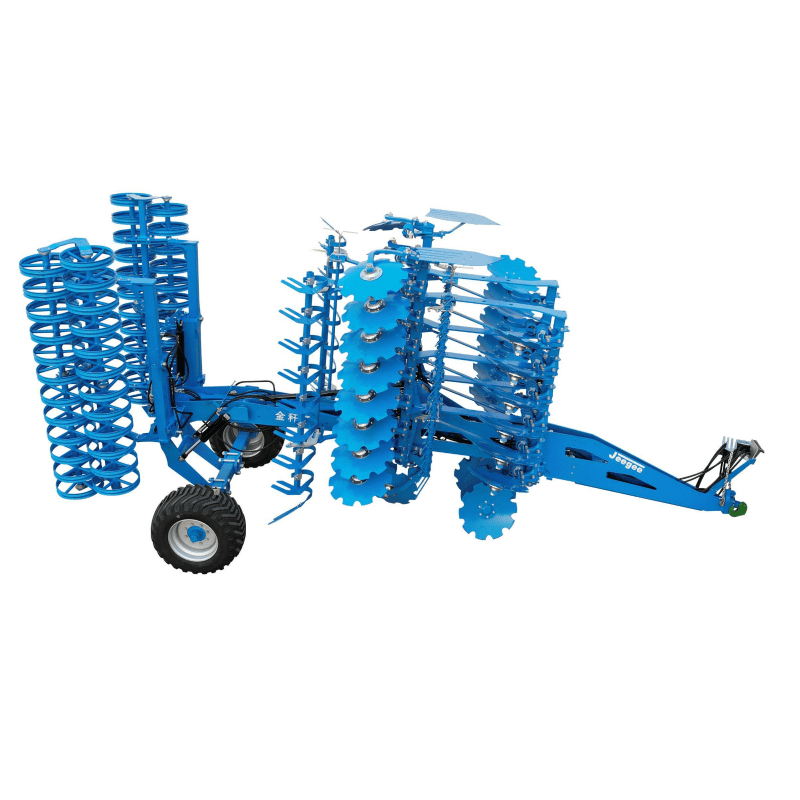
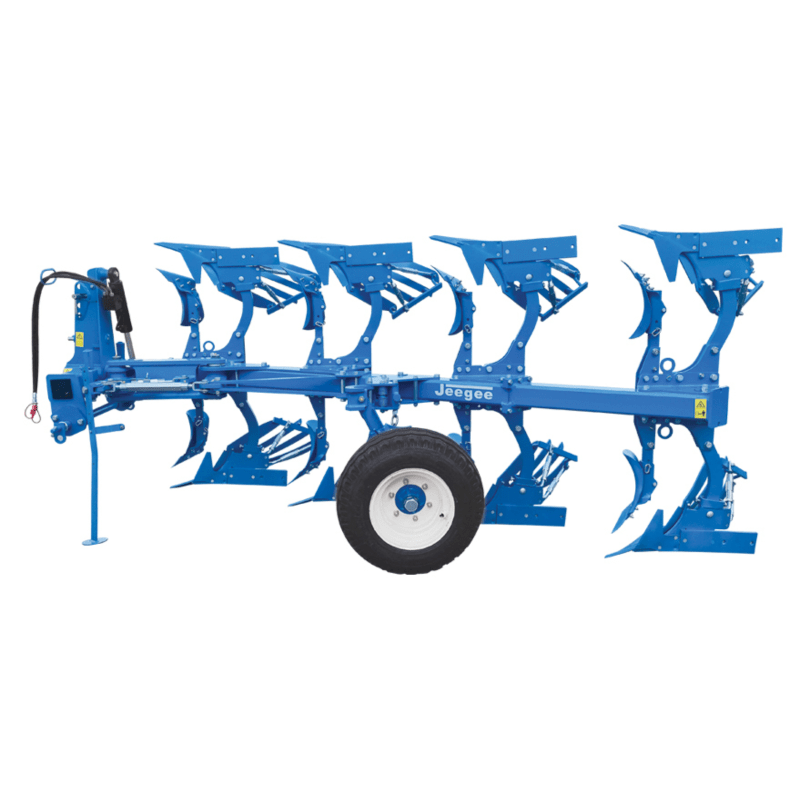
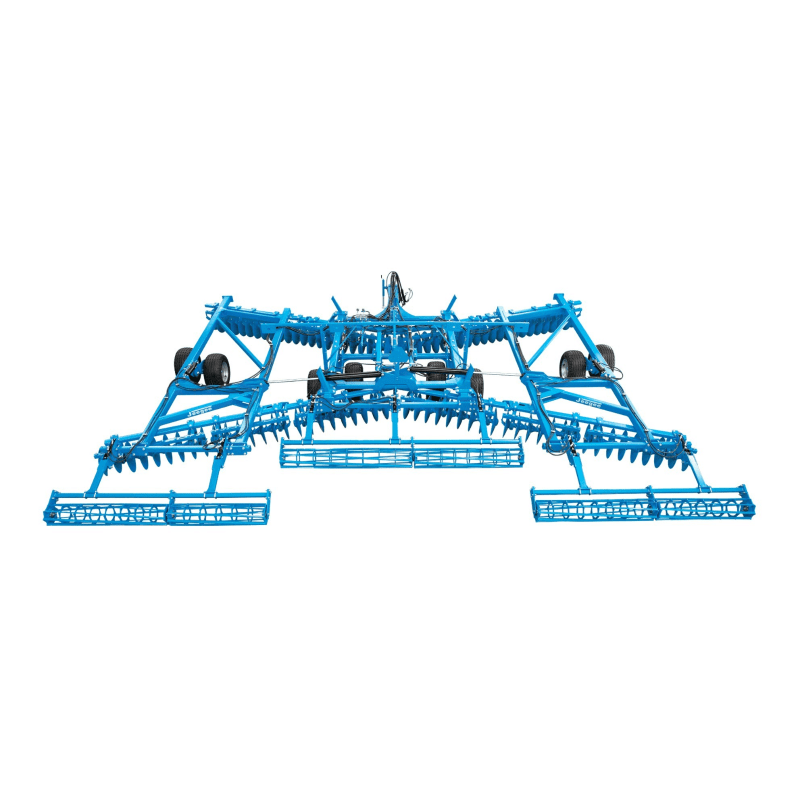
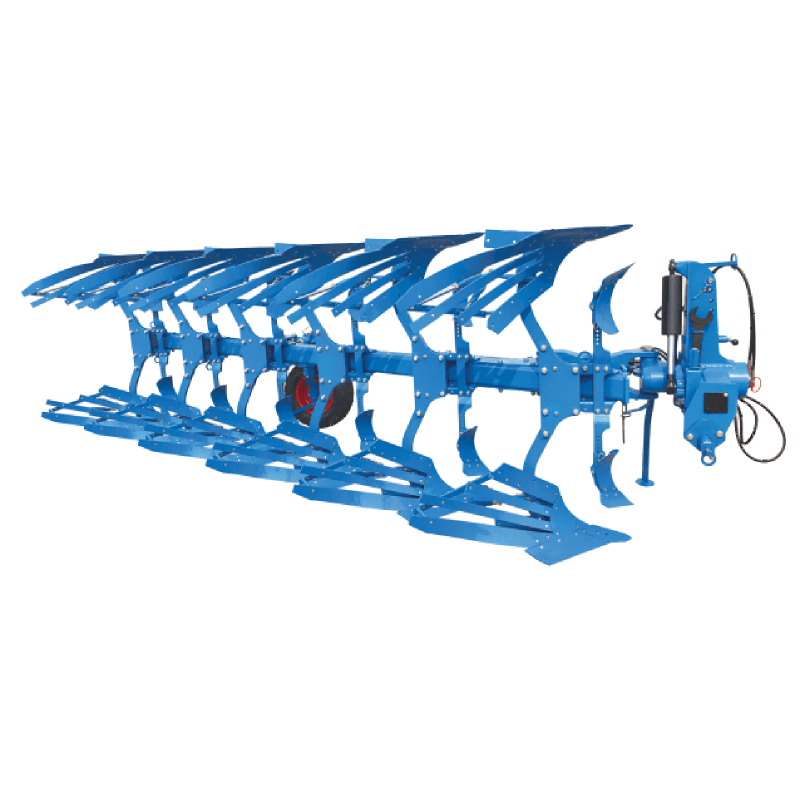
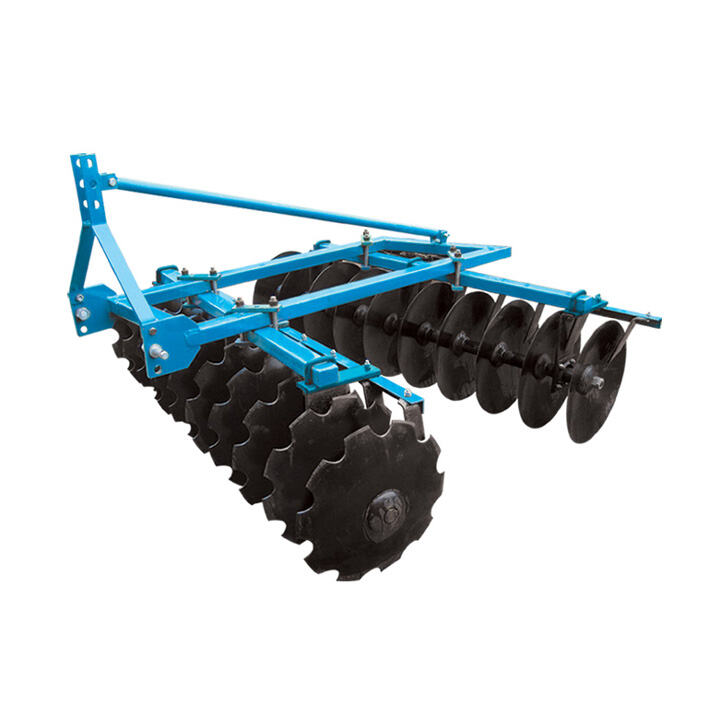
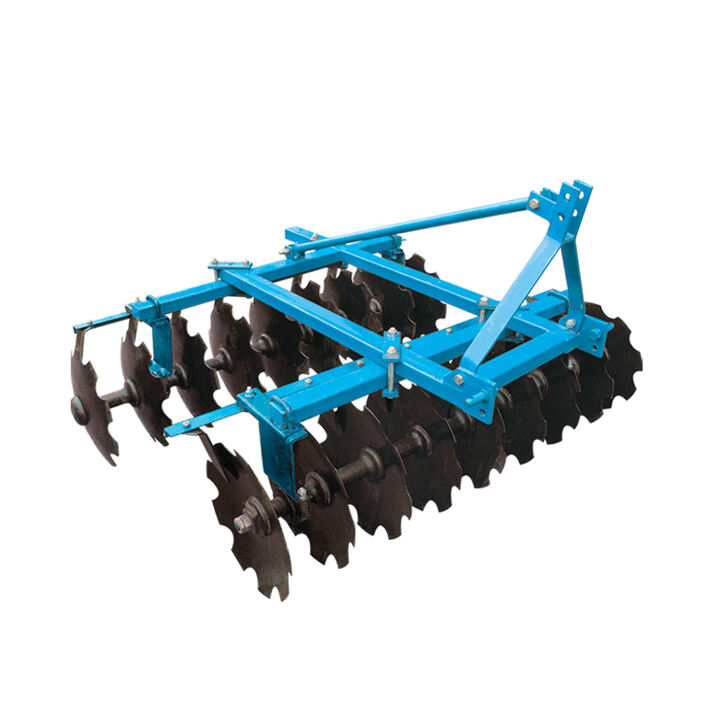
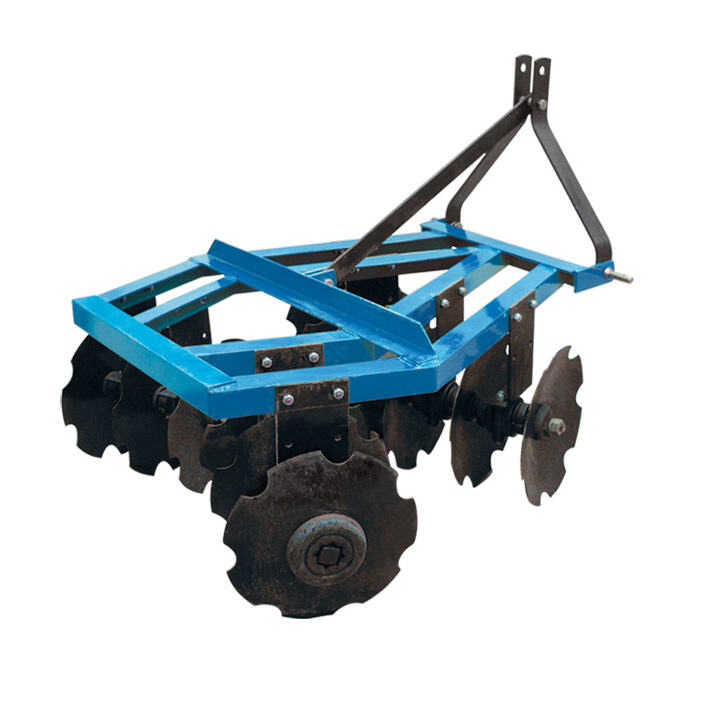
The ground tiller machine stands out as remarkably adaptable equipment that extends far beyond basic soil turning to address numerous cultivation, maintenance, and land improvement challenges encountered in both residential gardening and professional landscaping contexts. This versatility begins with adjustable working width capabilities found on many models, where removable outer tines or adjustable tine assemblies allow operators to customize the cultivation path from narrow configurations suitable for working between established plant rows to full-width settings that maximize efficiency when preparing large open areas. The ability to modify working width makes the ground tiller machine invaluable for vegetable gardeners who need to cultivate closely-spaced rows without damaging adjacent plants, as well as landscapers establishing new beds or renovating existing landscape areas where precise width control prevents unintended disturbance to surrounding features. Beyond standard tilling operations, these machines excel at incorporating soil amendments including compost, aged manure, lime, sulfur, and granular fertilizers, thoroughly mixing these materials throughout the cultivation depth to ensure uniform distribution and optimal availability to plant roots. This amendment incorporation capability proves essential for improving poor soils, adjusting pH levels, boosting organic matter content, and correcting nutrient deficiencies that limit plant growth and garden productivity. The ground tiller machine also serves as an effective tool for creating planting furrows and raised beds, with skilled operators using the equipment to shape soil into desired configurations for specific crops or drainage requirements. Weed management represents another valuable application, as repeated shallow cultivation during fallow periods or between crop cycles effectively disrupts weed seed germination and eliminates emerging seedlings before they establish competitive root systems that rob nutrients and moisture from desired plants. This mechanical weed control reduces reliance on chemical herbicides, supporting organic gardening practices and minimizing environmental impact from synthetic pesticides. Soil aeration benefits compacted lawns and landscape areas, with the tine action breaking through surface crusting and hard pans that restrict water infiltration and root penetration, revitalizing tired turf and ornamental beds without complete renovation. Cover crop incorporation at season end becomes efficient and thorough with a ground tiller machine, chopping and burying green manure crops that add organic matter and nutrients while improving soil structure for subsequent plantings. The equipment adapts to various terrain conditions including level ground, gentle slopes, and established gardens with permanent pathways, maneuvering through spaces where larger tractors cannot access while delivering cultivation results that hand tools cannot match for thoroughness and consistency across the worked area.
 EN
EN