 EN

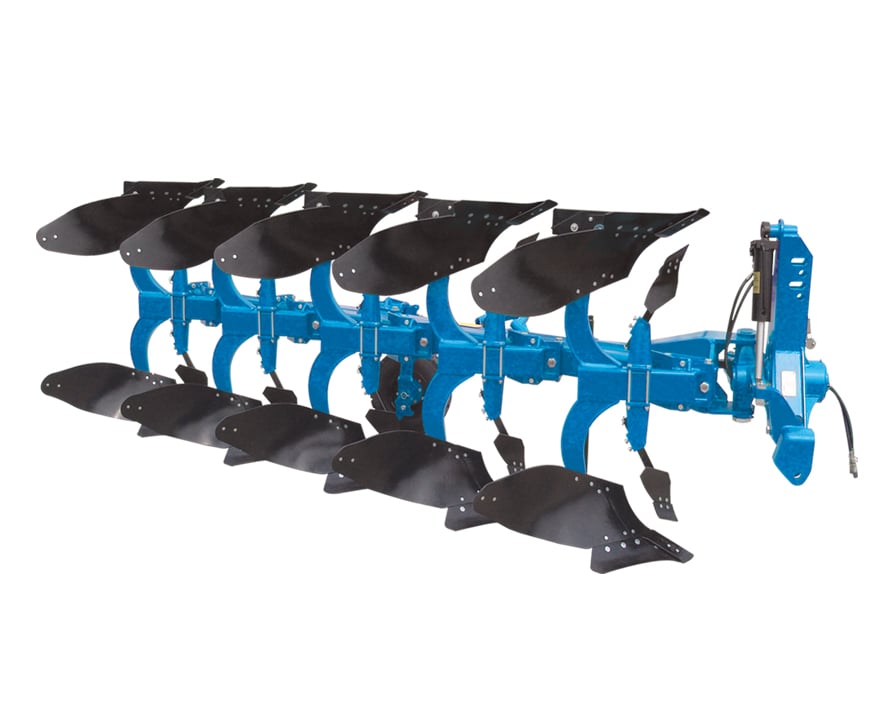
Large agricultural land operations face significant challenges when preparing vast fields for planting. The reversible plough has become a cornerstone technology for modern farming, enabling operators to work more efficiently while maintaining soil health and productivity. Understanding how a reversible plough is applied in these large-scale operations reveals why this equipment has transformed contemporary agricultural practices across regions with expansive farming territories.

The reversible plough operates on a principle that fundamentally changes how operators approach field work. Unlike traditional fixed-direction ploughs that require the tractor to return to the field starting line to begin the next pass, a reversible plough flips its working position as the tractor moves forward. This means the operator can work one direction on the first pass, and the plough automatically reverses for the return pass, eliminating wasted travel time and fuel consumption across the agricultural land.
Core Mechanism and Design Advantages
How Reversible Plough Functions in Field Operations
The reversible plough uses a hydraulic system mounted to the tractor to rotate the plough body between passes. When the operator activates the hydraulic control from the tractor cab, the entire reversible plough assembly rotates 180 degrees, presenting the opposite moldboard and share to the soil. This continuous working pattern eliminates the need to travel unproductive distances across the agricultural land to reset the plough position. For large agricultural operations spanning hundreds or thousands of acres, this efficiency gain translates directly into reduced operational hours and decreased fuel expenses.
Modern hydraulic reversible plough designs feature automatic reset mechanisms that engage once the operator parks the tractor. This functionality ensures the reversible plough returns to its neutral position, simplifying the next operational session and preventing operator error. The full suspension hydraulic reversible plough design also absorbs shock loads from hitting rocks or hard soil compactions, protecting both the equipment and the tractor from damage during extended use across challenging terrain in large agricultural land operations.
Structural Benefits for Large-Scale Farming
A reversible plough designed for large agricultural operations must carry greater soil loads than smaller equipment. Heavy-duty construction with reinforced beams and multiple share points allows the reversible plough to maintain consistent depth and turn quality across extended working sessions. The wider cutting widths available on commercial reversible plough models mean operators cover more ground per hour, reducing the total time needed to prepare large agricultural land parcels for planting or other soil management activities.
The adjustable depth control on modern reversible plough systems enables operators to optimize soil disturbance based on field conditions and crop requirements. Large agricultural operations often include soil types ranging from heavy clay to lighter loam within the same property. The ability to modify reversible plough working depth during operation, controlled from the tractor cab, allows operators to adapt to these variations without stopping or manually adjusting equipment, maintaining productivity throughout the workday across diverse agricultural land sections.
Practical Application Across Large Agricultural Territories
Time and Labor Efficiency Improvements
In large agricultural land operations, time efficiency directly impacts profitability. A reversible plough reduces operational time by approximately thirty to forty percent compared to conventional single-direction ploughing equipment, primarily because the tractor never travels unproductive return passes. For operations managing two thousand acres or more, this efficiency difference amounts to multiple days of saved work during critical ploughing seasons when weather windows are narrow.
The reversible plough also reduces operator fatigue during extended work sessions. Because the tractor travels in continuous passes across the agricultural land rather than making constant turns at field edges, the operator experiences less steering strain and maintains better attention to ploughing depth and implement positioning. This improved operator comfort during long days of work with a reversible plough translates to more consistent soil preparation quality across the entire large agricultural operation.
Soil Preparation Quality in Large-Scale Context
Consistent soil turnover and organic matter incorporation are critical outcomes of proper reversible plough operation across large agricultural land. Because the reversible plough works in both directions equally, soil preparation remains uniform throughout the field, preventing the uneven soil structure that sometimes develops with directional ploughing. This uniformity supports more consistent crop emergence and growth across the entire large agricultural operation.
The reversible plough also addresses slope and contour challenges common in large agricultural territories. By working up and down slopes with equal efficiency in both directions, the reversible plough maintains consistent soil disturbance that reduces erosion risks compared to always working downslope with a traditional plough. For large agricultural land operations in hilly or varied terrain regions, this erosion control benefit protects soil long-term productivity and meets environmental stewardship expectations.
Integration with Modern Large-Scale Farming Systems
Compatibility with Current Tractor Technology
Contemporary large agricultural operations typically operate tractors equipped with advanced hydraulic systems and cab electronics. The reversible plough integrates seamlessly with these modern systems through standardized three-point hitch connections and proportional hydraulic controls. The reversible plough can be operated via simple cab-mounted buttons or integrated into more sophisticated precision agriculture systems that coordinate equipment operation with GPS and soil mapping data.
The full suspension hydraulic reversible plough design works with tractors ranging from eighty to over three hundred horsepower, making it suitable for virtually all commercial large agricultural operations. This wide compatibility range means operators can upgrade or replace tractors within their fleet without requiring new reversible plough equipment, protecting capital investments in implements across large agricultural land holdings.
Maintenance and Durability Considerations
A reversible plough used in large agricultural operations experiences substantial wear from continuous soil contact and the hydraulic cycling required for position changes. Quality reversible plough equipment features sealed bearing assemblies, hardened share points, and replaceable moldboard components designed for practical maintenance intervals suitable to commercial operations. Operators of large agricultural land can replace worn shares and moldboards without requiring specialized technician support or extended equipment downtime.
The investment in a reversible plough for large agricultural operations typically returns through reduced fuel consumption, decreased labor requirements, and improved soil preparation quality. A well-maintained reversible plough will operate effectively for eight to ten years across typical large agricultural operations, providing solid value when considering the alternative costs of manually managing field edges and handling inefficient ploughing patterns across vast territories.
FAQ
Can a reversible plough work in all soil types across large agricultural operations?
A reversible plough performs effectively in most soil conditions, though operating depth and speed may require adjustment in extremely heavy clay or rocky soils. For large agricultural operations with highly variable soil types, selecting a reversible plough with adjustable cutting widths and depth control ensures reliable performance across diverse field conditions without requiring equipment changes between different land parcels.
What size tractors are suitable for operating a reversible plough on large farms?
Large agricultural operations typically use reversible plough equipment with tractors ranging from one hundred to three hundred horsepower, depending on working depth, soil type, and field size. The reversible plough draft requirement and hydraulic flow needs should be verified against specific tractor specifications before purchase to ensure smooth operation and prevent equipment strain during extended work sessions across large agricultural land.
How does a reversible plough save fuel in large agricultural operations?
The reversible plough eliminates unproductive return passes by reversing its position automatically, meaning the tractor travels productive passes only. For large agricultural land operations, this efficiency typically reduces fuel consumption by twenty-five to thirty-five percent compared to conventional ploughing equipment, resulting in substantial savings across seasons of extensive field preparation work.