 EN

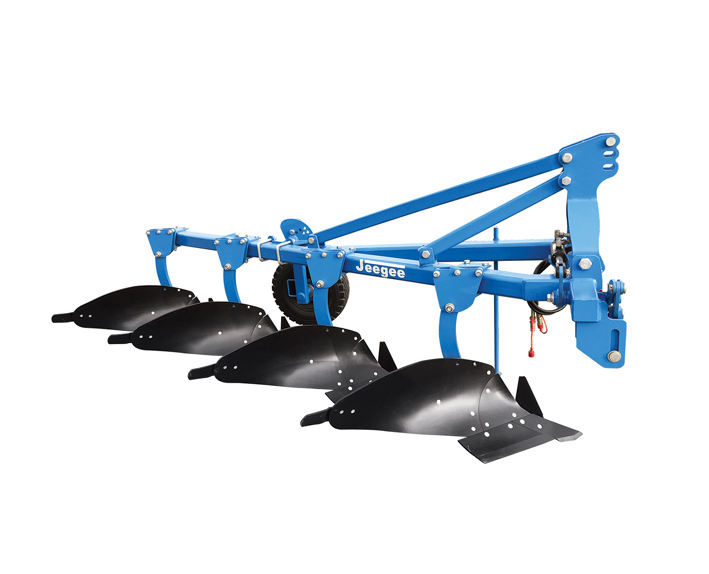
Agricultural machinery forms the backbone of modern farm operations, transforming how farmers manage land, crops, and resources. Whether operating small-scale plots or vast commercial fields, agricultural machinery enables producers to accomplish multiple tasks efficiently while reducing labor demands and increasing productivity. Today's farming landscape demands versatile solutions, and agricultural machinery provides exactly that capability by supporting everything from soil preparation to harvesting and post-harvest processing.
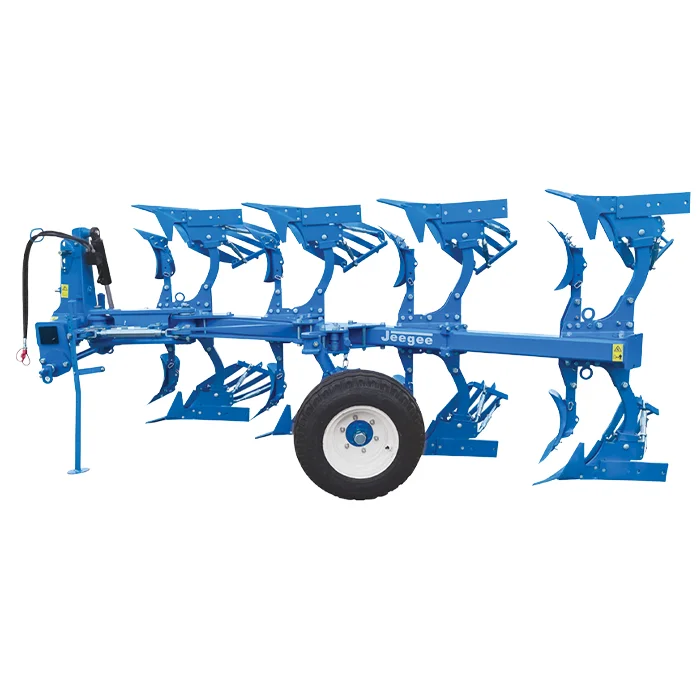
The integration of advanced agricultural machinery into farm operations has fundamentally changed productivity metrics and operational workflows. Farms that strategically deploy agricultural machinery can achieve greater output per hectare, reduce operational timelines, and maintain consistent quality across harvest cycles. Understanding how agricultural machinery supports multi-functional operations is essential for farm managers seeking competitive advantage and sustainable growth.
Core Functions of Agricultural Machinery in Farm Operations
Soil Preparation and Land Management
Agricultural machinery designed for soil preparation enables farmers to condition land efficiently before planting. Plowing, tilling, and harrowing are foundational tasks that agricultural machinery accomplishes at scale, breaking compacted soil, incorporating organic matter, and creating optimal seedbeds. Proper soil preparation through agricultural machinery reduces erosion, improves water retention, and establishes uniform growing conditions across fields. The depth and consistency achieved by agricultural machinery during these initial phases directly influence crop establishment and yield potential.
Deep plowing represents a specialized agricultural machinery function that addresses soil compaction and subsoil improvement. This agricultural machinery application loosens hardpans, incorporates nutrients, and enhances root penetration, creating long-term productivity benefits. Farmers who invest in quality soil preparation through agricultural machinery often experience improved drainage, reduced disease pressure, and stronger crop establishment, justifying equipment costs through multi-season performance gains.
Planting and Crop Establishment
Agricultural machinery streamlines planting operations by enabling precise seed placement, consistent spacing, and uniform depth control. Precision planting through agricultural machinery reduces seed waste, ensures optimal plant populations, and establishes even crop stands that respond uniformly to growth stages. Modern agricultural machinery incorporates sensors and automated controls that adapt to soil conditions, terrain variations, and variable-rate applications, maximizing establishment success.
The role of agricultural machinery extends beyond simple seed placement to include simultaneous fertilizer application, inoculant delivery, and protective product incorporation. Multi-function agricultural machinery combines multiple operations into single passes, reducing compaction, fuel consumption, and labor requirements while accelerating field operations. This integration of agricultural machinery capabilities directly supports farm profitability by compressing seasonal timelines and enabling timely planting windows.
Maintenance, Growth Management, and Harvest Support
In-Season Crop Management Through Agricultural Machinery
Throughout the growing season, agricultural machinery supports critical maintenance and optimization tasks. Cultivation, inter-row management, weed control, and nutrient application all depend on specialized agricultural machinery that navigates fields without excessive crop damage. Agricultural machinery designed for in-season operations must balance effectiveness with crop safety, particularly during sensitive growth stages when plant sensitivity to mechanical disturbance increases.
Variable-rate agricultural machinery enables targeted management strategies that adjust inputs based on field variability, soil conditions, and crop performance. This precision approach through agricultural machinery reduces input waste, minimizes environmental impact, and optimizes return on invested resources. Farmers leveraging advanced agricultural machinery capabilities gain real-time field insights that inform management decisions and enhance mid-season adjustments.
Harvest Operations and Product Recovery
Harvest efficiency depends entirely on reliable agricultural machinery that captures maximum crop while minimizing quality losses and grain damage. Combine harvesters and specialized agricultural machinery designed for specific crops operate under demanding conditions, requiring robust construction and precise calibration. The efficiency of agricultural machinery during harvest directly impacts profitability, as delays extend field exposure, weather risk, and deterioration of harvested products.
Post-harvest handling through agricultural machinery includes cleaning, grading, drying, and storage preparation tasks essential for market readiness. Agricultural machinery in this phase protects product quality, removes foreign material, and prepares commodities for transportation or processing. Integrated agricultural machinery systems that handle multiple post-harvest functions reduce handling damage, labor requirements, and operational complexity while accelerating product flow through farm operations.
Economic and Operational Advantages of Agricultural Machinery Investment
Labor Efficiency and Workforce Management
Agricultural machinery reduces labor intensity while increasing output per worker, addressing persistent labor availability challenges in agricultural production. Tasks that historically required substantial manual effort or large seasonal workforces can now be accomplished through agricultural machinery, enabling year-round core teams supplemented by seasonal needs during peak operations. This shift toward agricultural machinery reduces dependency on seasonal labor markets and improves workforce stability.
The capital intensity of agricultural machinery investments requires careful financial analysis and operational planning. Farmers must evaluate ownership versus custom hiring, machine utilization rates, and total cost of ownership including maintenance, fuel, and financing. Well-maintained agricultural machinery delivers reliable performance throughout its operational lifespan, justifying initial investment through consistent productivity gains and reduced emergency repairs.
Operational Flexibility and Multi-Functional Capability
Modern agricultural machinery increasingly integrates multiple functions into single platforms, enabling farmers to accomplish diverse tasks without maintaining separate equipment. Three-point hitch systems and universal mounting interfaces allow rapid attachment changes, transforming single agricultural machinery base units into specialized tools for different operations. This versatility maximizes equipment utilization, reduces storage requirements, and enables smaller farms to access capability previously requiring multiple machines.
Modular agricultural machinery design supports operational flexibility as farming priorities shift seasonally or respond to market conditions. Farmers can add or reconfigure agricultural machinery components based on immediate needs, weather patterns, or crop rotations without purchasing entirely new equipment. This adaptive approach to agricultural machinery management maintains competitiveness while controlling capital expenditure through strategic equipment choices.
FAQ
What types of agricultural machinery are essential for comprehensive farm operations?
Core agricultural machinery includes soil preparation equipment like plows and tillers, planting machines for accurate seed placement, cultivation tools for in-season management, and harvest equipment appropriate to your primary crops. Complementary agricultural machinery for handling, cleaning, and storage adds value but can often be accessed through custom services initially. The specific agricultural machinery portfolio depends on farm size, crop types, soil conditions, and available capital for investment.
How does agricultural machinery improve crop yield and product quality?
Agricultural machinery enables consistent execution of critical management practices that directly influence crop performance. Proper soil preparation through agricultural machinery establishes uniform growing conditions, while precision planting through agricultural machinery ensures optimal plant populations. Timely in-season management and careful harvest through agricultural machinery minimize stress, preserve quality, and optimize final product characteristics, all contributing to improved yields and marketability.
Can small farms benefit economically from agricultural machinery investments?
Small farms can access agricultural machinery benefits through custom services, equipment leasing, or cooperative ownership arrangements that reduce individual capital requirements. Shared agricultural machinery reduces per-farm costs while maintaining access to essential capabilities. As farm operations expand, progressive agricultural machinery acquisition becomes viable, allowing incremental investment aligned with revenue growth and operational scale.