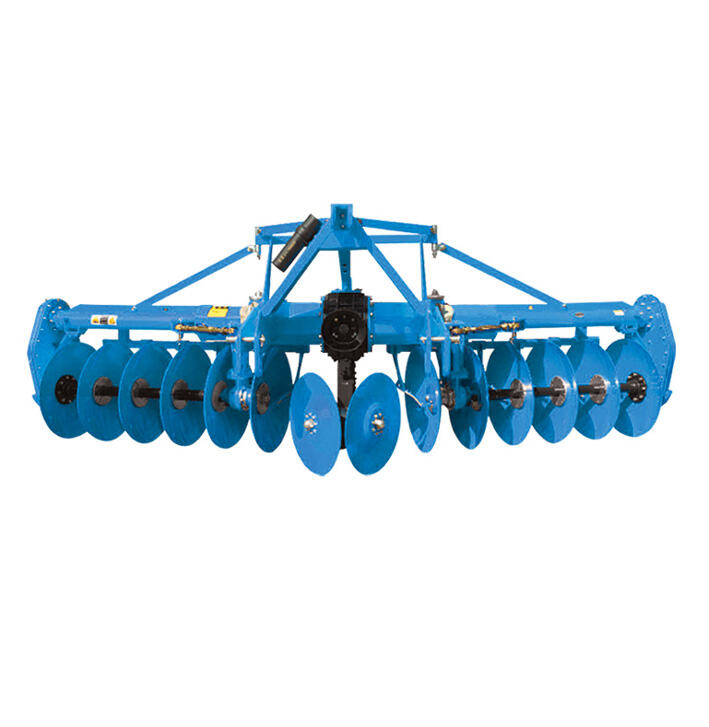
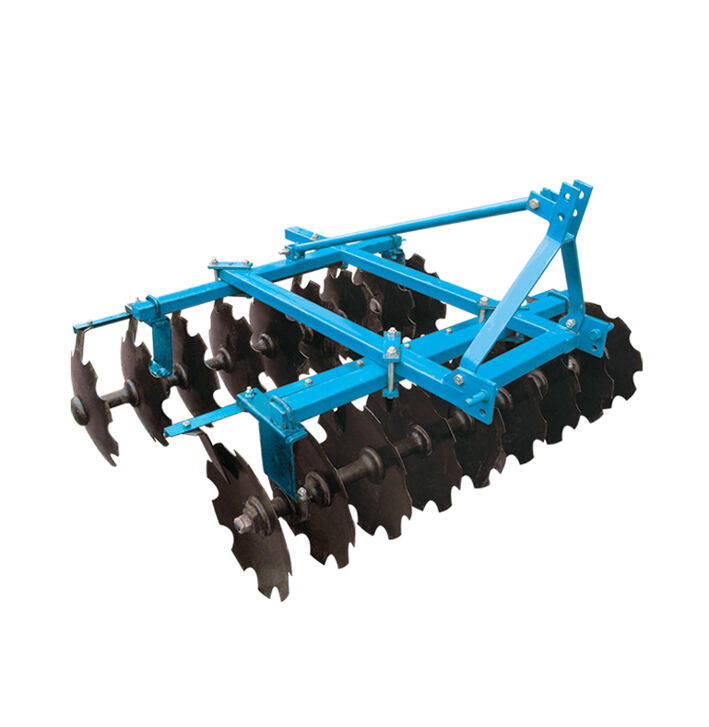
Farm Disc Harrow: Professional Soil Preparation Equipment for Efficient Tillage and Seedbed Management

+86-13615166566
All Categories

farm disc harrow

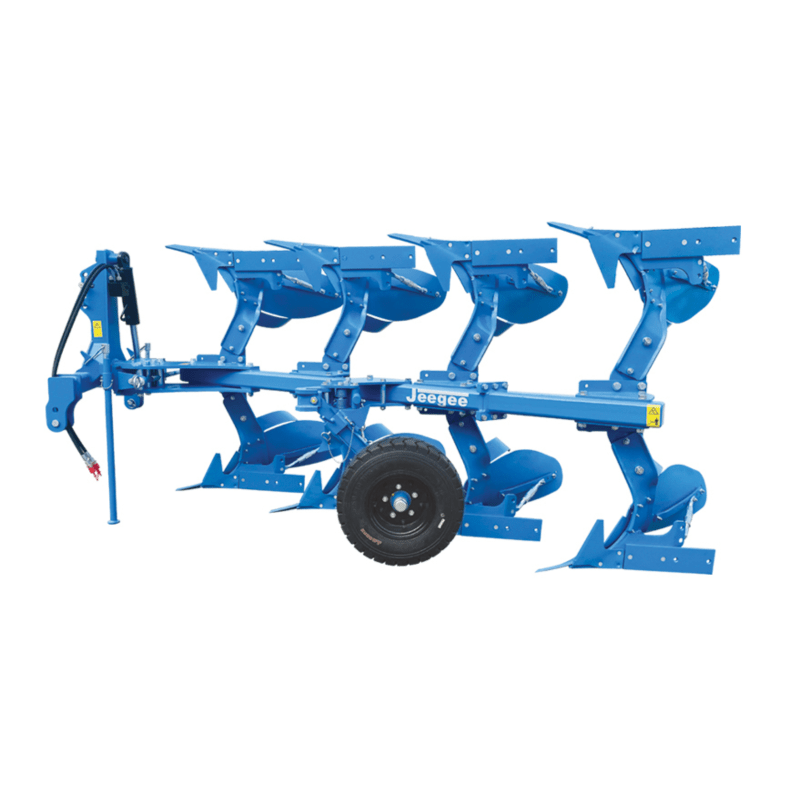
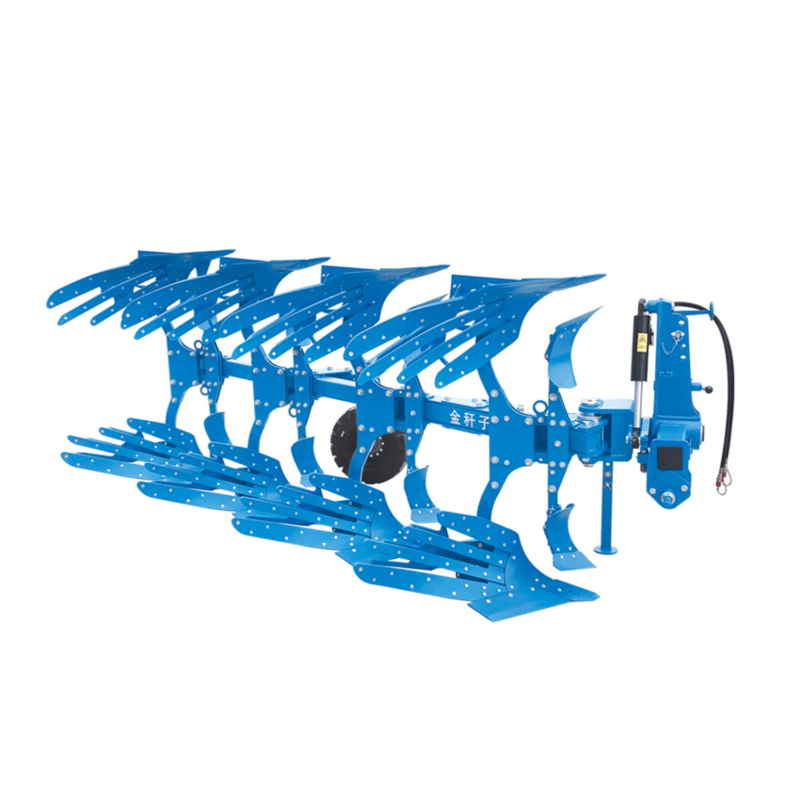
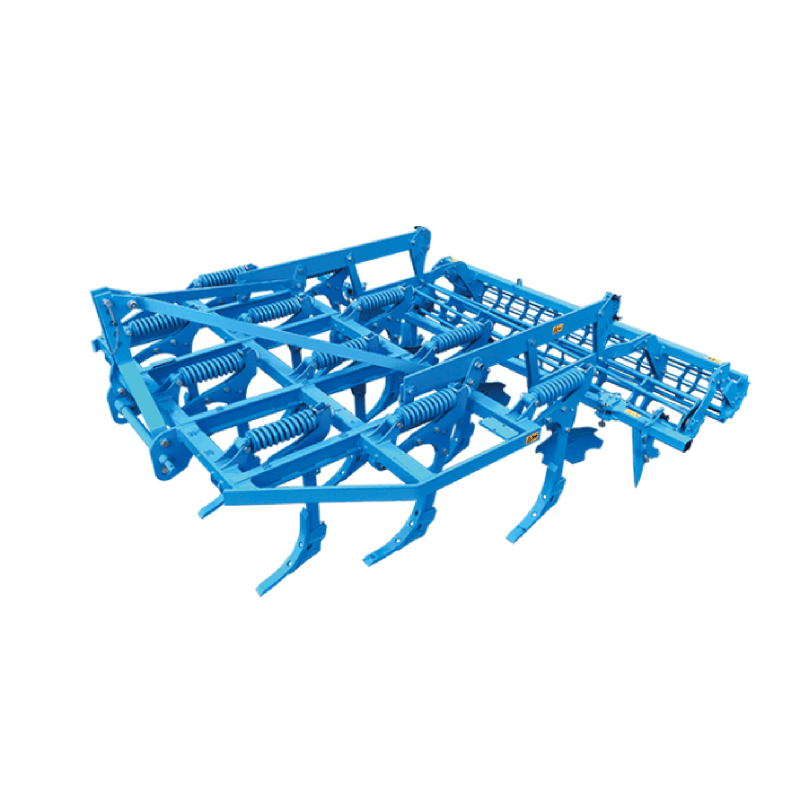
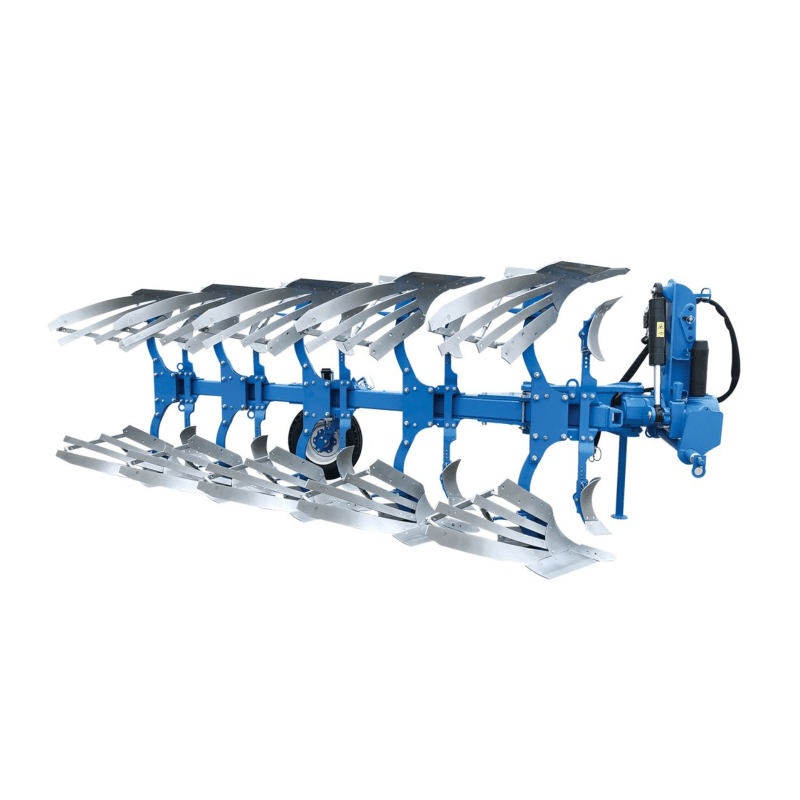
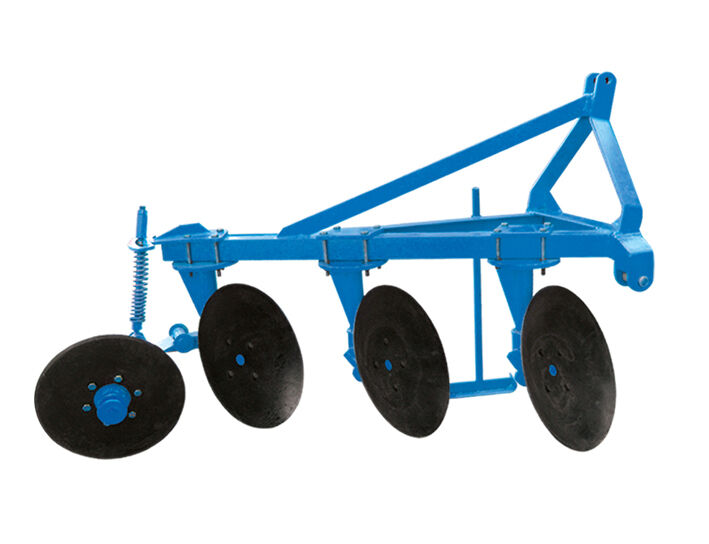
The farm disc harrow represents an essential piece of agricultural equipment designed to prepare soil for planting by breaking up clods, incorporating crop residues, and creating a smooth seedbed. This versatile implement consists of multiple concave metal discs mounted on a frame, arranged in sections that can be adjusted to suit different soil conditions and farming requirements. As a fundamental tool in modern agriculture, the farm disc harrow plays a crucial role in soil management and crop establishment across diverse farming operations worldwide. The primary function of a farm disc harrow involves cutting through soil and organic matter using its sharp-edged discs, which rotate as the implement is pulled across the field. This cutting action effectively pulverizes compacted soil, chops plant residues into smaller pieces, and mixes materials uniformly throughout the working depth. The implement operates at various depths depending on weight distribution, disc angle adjustment, and ground speed, typically working between four to eight inches below the surface. Technological features of modern farm disc harrow equipment include adjustable gang angles that control the aggressiveness of soil penetration, heavy-duty bearings designed for extended service life, and reinforced frames capable of withstanding demanding field conditions. Many contemporary models incorporate hydraulic systems for convenient angle adjustment from the tractor cab, allowing operators to modify working parameters without leaving their seats. The spacing between individual discs, typically ranging from seven to ten inches, determines the thoroughness of soil processing and residue incorporation. Applications for the farm disc harrow extend throughout the agricultural calendar, including primary tillage after harvest, secondary tillage before planting, weed control during fallow periods, and incorporation of fertilizers or amendments. This equipment proves particularly valuable in conservation tillage systems where maintaining surface residue while managing soil structure remains paramount. The farm disc harrow adapts to various soil types from light sandy loams to heavy clay soils, making it indispensable for mixed farming operations. Whether preparing ground for row crops, establishing pastures, or managing cover crops, this implement delivers consistent performance across multiple agricultural scenarios.

New Product Recommendations

Investing in a farm disc harrow brings numerous practical benefits that directly impact your farming operation's efficiency and profitability. First and foremost, this equipment saves considerable time compared to traditional tillage methods, allowing you to cover more acres in less time while maintaining quality soil preparation. The ability to complete field work quickly means you can take advantage of optimal weather windows, plant crops at the right time, and maximize your growing season potential. The farm disc harrow reduces labor requirements significantly because one operator with a properly sized tractor can accomplish what once required multiple workers using manual tools or smaller implements. This labor efficiency translates directly into cost savings, freeing up human resources for other essential farm tasks while reducing overall operational expenses. The versatility of a farm disc harrow eliminates the need for multiple specialized implements, as this single piece of equipment handles primary tillage, secondary tillage, residue management, and seedbed preparation. This multi-functionality represents substantial savings in equipment investment, storage space, and maintenance costs. You gain tremendous flexibility in managing different field conditions, adjusting the implement's settings to match soil moisture levels, residue quantities, and desired seedbed characteristics without switching to different tools. Fuel efficiency improves with a farm disc harrow because its design requires less draft power than many alternative tillage implements, meaning your tractor consumes less diesel while accomplishing more work. The reduced power requirement also allows you to use appropriately sized tractors rather than investing in oversized machines. Soil health benefits emerge from proper use of a farm disc harrow, as it incorporates organic matter effectively, improves soil aeration, and promotes beneficial microbial activity through controlled disturbance. Unlike moldboard plows that completely invert soil layers, disc harrows maintain more natural soil stratification while still achieving excellent mixing of amendments and residues. Your crops respond positively to the improved seedbed conditions created by a farm disc harrow, with better seed-to-soil contact, more uniform germination, and stronger early growth leading to higher yields. The equipment helps control weeds mechanically by cutting and burying weed seeds and seedlings, reducing dependence on chemical herbicides and supporting more sustainable farming practices. Maintenance costs remain reasonable with a farm disc harrow because its simple mechanical design features fewer complex components than many modern implements, and replacement parts like disc blades are readily available and economically priced. The durability of quality farm disc harrow construction means your investment provides reliable service for many years, often decades, with proper care and routine maintenance, delivering exceptional long-term value.

Practical Tips

How Does a Tiller Cultivator Help in Weed Control and Soil Aeration?

07

Jul

How Does a Tiller Cultivator Help in Weed Control and Soil Aeration?

What is a Tiller Cultivator? Tiller cultivators are those machines farmers use to break up and turn over soil before planting crops. The spinning metal teeth on these machines work their way through the ground, creating loose soil beds that make ae...
View More
What Are the Key Differences Between a Tiller and a Cultivator?

07

Jul

What Are the Key Differences Between a Tiller and a Cultivator?

Defining Tillers vs Cultivators: Core Functions Tiller Purpose: Breaking Compacted Soil Tillers serve as important garden tools made to tackle tough, packed soil and turn it into something plants can actually grow in. These machines come with stron...
View More
How Does a Reversible Plough Help in Reducing Soil Compaction During Tillage?

07

Jul

How Does a Reversible Plough Help in Reducing Soil Compaction During Tillage?

Understanding Soil Compaction Challenges in Modern Agriculture The Science Behind Soil Compaction Formation When soil gets compacted, it becomes a real problem for farming operations. Basically, what happens is the soil particles get pushed too clo...
View More
How Does a Plough Contribute to Soil Aeration and Improving Crop Yield?

27

Aug

How Does a Plough Contribute to Soil Aeration and Improving Crop Yield?

Understanding the Revolutionary Impact of Ploughing on Agricultural Productivity Modern agriculture relies heavily on effective soil management techniques, with ploughing standing at the forefront of these practices. The relationship between plough s...
View More

Get a Free Quote

Our representative will contact you soon.
Email
Name
Company Name
Message
0/1000

farm disc harrow

Superior Residue Management Capability

Superior Residue Management Capability

One of the most valuable features distinguishing the farm disc harrow from other tillage implements is its exceptional ability to manage crop residues effectively while preparing soil for subsequent planting. In contemporary agriculture, where conservation practices and sustainable farming methods have become increasingly important, the capacity to handle substantial amounts of plant material without clogging or reducing operational efficiency represents a critical advantage. The farm disc harrow excels in environments where corn stalks, wheat stubble, soybean residue, or cover crop biomass must be incorporated into the soil rather than burned or removed. The concave disc design creates a cutting and rolling action that chops residues into manageable pieces while simultaneously mixing them throughout the tillage zone, promoting decomposition and nutrient cycling. This residue incorporation process serves multiple agronomic purposes, including returning organic matter to the soil, improving soil structure over time, suppressing weed germination through physical coverage, and reducing erosion potential by maintaining protective ground cover during the incorporation process. Farmers practicing reduced tillage or strip-till systems particularly value how a farm disc harrow can selectively work strips or zones while leaving significant residue between rows, supporting soil conservation goals while still creating adequate seedbeds for precision planting equipment. The gang angle adjustment feature allows operators to control how aggressively the implement attacks residue, with steeper angles providing more aggressive cutting and mixing for heavy residue situations, while shallower angles offer gentler action suitable for lighter residue conditions or more fragile soil structures. This adjustability means a single farm disc harrow can handle the full spectrum of residue management challenges encountered throughout the crop rotation, from heavy corn stalk fields requiring aggressive processing to wheat stubble needing only moderate incorporation. The spacing between individual discs ensures that residue flows through the implement rather than accumulating and causing blockages, maintaining consistent operation even in challenging high-residue conditions where other implements might require frequent stops for cleaning. For operations transitioning toward more sustainable practices, the farm disc harrow provides an economical pathway to adopt conservation tillage methods without investing in highly specialized equipment, making environmental stewardship accessible to farms of all sizes and budgets.
Exceptional Soil Conditioning and Seedbed Preparation

Exceptional Soil Conditioning and Seedbed Preparation

The farm disc harrow delivers outstanding soil conditioning performance that directly influences crop establishment success and ultimate yield potential, making it an indispensable tool for quality-focused farming operations. Unlike implements that simply move soil without fundamentally improving its physical properties, the farm disc harrow actively restructures soil profiles through its unique cutting, lifting, and mixing action. Each concave disc penetrates the ground at an angle, slicing through compacted layers and clods while the disc curvature lifts and throws soil in a controlled pattern that breaks apart aggregates and creates favorable tilth. This mechanical action addresses multiple soil conditioning objectives simultaneously, including breaking up plow pans and compacted zones that restrict root development, creating proper soil aggregation that balances water retention with drainage, incorporating air into previously anaerobic soil layers, and establishing uniform particle distribution throughout the seedbed depth. The result is a seedbed environment where seeds receive consistent soil contact for moisture uptake, emerging seedlings encounter minimal mechanical resistance, developing roots can penetrate freely in search of water and nutrients, and soil microorganisms thrive in well-aerated conditions. The leveling action inherent in farm disc harrow operation smooths field surfaces, eliminating high spots and filling depressions that might otherwise cause uneven crop emergence or create challenges for subsequent field operations like spraying or harvesting. This leveling capability proves especially valuable after harvest when combine traffic, grain cart wheel tracks, and variable residue distribution leave fields rough and uneven. Depth control features available on quality farm disc harrow models ensure consistent working depth across varying field topography, preventing shallow work on hilltops or excessive depth in low areas that could compromise seedbed quality. The implement's ability to operate effectively across a wide moisture range provides operational flexibility, working adequately in drier conditions where moldboard plows would create excessive dust and clods, while also performing reasonably well in moderate moisture situations where careful operation avoids creating compaction or smearing. Farmers appreciate how a properly adjusted farm disc harrow creates seedbeds suitable for all planting equipment types, from conventional grain drills to precision vacuum planters, ensuring that subsequent operations proceed smoothly without additional preparatory work.
Cost-Effective Operation and Long-Term Durability

Cost-Effective Operation and Long-Term Durability

The economic advantages of incorporating a farm disc harrow into your equipment fleet extend far beyond the initial purchase price, encompassing operational efficiency, maintenance economy, and exceptional longevity that together deliver outstanding return on investment. From an operational perspective, the farm disc harrow requires relatively modest tractor power compared to deep tillage implements like chisel plows or moldboard plows, typically needing fifteen to twenty horsepower per foot of working width under average conditions. This moderate power requirement means you can match the implement to tractors you already own rather than purchasing larger, more expensive machines solely to handle tillage demands. The fuel savings accumulate substantially over seasons of use, particularly on larger acreage where even small per-acre consumption differences multiply into significant cost reductions. The simple mechanical design of a farm disc harrow, consisting primarily of disc blades, bearings, and structural framework, contains fewer complex components than many modern agricultural implements, reducing both the likelihood of breakdowns and the complexity of repairs when maintenance becomes necessary. Bearing assemblies represent the primary wear points, and these components benefit from straightforward replacement procedures that most farm maintenance shops can handle without specialized tools or manufacturer technician assistance. Disc blades themselves wear gradually and predictably, allowing you to monitor condition and plan replacement during off-season periods rather than facing unexpected failures during critical field work windows. The availability of aftermarket disc blades from multiple suppliers creates competitive pricing that keeps replacement costs reasonable while providing options for different blade profiles, materials, and edge treatments to suit specific soil conditions and performance preferences. Frame construction using heavy-duty steel withstands years of field use, rock impacts, and operational stresses without the fatigue failures or structural compromises that plague lighter-duty implements. Quality farm disc harrow models feature reinforced gang bolt areas, substantial main frame members, and properly engineered stress distribution that prevents crack development even under demanding conditions. The implement's resistance to obsolescence represents another economic advantage, as the fundamental operating principles and mechanical design remain effective regardless of changes in crop varieties, farming systems, or agronomic practices. A well-maintained farm disc harrow purchased today will likely still provide valuable service decades into the future, unlike technology-dependent implements that may become outdated as precision agriculture evolves. The resale value retention of quality farm disc harrow equipment exceeds many implement categories, with used units commanding strong prices reflecting ongoing demand from farmers who recognize the tool's enduring utility and appreciate the economy of purchasing proven equipment.

Get a Free Quote

Our representative will contact you soon.
Email
Name
Company Name
Message
0/1000