 EN
EN

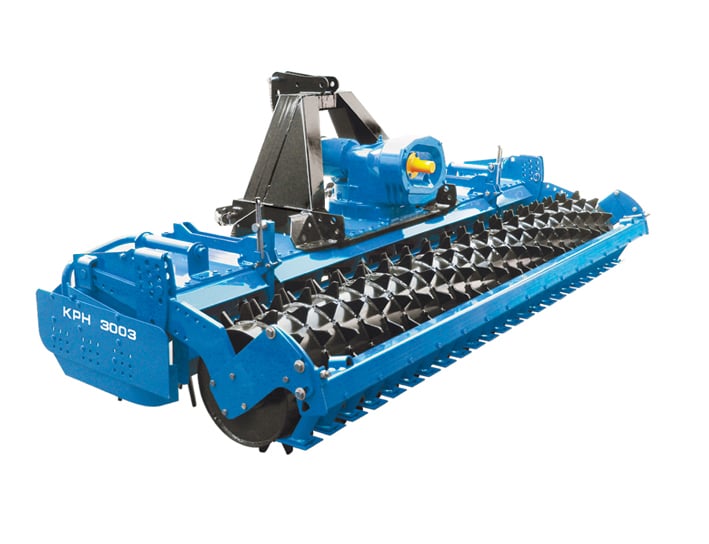
Када је реч о припреми пољопривредних земљишта за продуктивну вегетациону сезону, мало алата може да се подудара са свестраношћу и ефикасношћу дискова гара - Да ли је то истина? Овај алат је постао темељ модерне културе јер се истовремено бави два најзахтјевнија задатака у припреми поља: разлагање и укључивање остатака усева који су остали након жетве и реструктурирање профила тла како би се створило идеално семе. Разумевање тачно како дискова гара обавља обе функције и зашто је секвенцирање и поставка тог рада важни је суштинско знање за било коју фарму која жели да оптимизује здравље тла и продуктивност поља.
Дискова арма остварује своју двоструку улогу механички елегантним принципом: низ конкавних, оштрих челичних дискова монтирани на једну или више гумаца окрећу се док се алат повуче преко поља. Ови дискови сече у земљу, подиже је и окреће је у контролисаном луку пре него што је пусте. Угао на коме су банде постављене у односу на правцу путовања одређује агресивност те акције сечења и окретања. Ова прилагодљивост чини да је дискова арка погодна за лагано усправање површине након сањања, као и за управљање тешким остацима након густог узгоја кукуруза или сорго. У следећим деловима објашњавају се потпуни механизам, радни ток и агрономска логика за ефикасну употребу дискове за мешање остатака и усвајање тла.

Како се механизам дисковог уноса бави остацима од фарме
Резање и фрагментирање остатака на површини
Први задатак који дискова сањавачица обавља када уђе у поље које је сакупљено је да преузме и исече стајали или раван остатак материјала. Очи се крећу и додиру до стебла, сламе и кореница пре него што дођу до самог површине тла. Пошто су дискови оштри дуж своје конкавне ивице и стално се окрећу под тежењем, они делују као систем за ваљање резача, а не као статички алат за резање. То значи да се остатак понавља на краће сегменте са сваком пролазом.
Ганг агол игра критичну улогу овде. Када су дискови у широком углу, обично између 18 и 25 степени у односу на правцу путовања, дискови агресивније угризају и остатак и горњи слој тла. Понижи угао од 10 до 15 степени производи мање бочно кретање тла и нежније запленивање остатака, што је прикладно када се раде лакши остаци слама или када је површина тла већ добра. Успоређивање угла пролаза са густином остатка оптерећења спречава и недовољно сечење и непотребно узнемирење тла.
У пољима са изузетно тешким стопалима кукуруза или остацима сунцокрета, једно пролазње дисковом арбом можда неће потпуно фрагментирати материјал. Искусни оператори често праве два пролаза у перпендикуларним или 45-градусним угловима, што осигурава да се остатке режу из више правца и смањују до дужине која се ефикасно распада када се једном уграде. Резање остатака на комаде краће од 10 до 15 центиметара драматично убрзава микробно распад у земљишту.
Укључивање остатка у профил тла
Резање остатака на површини је само прва половина функције управљања остацима дисковог арма. Агрономски значајнији корак је усавршавање тог материјала у горњи слој тла. Док се конкавни дискови окрећу и подижу земљу, они стварају миксерију која се преклопа и сакрива остатке и закопава их испод слоја нарушеног тла. Ово сахрањавање је оно што покреће циклус распадања који на крају претвара органску материју у доступне хранљиве материје.
Дубина уграђивања је директно везана за радну дубину дискове арфе, коју контролише хидраулички притисак на монтираним алатима или подешавање точкова на верзијама са траком. За ефикасно уграђивање остатака, генерално се препоручују радне дубине од 10 до 15 центиметара. Дубље ангажовање помера остатак даље у анаеробну зону где је распад спорији, док врло плитки пролази могу оставити материјал који седи на површини где се осушава уместо да се распада. Дискова гара је одлична у ударању у ово агрономско место када је правилно подешена.
Услови влаге у време рада снажно утичу на то колико дискова тетрачка меша остатке са тлом. Када је влага у земљишту близу капацитета поља, дискови стварају темељну мешавину органског материјала и минералних честица земљишта, што подржава гљивичну и бактеријску активност која покреће распад. У изузетно сувим условима, дискови имају тенденцију да се преврте преко остатка уместо да их ефикасно сахране, што чини време операције дискове за праћење кише вредном праксом управљања.
Функције дискова у усавршавању тла
Разбијање површинских кора и груди
Поред своје улоге управљања остацима, дискова тетравица је основно средство за усвајање тла. Након жетве или након обичних киша на глинитим или глинистим тлима, често се формира тврда површинска кора која ограничава појаву садница и смањује инфилтрацију воде. Дискова арма ефикасно разбија ову корину јер ивица ролинг диска примењује концентрисану напор према доле и бочну на површину тла, разбивајући оштрене агрегате без ризика од мрљања који се може десити са алатима за обраду земљишта који се влаже преко површине.
Смањење количине буке је још једна главна корист од кондиционирања. На пољима која су била обрађена или подпољени у влажним условима, велике грудиће тла могу остати у површинском слоју. Акција дисковог арца подизање, кршење и отпадање материјала земљишта постепено смањује величину грудица са сваком пролазом. Резултат је једначанија дистрибуција величине честица у зони семена, што побољшава контакт семена са тлом и подржава чак и клијање широм поља.
Утјецај смањења груди на једнородност поља не би требало потцењивати. Прецизна опрема за сејање најбоље функционише када је дискова арка доставила конзистентно, схладно семено поле без великих грудица или неравномерних гребена. Поља која прескоче овај корак условљавања често показују нерегуларне популације биљака и неравномерни развој усева који утиче на коначни принос.
Изравнивање и чврстоће нива
Друга функција дисковог уграђивања земљишта је прогресивно изједначавање таласа и гребена остављених претходним опремом за обраду или жетву. Дискови сече уздигнуте површине и депонују измештену земљу у суседне ниске тачке, постепено хомогенизујући површинску топографију. Ово је посебно вредно на пољима са израженим траговима колеса за главу или бранама за плување.
Многе конфигурације дискових рачица укључују задње ваљке или секције рачица које рафинишу површину након што су дискови завршили свој посао сечења и мешања. Ови задњи причвршћивачи благо чврсто држе опуштено тло и разбијају све преостале груди, чиме се добије завршен вид који не захтева додатне активности на терену пре сејања. Ова комбинација резање диска праћено зацвршћивањем ролера је један од разлога зашто је дискова арва и даље омиљено решење за један пролаз на многим операцијама за редовину.
Тврстина тла након усвајања дисковим шпаљом треба да буде довољно чврста да спречи да се семена не падају превише дубоко током сањавања, али довољно лабава да омогући брз развој корена. Мониторинг отпора проникнутости једноставним конусом пре и после пролаза дисковим гаром помаже у калибрирању броја пролаза потребних да би се достигла циљна структура тла за одређену културу која се успоставља.
Хидрауличко преклапање и оперативна ефикасност
Како хидраулично преклапање побољшава покривеност поља
Модерни дизајн дискових гарова, укључујући хидрауличне модели са склапањем, значајно је проширио практичну радну ширину доступну за рад у пољопривредним предузећима, а да није створио неуправљиве транспортне изазове. Хидрауличко савијање омогућава спољашње делове крила широке дискове да се савијају горе или унутра за аутотранспорт, а затим се потпуно проширују за рад на терену једноставном хидрауличком контролом из кабине трактора. То значи да оператери могу радити са ефикасним ширинама од пет до осам метара или више, а истовремено и придржавати се ограничења ширине пута током кретања између поља.
Предност продуктивности шире дискове је једноставна: више хектара покривеног по сату времена трактора. У великим обрадема на обради, где управљање остацима и усвајање тла морају бити завршени у уском оквиру након жетве пре него што се губи влага у тлу, комбинација радне ширине и брзине рада коју нуди хидраулична преклопна дискова сачивачка може бити разлика између правовремено
Хидрауличка контрола дубине, доступна на моторним и тракторским варијантама дискових граба, додаје још један слој оперативне прецизности. Оператори могу прилагодити дубину рада на путу у одговору на промене услова тла широм поља повећање дубине у компактним копним копнима и смањење у подручјима где је структура тла већ отзивна. Ова способност прилагођавања у реалном времену спречава претерано обраду у осетљивим зонама и осигурава да дискова арва даје доследне резултате условљавања преко различитих врста тла у једном пољу.
Успоређивање брзине и снаге трактора
Брзина рада директно утиче на квалитет мешања остатака и усвајања тла који се постиже дисковом армом. Више брзине обично између 10 и 14 километара на сат повећавају латерално бацивање диска и промовишу детаљније мешање остатака са тлом. Међутим, прекомерна брзина на неравном терену може довести до одскока, смањујући дубину прониклости диска и стварајући неконзистентан завршник.
Уједностављање коњске снаге трактора са радном ширином дисковог тегла и дијаметром диска је једнако важно. Недовољна снага дисковог шлепа резултира смањеним брзином ротације диска, лошим пролазом у чврсту земљу и неадекватним резањем остатака. Већина произвођача пружа смернице за коњске снаге по метрима које оператерима помажу да прилагоде капацитет трактора правилној величини дисковог штитра, осигуравајући да се постигну циљеви управљања остацима и усвајања тла без преоптерећења погонског система.
Агрономско време и секвенца за најбоље резултате
Оптимално време након жетве
Временом операције дисковог гасања након жетве значајно утиче на стопу распадања остатака и квалитет усвајања тла. Уколико се дискова гара користи у року од једне до две недеље од жетве, док влага у земљишту остаје адекватна од вегетационе сезоне, остаци се могу уградити у условима који подстичу брзу микробно активност. Одлагање рада дисковог гасања до касне јесен, након што су земљишта осушена и тврда, смањује квалитет уграђивања и успорава распад органског материјала током зиме.
Рана операција са дисковим шпагулом такође доприноси борби против корова. Добровољне биљке и саднице косе који се прорастају у нарушеном остатку жетве убијени су следећим пролазом дисковог гаса, смањујући оптерећење косе које би се иначе пренело у следећу сезону раста. Овај ефекат је посебно релевантан у ротацијама минималне обраде где дискова арва може представљати једини механички корак контроле корова између жетве и сања.
У наводњеним системима, планирање пролаза дисковог гара после пре-наводњавања користи идеалне услове влаге за темељно усвајање тла и мешање остатака. Комбинација влаге и механичке акције ствара опуштену, биолошки активну средину тла која даје најјачи агрономски повратак од обраде дисковим градом.
Интеграција са ширим системима за изгревање
Дискова гара ретко ради изоловано. У конвенционалним системима за обраду земљишта, обично се следи примарни инструмент за обраду земљишта калупа или дворана за рафинирање грубе површине која је остала након дубоке инверзије тла или кршења. У овој секундарној улози обраде земљишта, условни рад дискне арфе припрема површину спремну за прецизно сејање, смањујући потребу за додатним пролазом култиватором или моторицом.
У системима резко-разделе и конзервације раде, дискова арва често преузима централнију улогу, функционишући као примарно средство за раде док истовремено управља остацима површине. Операције које су смањиле фреквенцију плугања ослањају се на дискну арфу како би се одржала дистрибуција органске материје у горњем слоју тла и спречила прекомерна акумулација остатака на површини која може утицати на опрему за сејање. Ово позиционира дискову арбу као неопходан алат у широком спектру философија обраде земљишта.
Ротација усева такође утиче на то како се користи дискова арка. Након узгоја луковица као што су соја, остаци су обично лагани и брзо се распадају, тако да је често довољан један пролаз дисковим палицом на умереној дубини. Након густе културе житарица или покривеног култура са густом биомасом, агресивнија дискова саздава са ширим угловима, дубљом дубином рада и потенцијално два пролаза за измењење пружају темељну инкорпорацију потребну да се спречи формирање остатака под зоном се
Često postavljana pitanja
Која је главна сврха дисковог шлепа у управљању остацима?
Дискова арка служи за резање, раздвојување и уграђивање остатака жетве у горњи слој тла. Редуцирањем остатака на кратке комаде и мешањем их са минералним тлом, дискова гала убрзава распад, спречава површинско матовање и враћа органску материју у профил тла где подржава биолошку активност и побољшава структуру тла током узастопних сезона.
Колико је потребно пролаза са дисковом армаром за ефикасно усвајање тла?
За већину послова управљања остацима након жетве и припреме семеног лежаја довољни су један до два пролаза са правилно подешеном дисковом арбом. Лака оптерећења остатака и добри услови влаге у земљишту често омогућавају једно пролаз да се постигне и усавршавање остатака и услов површине. Тешки остаци или компектирани земљишта могу имати користи од другог пролаза који се врши под измењеном углом како би се осигурало темељно мешање и смањење груди.
На којој дубини треба да се ради дискова равна за уграђивање остатака?
За усавршавање остатака са дисковим арбом обично се препоручује радна дубина од 10 до 15 центиметара. Овај опсег поставља фрагментиране остатке у аеробичну зону где је распад најактивнији, избегавајући поремећај дубљих слојева тла који могу оштетити успостављену структуру тла. Хидрауличка контрола дубине на модерним моделима дискових арва омогућава тачну одржавање те дубине на променљивом терену.
Може ли се диск-харове користити у системима за очување земљишта?
Да, дискова арва се широко користи у системима за очување и смањење обраде као примарно средство за површинско обраду. У овим системима, управља дистрибуцијом остатака без потпуне инверзије тла, сачувајући површину покривености док се још увек ствара адекватно семе. Када се користи на одговарајућим дубинама и фреквенцијама, диск-хароу подржава циљеве очувања одржавањем органске материје у горњем слоју тла и смањењем укупних пролаза у земљишту у поређењу са конвенционалним системима на бази плуга.