 EN
EN

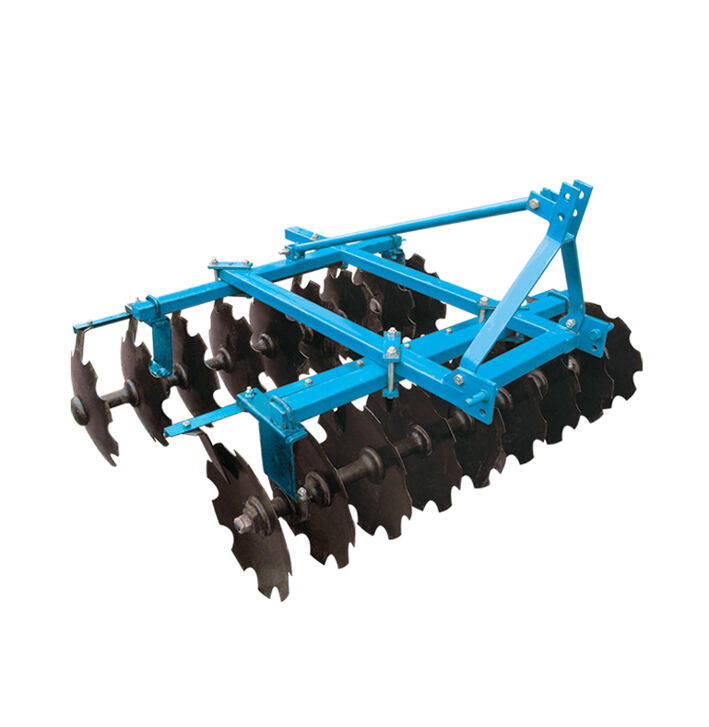
Agricultural contractors operate under relentless pressure to deliver results across diverse soil conditions, tight seasonal windows, and demanding client expectations. When it comes to seedbed preparation, residue management, and soil conditioning, the choice of tillage equipment directly shapes field outcomes and operational profitability. Among the many tools available, the disc harrow has become a consistently preferred implement for professional contractors who need dependable, versatile, and cost-effective performance across a wide range of farming environments.
Understanding why contractors consistently select the disc harrow over competing tillage implements requires a close look at the operational advantages it delivers, the soil and crop scenarios where it excels, and the economic logic that makes it a high-value investment for professional farming operations. This article explores all of those dimensions in depth, giving contractors and farm managers the clarity they need to evaluate this equipment with confidence.
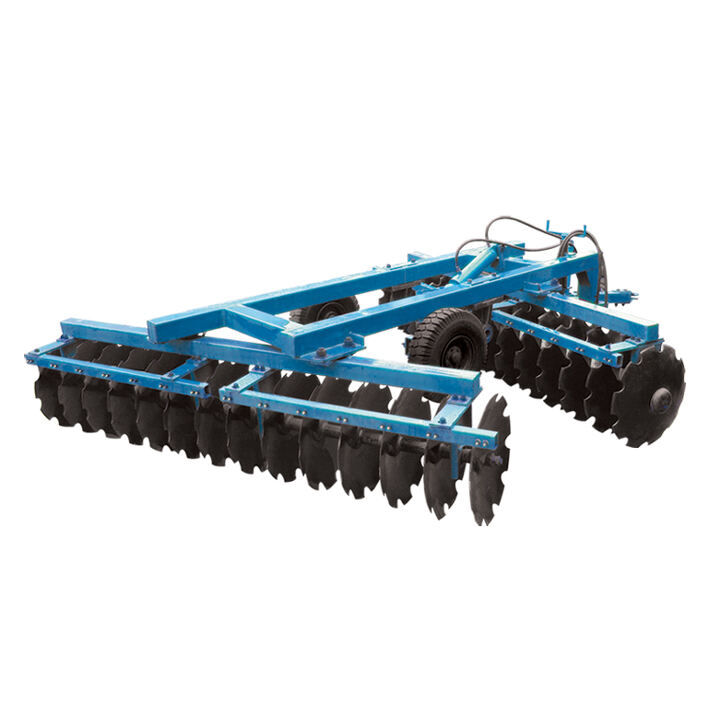
The Operational Value of a Disc Harrow in Professional Contracting
Versatility Across Soil Types and Crop Residues
One of the primary reasons agricultural contractors favor the disc harrow is its remarkable ability to perform across a wide spectrum of soil conditions. Whether the ground is heavy clay, loam, sandy soil, or compacted field terrain, this implement adapts without requiring major configuration changes. Contractors who work across multiple farms and field types cannot afford to carry separate tools for every condition — the disc harrow eliminates that inefficiency.
Beyond soil variability, the disc harrow handles crop residue with exceptional effectiveness. After corn, wheat, sunflower, or cover crop harvests, fields are often left with tough stalks and dense organic matter that can interfere with planting. The rotating disc blades slice through and incorporate this material efficiently, breaking it down and mixing it into the topsoil where it can decompose and improve soil fertility over time.
This combination of soil adaptability and residue management capability positions the disc harrow as a genuinely multi-purpose tool for contractors who need maximum flexibility per implement. The ability to transition quickly between different farms and different post-harvest conditions without swapping equipment is a tangible competitive advantage in the contracting market.
Speed and Field Coverage Efficiency
Time is a critical resource in agricultural contracting. Planting windows are narrow, weather conditions shift rapidly, and clients expect timely service delivery. The disc harrow is designed to cover significant ground area efficiently, allowing contractors to complete tillage passes faster than with many alternative implements. Higher working speeds without sacrificing tillage quality translate directly to more jobs completed per season.
Modern heavy-duty disc harrow configurations allow working widths that can be matched to larger tractors, further boosting daily field coverage. This scalability means that as a contracting operation grows its tractor horsepower capacity, the disc harrow equipment can grow with it, making it a long-term viable asset rather than a short-term purchase.
Why Disc Harrow Equipment Suits a Contractor's Business Model
Low Maintenance Requirements and Operational Uptime
Agricultural contractors cannot afford lengthy equipment downtime during peak season. The mechanical simplicity of a disc harrow is a significant reason why it remains a preferred choice among professionals. With fewer complex hydraulic or electronic systems compared to some modern tillage implements, the disc harrow is relatively straightforward to service, inspect, and repair in the field.
Routine maintenance typically involves inspecting disc blade wear, checking bearing condition, and lubricating key pivot points. These tasks can often be handled by the contractor's own team without specialized technicians or dealership visits. This self-serviceability reduces downtime risk and keeps maintenance costs predictable — both of which are important considerations when managing a contracting business's operational budget.
The durability of a well-built disc harrow also means that the implement can deliver years of productive service when properly maintained. Contractors who invest in quality equipment and maintain it diligently typically see a low total cost of ownership over the long lifecycle of the machine, improving the return on capital employed in the business.
Compatibility with a Range of Tractor Models
Another practical driver behind contractor preference for the disc harrow is its broad compatibility with standard three-point hitch systems used across a wide range of agricultural tractors. Contractors operating mixed fleets of tractors — whether inherited, leased, or purchased at different stages — benefit from implements that do not require specific proprietary hitching systems or bespoke hydraulic configurations.
This flexibility allows a single disc harrow to be paired with different tractors depending on job requirements, field size, or availability. The practical result is that the implement generates productive hours across more of the working calendar rather than being tied to one specific machine. For a contracting operation managing multiple pieces of equipment, this versatility substantially improves asset utilization rates.
Soil Preparation Quality and Its Impact on Crop Establishment
Creating an Ideal Seedbed Structure
Agricultural contractors are ultimately judged by the quality of results they deliver to their clients. When a farmer hires a contractor for seedbed preparation, they expect a fine, uniform tilth that promotes even germination and strong early crop establishment. The disc harrow is highly capable of producing this outcome when operated at appropriate depth and speed settings.
By fracturing and crumbling clods, incorporating organic matter, and leveling surface irregularities, the disc harrow creates a soil structure that allows seeds to make consistent contact with moist soil. This is particularly important in spring planting seasons when soil temperature and moisture windows are short. Contractors who can reliably deliver high-quality seedbeds build stronger client relationships and earn repeat business season after season.
The adjustability of disc angle on modern disc harrow designs allows operators to fine-tune tillage intensity. A more aggressive disc angle delivers deeper, more thorough soil disturbance, while a shallower angle provides lighter conditioning. This adjustability gives contractors control over the quality and depth of their work, allowing them to match field requirements rather than applying a one-size approach.
Improving Soil Health Through Organic Matter Incorporation
Beyond immediate seedbed preparation, the way a disc harrow manages crop residue has longer-term benefits for soil health. Incorporating chopped and shredded plant material into the topsoil accelerates decomposition, increases soil organic matter content, and promotes microbial activity. Over multiple seasons, this contributes to improved soil structure, better water retention, and enhanced nutrient cycling.
Farmers who hire contractors for tillage increasingly understand the agronomic importance of soil health. Contractors who can explain and demonstrate how their disc harrow work contributes positively to long-term soil condition are better positioned to add value in client conversations and justify their service pricing. This agronomic awareness also allows contractors to advise clients on the optimal number of passes, timing, and working depth to achieve the best results for their specific crop rotations.
Heavy-Duty Design Features That Matter for Demanding Field Work
Frame Strength and Disc Blade Quality
Not all disc harrow equipment is built to the same standard, and experienced contractors quickly learn the difference. Heavy-duty frame construction using robust steel sections is essential for withstanding the stresses of working in stony or highly compacted soils. A weak frame that flexes or cracks under load creates safety risks, reduces work quality, and generates costly repair bills.
Disc blade quality is equally critical. Blades manufactured from high-boron steel or similarly hardened alloys maintain their cutting edge for longer, reducing the frequency of blade replacement and keeping the implement working at peak efficiency over extended periods. Contractors who evaluate disc harrow equipment should pay close attention to blade thickness, steel grade, and the heat treatment processes used in manufacture — these factors have a direct bearing on blade lifespan and field performance.
The spacing between disc blades also affects performance in different conditions. Wider blade spacing is generally more effective in heavy residue conditions where clogging could otherwise be a problem, while tighter spacing delivers finer tillage. Understanding how these design variables interact with specific farming environments helps contractors select the right configuration for their primary use cases.
Gang Angle Adjustment and Depth Control Systems
A well-engineered disc harrow offers reliable gang angle adjustment mechanisms and precise depth control. These features give contractors the operational flexibility to tailor their tillage work to the exact requirements of each field and each season. In spring, lighter settings preserve soil moisture; in autumn, more aggressive settings break down residue effectively before winter.
Depth control consistency is particularly important when working across undulating terrain. Implements that struggle to maintain uniform working depth across rolling ground produce inconsistent seedbeds that can affect crop establishment uniformity. Heavy-duty disc harrow models with well-designed depth regulation systems address this challenge and deliver more consistent tillage quality across varied topography.
Contractors who regularly evaluate these mechanical features before purchasing or recommending a disc harrow find that the investment in quality engineering pays dividends in reduced callbacks from clients, fewer mechanical failures during peak season, and a stronger professional reputation in their local market.
Economic Reasoning Behind the Disc Harrow's Popularity
Competitive Cost Per Hectare Treated
Agricultural contracting is a margin-sensitive business, and every implement in the fleet must justify its place through measurable contribution to revenue. The disc harrow scores strongly on cost-per-hectare metrics because of its durability, operational speed, and relatively modest maintenance demands. Compared to some more complex tillage systems, the disc harrow delivers competitive output at a lower total operational cost over its working life.
This economic efficiency is a key factor when contractors calculate service pricing. Being able to complete tillage passes at lower cost per hectare while maintaining high quality allows contractors to price competitively, win more contracts, and still protect their profit margins. The disc harrow essentially enables a favorable cost structure that supports sustainable business growth.
Long Asset Life and Residual Value
Durable agricultural implements retain meaningful value in the used equipment market, and the disc harrow is known for its longevity. A well-maintained heavy-duty disc harrow can continue delivering productive service for many years, and when contractors eventually upgrade, the used machine typically commands a reasonable resale price. This residual value factor is an important element of the full lifecycle cost calculation that experienced contractors make when evaluating equipment investments.
The combination of low operating cost, high productivity, and recoverable residual value makes the disc harrow one of the most economically rational tillage implements available to professional agricultural contractors. It is not a surprise that this equipment consistently appears across the fleets of experienced contracting operations at all scales, from small family-run businesses to large multi-machine enterprises.
FAQ
What makes a disc harrow better than a cultivator for contractor use?
The disc harrow excels in conditions where heavy crop residue is present and where soil compaction requires more aggressive disturbance than a cultivator typically delivers. Its rotating disc blades cut through tough material rather than relying on tine penetration, making it more effective in challenging post-harvest conditions. For contractors working across diverse farms, the disc harrow often provides more consistent performance across variable soil and residue scenarios.
How many passes with a disc harrow are typically needed for good seedbed preparation?
The number of passes depends on soil condition, residue volume, and the desired seedbed quality. In many situations, one or two passes with a properly adjusted disc harrow are sufficient to produce an acceptable seedbed. In heavier soils with significant residue, a primary pass at a more aggressive angle may be followed by a lighter secondary pass to refine the tilth. Experienced contractors adjust their approach based on field conditions and client crop plans.
Is a disc harrow suitable for minimum tillage farming systems?
Yes, the disc harrow can be used within reduced-tillage or conservation tillage frameworks when operated at shallow working depths and lower disc angles. In these systems, the goal is to manage surface residue and create a seedbed without full inversion of the soil profile. The adjustability of a good quality disc harrow makes it compatible with a range of tillage philosophies, which is another reason contractors value its versatility.
What tractor horsepower is recommended for operating a heavy-duty disc harrow?
Tractor horsepower requirements vary based on the working width and disc size of the specific disc harrow model. As a general principle, wider implements with larger discs require greater tractor power to maintain consistent working depth and forward speed. Contractors should always consult the equipment specifications and ensure their tractor is appropriately matched to the implement to avoid strain on tractor drivetrain components and to achieve optimal tillage performance.
Table of Contents
- The Operational Value of a Disc Harrow in Professional Contracting
- Why Disc Harrow Equipment Suits a Contractor's Business Model
- Soil Preparation Quality and Its Impact on Crop Establishment
- Heavy-Duty Design Features That Matter for Demanding Field Work
- Economic Reasoning Behind the Disc Harrow's Popularity
- FAQ